Concept design
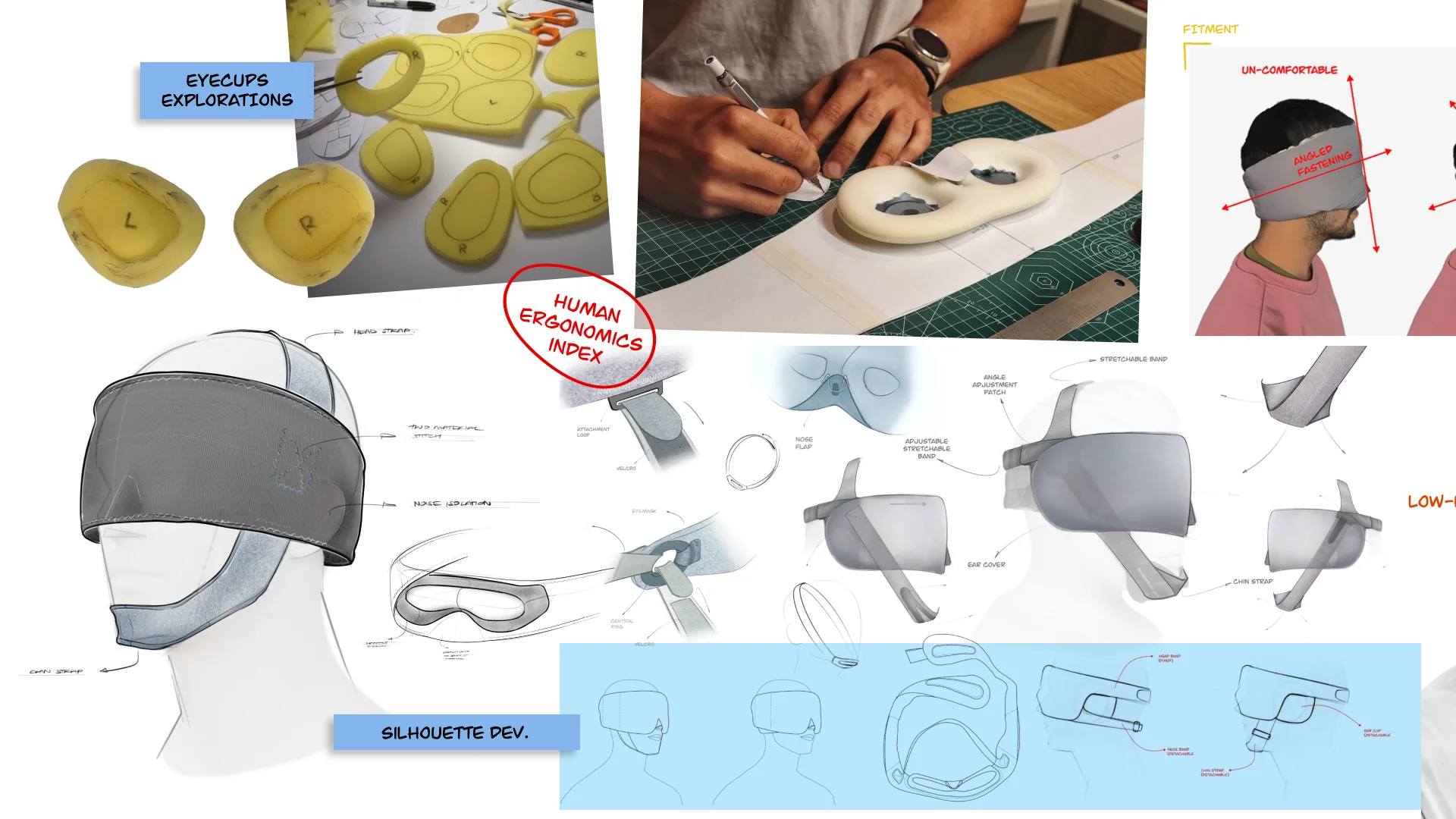
Answers whether your product is worth building, and in what form, before real money is spent: research, three to five directions and one validated concept in CAD. About 60% of founders change course here, the cheapest place to do it.
One senior team takes your physical product from first sketch to the factory floor: concept, industrial design, engineering, prototyping, design for manufacturing and launch. 250+ products for 80+ founders since 2015, three in four of them in the US and Europe.
Reply within one working day · NDA on request · You own your idea and IP

products designed since 2015
raised by founders we've worked with
design awards, including Red Dot and iF
of our clients are in the US and Europe
Trusted by global brands and 80+ founders
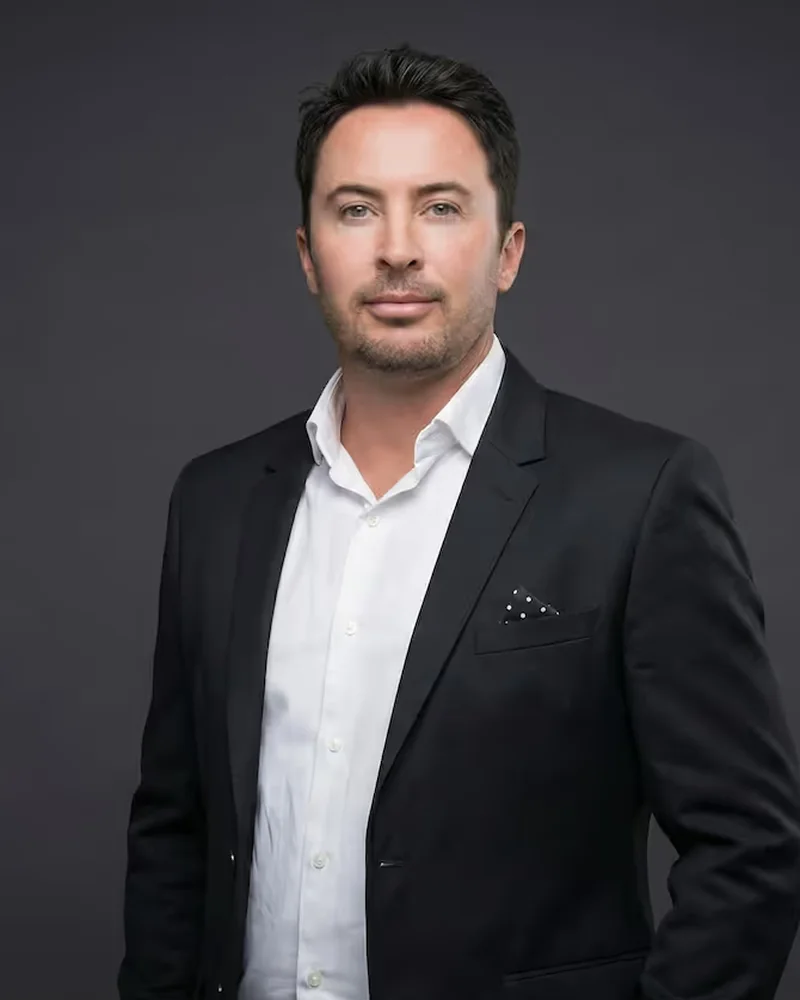
US crowdfunding partnerMark PecotaFounder & CEO, LaunchBoom“Their ability to translate early product ideas into prototypes that are testable, manufacturing & launch-friendly has made a real difference in how confidently founders move toward crowdfunding and market entry.”
They fail in the gaps between design, engineering and the factory, on decisions made early and paid for late.
A change at concept stage costs a conversation. After CAD it costs a week. After tooling it costs a new mould and eleven weeks. Hire a different freelancer for every stage and you manage those gaps yourself. We close them by running every stage as one team.
Picked in week three. By month seven you find they've never validated an idea or scoped an MVP.
It looks great in the render, until it meets real users or sits next to your competitor.
BOM. Most design projects don't end with a bill of materials, so you're left wondering what comes next.
Design work that stops short of what a factory needs: drawings, certification, QC and testing.
Seven services, one team. Use one, or run them together as Product Path™, our end-to-end process.

Answers whether your product is worth building, and in what form, before real money is spent: research, three to five directions and one validated concept in CAD. About 60% of founders change course here, the cheapest place to do it.

Form, ergonomics, CMF (colour, material, finish) and the user experience, designed by the people who will engineer it, so nothing beautiful gets lost on the way to the factory. It's the work behind our 24 design awards.

Mechanisms, enclosures, thermal, PCB and firmware coordination, and tolerance analysis, engineered for your volume and price. Electronics roughly doubles the engineering of a mechanical product, so we plan for it from the first sketch.

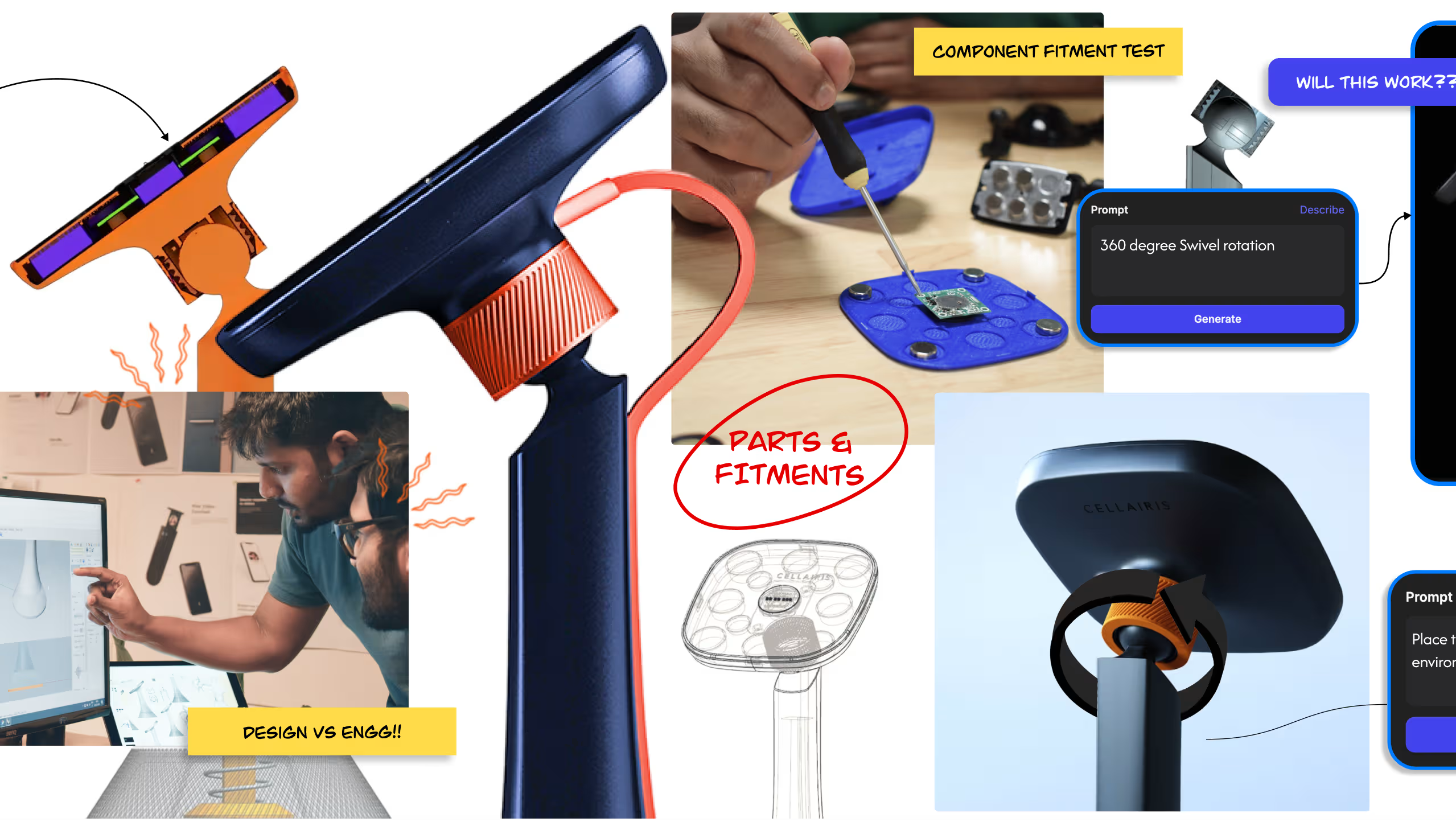
A working prototype that proves the product does what you promised when someone holds it, backed by test reports, user feedback and a first bill of materials. It's what founders take to investors and crowdfunding backers.

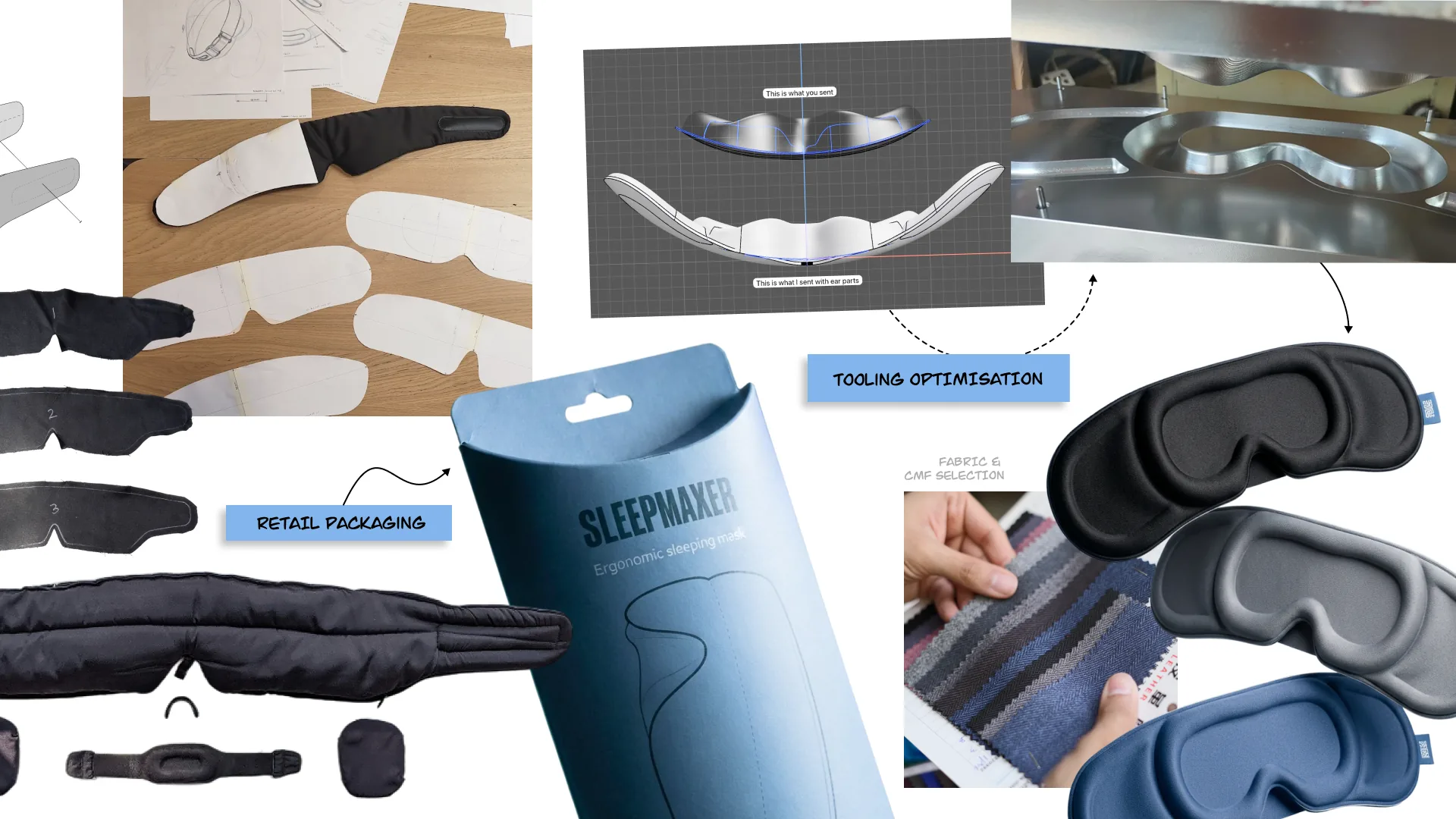
Manufacturing drawings, DFM and tolerance analysis, a vetted vendor shortlist with quotes from our 150+ partners, QC protocols and certification mapping. Our team of four in Shenzhen is on the factory floor when first shots come off the tool.

Photorealistic stills, lifestyle scenes, 360° spins and animation for crowdfunding pages, investor decks and retail listings, from a studio that engineers products, so the render shows something that can actually be built.

How the first thousand units reach the first thousand customers: pre-production, packaging, campaign assets and a go-to-market plan, including Kickstarter launches with partners such as LaunchBoom.
More services

Our process
Four phases, each built to remove one kind of risk while it's still cheap to fix. Each phase is scoped and priced before it starts, and the team that designs your product stays with it through production.
The risk of building the wrong idea.
The risk that it doesn't work.
The risk of not making it at a price that works.
The risk that it ships late, or to nobody.
Product Path™, phase by phase
The decision each phase settles, what you walk away with and how long it takes. Swipe or scroll sideways, or jump to a phase.
Removes the risk that you build the wrong thing.

Is this worth building at all, and in what form?
Three to five concept directions, one validated direction in CAD, technical drawings, vendor recommendations and an indicative unit cost.
4–6 weeks
About 60% of founders change or pivot here. Finding out now saves a year and most of the budget.
Removes the risk that it doesn't actually work.

Can this be built, and does it do what you promised when someone holds it?
A working prototype, mechanism and CAD files, test reports, user feedback, a first BOM and a cost model.
8–14 weeks
The same team carries the prototype into manufacturing when you're ready.
Removes the risk that you can't make it at a price that works.

Which vendor, what tooling, and what your unit cost really is at 10,000 units.
Manufacturing drawings, DFM and tolerance analysis, a vetted vendor shortlist with quotes, tooling recommendations, QC protocols and certification mapping.
10–16 weeks
Our Shenzhen team, led by Vivi, is at the factory for tooling and first runs, with our partners or yours.
Removes the risk that it ships to nobody.

How the first thousand units reach the first thousand customers.
Pre-production support, packaging, product photography and renders, campaign assets and a go-to-market plan.
6–10 weeks
Launch works best with an audience waiting. We plan it with you and partners such as LaunchBoom.
Client voices
Swipe through. Unedited, from the 21 founders and brand teams who've reviewed working with us. 80+ founders have built with Analogy since 2015.
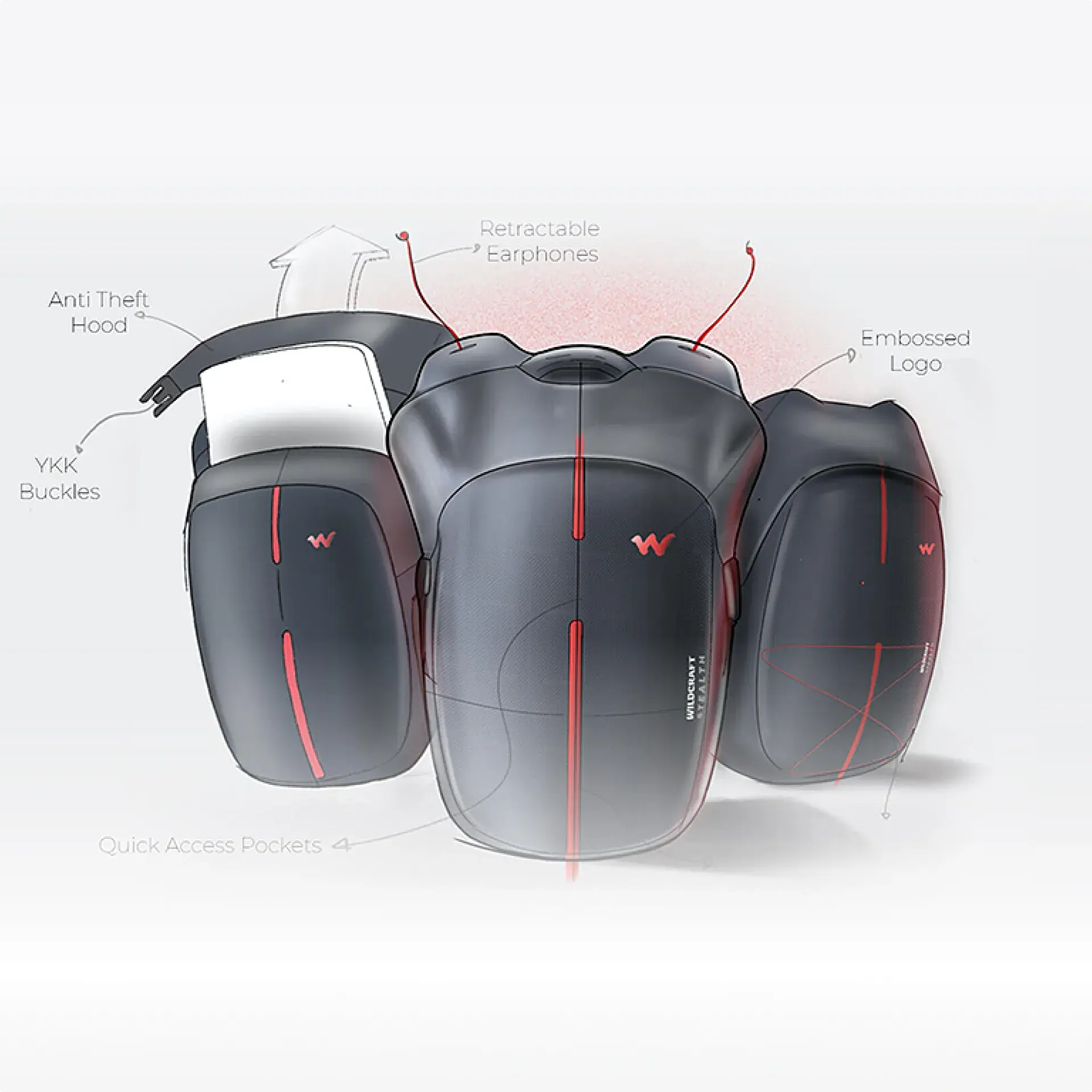
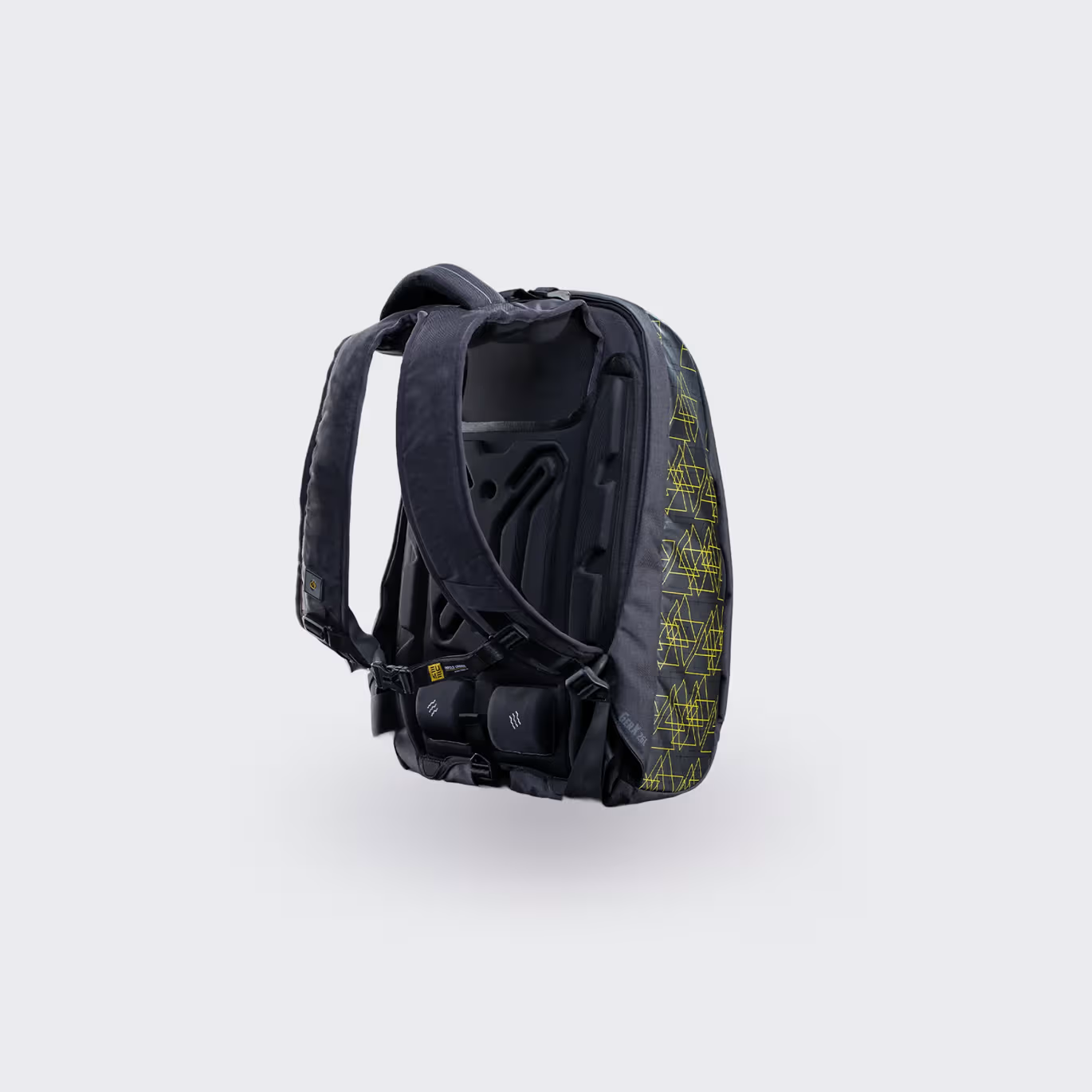
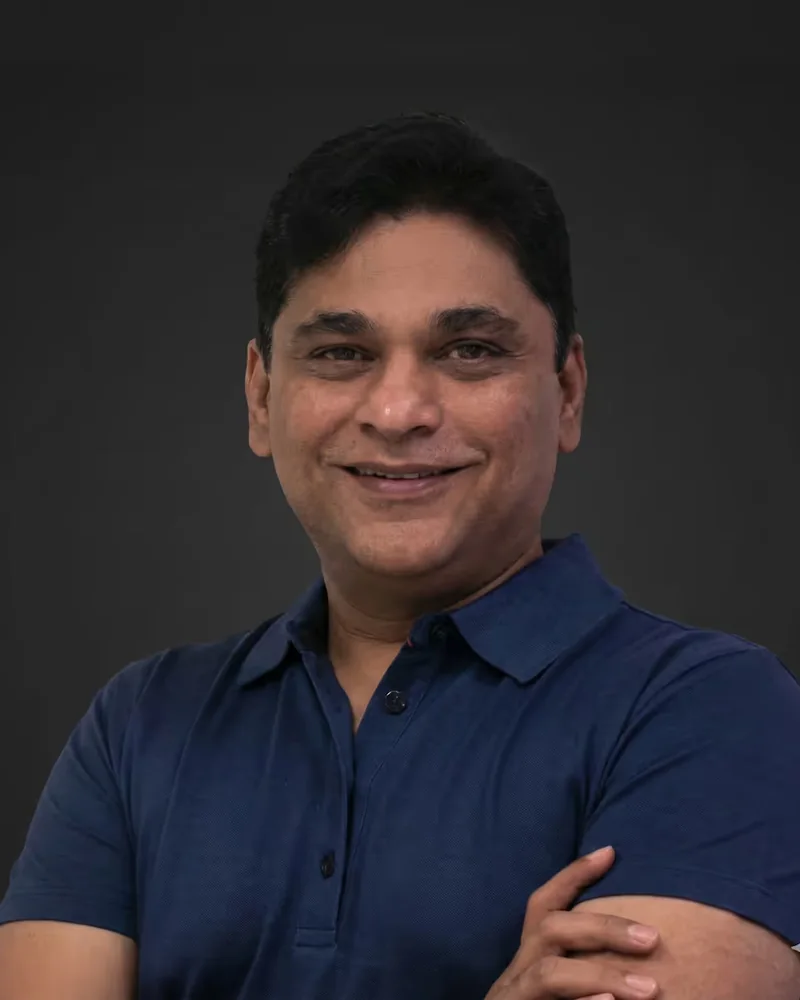
“We wanted to create the world’s first massage backpack and we started with Analogy with an idea and they helped us develop the entire brand message, product design with the patented back mechanism as well as the crowdfunding campaign that hit the funding goal in less than 12 hours. We would love to work with them again.”
Sanjay ParekhFounder, Eume & Avon Lifestyle“Analogy Design collaborated with Cellairis to develop new product lines, including interconnected products for enterprise clients. Their team met specific manufacturing needs with hands-on involvement, clear feedback, and smooth collaboration.”
Joseph BrownChief Product Officer, Cellairis Global“Meeting Analogy was transformative. Their honesty and acknowledgment of project complexity were refreshing. Their market research and design approach are top-notch, but their real strength lies in translating vision into practical engineering.”
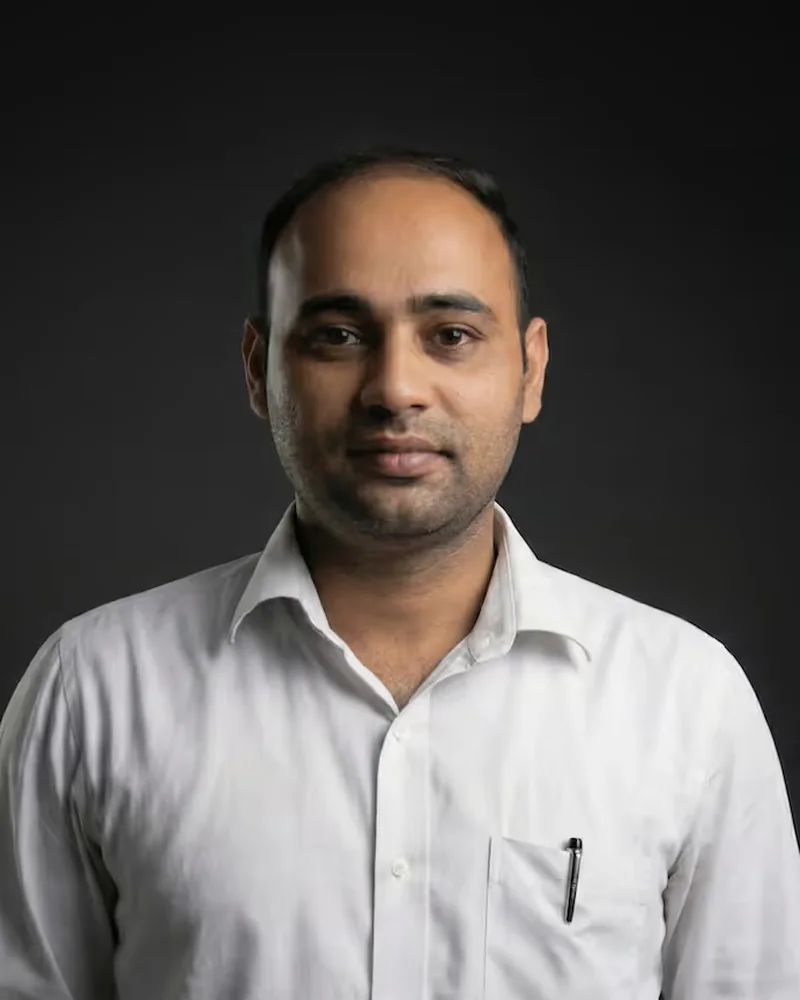
Vivek MadappaFounder, Mobident Dental Solutions LLP“A talented team with great design thinking skills and fast execution. I had a fabulous time working with them as the speed of execution was mind blowing. In less than 8 months I had a physical product to showcase at CES and it led to our acquisition in less than a year of starting up.”
Himanshu VermaFounder, Mustard Glasses (acquired by Kaynes Technology)“Analogy's team has been exceptional, designing and engineering a groundbreaking product for us. Their professionalism and responsiveness have been key in creating a visually stunning product, and I highly recommend them to any business or entrepreneur looking to develop a product.”
Vinit LotiaFounder, Dostea Holdings Limited“The experience with Analogy was excellent. I’d rate it 9 out of 10. They have good talent, leadership, and management, and they think deeply about technology and market research. They’re the best consultancy I’ve worked with.”
Pankaj JamwalNPD Lead, CG GlobalYou don't have to begin at concept. Tell us what you have and we'll tell you which service, or which phase, you actually need.
No hourly billing and no open-ended retainers. You get a custom proposal for the phase you need, and senior hours at a fraction of Bay Area rates.
Most first products land between $51,000 and $85,000 over 9–14 months, and Phase 1 usually starts around $10,000–$15,000. After the call you get a custom proposal, so you know the full number before you commit.
Every phase has its own fixed scope and price, agreed before it starts.
Where your product lands comes down to six things.
Roughly doubles the engineering of a mechanical product. An app or connectivity adds more.
Every moving part adds design, testing and tooling time. Fewer parts usually means a cheaper product.
US products often need FCC, and UL or ETL for mains power; medical devices add FDA requirements.
CMF choices change both tooling and unit cost, so we price them before they're locked.
Existing CAD or a prototype can shorten phase 1 or skip it. We'll tell you honestly on the first call.
What you'll make in year one decides the tooling. We design for the volume you'll really order.
Injection-mould tooling, certification lab testing and production units are billed by the factory or lab directly to you. We don't handle those payments or take a commission on any of them. We get them quoted in phase 3, so you see the whole budget before money goes into steel.
Small fixed-fee sprints answer one specific question in two or three weeks: technical feasibility, manufacturability, sourcing, cost teardown, novelty or launch visuals. Start phase 1 within six months and the sprint fee comes off the price.
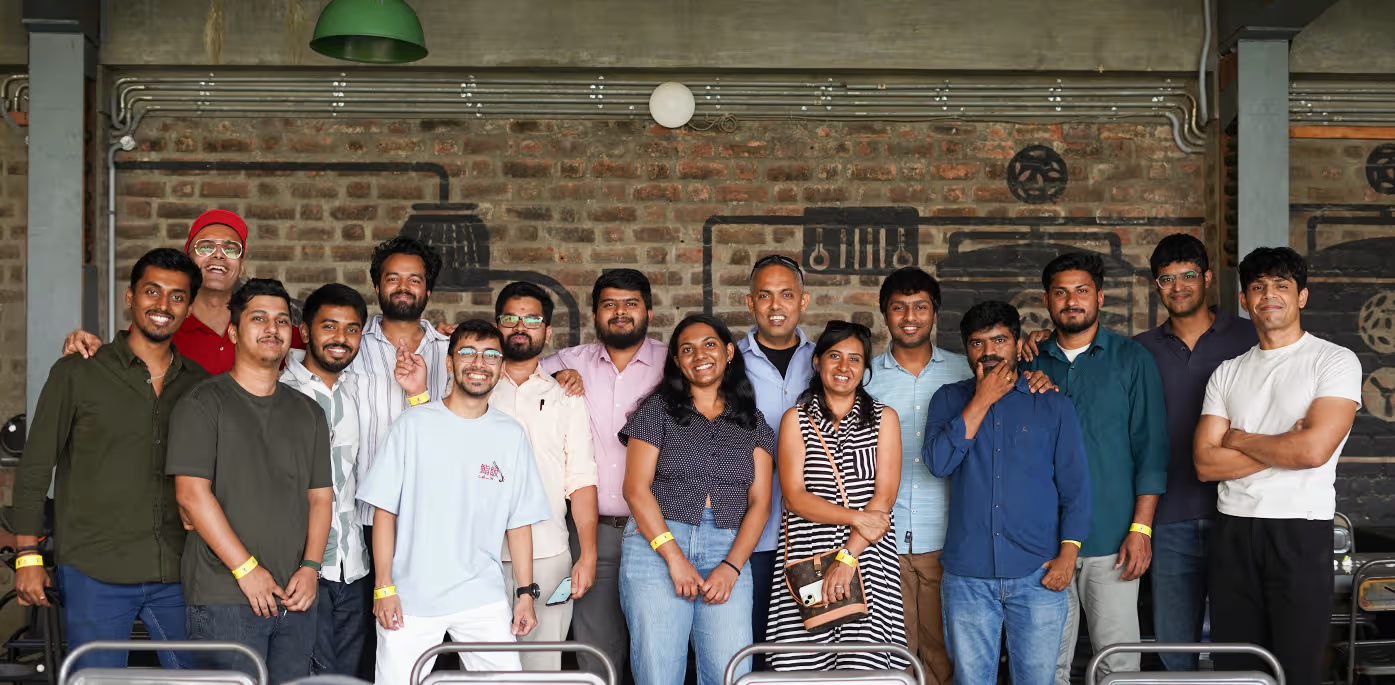
About twenty people, on purpose. No account layer and no junior team behind the senior one you met.
A Bengaluru studio and workshop, a team of four in Shenzhen and 150+ manufacturing partners.
Written into our agreements, with an NDA signed before you share anything sensitive.
| Question | Freelancers | Large agency | Analogy |
|---|---|---|---|
| Who manages the handoffs between design, engineering and the factory | You do | An account team | One team, the same people from sketch to production |
| How you pay | Hourly or per deliverable | Hourly, often open-ended | A fixed price per phase, agreed before it starts |
| Who does the work | Depends who you hired | Often a junior team after the first meeting | The senior people you met on the first call |
| Time at the factory | Rarely | Sometimes, through partners | A team of four in Shenzhen and 150+ partners |
| Will they tell you not to build it? | Rarely | Rarely | About 60% of founders change course at concept |
Three in four of our clients are in the US and Europe. Here's how working with a studio in Bengaluru and Shenzhen works from there.
We schedule every review in your time zone, wherever you are in the US.
Agreements and invoicing built for US and European founders, phase by phase.
We sign your NDA or send ours before you share anything sensitive. Ownership is written into the agreement.
FCC, UL or ETL and other requirements mapped in phase 3 and designed for before tooling.
Our team of four in Shenzhen, led by Vivi, is on the floor when first shots come off the tool.
We plan to open in the Bay Area in late 2027, closer to the founders we already work with.
Written by the team that does the work. All articles
Can't find yours? Ask us directly; you'll hear back within one working day.
Everything between an idea and a product a factory can make at volume: concept design, industrial design, mechanical and electronics engineering, prototyping, design for manufacturing, sourcing and launch. A product development company runs those stages so decisions made early don't become expensive surprises later.
Most first products land between $51,000 and $85,000 over 9–14 months, and Phase 1 usually starts around $10,000–$15,000. After the call you get a custom proposal, so you know the full number before you commit. Electronics, certification and tooling complexity move the number most.
Usually 9–14 months from concept to production-ready. The working time is 4–6 weeks of concept, 8–14 weeks of engineering and prototyping, 10–16 weeks of manufacturing preparation and 6–10 weeks of launch support; the total also includes reviews, decisions and vendor lead times between phases.
No. Most of the founders we work with are building their first physical product. We translate the engineering and manufacturing decisions into plain language and you make the calls.
We don't own factories. We design for manufacturing, select and audit vendors from our 150+ partners, negotiate quotes and tooling, and our team of four in Shenzhen is on the factory floor for first production runs.
Yes. About 75% of our clients are in the US and Europe, our contracts and payments are set up for them, and we schedule reviews in your working hours.
We'll sign your NDA or send ours before you share anything sensitive. You own your idea and the IP we create for it; that's written into our agreements.
A freelancer usually covers one stage, so you manage the handoffs between design, engineering and the factory yourself. We run the whole path as one team, in fixed-price phases, with the senior people doing the work.
A working prototype is part of phase 2, together with the engineering, test reports and a first BOM. What it costs depends on what the prototype has to prove, so we price it in your proposal after the first call.
Third-party costs: injection-mould tooling, certification lab testing and production units are billed by the factory or lab directly to you, and we take no commission on them. We get them quoted in phase 3, so you see the whole budget before you commit.
Yes. Small fixed-fee sprints answer one specific question in two or three weeks. If you start phase 1 within six months, the sprint fee comes off the price.
Yes. We map the certifications your product needs in phase 3 and design for them before tooling, so certification doesn't turn into a late, expensive surprise.
Yes. Launch support covers campaign assets, renders and a go-to-market plan, and we work with crowdfunding partners such as LaunchBoom. EUME hit its crowdfunding goal in under 12 hours.
Just the idea. A sketch, CAD file or prototype lets us start further along, but most founders come to us with nothing drawn.
Book a free 30-minute call. We reply within one working day, and after the call you get a fixed scope and price for the phase you actually need.
A sketch, a CAD file, a prototype that isn't working, or a quote that came back at three times what you expected. In 30 minutes we'll tell you what it takes, roughly what it costs, and whether you should build it at all.
If we're not the right studio for you, we'll say so and tell you who is.