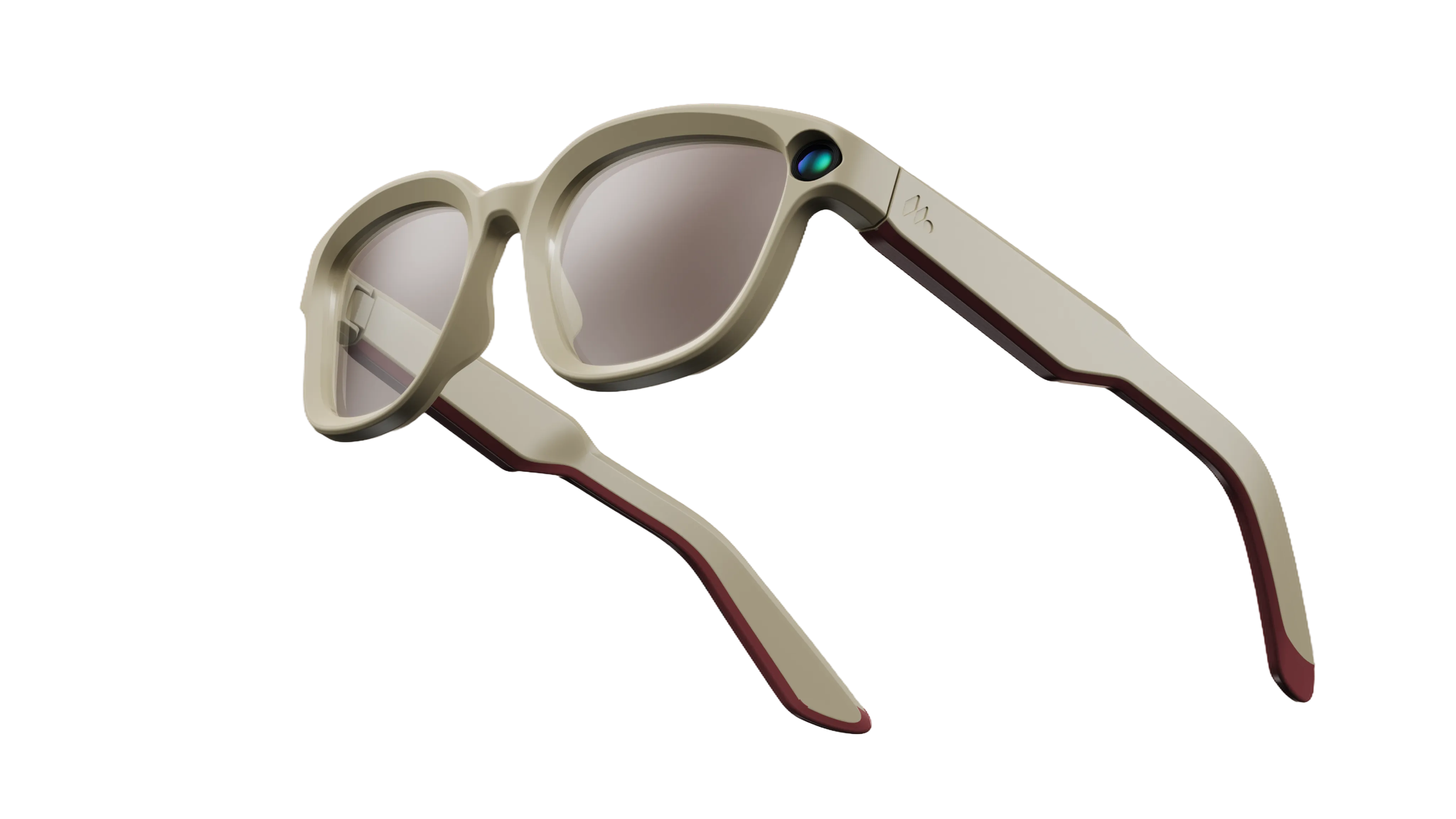
AI Glasses For Mustard
Backed by



The Challenge
Design AI glasses that feel instantly wearable while hiding complex hardware inside a familiar, comfortable form factor. Create smart eyewear that looks simple, feels premium, and is ready for real world manufacturing.
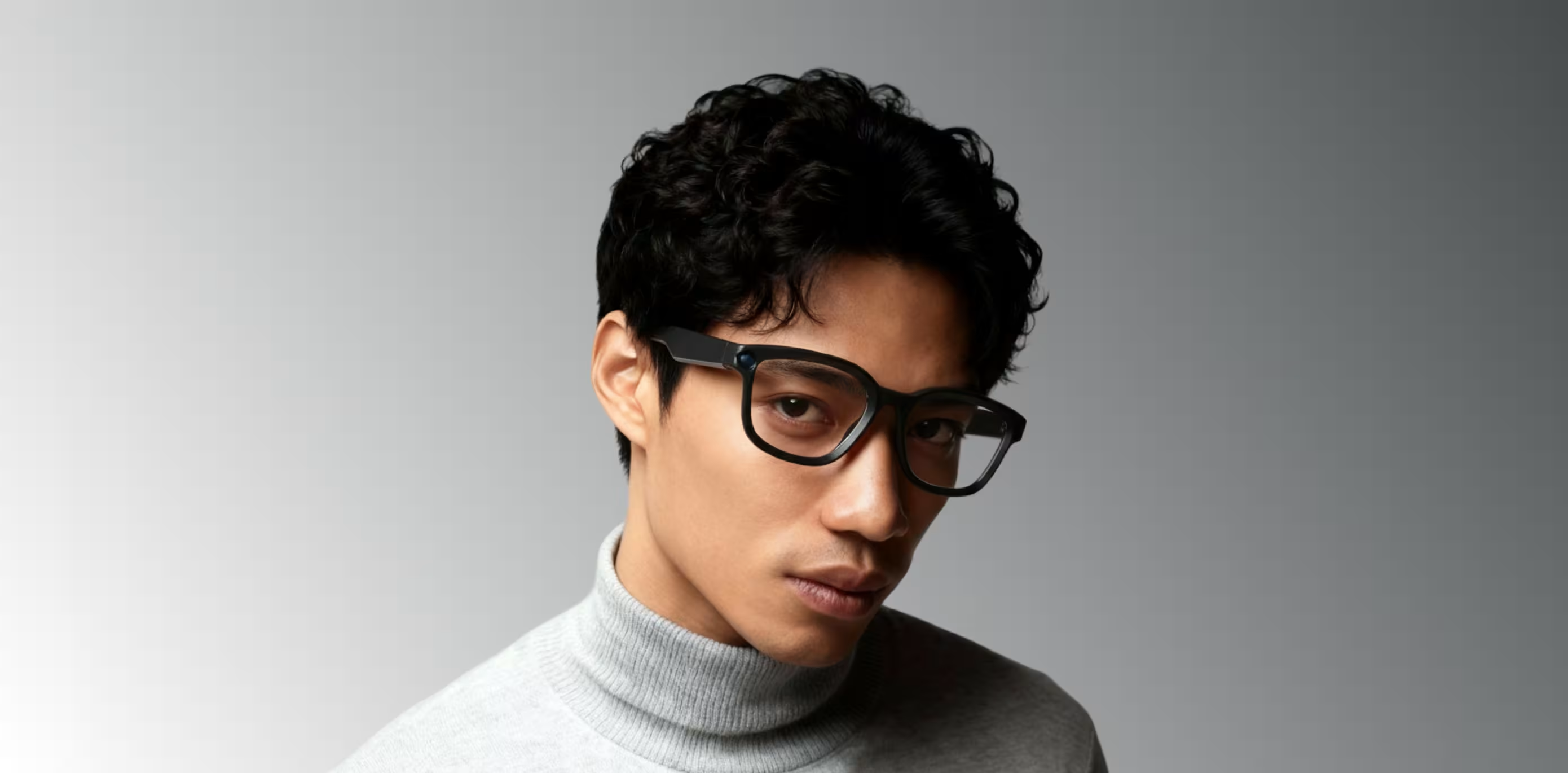
Making Intelligence Feel Invisible
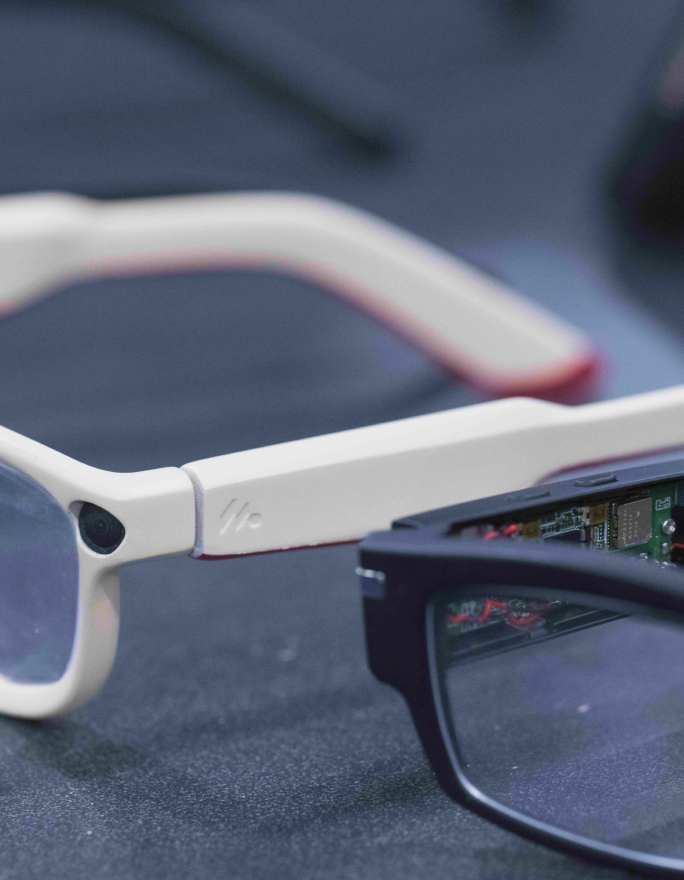
We approached the challenge through deep design engineering and wearable technology principles. The team focused on ergonomic design, hardware layout, and CAD modeling to distribute weight evenly across the frame. DFM and design for manufacture were embedded early, ensuring the AI smart glasses could move smoothly from prototype to production without compromising comfort or aesthetics.
When Himanshu, a tech entrepreneur approached us with a bold vision for AI-powered smart glasses, we saw the opportunity to shape something meaningful & unique.
Not smart glasses that demand attention, but AI eyewear that quietly belongs in daily life.
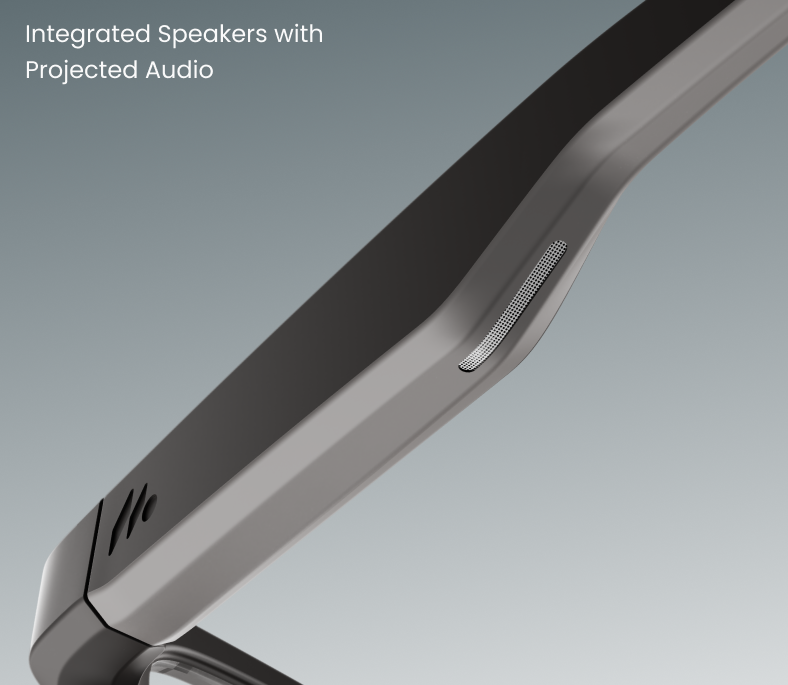
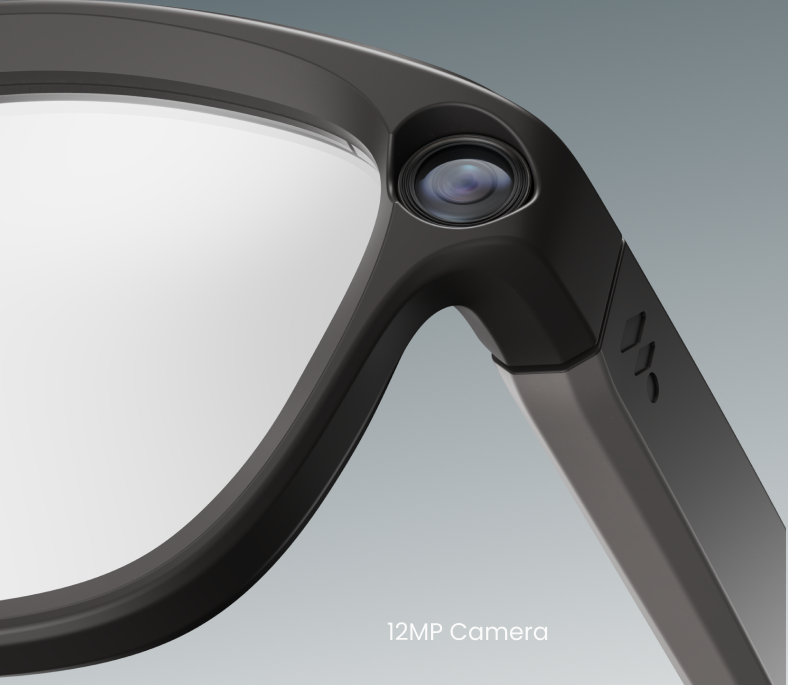
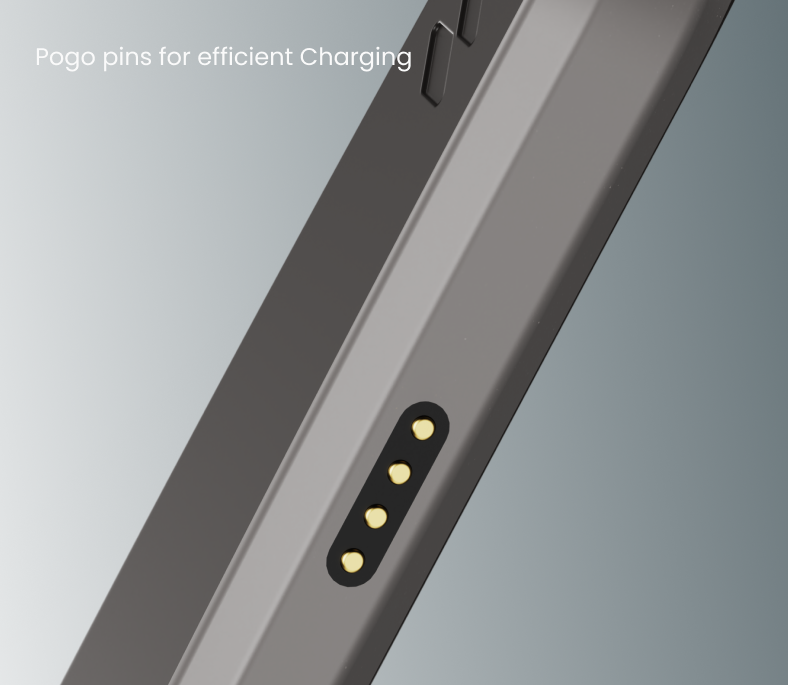
From the start, the project was driven by clarity rather than feature overload. Analogy worked closely with the founder to define the right balance between AI capabilities, wearable comfort, and design aesthetics. Every design decision considered real usage scenarios, long wear hours, and how the product would feel after weeks of daily use. This ensured the smart glasses remained intuitive, lightweight, and emotionally appealing.The process combined concept design, rapid prototyping, and hardware engineering to validate comfort and form early. Integrated speakers, a 12MP camera, and embedded systems were carefully positioned to avoid bulk and pressure points. By aligning product strategy with manufacturing realities, the design evolved into a scalable consumer electronics product ready for market adoption.
Learn more about Manufacturing Readiness and Product Path
The problem
Bulky Wearables Feel Awkward
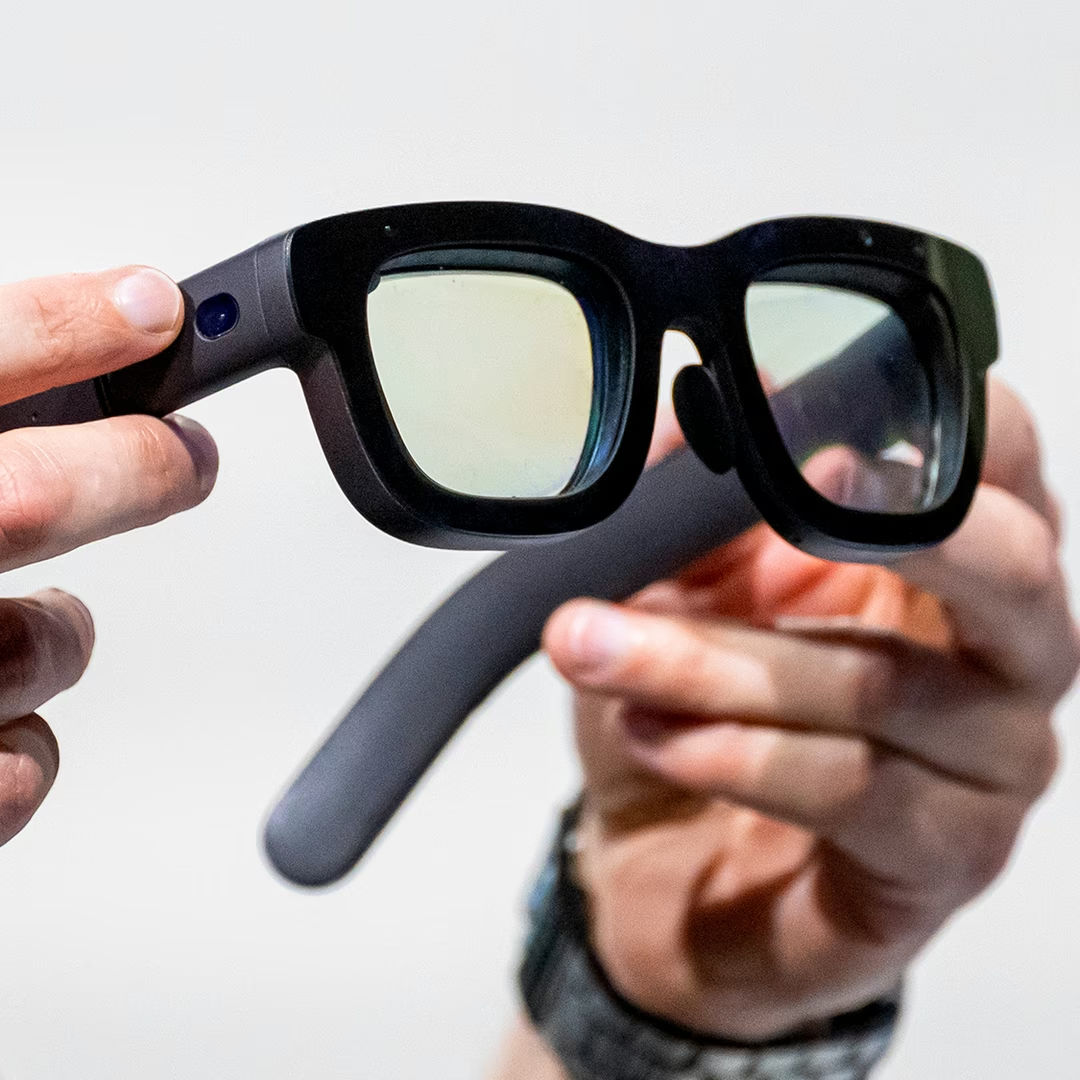
Oversized smart glasses quickly cause fatigue, draw unwanted attention, and break everyday usability. When hardware feels heavy on the face, users abandon the product regardless of features.
Be guided through the whole process, from first concept through to market-ready product with success.
Bulky Wearables Feel Awkward
Oversized smart glasses quickly cause fatigue, draw unwanted attention, and break everyday usability. When hardware feels heavy on the face, users abandon the product regardless of features.
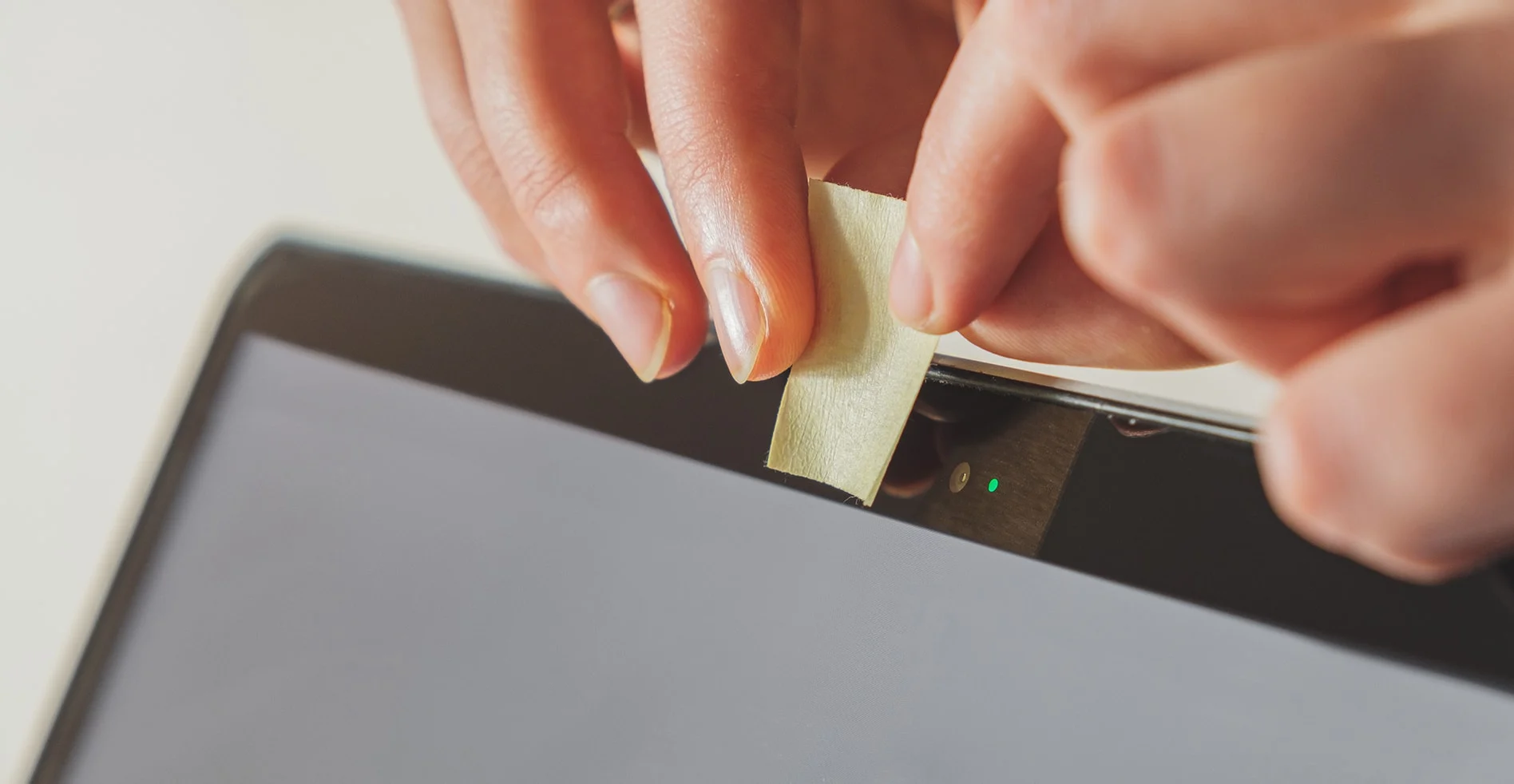
Always On Camera
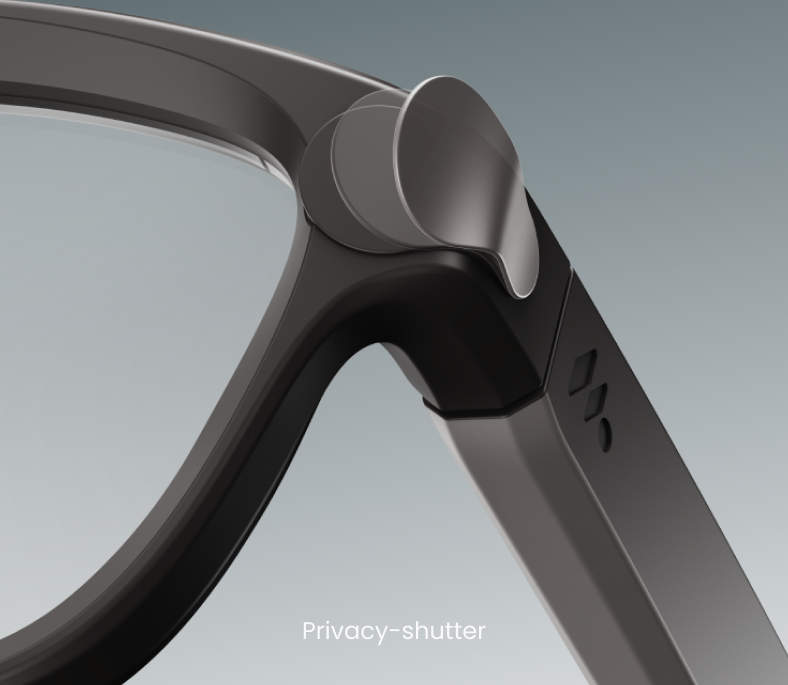
An exposed camera creates discomfort, trust issues, and hesitation in social and professional settings. Without clear visual privacy cues, adoption becomes a barrier rather than an advantage.
Be guided through the whole process, from first concept through to market-ready product with success.
Always On Camera
An exposed camera creates discomfort, trust issues, and hesitation in social and professional settings. Without clear visual privacy cues, adoption becomes a barrier rather than an advantage.
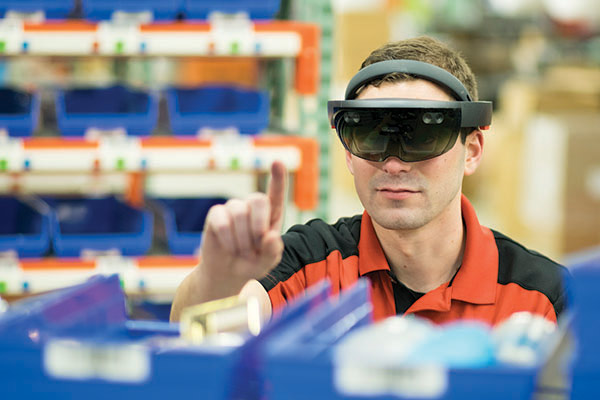
One Size Limits
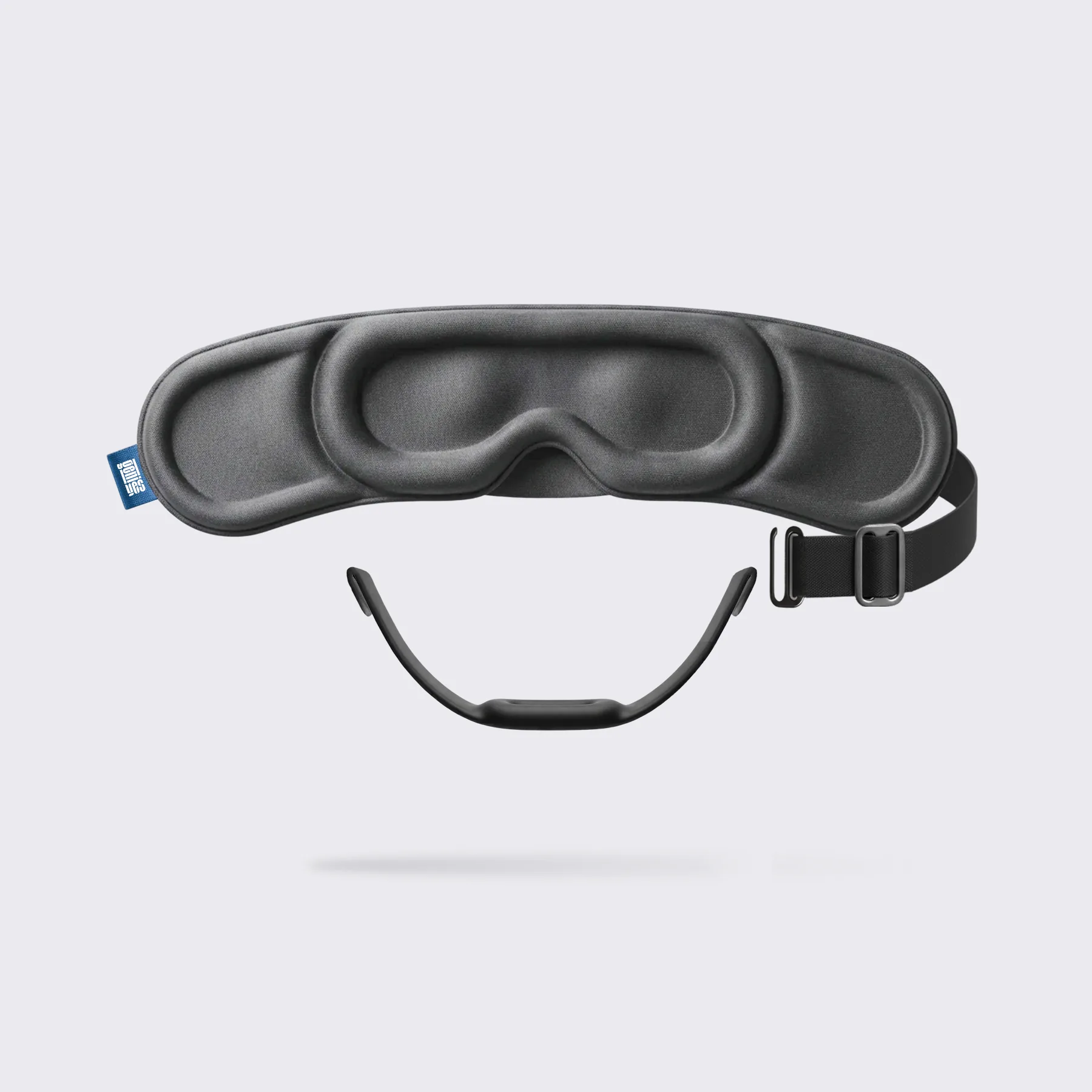
Smart eyewear built without flexibility struggles across industries and use cases. Lack of customization restricts deployment for different workflows, teams, and business needs.
Be guided through the whole process, from first concept through to market-ready product with success.
One Size Limits
Smart eyewear built without flexibility struggles across industries and use cases. Lack of customization restricts deployment for different workflows, teams, and business needs.
A lightweight, privacy conscious, and modular AI eyewear system engineered for comfort, adaptability, and real world scalability across consumer and enterprise use cases.
Analogy Design translated complex requirements into a wearable product that feels natural, intentional, and future ready.
The team reworked the frame architecture to reduce visual and physical bulk while maintaining structural integrity. Hardware components were repositioned through iterative CAD modeling and functional prototyping to achieve balanced weight distribution. Comfort was validated through real wear testing rather than assumptions.Privacy and flexibility were built into the product logic from the start. The design allows clear camera awareness while supporting modular features that adapt across business needs. Design for manufacture ensured the system could scale without introducing complexity, cost inflation, or inconsistent quality.
Read more: Startup Product Development: The Ultimate Guide for Successful first steps.
Key features
Designing AI Glasses That People Love To Wear
Smart eyewear only succeeds when people forget they are wearing technology.
Mustard AI Glasses now stand as a strong foundation for future variants, software evolution, and multi industry adoption. The design system supports growth without redesign, enabling faster iterations and confident market expansion.
This project proves that AI powered glasses can feel personal, comfortable, and socially acceptable when design leads engineering decisions. By aligning wearable ergonomics, hardware engineering, and production realities, the product moves beyond concept and into daily life.
Read more: The Independent Innovator's Guide to Selling Your Idea
Himanshu Verma
Founder, Mustard Glasses LLP | Acquired by Kaynes Technology
“A talented team with great design thinking skills and fast execution. I had a fabulous time working with them as the speed of execution was mind-blowing. In less that 8 months, I had a physical product to showcase at CES 2025, and it led to our acquisition in less than a year of starting up.”

Average Return on Investment Through Product Path™
250%
Average ROI
$2M
Total Funds Raised
89
Projects Funded Successfully
23+
global design awards
21
different Industries
01
Indian studio
Read more here
Mustard AI Glasses are designed to make advanced intelligence feel natural, lightweight, and effortless to wear. Built at the intersection of wearable technology, AI engineering, and consumer electronics, the product focuses on real daily adoption rather than novelty. Analogy Design worked closely with the Founder to shape smart glasses that balance form factor, comfort, and manufacturability. From concept design to design engineering and rapid prototyping, every decision supported scalability and user comfort. The result is AI eyewear that fits into everyday life while remaining production ready.


.avif)