Product engineering services from prototype to production.

Mechanical and electronics engineering, prototyping, design for manufacturing and production support, run by one senior team. The engineers who make it work are the ones at the factory when it’s made.

One team from CAD to first shots · NDA on request · You own all engineering files

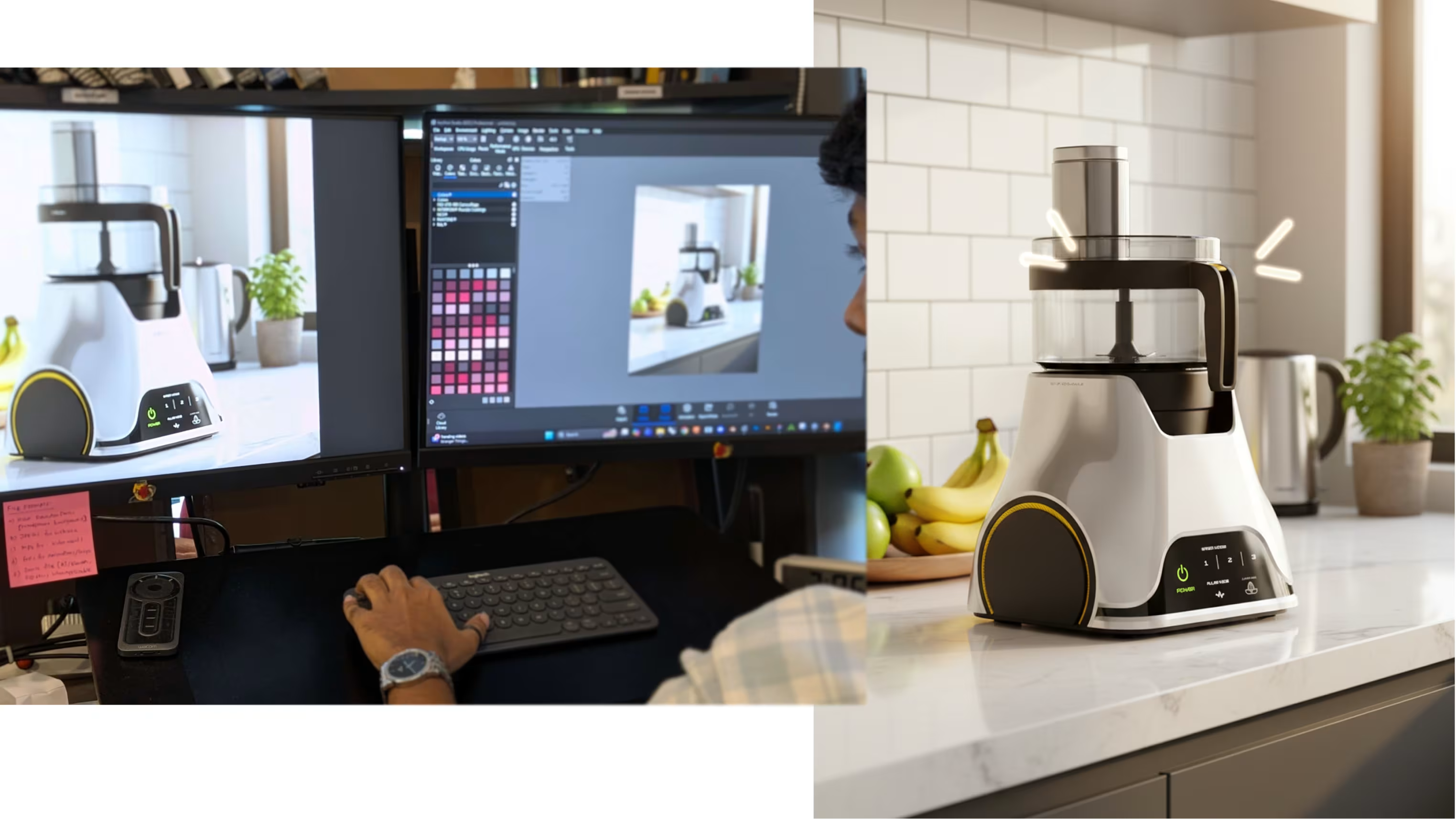
An engineer working on kitchen appliance CAD across two monitors
18–30 wks

of working time across engineering and manufacturing preparation

10 months

to re-engineer Mobident’s dental clinic into a wheeled unit

2

bases: a Bengaluru workshop and a factory team in Shenzhen

~20

senior people, the same ones from CAD to the factory

Trusted by global brands and 80+ founders

  • Panasonic, an Analogy Design client
  • Google, an Analogy Design client
  • Unilever, an Analogy Design client
  • Mondelēz, an Analogy Design client
  • Maersk, an Analogy Design client
  • Aprilia Racing, an Analogy Design client
  • Marvel, an Analogy Design client
  • Borosil, an Analogy Design client
  • boAt, an Analogy Design client
Vivek Madappa, Founder, Mobident Dental Solutions LLPFounder, medical deviceVivek MadappaFounder, Mobident Dental Solutions LLP
“Meeting Analogy was transformative. Their honesty and acknowledgment of project complexity were refreshing. Their market research and design approach are top-notch, but their real strength lies in translating vision into practical engineering. Under VT's leadership, Analogy's talent is unparalleled. For world-class product design that works, choose Analogy.”

All reviews from the founders we work with

Engineering is where good designs either get made or get lost.

Hand a design to engineers who weren’t there, then to a factory that wasn’t either, and every handoff costs time and character.

Product engineering joins up the design, the electronics, the prototype and the factory. When one team owns all of it, decisions get made once, in the right order.

The design that had to be redrawn

Engineering arrived after sign-off and nothing fit.

The electronics designed in isolation

A board that sets the size of the product instead of fitting inside it.

The prototype that’s a dead end

Built to demo, not to manufacture.

The factory that redesigned it for you

Changes made to suit tooling, without anyone asking what they’d break.

What product engineering includes

Five pieces of work, one team, from the first mechanism to the first production run.

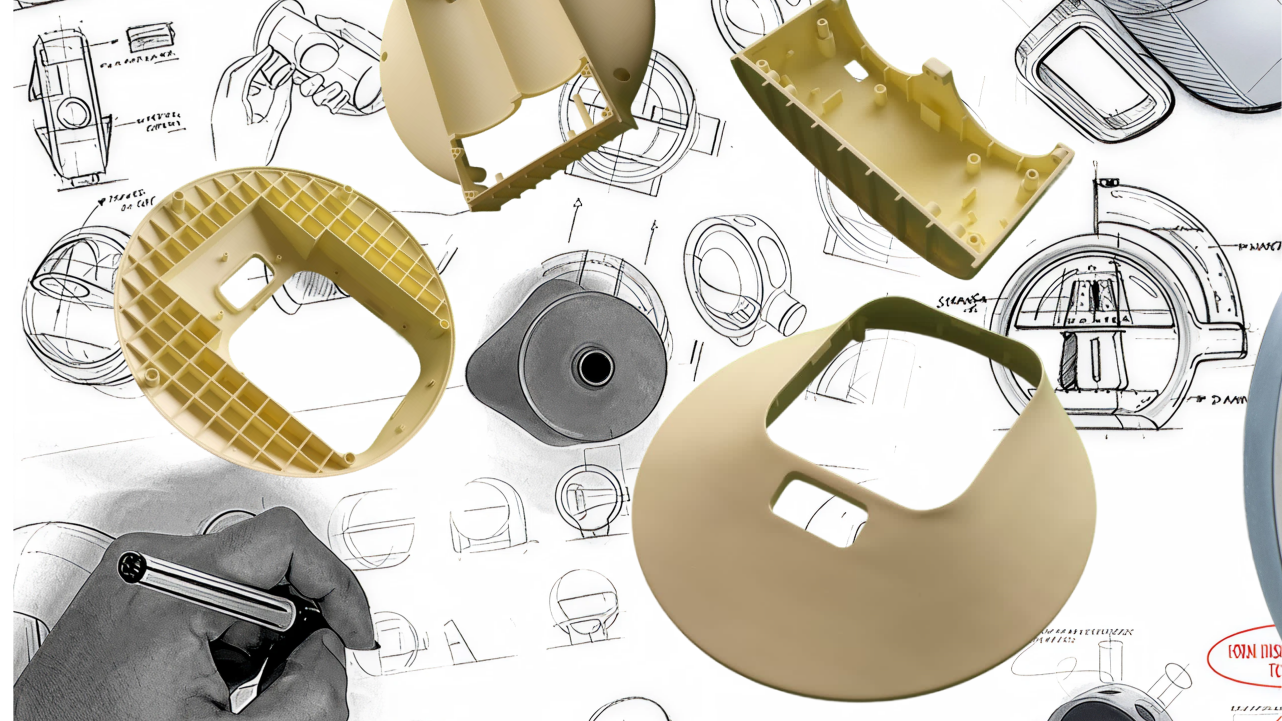
Exploded sketches of tea maker parts and mechanisms

Mechanisms and enclosures

Mechanisms, enclosures, tolerance and thermal analysis, engineered for your volume, process and price.

Phases 2–3
01 / 05Next ↓
A hand holding a dark cylindrical handheld device

Electronics and firmware coordination

PCB, battery, sensors and firmware coordinated with the enclosure from the start. Electronics roughly doubles the engineering, so we plan for it early.
02 / 05Next ↓
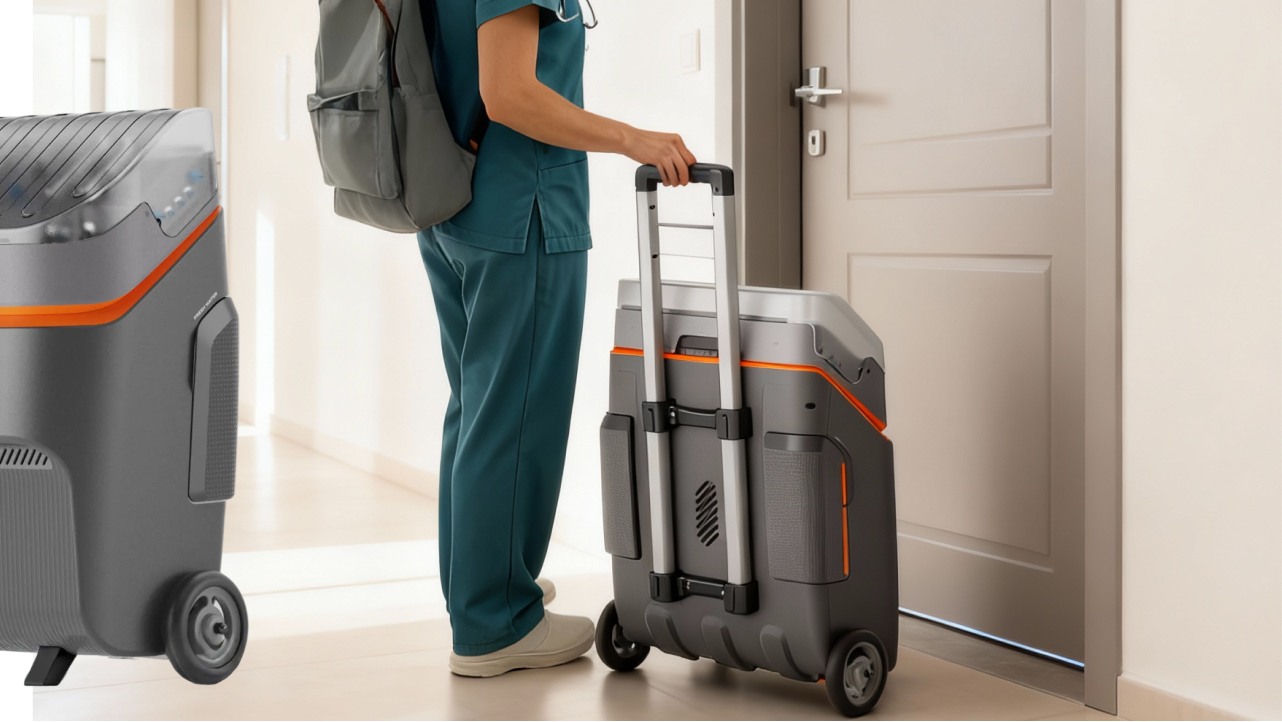
A clinician wheeling a portable dental unit through a doorway

Workshop builds and testing

Working prototypes built and tested in our Bengaluru workshop, with test reports, user feedback and a first BOM.

Phase 2
Explore prototyping and MVP
03 / 05Next ↓
A portable dental unit packed and wheeled like a suitcase

Production support

Vendor selection from 150+ partners, tooling reviews, first shots and QC with our Shenzhen team, until the product is coming off the line right.

Where it fits

Product engineering is phases 2 and 3 of Product Path™.

It removes two risks: that it doesn’t work, and that it can’t be made at a price that works. Together they usually take 18–30 weeks of working time.

Phase 1

Concept and strategy

Engineering joins at concept to check feasibility, cost and parts.

Phase 2

Engineering and prototyping

This service. Mechanical and electronics engineering, prototyped and tested.

Phase 3

Manufacturing and scaling

This service. DFM, vendors, tooling and certification, through first shots.

Phase 4

Launch

Production support while the first units ship.

Product engineering, phase by phase

How engineering runs, start to finish

Three stages, one team, from a working prototype to units coming off the line. Swipe or scroll sideways, or jump to a stage.

Engineer and prove it

Removes the risk that the design never works off the bench.
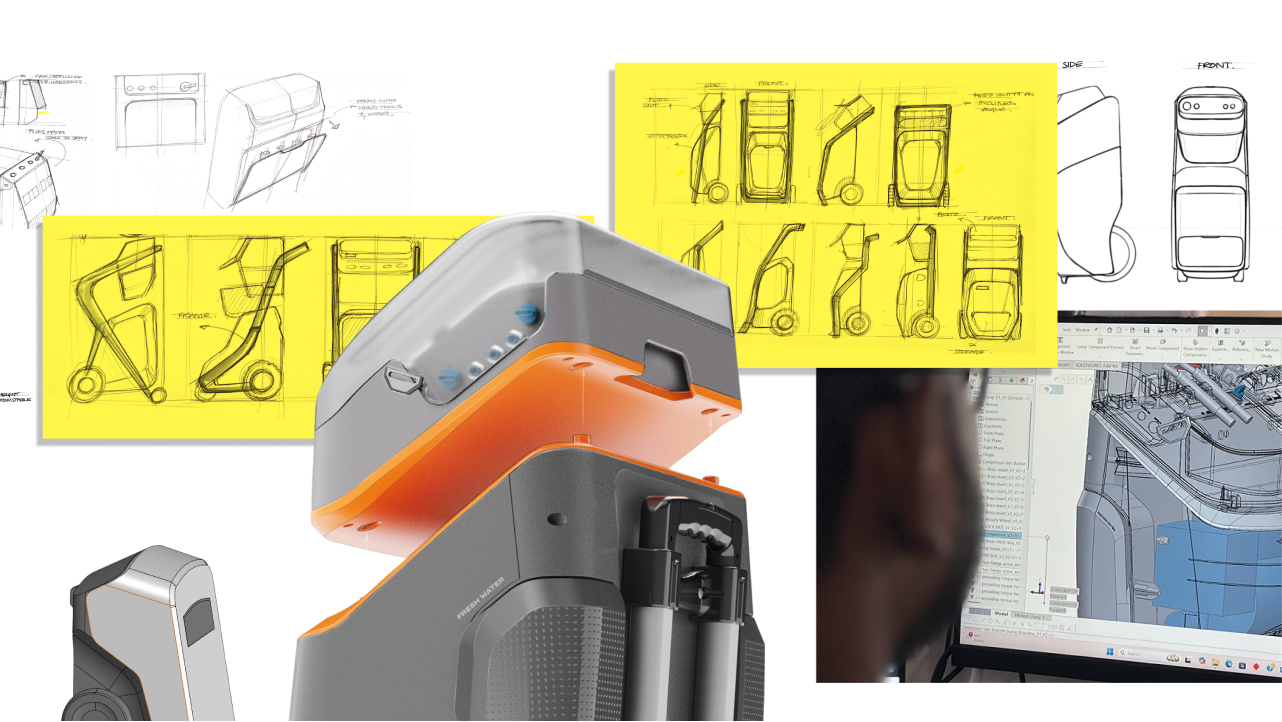
Engineering board for a portable dental unit with sketches and CAD
The decision

Do the mechanics, electronics and enclosure work together in a real prototype?

You walk away with

Engineered CAD, a tested prototype, electronics integrated with the enclosure, test reports and a first BOM.

How long

8–14 weeks

Good to know

We engineer with the factory process already chosen, so the prototype isn’t a dead end.

Make it manufacturable

Removes the risk that the factory changes it without you.
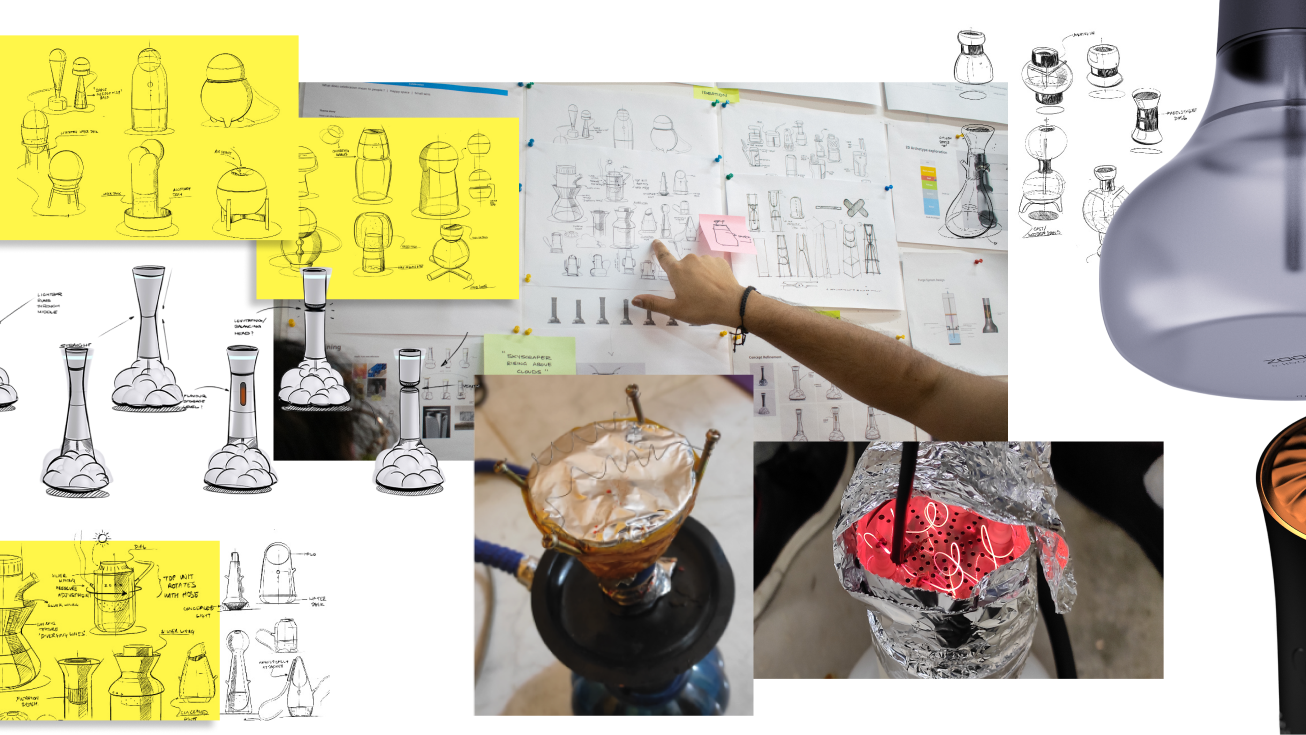
Engineering board for an electric hookah with part studies
The decision

Which process, which vendor and what unit cost at your volume?

You walk away with

DFM and tolerance analysis, manufacturing drawings, vendor quotes from our partners, a tooling plan and certification mapping.

How long

10–16 weeks

Good to know

Every change the factory asks for comes back through our engineers before it’s made.

See it through production

Removes the risk that problems surface after units ship.

A portable dental unit packed for transport beside its trolley
The decision

Do first shots and pilot units meet the drawings and the tests?

You walk away with

First-shot inspection, tooling corrections, QC checks and pilot-run support before mass production.

How long

Through your first production runs

Good to know

Our Shenzhen team is at the factory for first shots and the pilot run.

Is product engineering the right next step?

If you have a validated concept or a design and need it built, tested and made, yes.

A validated concept that now has to workProduct engineering
A design handed back by another firmProduct engineering
Electronics and enclosure designed by different teamsProduct engineering
No validated concept yetConcept design
Shipping already, with costs creeping upManufacturing optimization

What product engineering costs, before you have to ask

No hourly billing and no open-ended retainers. You get a custom proposal for the phases you need.

Product engineering spans phases 2 and 3 of Product Path™, about 18–30 weeks of working time. Each phase is priced as a custom proposal after a free call.

Each phase is scoped and priced separately, so you only commit to the next step.

What decides an engineering budget

Six things decide where your engineering budget lands.

Electronics on board

A product with a PCB, battery and firmware takes roughly twice the engineering of a mechanical one.

Part and mechanism count

Each unique part needs engineering, a drawing, a tool and a supplier.

Standards to meet

FCC, UL or ETL, and FDA for medical devices, shape the engineering early.

Finish and material choices

Premium finishes change tooling, yield and unit cost.

Inherited CAD

Work from another firm needs a review first. We’ll say what’s reusable.

Year-one volume

Hundreds and tens of thousands of units need different tooling and processes.

Factory and lab costs stay with the factory and lab

Tooling, certification tests and production units are invoiced to you directly, with no commission from us, and quoted before you commit.

Inheriting someone else’s design? Start with an engineering audit

A small fixed-fee sprint reviews existing CAD or a prototype in two or three weeks and tells you what to keep, fix or rebuild. Start a phase within six months and the sprint fee comes off the price.

Why founders choose a studio over a string of engineers

One team from CAD to factory

The engineers who design it are the ones who prototype it and stand at the factory for first shots.

A workshop and a factory team

Prototypes are built in our Bengaluru workshop, and four of us in Shenzhen follow the product through tooling.

Senior engineers, start to finish

About twenty people, on purpose. The engineers you meet are the ones who do the work.

Product engineering: separate contractors, a large firm, or us
QuestionSeparate contractorsA large engineering firmAnalogy
Who joins mechanics and electronicsYou doTwo departmentsOne team, in the same reviews
Who builds the prototypeA third vendorAn internal labOur own workshop in Bengaluru
Who is at the factoryNobodySometimesOur Shenzhen team, for first shots
Who you work withWhoever is freeAn account managerThe senior engineers doing the work

Product engineering for US founders, without the Bay Area price

Engineering for US founders, with the factory on the other side of the world.

US standards designed in

FCC, UL or ETL and FDA requirements are planned into the engineering, not discovered at the lab.

Engineering reviews on your clock

CAD reviews, test videos and factory updates arrive on your schedule.

One contract, not four

Engineering, prototyping, DFM and production support under one agreement, phase by phase.

Products we’ve engineered, by field

Medical and dentalAudioOutdoor gearKitchen appliancesLab equipmentWearables

Guides on engineering a product

Reading for founders moving from prototype to production. All articles

Product engineering questions, answered

Have an engineering question about your product? Ask us; an engineer replies within one working day.

What are product engineering services?

Product engineering turns a design into a product that works and can be manufactured: mechanical and electronics engineering, prototyping and testing, design for manufacturing and production support.

What do product engineering services include?

Mechanical engineering, electronics and firmware coordination, prototyping and testing, DFM and tolerance analysis, manufacturing drawings, vendor quotes, tooling plans, certification mapping and production support.

How much do product engineering services cost?

Product engineering spans phases 2 and 3 of Product Path™, about 18–30 weeks of working time. Each phase is priced as a custom proposal after a free call, based on the electronics, parts and standards involved.

How long does product engineering take?

Engineering and prototyping usually take 8–14 weeks and manufacturing preparation 10–16 weeks of working time, plus reviews and vendor lead times between them.

What is the difference between product design and product engineering?

Product design decides what the product is and how it looks and feels. Product engineering makes it work and makes it manufacturable. We do both in one team so neither undoes the other.

Do you engineer electronics and firmware?

Our engineers coordinate PCB and firmware work alongside the mechanical design, with specialist partners where a project needs them, so the board and enclosure fit and work together.

Can you take over a project from another firm?

Yes. We review what exists, keep what works and take it forward. Many founders come to us with a design or prototype that can’t be manufactured yet.

Do you stay involved once production starts?

Yes. Our Shenzhen team attends first shots and pilot runs, and our engineers handle tooling corrections and QC issues until units are coming off the line right.

When do you plan for certification?

From the start of engineering. Radio, safety and medical requirements shape the electronics and mechanics, so we map them early and design for them before tooling.

Do you engineer medical devices?

Yes. We’ve engineered dental and laboratory equipment, and plan for the relevant standards and FDA requirements early.

Who owns the engineering files?

You do. CAD, drawings, test reports and the BOM are yours, and we sign an NDA before you share anything sensitive.

Can you engineer for the US market from India?

Yes. About three in four of our clients are in the US and Europe. We design to US standards and review in your working hours.

Bring us the design that has to be made.

A validated concept, a prototype that works on the bench, or CAD that’s heading to a factory. In 30 minutes we’ll tell you what engineering it needs, how long it takes and roughly what it costs.

If your product needs a concept rethink before engineering, we’ll tell you.