150+ products shipped · 23 international design awards
Trusted by teams at




The Challenge
Great Technology Can Still Feel Like the Wrong Product.
A product can have excellent technology and still struggle to connect with customers. People experience the physical form first. They notice its proportions, surfaces, controls, materials, weight, interaction, and overall character before they understand the engineering behind it.
An Industrial design Firm brings these elements together into one intentional experience.
What it delivers: A clear product concept with a strong visual and physical direction, whether you arrive with a CAD file or just an idea.
Before we start refining surfaces in 3D, we get into the product itself. We look at your idea, users, technology, competitors, brand, and the environment where the product will actually be used.
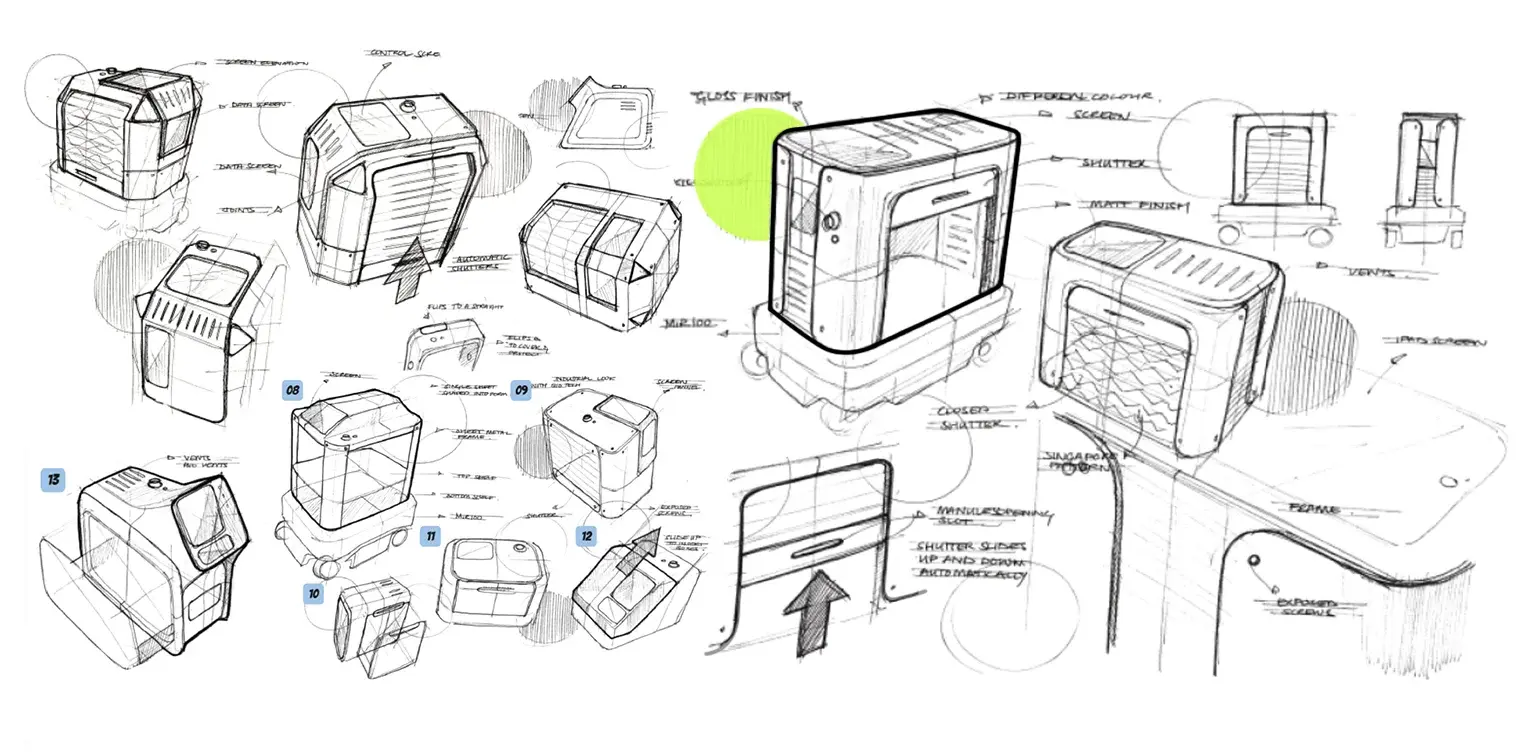
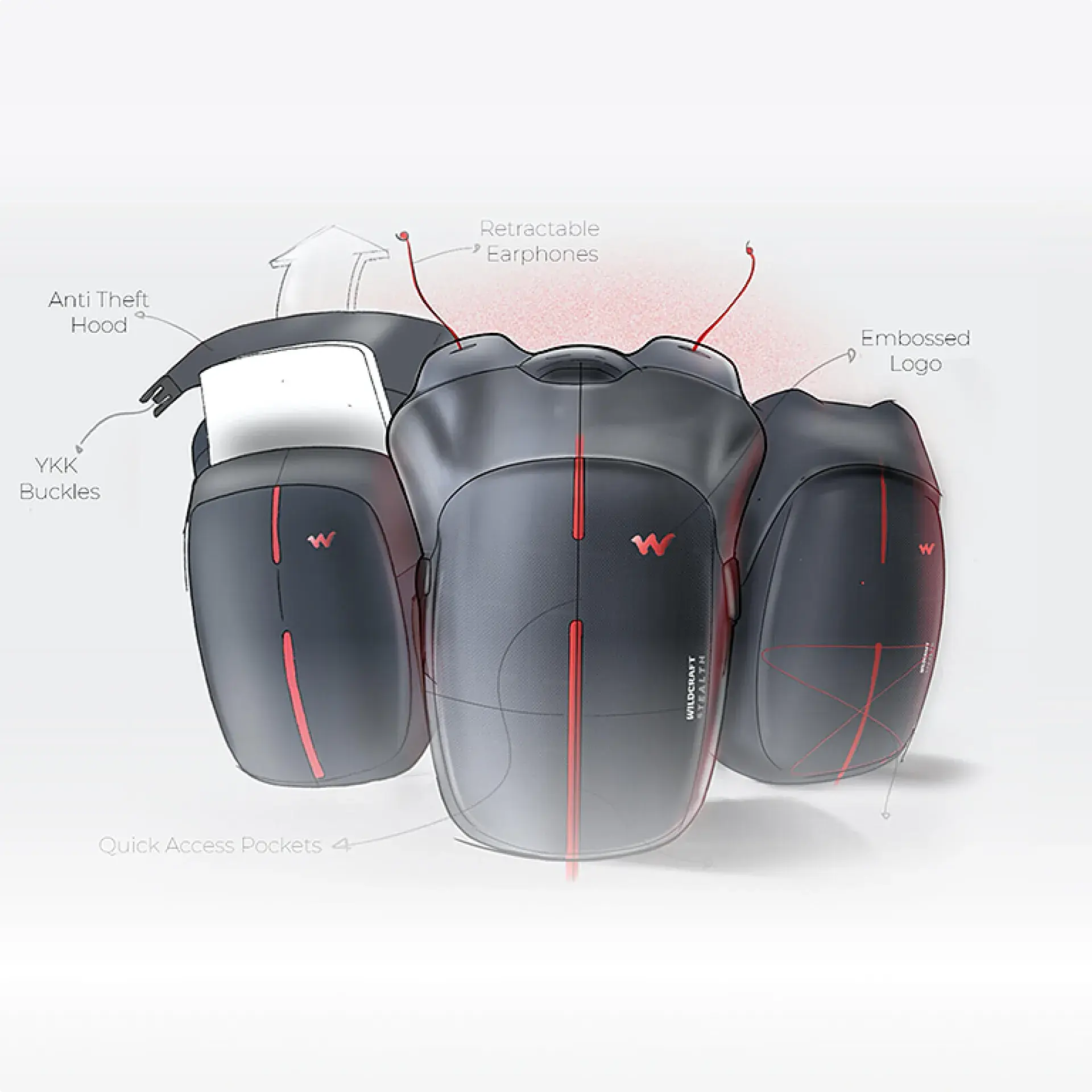
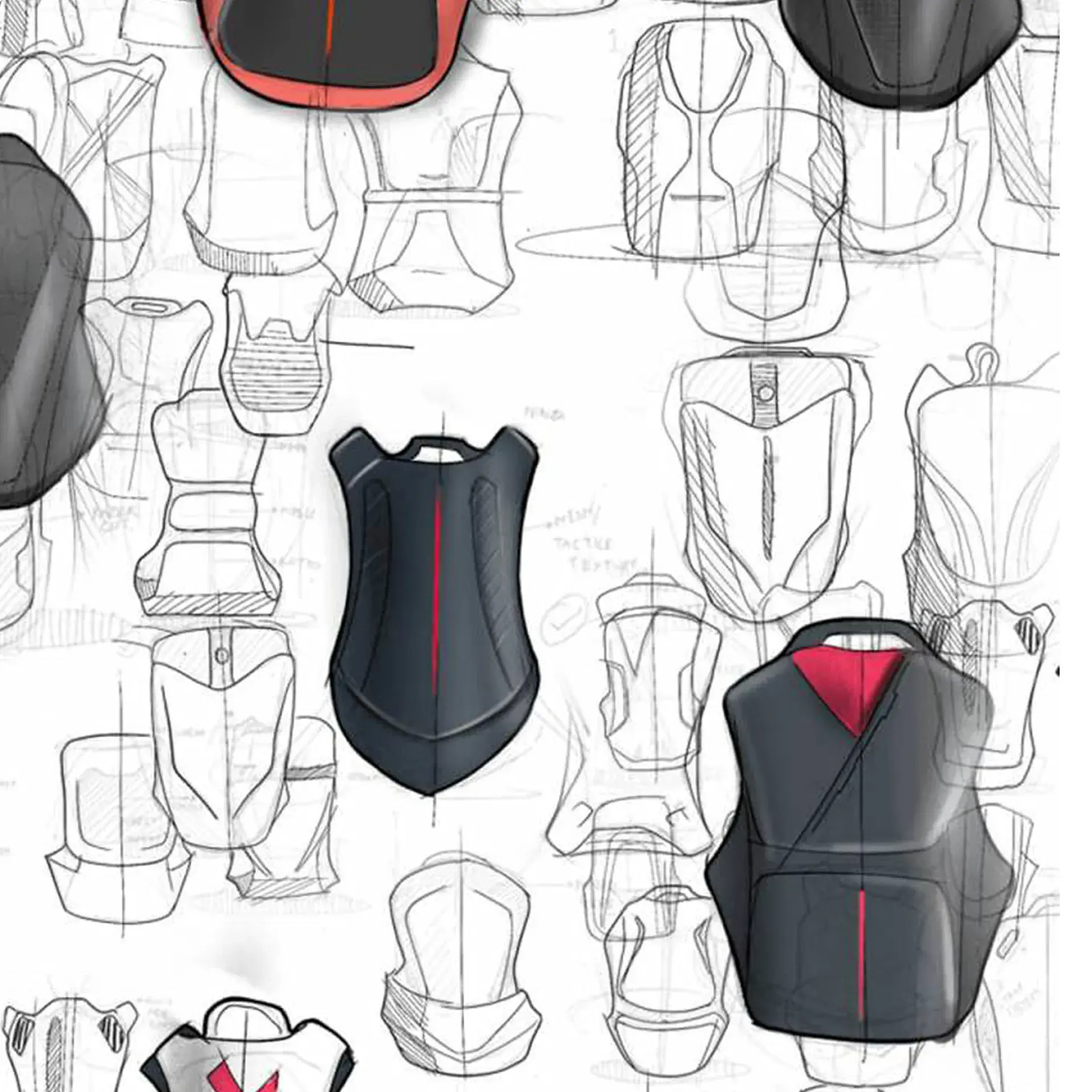
Then we start sketching and exploring. We work through different silhouettes, proportions, forms, interfaces, controls, grips, details, and design languages to find what makes your product feel distinctive. Some directions may be minimal, some technical, some bold, and some more approachable.
You see the possibilities early, compare different directions, and help us choose the one that feels right for your product.
What it delivers: An industrial design that looks right, feels right, and works around the technology inside.
This is where the chosen concept becomes a real product in 3D. We develop the proportions, surfaces, curves, part breaks, buttons, controls, displays, handles, seams, interfaces, and other details that give the product its character.
At the same time, we look at what is happening inside. PCB placement, batteries, displays, sensors, motors, speakers, connectors, and other components can all influence the exterior form. We work around those constraints while protecting the design intent.
Then we refine the human side of the product. Grip, reach, control placement, viewing angles, weight, access, and everyday interaction all become part of the industrial design.
What it delivers: A production focused design ready for engineering, prototyping, and manufacturing.
We use prototypes and physical development models to understand how the design feels at actual scale and where another round of refinement can make the experience better.
We review the details that affect manufacturing too, including materials, part breaks, wall thickness, assembly, fasteners, surface finishes, and production methods. Finally, we bring the form, ergonomics, CMF, components, details, and manufacturing considerations together into one coherent direction.
Your team gets an industrial design that is ready to move into the next stage with a much clearer understanding of what the finished product should look like, feel like, and become.
Industrial Design by People Who Actually Build & Launch Products
Analogy Design, an industrial design firm in the US, has earned 23 international design awards, including the Red Dot Award, along with recognition from the iF Design Award, Good Design, NY Product Design, European Product Design, German Product Design, IBDC, and Singapore Design Award.
We have contributed to 150+ products that have moved beyond the design stage and into the real world. That experience changes how we design. We understand the difference between a concept that looks impressive in a presentation and a product that needs to work in someone's hands, on a production line, and in the market.
Analogy's founder, Vyasateja Rao, brings over two decades of experience in industrial and product design. His international experience spans the United States, Hong Kong, China, Korea, Taiwan, Singapore, and India, bringing a global perspective to the products we develop.
23 awards. 150+ products shipped. Global brands. Two decades of experience.
Now let's put that experience behind your product.
The Numbers Behind Our Industrial Design Firm
250+
Products shipped
23
International design awards
$65M+
Funding raised
95%
Client satisfaction
21
Industries served
2-3 Days
First concept direction
World Class Industrial Design, Without the US Price Tag
We work with founders and product teams across the US, India, and international markets. You get direct access to the designers working on your product, rather than passing every decision through an account manager. That means faster conversations, clearer feedback, and a design process that stays closely connected to what you are actually trying to build. We also keep the engagement flexible. You can come to us with a sketch, CAD file, technical drawing, prototype, existing product, or simply an idea. We can start from where you are and help you figure out the right next step, whether that means exploring concepts, developing the industrial design, refining an existing product, or taking a design closer to manufacturing.
Your Product Doesn't Need to Be Finished to Start
Have a sketch? We can turn it into a product concept.
Have CAD? We can develop the form, ergonomics, materials, and details around it.
Have engineering underway? We can work alongside your technical team and develop the physical experience around the product architecture.
Have a prototype? We can evaluate what is working, refine the design, and prepare it for the next stage.
Have an existing product? We can rethink its form, usability, materials, finishes, and visual identity.
You do not need to arrive with a perfectly defined brief. You need a product opportunity worth exploring.
Not Sure Where Your Product Should Start?
Send us what you have.
A sketch.
A CAD file.
A prototype.
A technical drawing.
An existing product.
Or simply the idea in your head.
We'll look at where the product is today and help you identify the most useful next step.




.avif)

Learn more about Industrial Design
Industrial Design & Why It Matters Today
Industrial design is the meeting point of art, engineering and business strategy. It matters because everything about how a product looks, feels, functions and gets manufactured, from the curve of a handle to the placement of a single screw is made by a skilled industrial designer. Industrial designers study how people will hold, carry, switch on and eventually discard a product, then shapes every surface around those real behaviors. The best industrial design work stays invisible in a strange way, because a product that feels natural to use rarely draws attention to its own design. Instead, people simply reach for it again and again, buy it for a friend and trust the brand behind it. That quiet trust is the true measure of great industrial design.
What Work Does An Industrial Designer Actually Do
An industrial designer works on a project right from the rough idea through sketches, three dimensional models, prototypes and finally a manufacturing ready file. Along the way, they balance user needs, brand identity, material choices, cost targets and production methods inside a single coherent design. They research competitors and user behavior, translate that research into concepts, then refine the strongest concept through multiple rounds of feedback and testing. A great industrial designer also speaks the language of engineers and factory teams, so ideas survive the jump from screen to shop floor. This blend of creative and technical thinking is exactly why the role carries such weight inside a hardware company.
An industrial designer works on the following on every project:
1. Sketching and rapid concept generation, so many directions get explored quickly
2. Three dimensional CAD modeling for accurate, production ready shapes
3. Material and finish knowledge across plastics, metals, wood and composites
4. Design for manufacturing awareness, catching cost and tooling issues early
5. Prototyping skills, turning digital models into objects you can actually hold
6. User research instincts, keeping every decision grounded in real behavior
Trends Shaping Industrial Design Today
Industrial design trends shift alongside technology, sustainability pressure and changing buyer habits, and a handful of themes stand out this year. Sustainable materials and repairable products keep climbing in importance, as buyers increasingly favor brands that design for a longer product life. Compact, multi function products continue winning shelf space, especially in categories like home appliances and personal electronics where space stays limited. Smart features, sensors and small scale electronics now appear inside categories that stayed purely mechanical for decades, pushing industrial designers to collaborate closely with electrical engineers. Bold, distinctive color and material choices help newer brands stand apart from established players who tend toward safer, familiar palettes. Staying current with these shifts keeps a design studio relevant, and it keeps client products looking fresh rather than dated the moment they launch.
Hardware Industrial Design Versus Digital Product Design
Hardware industrial design carries a different weight than designing an app or a website, because a physical product has to survive drops, heat, moisture, shipping and years of daily use. Every material choice, seam, hinge and button on a hardware product connects directly to cost, durability and manufacturability, in a way pixels on a screen simply never do. This is why hardware industrial design demands designers who think in three dimensions and understand physics alongside visual composition. Founders building a physical product benefit enormously from working with a studio that lives inside hardware every day, rather than a generalist agency that treats hardware as a side category.
Where Design For Manufacturing Fits Into Industrial Design
Design for manufacturing, often shortened to DFM, sits inside almost every serious industrial design project we run. DFM industrial design practice means checking every part against real production methods, injection molding, sheet metal, die casting and more, long before a single tool gets cut. This step catches problems like undercuts, wall thickness issues and assembly conflicts while changes still cost almost nothing to make. Skipping this step is exactly how many first time founders end up with expensive redesigns after tooling has already started. Building DFM thinking into the design phase keeps timelines shorter, budgets predictable and quality consistent once mass production begins.
Frequently Asked Questions
Here are the answers founders commonly look for. If you can’t find what you’re looking for here, contact us below.
What is industrial design?
Industrial design is the process of shaping the appearance, usability, physical experience, and functionality of manufactured products. Industrial design brings together aesthetics, ergonomics, materials, technology, user behaviour, and manufacturing considerations.
A strong industrial design creates a product experience that feels intentional from the first interaction. It can influence how people understand a product, how comfortably they use it, and how strongly they connect with the brand behind it.
What do industrial design services include?
Industrial design services can include research, concept development, sketching, form exploration, 3D modelling, materials and finishes, ergonomic development, prototyping, and design refinement. The exact combination depends on the product and its development stage.
A project may begin with a simple idea and progress toward a detailed product direction. The process can also support existing products that require a visual refresh, improved usability, or a new design language.
What files and formats do I receive at the end of an industrial design project?
You receive a complete, manufacturing ready package rather than a single design file to figure out on your own. That typically includes native CAD files, detailed technical drawings, a bill of materials, surface and material specifications, and design for manufacturing notes any factory can work from directly. We also share formats suited to rapid prototyping and 3D printing, so you can hold a physical version early in the process.
When should I start industrial design?
Industrial design can begin during the earliest stages of product development. Starting early gives the team more freedom to explore the product experience before technical decisions become heavily fixed. Design can also begin later when a product already exists. In that situation, the focus may shift toward improving usability, refreshing the appearance, developing a stronger brand language, or preparing the next generation.
What makes a good industrial design?
A strong industrial design combines clarity, usability, aesthetics, differentiation, ergonomics, technical awareness, and manufacturability. The product should communicate its purpose quickly while creating a satisfying experience during use. Good design also supports the business behind the product. It can strengthen brand recognition, improve perceived value, create meaningful differentiation, and give the product a distinctive position within its category.
Can Analogy Design redesign an existing product?
Yes, existing products can be evaluated from the perspective of usability, form, ergonomics, materials, visual identity, interaction, and market positioning. This creates opportunities to improve the overall experience while maintaining important product requirements. A redesign can also help a mature product establish a fresh visual language. The process can explore new forms, materials, details, and user interactions while respecting the elements that customers already value.
How much do industrial design services cost?
Industrial design services get priced around the scope of a project rather than a flat rate, since a simple accessory and a complex electronic device demand very different amounts of design and engineering time. Factors like the number of concept directions, prototyping rounds and manufacturing complexity all shape the final quote. Most studios, including ours, prefer to scope your specific product before quoting a number.
Do I need a finished CAD file before starting an industrial design project?
A finished CAD file certainly helps a project move faster, though plenty of successful products started from just a sketch, a reference photo or a clear idea in someone's head. Our studio regularly begins concept industrial design work directly from those early, rough materials and builds the CAD from scratch as the project develops.
What matters far more than a polished file is a clear sense of who the product serves and what problem it solves.
How long does an industrial design project usually take?
An industrial design project usually takes 3 to 6 months, depending on the product complexity, but most projects move through discovery, concept design, refinement and final engineering over a period of several weeks to a few months. Simple products with fewer moving parts move faster, while complex electronics with multiple components and certifications take longer to finalize. Clear communication and quick feedback rounds from the client side keep any project moving at its best pace.
How does an industrial design agency help startups?
An industrial design agency gives startups a structured way to turn an early product idea into a clear physical concept. It can help define the product experience, visual identity, ergonomics, materials, and overall form. This can give founders stronger material for investor presentations, customer conversations, prototypes, engineering discussions, and future manufacturing. A well defined design direction also helps the team make decisions with greater confidence.
Do you offer industrial design services for founders based in the US?
Yes, we actively serve industrial design clients around the world, including founders and companies based in the US, Europe, and beyond. Working with an industrial designer in India gives local founders easy access to in person meetings, factory visits and faster iteration cycles when needed. At the same time, our remote process works smoothly for international clients across different time zones.