Mechanical design engineering built for the factory.

Mechanisms, enclosures, tolerance analysis and thermal design, engineered for the volume and price you need. Our engineers sit with the industrial designers and the factory team, so the product works, fits and can be made.

CAD and drawings are yours · Tested in our own workshop · NDA on request

Transparent CAD model of a mechanical assembly showing internal parts
4

processes we engineer for every week: moulding, sheet metal, die casting and textiles

5 L

rotary evaporator re-engineered for Aditya Scientific

8–14 wks

of engineering and testing before anything is tooled

0

handoffs between the engineers who calculate it and the ones who build and test it

Trusted by global brands and 80+ founders

  • Panasonic, an Analogy Design client
  • Google, an Analogy Design client
  • Unilever, an Analogy Design client
  • Mondelēz, an Analogy Design client
  • Maersk, an Analogy Design client
  • Aprilia Racing, an Analogy Design client
  • Marvel, an Analogy Design client
  • Borosil, an Analogy Design client
  • boAt, an Analogy Design client
Pankaj Jamwal, NPD Lead, CG GlobalNew product development leadPankaj JamwalNPD Lead, CG Global
“The experience with Analogy was excellent. I’d rate it 9 out of 10. They have good talent, leadership, and management, and they think deeply about technology and market research. They’re the best consultancy I’ve worked with.”

Read more client reviews

Most mechanical problems are designed in, early.

A snap fit that cracks, a hinge that loosens, a seal that leaks: each one was a decision made in CAD.

Mechanical engineering done late, or done without knowing how the parts will be made, turns into rework at prototype and scrap at production. We engineer mechanisms and enclosures for the process and volume from the start, and test them before tooling.

The hinge that wore out

Fine for fifty cycles in the studio. Not for five thousand in someone’s home.

The enclosure that couldn’t be moulded

Undercuts, thick walls and sink marks nobody checked for.

The product that ran hot

Heat from the board and battery with nowhere to go.

The stack-up that didn’t fit

Every part in tolerance, and the assembly still jams.

What mechanical design engineering includes

Five pieces of work, done by engineers who know the industrial design and the factory behind your product.

A massage backpack on a table showing its back panel

Mechanisms and moving parts

Hinges, latches, dials, pumps and drives designed, calculated and cycle-tested for the life your product needs.

Phase 2
01 / 05Next ↓
Detachable unit of a portable dental clinic with its orange latch

Enclosures and structure

Housings, ribs, bosses, snap fits and seals engineered for moulding, sheet metal or die casting, with draft and wall thickness right from the start.

02 / 05Next ↓
Storage compartments built into a wheeled dental unit

Tolerance and stack-up analysis

Tolerance stacks checked across the whole assembly, so parts that are each in spec also fit together at volume.
Phases 2–3
03 / 05Next ↓
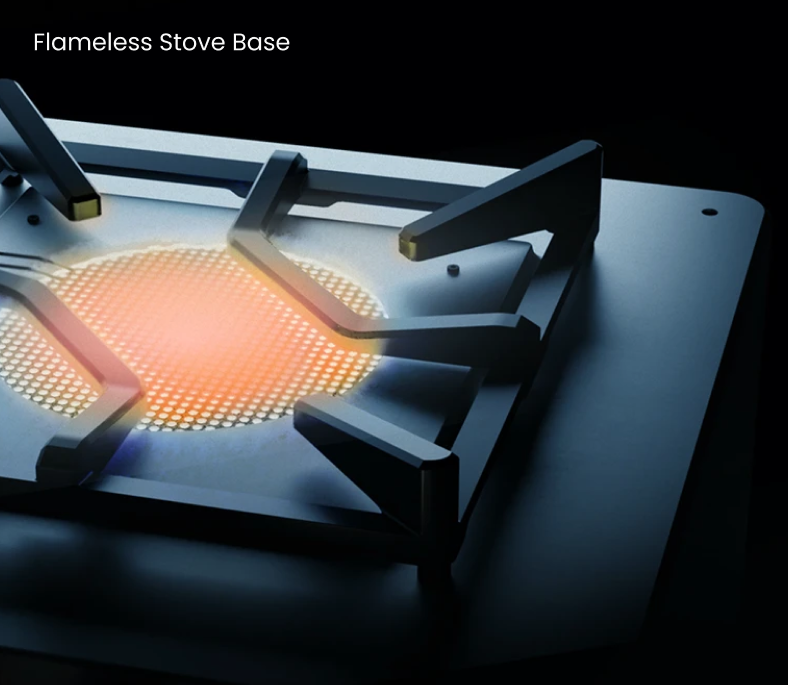
Flameless stove base glowing under its cooking grid

Thermal and electronics packaging

Board, battery and heat paths packaged with the enclosure, so the product stays cool, safe and the size you designed.

04 / 05Next ↓

Where it fits

Mechanical engineering runs through phases 2 and 3 of Product Path™.

It starts once the concept is validated and carries into manufacturing preparation, with the same engineers from the first mechanism to the first production run.

Phase 1

Concept and strategy

Mechanism and packaging risks are flagged while the concept is still flexible.

Phase 2

Engineering and prototyping

Mechanisms, enclosures and thermal design engineered and tested in the workshop.

Phase 3

Manufacturing and scaling

Tolerances, drafts and wall sections finalised for the tool and the process.

Phase 4

Launch

Pre-production checks so the mechanism works on unit ten thousand, not just unit one.

Mechanical engineering, step by step

How a mechanism gets engineered

From the architecture of the product to drawings released for tooling. Swipe or scroll sideways, or jump to a step.

Architecture

Removes the risk that the product can’t hold what’s inside it.
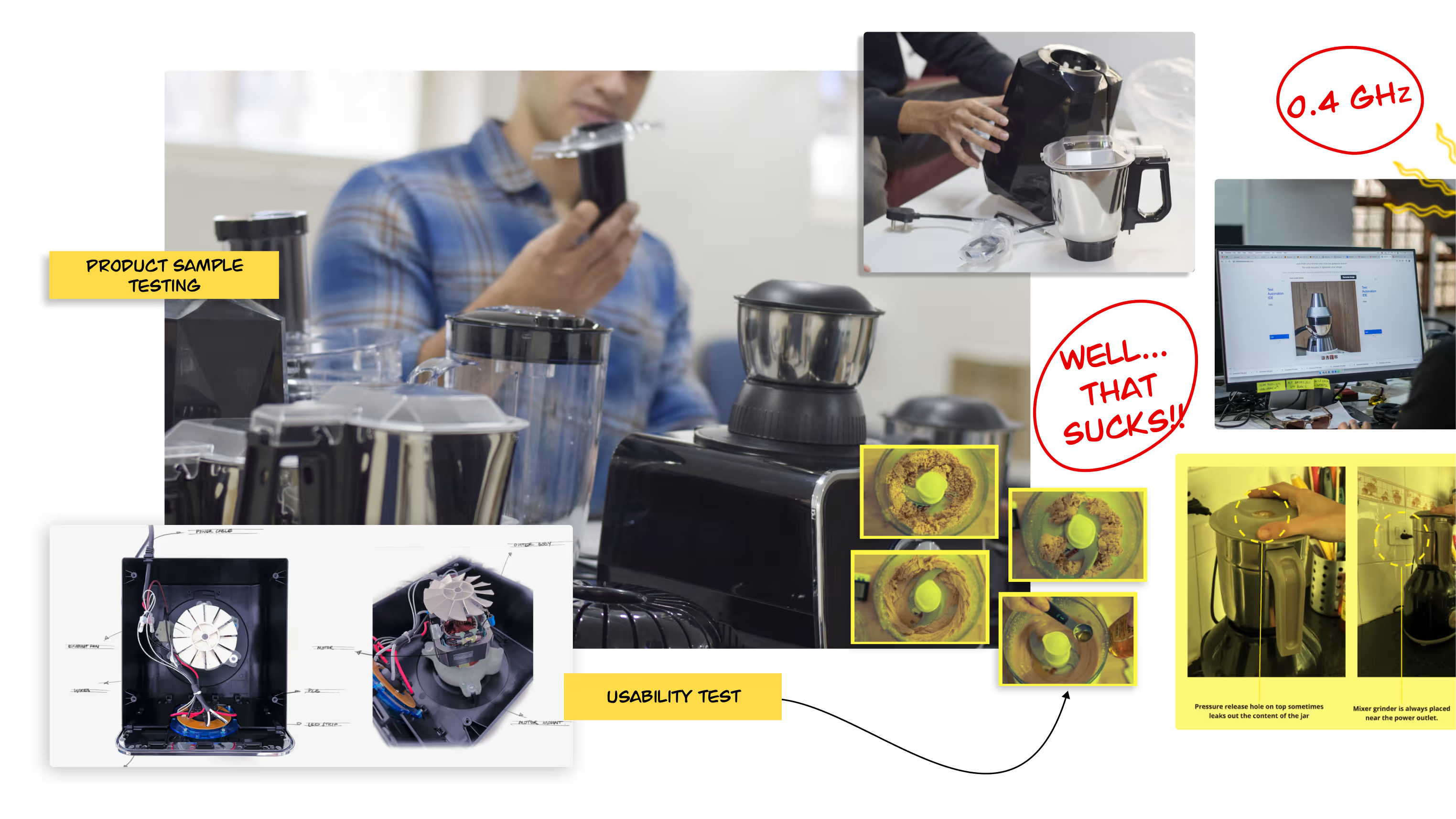
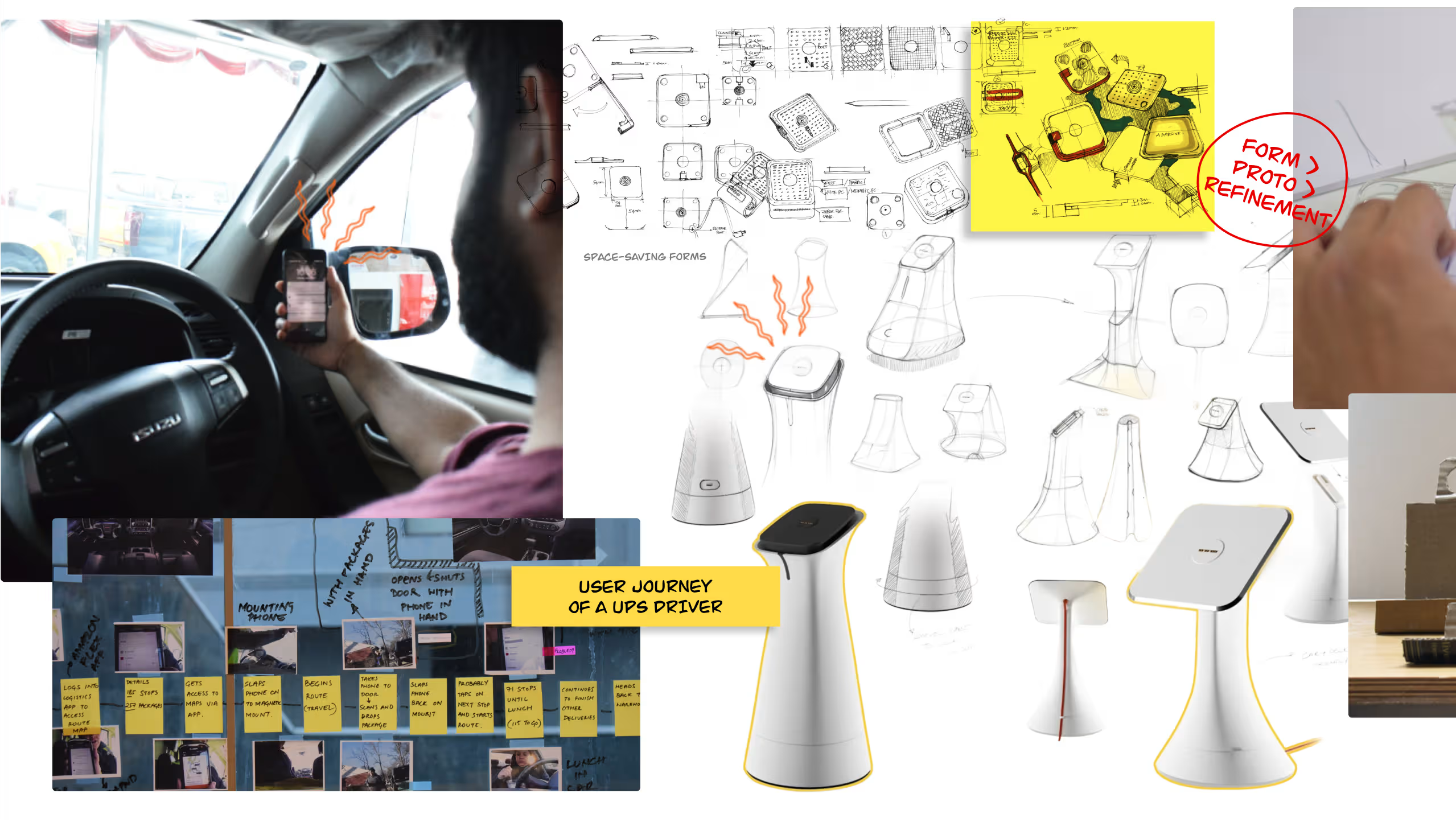
Engineering board for a kitchen mixer with sketches and test photos
The decision

How do the parts, mechanisms and electronics fit and move together?

You walk away with

A mechanical architecture, layout CAD, and material and process choices.

How long

1–2 weeks

Detailed engineering

Removes the risk that the mechanism wears out in month three.
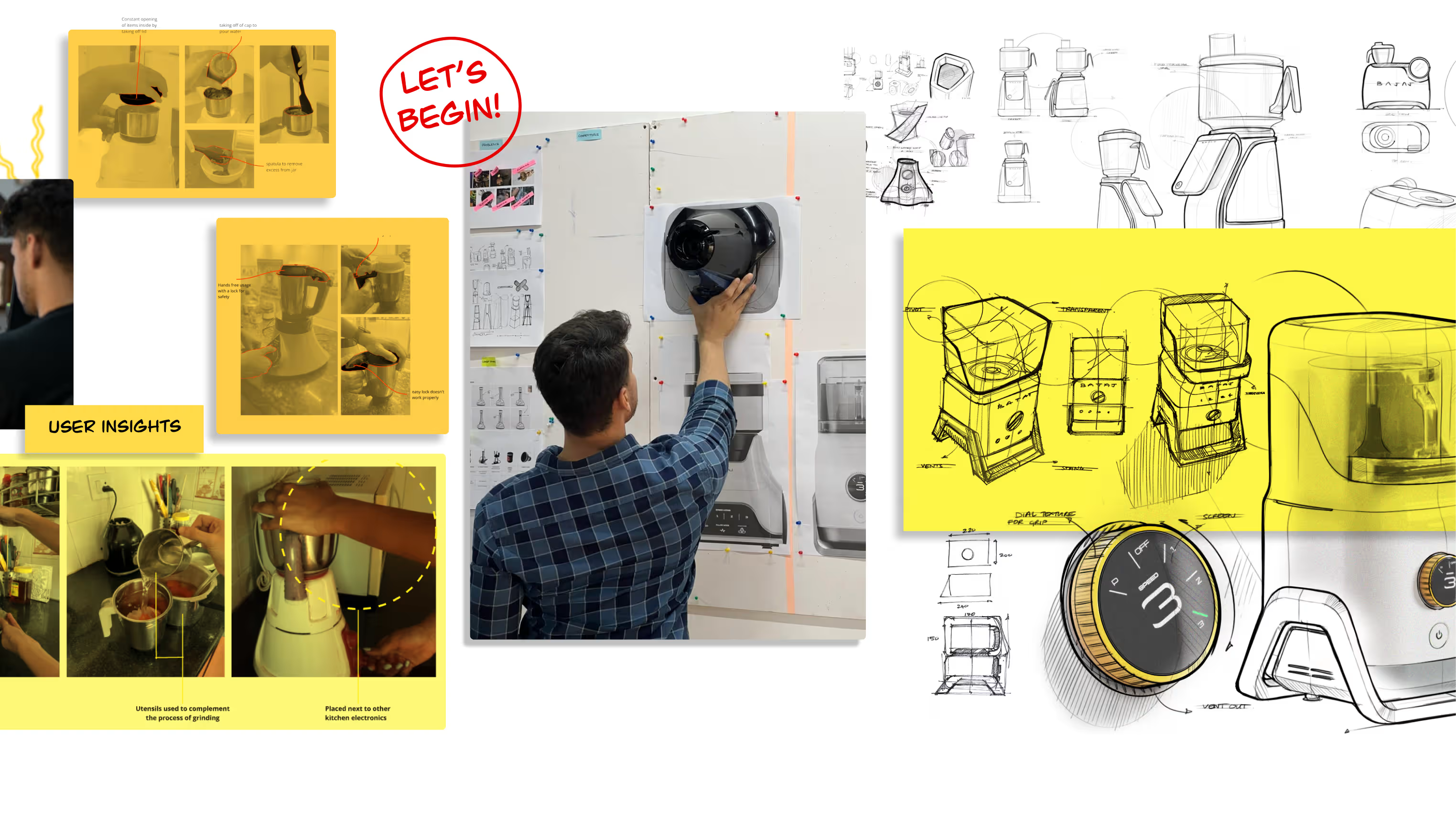
Board of mixer mechanism studies and prototype photos
The decision

Will every mechanism, fit and seal hold up at your target cost?

You walk away with

Detailed CAD, calculations, and tolerance and thermal analysis.

How long

3–5 weeks

Build and cycle-test

Removes the risk that a latch or hinge gives way in use.

Detail of the magnetic mount on a wireless car charger
The decision

Does it survive cycles, drops, heat and real use?

You walk away with

Prototypes, cycle, drop and thermal test results, and design changes.

How long

3–5 weeks

Good to know

Most new products need three to five prototype rounds.

Release for production

Removes the risk that tolerances stack up on the production line.
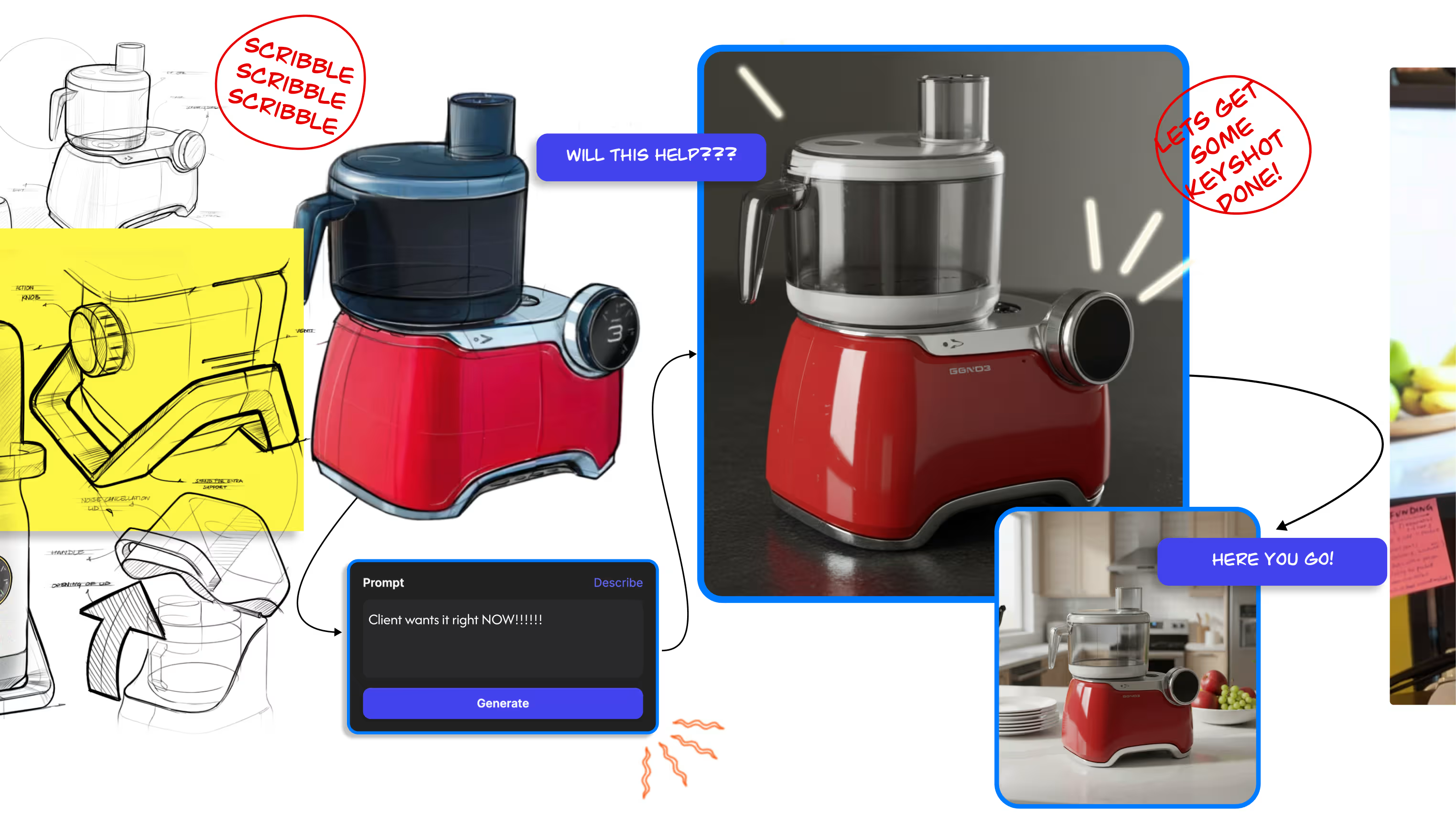
Mixer engineering board with CAD views and review notes
The decision

Are drawings, tolerances and specs ready for a factory to quote and tool?

You walk away with

Production CAD, manufacturing drawings, a production BOM and DFM sign-off.

How long

2–4 weeks

Service: design for manufacturing

Is mechanical engineering what you need?

If you have a design or a concept and need it to work, fit and be made, yes.

A design that looks right but nobody has engineeredMechanical design engineering
A hinge, latch or motor that keeps failingMechanical design engineering
A product that runs hotMechanical design engineering
A form you haven’t settled yetIndustrial design
Engineering done and tooling nextDesign for manufacturing

What mechanical engineering costs, before you have to ask

Engineering is scoped by mechanism and process, not billed by the hour. After a free call you get a custom proposal.

Mechanical engineering is part of phases 2 and 3 of Product Path™, which usually take 8–14 and 10–16 weeks. If you only need engineering on an existing design, we scope it as a custom proposal after a free call.

Scope and price are agreed before work starts, and you own all CAD and drawings.

What drives mechanical engineering effort

Where your engineering work lands comes down to six things.

Mechanisms in the product

Every hinge, latch, pump or motor adds calculation, testing and tooling time.

Electronics and heat

Boards and batteries add packaging and thermal work.

Manufacturing processes

A moulded part, a sheet metal chassis and a die-cast frame each need their own rules.

Tolerances

Tight tolerances cost more to make, so we tighten only where it matters.

Safety standards

Mains-powered, medical and children’s products add standards the mechanical design must meet.

Your existing CAD

Clean CAD we can build on shortens the work. Messy CAD may be quicker to rebuild.

Tooling and lab tests, quoted to you directly

Mould makers and test labs invoice you, not us, and we take nothing on top. We get the quotes before steel is cut.

Stuck on one mechanism? Start with an engineering sprint

A small fixed-fee sprint solves one engineering problem in two or three weeks, such as a hinge that wears, a latch that slips or a product that runs hot. Start a phase within six months and the sprint fee comes off the price.

Why founders engineer with a studio, not a freelancer

Engineers who sit with the designers

The form and the mechanism are worked out together, so neither gets compromised late.

Built for the process

We engineer for moulding, sheet metal, die casting or textiles from the first CAD.

Tested in our own workshop

Cycle, drop and thermal tests in Bengaluru, before money goes into steel.

Mechanical engineering: a freelancer, an engineering firm, or us
QuestionA freelance CAD engineerAn engineering services firmAnalogy
Who protects the industrial designNobodyNot their briefDesigners sit in every engineering review
Who builds and tests the mechanismYou arrange itSometimes, at extra costOur Bengaluru workshop
Who checks it can be tooledThe factory, laterA separate DFM stepThe same engineers, against the real process
What you receiveCADCAD and drawingsCAD, drawings, test results and tolerance analysis

Mechanical engineering for US founders, without the Bay Area price

Engineering reviews work well across time zones when the files and the tests are shared. Here’s how.

Engineering reviews you can follow

CAD walk-throughs and test videos are reviewed live in your working hours.

Standards for the US market

UL, ETL and other safety requirements are designed into the mechanics, not patched on later.

Files in the formats you use

Native CAD plus STEP and PDF drawings, ready for US suppliers.

Mechanisms we’ve engineered across

Lab equipmentCar accessoriesFitness equipmentDental devicesCommercial kitchensBags with electronics

Guides on engineering for manufacturing

Engineering reading from the people who do it. All articles

Mechanical engineering questions, answered

Have an engineering question about your design? Ask us; an engineer replies within one working day.

What is mechanical design engineering?

The engineering of a product’s physical parts: mechanisms, enclosures, structures, fits, seals and heat paths, designed so the product works reliably and can be manufactured at volume.

What do mechanical design engineering services include?

Mechanical architecture, mechanism design, enclosure engineering, tolerance and thermal analysis, prototyping and testing, and production CAD and drawings.

How much does mechanical design engineering cost?

It’s part of phases 2 and 3 of Product Path™. If you only need engineering on an existing design, we scope it as a custom proposal after a free call, based on the parts, mechanisms and processes involved.

How long does mechanical engineering take?

Engineering and prototyping usually take 8–14 weeks, and preparing for manufacturing another 10–16 weeks of working time.

Can you work from our existing CAD?

Yes. We review it, keep what works and engineer the rest. We deliver native CAD and neutral formats such as STEP.

Do you do tolerance and stack-up analysis?

Yes, across the full assembly, so parts that are each in spec also fit together reliably at volume.

Can you engineer products with electronics?

Yes. We package boards, batteries, sensors and heat paths with the enclosure, coordinating with the PCB and firmware work.

Do you test mechanisms before tooling?

Yes. We build printed and machined prototypes and run cycle, drop and thermal tests in our Bengaluru workshop before money goes into steel.

Do you engineer medical or regulated products?

Yes. We’ve engineered dental and laboratory equipment, and plan for the relevant standards and FDA requirements from the start.

Which manufacturing processes do you design for?

Injection moulding, sheet metal, die casting, machining and soft goods. We choose the process with you based on volume, cost and finish.

Who owns the CAD and drawings you produce?

You do. All CAD, drawings and calculations are yours, and we sign an NDA before you share anything sensitive.

Do you engineer for US standards?

Yes. We design for UL, ETL and other US requirements where they apply, and review engineering with US founders in their working hours.

Bring us the mechanism that has to work every time.

A design that needs engineering, a prototype that breaks, or CAD that’s about to go to a factory. In 30 minutes we’ll tell you where the risks are and what it takes to fix them.

If your design needs rethinking before it can be engineered, you’ll hear that from us.