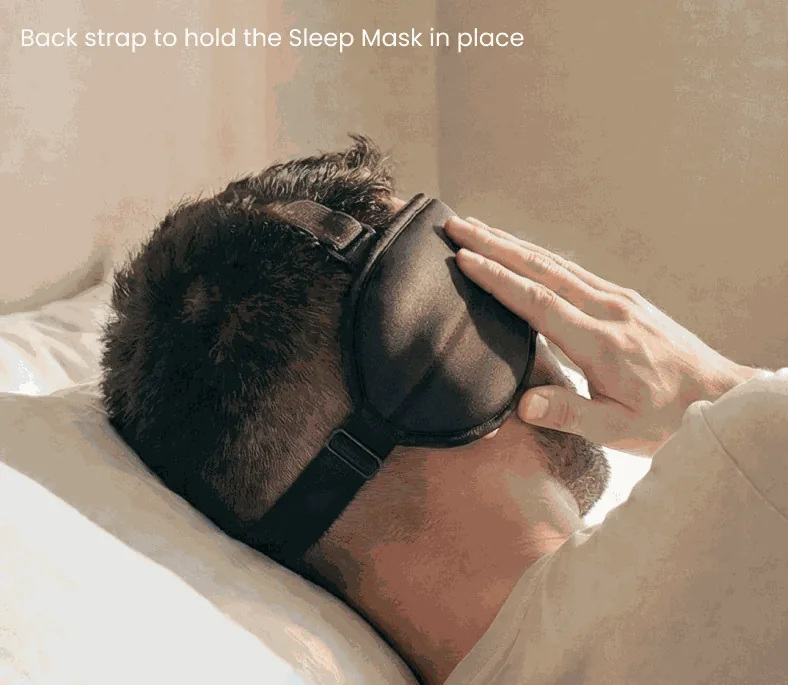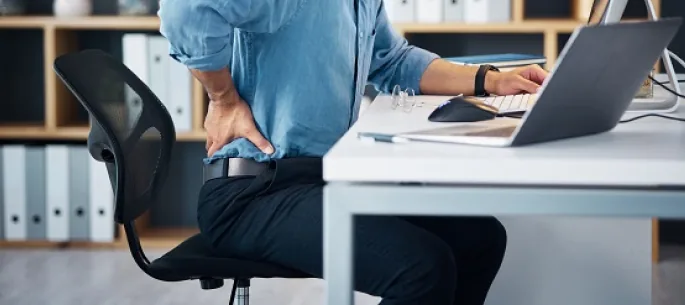
Ergonomic research
Who uses it, where, for how long and with what: user observation, body-size data and task analysis to set the right dimensions from the start.
How a product is held, worn, carried, opened and cleaned decides whether people keep using it. We research, model and test ergonomics with real users, then design it in, so comfort survives engineering and manufacturing.
Tested with real people in foam and print · NDA on request · Reply within one working day

body sizes the EUME backpack was fitted on before tooling
patented back mechanism, designed around the spine
industries, from wearables to medical devices
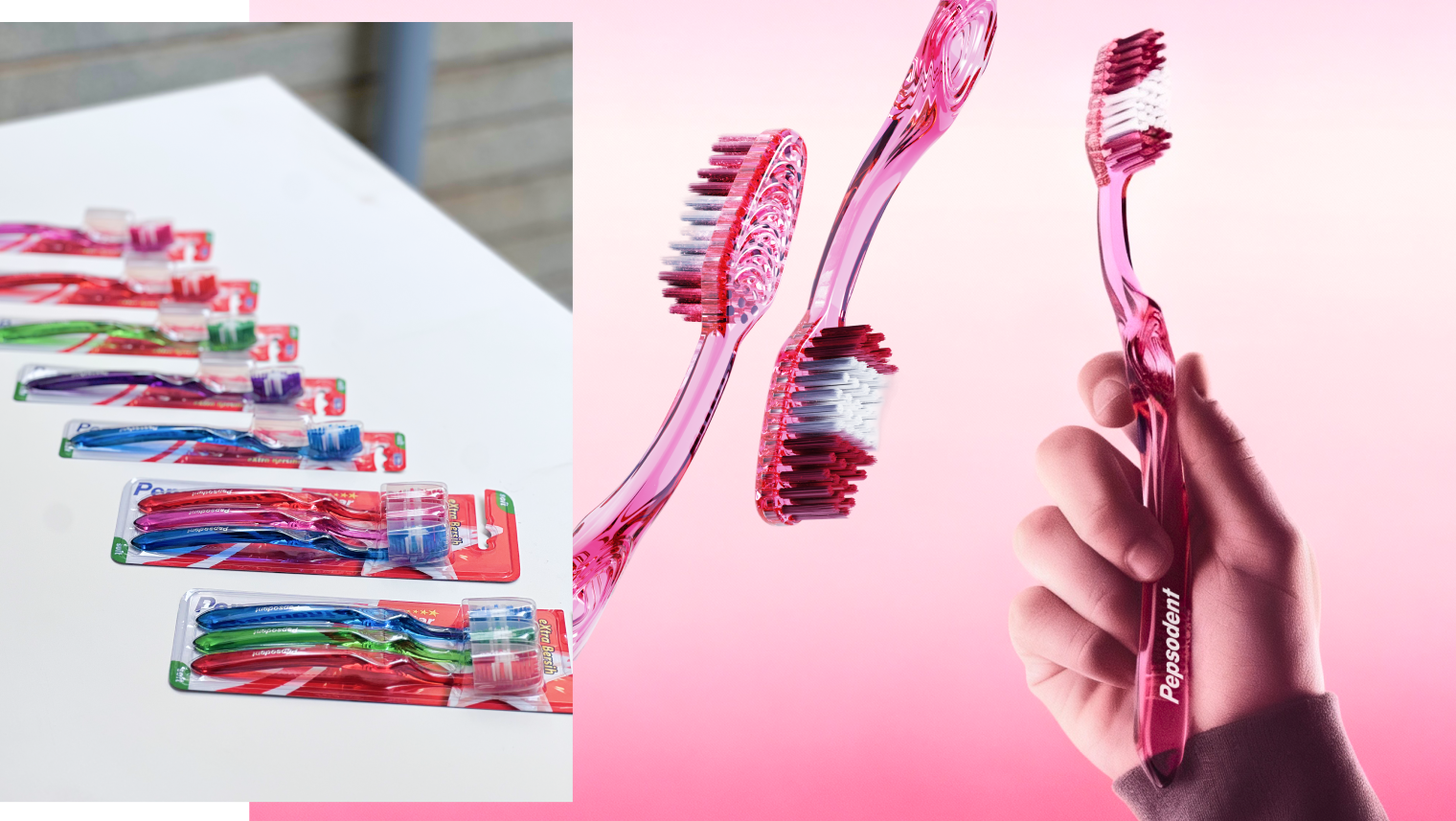
trusted us with the grip of a mass-market Pepsodent toothbrush
Trusted by global brands and 80+ founders
Product chief, outdoor gearBhupinder SinghChief Product Officer, Wildcraft“This journey was a discovery for me and our teams, setting the tone for future products and connecting us with consumers. Thanks to Analogy for their support and excellent work.”
Nobody writes a review saying the grip was four millimetres too wide. They just stop using it.
Ergonomics is usually checked at the end, on a finished prototype, when changing it means redesigning everything. We bring it in at concept, test it with foam and printed models while it’s cheap, and keep checking it through engineering.
Looks balanced in CAD, tires the hand in ten minutes.
Designed around the team’s hands and bodies, not the people who will buy it.
Small details people touch every day decide whether they love the product.
Ergonomics added late usually means a bigger, clumsier product.
Five pieces of work that make comfort and usability a design input, not a late correction.

Who uses it, where, for how long and with what: user observation, body-size data and task analysis to set the right dimensions from the start.
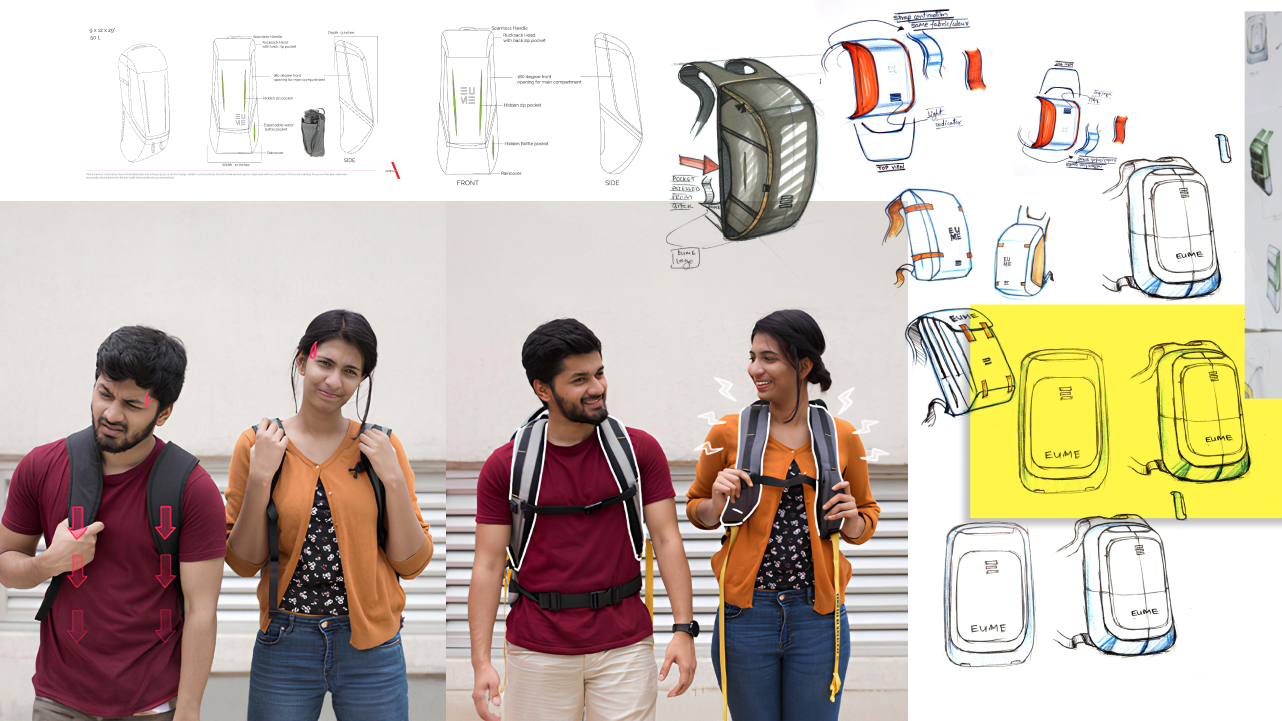
Quick foam, card and 3D-printed models to test grip, reach, weight and posture, the cheapest ergonomic test there is.
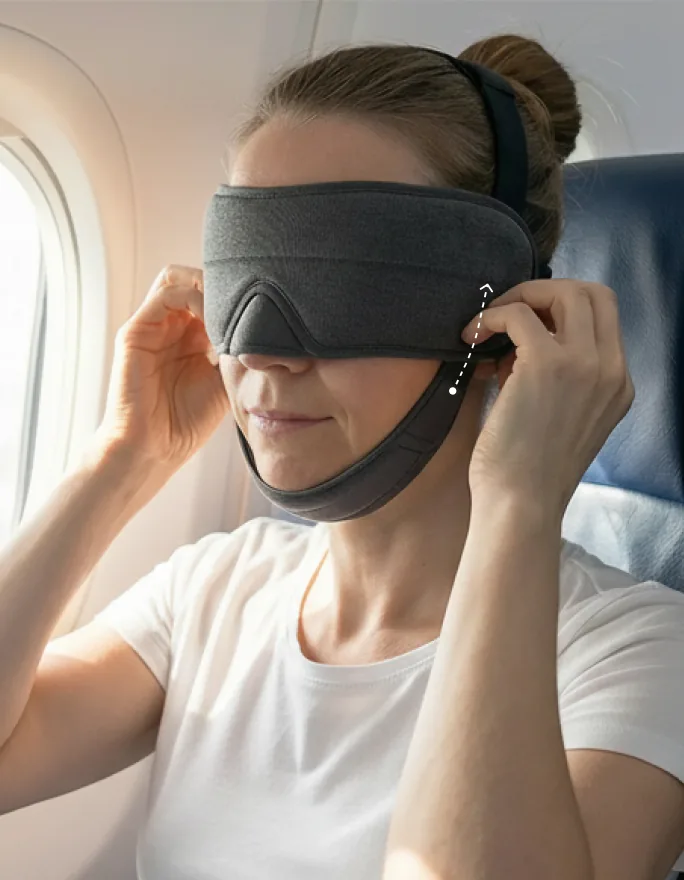
Real users try real tasks with each round of models, so decisions come from how people move, not opinions.
Findings turned into form, controls and mechanisms with our industrial designers and engineers, checked against what the factory can make.

A final ergonomic check on working prototypes before tooling, so comfort isn’t traded away in the last engineering changes.

Where it fits
It starts with research in concept and is checked again on every prototype. When we design your product, it’s included in phase pricing.
This service starts here: research, body data and foam models before the form is fixed.
Printed models and prototypes tested with the people who will use them.
Fit and comfort protected through tooling, materials and soft-goods production.
Comfort claims you can make on the box, backed by real tests.
Ergonomics, step by step
How a product is fitted to real people, from observation to validation. Swipe or scroll sideways, or jump to a step.
Removes the risk that you design for the wrong body.
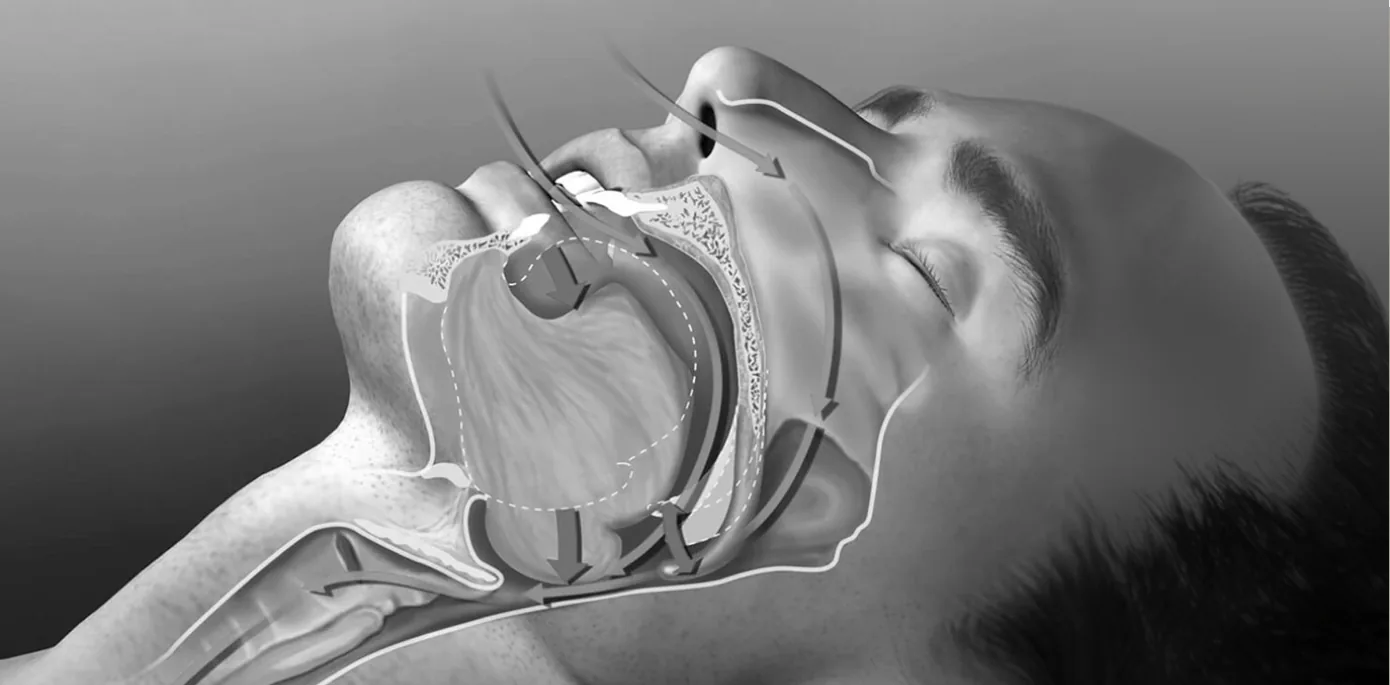
Who uses it, how, where and for how long?
User observation, task analysis and target dimensions.
1–2 weeks
Removes the risk that you commit to a shape that tires the hand.

Which forms feel right in the hand, on the body or at the counter?
Rounds of foam and printed models, each tested with users.
1–3 weeks
Removes the risk that comfort gets lost in engineering.
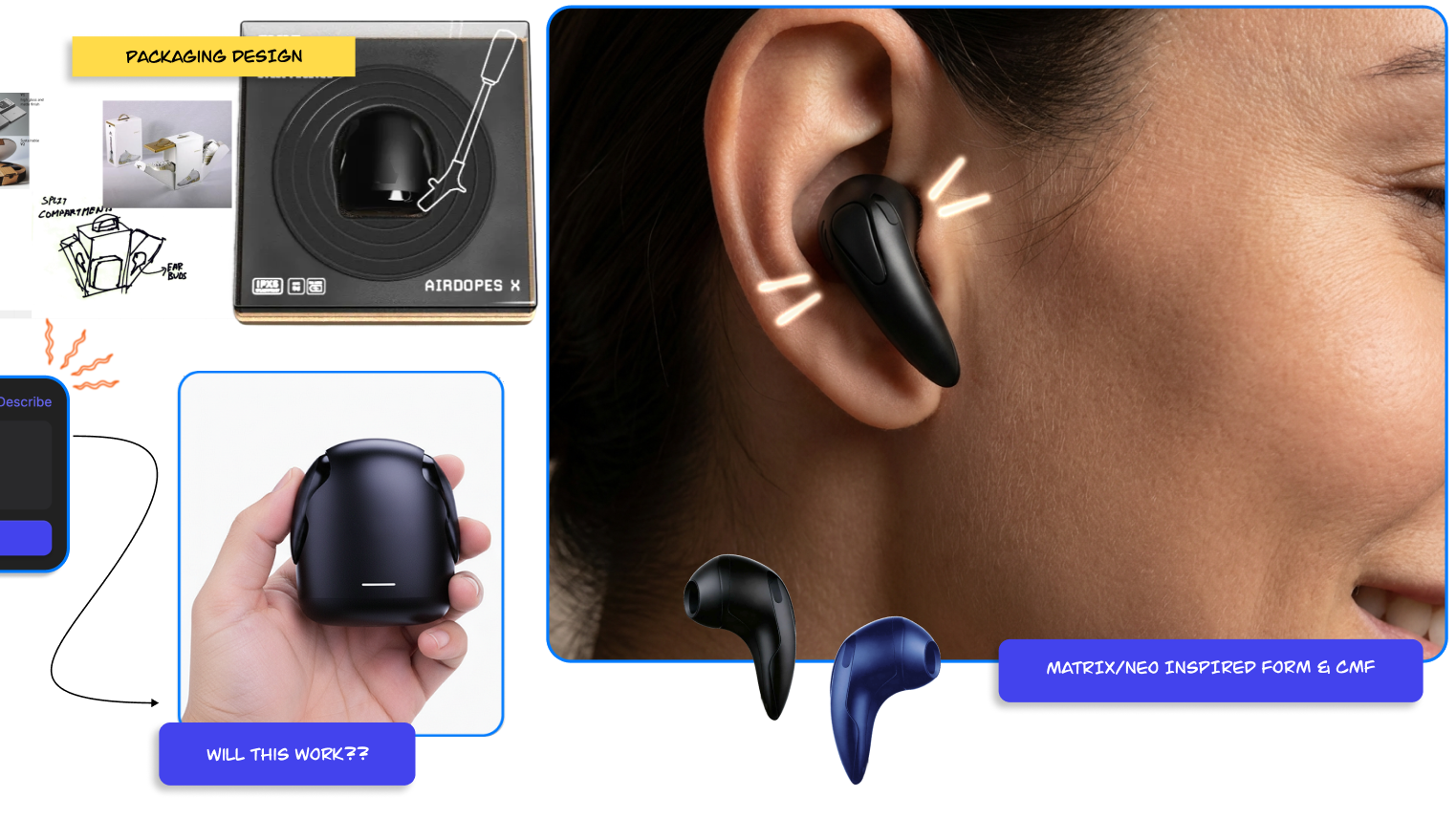
Do the form, controls and mechanisms carry the ergonomic findings?
Refined CAD with ergonomic requirements built in, reviewed with engineering.
2–4 weeks
Removes the risk that people stop using it.

Does the working prototype pass with real users?
An ergonomic test report on working prototypes and final design changes before tooling.
1–2 weeks
If people will hold, wear or use your product for long, ergonomics belongs at the start. Here’s where we’d point you.
No hourly billing. When we design your product, ergonomics is part of the phase price.
Ergonomics is included in Product Path™ phase pricing when we design your product. For an ergonomic review or redesign of an existing product, we scope a custom proposal after a free call.
Scope and price are agreed before work starts.
Where your ergonomics work lands comes down to six things.
Children, older users or clinicians each need their own research and testing.
Most products need a few rounds of foam and printed models.
Studio tests are quickest. Homes, clinics or workplaces take longer and tell you more.
Products worn on the body need fit testing across sizes.
Clinicians, patients and children each bring standards and documentation to plan for.
An existing product or prototype can go straight into user testing.
Research findings, target dimensions, test results and design changes, all yours to use with us or anyone else.
A small fixed-fee sprint tests your current product or prototype with real users in two or three weeks and tells you what to change. Start a phase within six months and the sprint fee comes off the price.
Findings go straight into the CAD, not into a report nobody reads.
The cheapest models catch the most expensive mistakes.
Backpacks, glasses, toothbrushes, fitness equipment and medical devices.
| Question | A human factors consultant | A freelance designer | Analogy |
|---|---|---|---|
| Who turns findings into design | A report you pass on | One person’s judgement | The same team that tests it designs it |
| How fit is tested | Lab studies | On themselves | Foam and printed models with real users, in context |
| Who checks it can be made | Not in scope | Rarely | Our engineers, before the design is fixed |
| Body-worn experience | Varies | Varies | Backpacks, sleep masks, eyewear and earbuds |
Fit testing needs US users when your buyers are in the US. Here’s how we run it.
We send models to US users and run remote fit sessions with them and you.
Target dimensions are set against the population you sell to, not the one we sit in.
Test results and target dimensions are written up for your team, investors or regulators.
Reading on designing for real people. All articles
Have a fit or comfort question? Send it, with photos of the product if you can.
Product ergonomics designs a product around the people who use it: their bodies, movements, strength and habits, so it’s comfortable, safe and easy to use.
User research and task analysis, target dimensions, foam and printed models, user testing, design changes with our industrial designers and engineers, and validation on working prototypes.
They overlap. Ergonomics is often used for physical fit and comfort, human factors for how people perceive, decide and make mistakes. We look at both.
Ergonomics is included in Product Path™ phase pricing when we design your product. A review or redesign of an existing product is scoped as a custom proposal after a free call.
Usually a few weeks within concept and industrial design, plus a validation round on working prototypes before tooling.
At concept, before the form is fixed. That’s when changes cost almost nothing.
Yes. We test what you have with real users, find what causes discomfort or confusion, and redesign it with your existing tooling in mind where possible.
With foam, card and 3D-printed models early, and working prototypes later, tested with real users doing real tasks.
Yes. We’ve designed for clinicians and patients, including a mobile dental clinic, and plan for the relevant standards from the start.
Yes, including smart glasses, backpacks and products worn on the body, with fit testing across sizes.
You do. Research findings, target dimensions, test results and design changes are yours, and we sign an NDA before you share anything sensitive.
Yes. We ship models to US users and run remote fit sessions, so the product is shaped for the people who will buy it.
A concept, a prototype that feels wrong, or a product with comfort complaints. In 30 minutes we’ll tell you what to test, what to change and roughly what it costs.
If your product needs a bigger rethink than ergonomics can fix, we’ll say so.