Manufacturing optimization for products already shipping.

Your product is in production, and the unit cost, the defect rate or the factory isn’t where it needs to be. We tear it down, redesign what’s costing you, and work with the factory, ours or yours, until the numbers move.

Works with your existing factory · No commission on tooling · Audit in 2–4 weeks

Overhead view of a cook using a modular commercial stove
6

modular blocks replaced dozens of SKUs for Agnisumukh

2–4 wks

for an audit that ranks every fix by saving and effort

2–3 wks

for a cost teardown of one product and its BOM

1

shared platform behind every fan variant in our home appliance range

Trusted by global brands and 80+ founders

  • Panasonic, an Analogy Design client
  • Google, an Analogy Design client
  • Unilever, an Analogy Design client
  • Mondelēz, an Analogy Design client
  • Maersk, an Analogy Design client
  • Aprilia Racing, an Analogy Design client
  • Marvel, an Analogy Design client
  • Borosil, an Analogy Design client
  • boAt, an Analogy Design client
Hari Rao, Founder, Agnisumukh Energy SolutionsFounder, commercial kitchen equipmentHari RaoFounder, Agnisumukh Energy Solutions
“Analogy Design crafted a new brand identity and a comprehensive product range for global cuisines. Their iterative approach fostered innovation, allowing us to incorporate global feedback into a unique kitchenware line. The diverse range was strategically designed with users in mind, consistently surpassing our expectations.”

Reviews from our other clients

In production, small problems repeat on every unit.

A few cents of waste or a small defect rate is invisible on one product and decisive across a production run.

Most cost and quality problems in production trace back to design decisions: too many parts, tolerances tighter than needed, finishes that add steps, or a part only one supplier can make. We find the ones worth fixing and fix them without breaking what customers like.

The margin that shrank

Material prices moved and the BOM didn’t.

The defect nobody can explain

Returns rising, root cause unclear, and the factory and the design team blaming each other.

The supplier you can’t leave

A part designed so only one vendor can make it.

The range that sprawled

Dozens of variants, each with its own tooling and inventory.

What manufacturing optimization includes

Five pieces of work, done by engineers who design products as well as fix them.

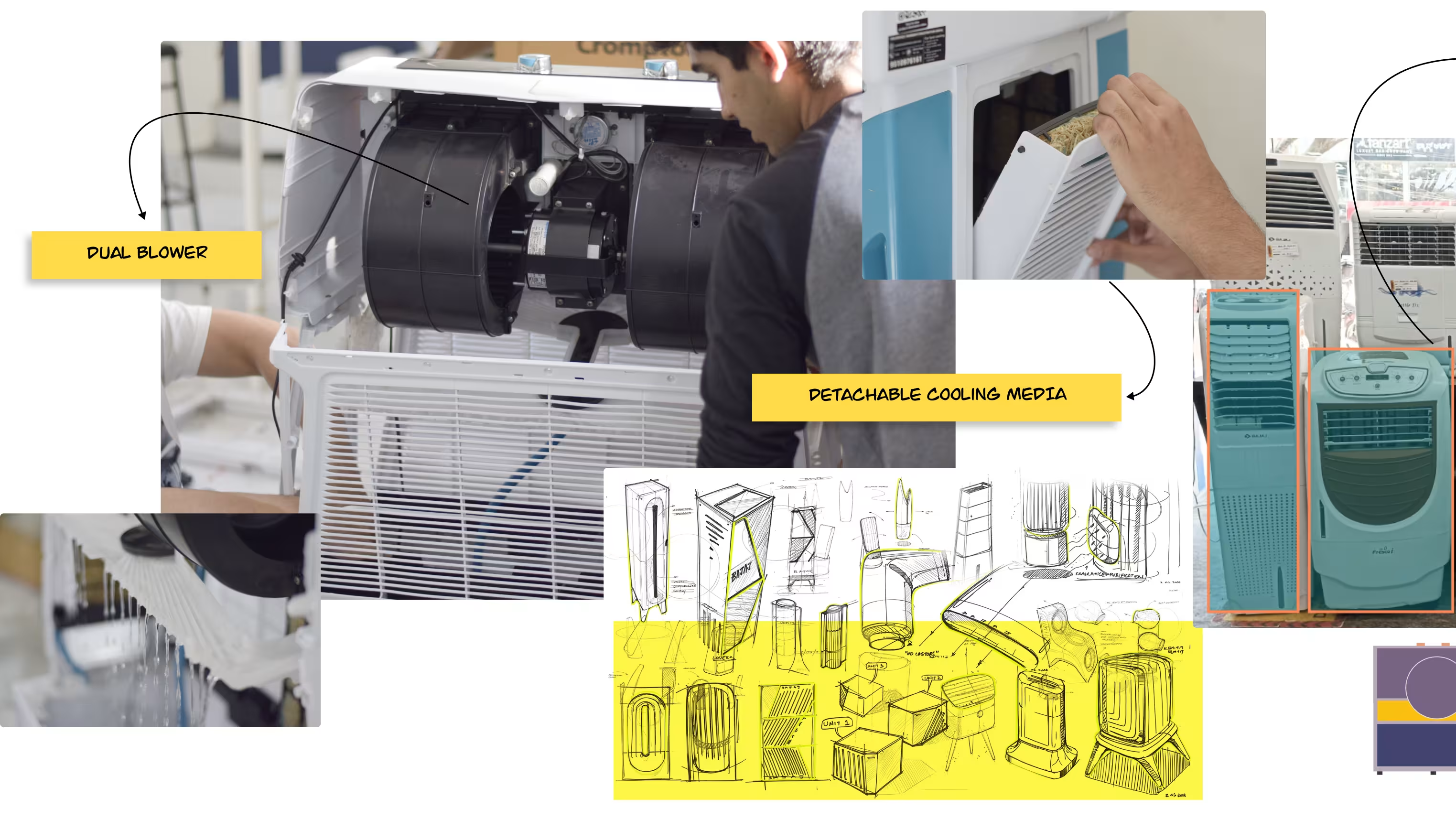
Teardown board of an existing appliance with parts and notes

Teardown and cost analysis

We take the product and the BOM apart, part by part, to find where cost, complexity and defects come from.

2–4 weeks
01 / 05Next ↓

Close-up of a ceiling fan motor housing and blade

Redesign for cost

Part consolidation, material and process changes, and looser tolerances where they don’t matter, checked against tooling you already own.
02 / 05Next ↓
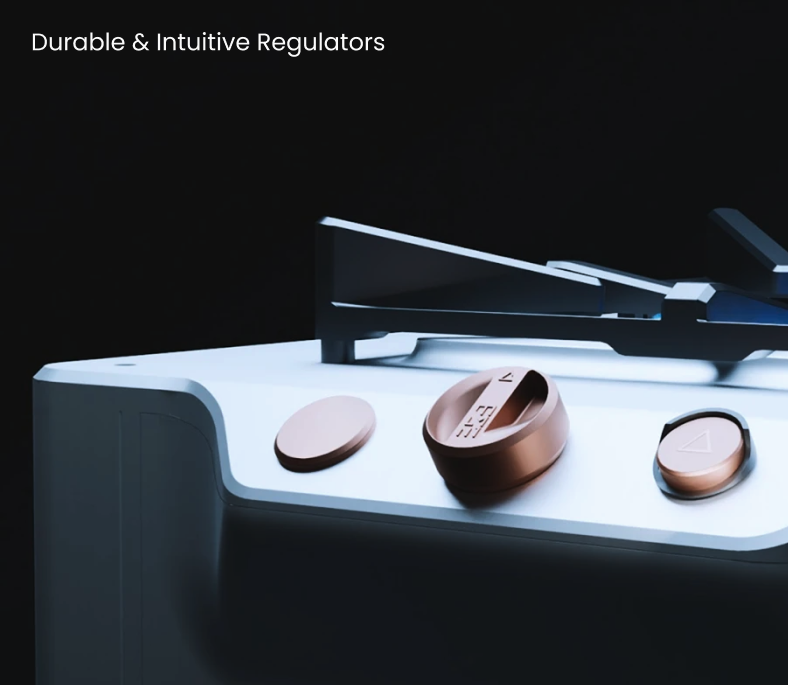
Durable control knobs on a commercial stove

Quality and yield

Root-cause analysis on defects and returns, QC protocols and design fixes that stop problems at source.

03 / 05Next ↓
A range of cookware and utensils in yellow and grey

Supplier and vendor changes

Second sources and new vendors from our 150+ partners, with quotes, samples and audits.

04 / 05Next ↓
Earbud charging cases in four colours sharing one platform

Platform and range simplification

Turning a sprawling range into a platform of shared parts, the way we turned dozens of Agnisumukh SKUs into six modular blocks a factory could make.
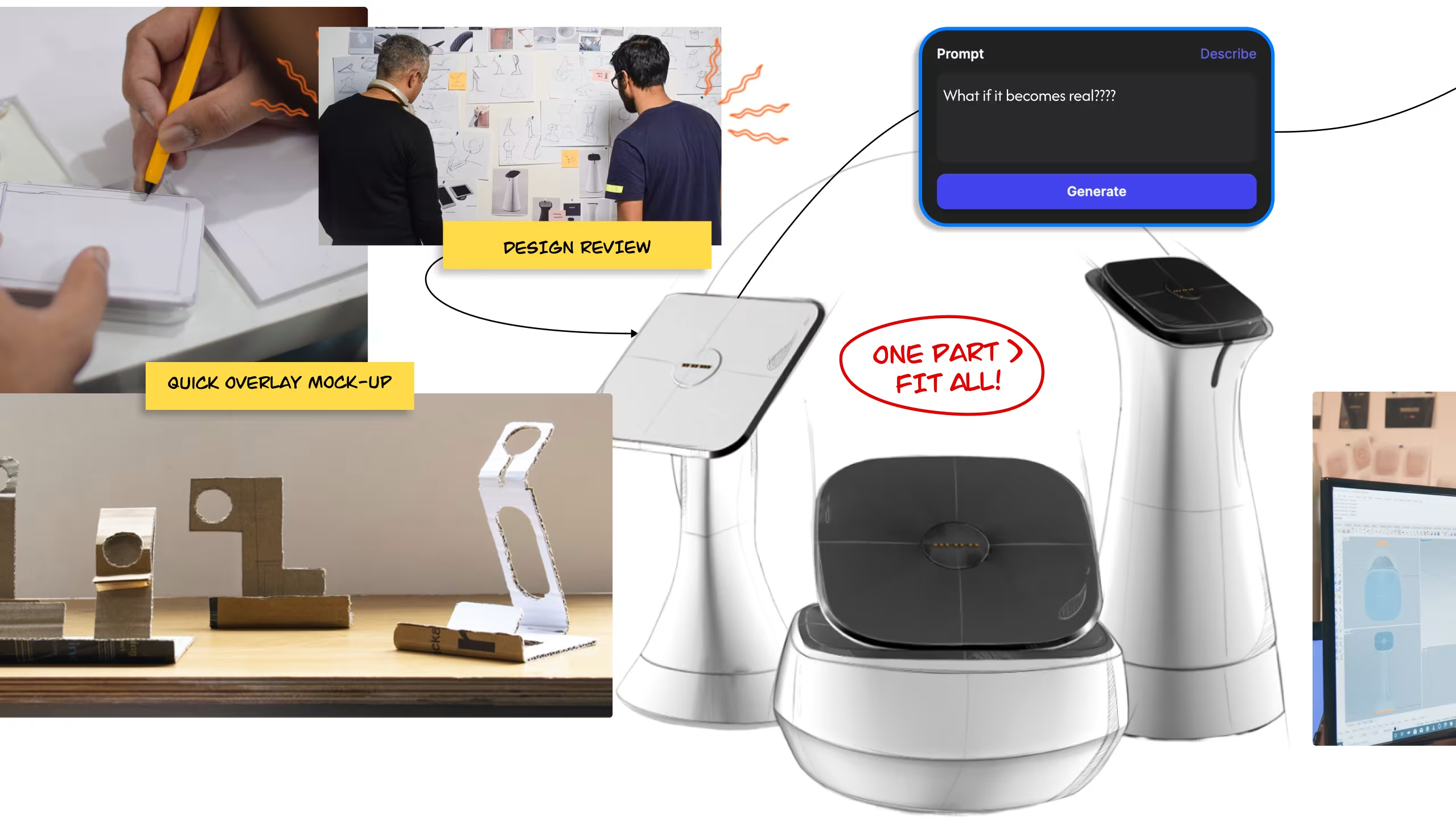
Where it fits

Manufacturing optimization picks up at phase 3 of Product Path™.

It’s the same work as design for manufacturing, applied to a product that’s already in production, with your existing tooling and suppliers as the constraints.

Phase 1

Concept and strategy

Range and platform decisions, revisited with real sales data.

Phase 2

Engineering and prototyping

Redesigned parts prototyped and tested before anything changes on the line.

Phase 3

Manufacturing and scaling

This service. Lower cost, fewer defects and steadier supply in production.

Phase 4

Launch

Packaging and range changes rolled out to customers without disruption.

Optimization, step by step

How we bring the numbers down

From finding the savings to keeping them on the production line. Swipe or scroll sideways, or jump to a step.

Audit

Removes the risk that you fix the wrong problem.

A pile of remote controls from different appliances
The decision

Where do cost, defects and supply risk really come from?

You walk away with

A teardown, BOM and cost analysis, a review of factory and defect data, and a ranked list of fixes with estimated savings.

How long

2–4 weeks

Redesign

Removes the risk that the fix breaks what customers like.
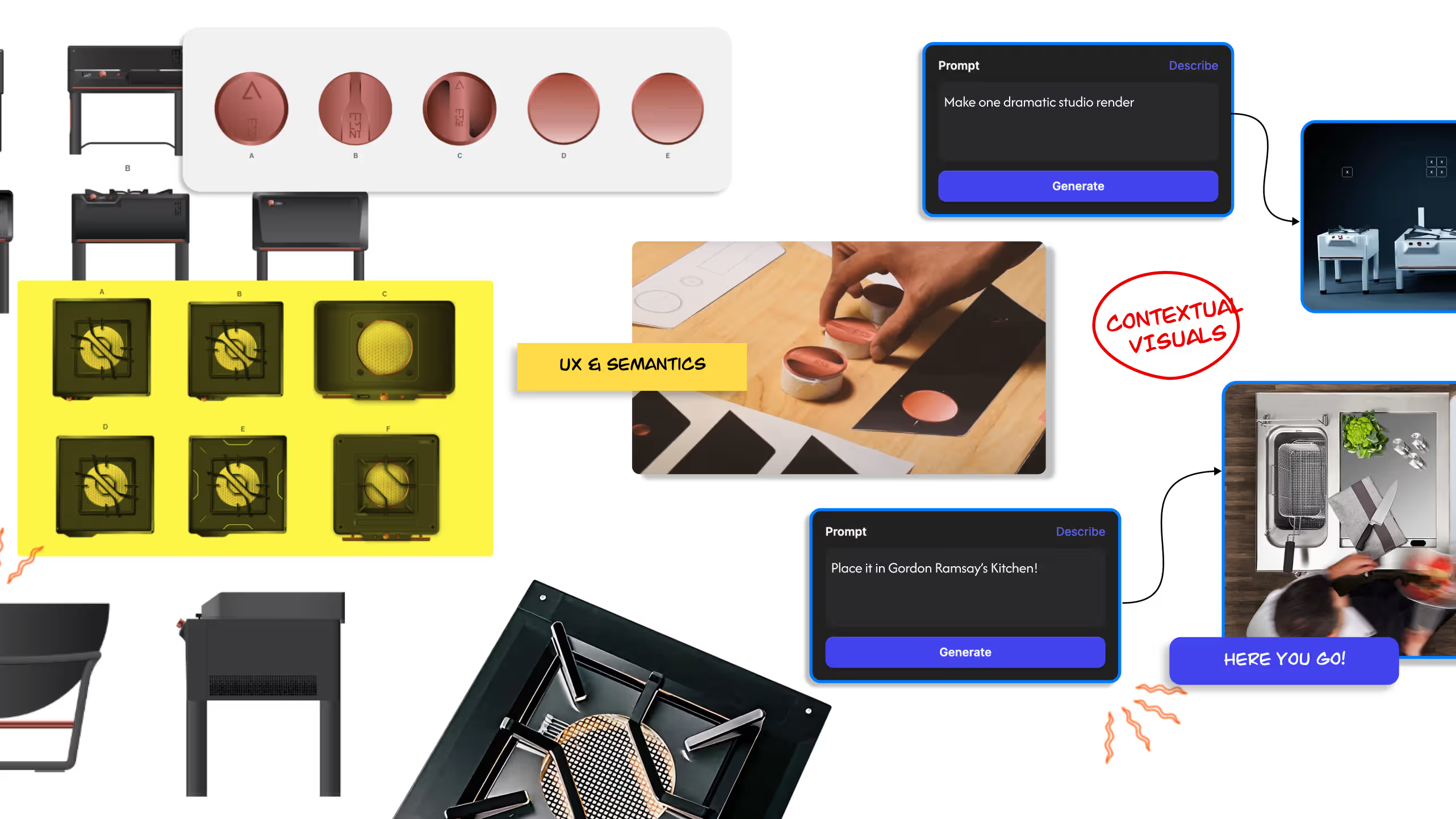
Redesign board for a commercial stove with modular blocks
The decision

Which changes save the most for the least tooling and risk?

You walk away with

Redesigned parts, updated drawings and a tooling change plan.

How long

4–8 weeks

Validate and switch

Removes the risk that the fix creates a new problem.
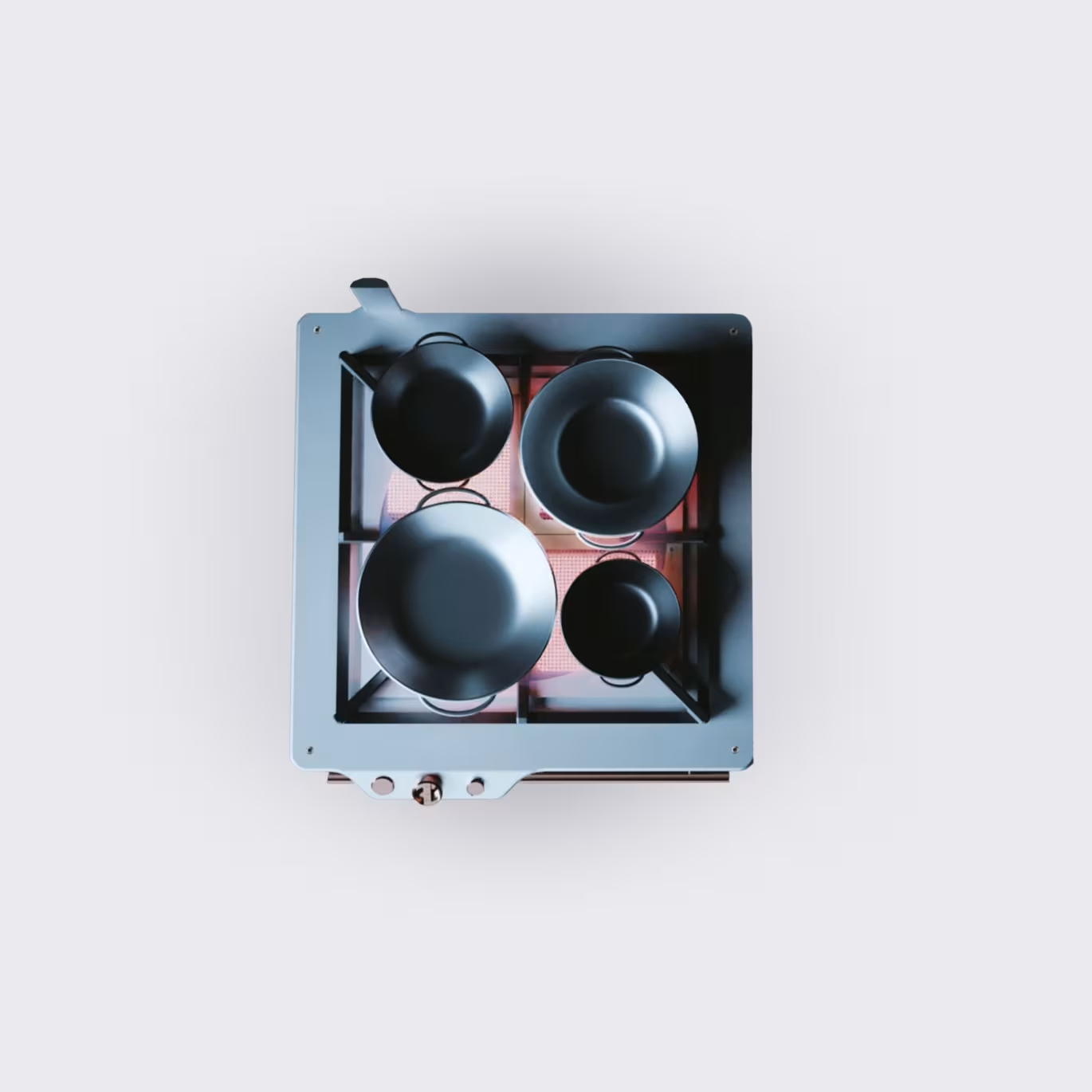
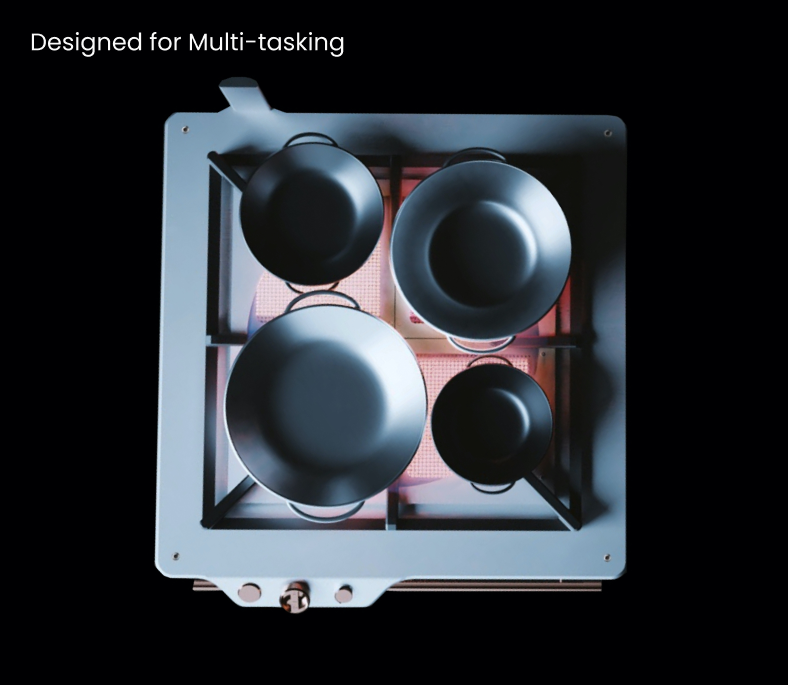
Render of a four-burner modular stove from above
The decision

Do samples from the new design or vendor meet spec?

You walk away with

Samples, test results, QC protocols and a production change plan.

How long

4–8 weeks

Support production

Removes the risk that savings disappear on the line.

A modular stove in use with a pan of food
The decision

Are the changes holding up in production?

You walk away with

Factory support from our Shenzhen team through the changeover and the first production runs.

How long

Alongside your production schedule

Good to know

We work with your existing factory or introduce new vendors from our 150+ partners.
Is this the right service for you?

If your product is already being made and something isn’t working, yes. If you haven’t tooled yet, start with design for manufacturing.

A unit cost that’s eating your marginManufacturing optimization
A defect rate nobody can explainManufacturing optimization
One supplier and no backupManufacturing optimization
A range that grew one SKU at a timeManufacturing optimization, platform redesign
A new product that hasn’t been tooledDesign for manufacturing

What manufacturing optimization costs, before you have to ask

No hourly billing. Most projects start with an audit, priced as a custom proposal after a free call.

Most projects start with a 2–4 week audit that ranks every fix by saving and effort, so you only pay for redesign work that’s worth doing.

Tooling changes and new samples are billed by the factory directly to you, with no commission from us.

What sizes an optimization project

Where your project lands comes down to six things.

Parts and processes

More parts and processes mean more places to look, and more places to save.

Data available

Defect logs, returns and factory reports speed up the audit.

Tooling constraints

Changes that reuse existing tools are cheapest. New tools cost more and save more.

Annual volume

A small saving per unit matters a lot at tens of thousands of units a year.

Supplier changes

Qualifying a new vendor adds samples, audits and time.

Certified products

Changes to a certified product may need re-testing, so we plan for it in the audit.

Factory costs go to the factory

Tool changes, new samples and re-certification tests are invoiced by the factory or lab directly to you. We take no commission and get them quoted first.

Start with a cost teardown

A small fixed-fee sprint tears down one product and its BOM in two or three weeks and shows you where the savings are.

Why companies optimize with a design studio, not just a sourcing agent

We design products, not just audit them

Fixes come from people who’ve designed 250+ products, not from a checklist.

At the factory, in Shenzhen

Our team of four, led by Vivi, works on the line with your vendors or ours.

Advice that isn’t for sale

Vendors bill you directly, so our recommendations aren’t tied to what they charge.

Cutting cost: a sourcing agent, a consultant, or us
QuestionA sourcing agentA lean consultantAnalogy
How they cut costBy pushing the supplierBy changing the processBy redesigning the parts, the process and the supply
Who redesigns partsNobodyNot in scopeOur engineers, tested before anything changes
Whose side they’re onUsually paid a cut by the factoryYoursYours. No commission on tooling or units
Who is on the floorSometimesFor workshopsOur Shenzhen team, on your line every week if needed

Manufacturing optimization for US companies, without the Bay Area price

Your product ships in the US and is made in Asia. We work on both ends.

Savings in your currency

Every recommendation is costed in USD per unit and per year, so you can rank them.

Factory visits without the flights

Our Shenzhen team audits your line and follows each change through to production.

Certification kept intact

We flag which changes affect FCC, UL or ETL approvals before you make them.

Ranges we’ve optimized

Commercial kitchensCeiling fansAir coolersCookwarePhone accessoriesPersonal care

Guides on manufacturing

Reading on cost, waste and production. All articles

Manufacturing optimization questions, answered

Dealing with a production problem right now? Ask us; we reply within one working day.

What is manufacturing optimization?

Improving a product that’s already in production so it costs less to make, fails less often and is easier to source, usually through design changes, process changes and vendor changes.

How can I reduce the unit cost of my product?

Fewer parts, cheaper materials or processes where they don’t affect quality, looser tolerances where they don’t matter, better yields and more competitive vendors. An audit tells you which of these are worth it for your product.

How much does manufacturing optimization cost?

Most projects start with a 2–4 week audit priced as a custom proposal after a free call. Redesign work is scoped from what the audit finds.

How long does it take to see savings?

The audit takes 2–4 weeks. Simple changes can reach production within a few months; changes that need new tooling take longer.

Can you work with my existing factory?

Yes. We work with your vendors or introduce new ones from our 150+ partners, and our Shenzhen team supports the changeover either way.

Will changes need new tooling?

Not always. We look for savings that reuse or modify existing tools first, and only recommend new tooling when the savings justify it.

How do you find the cause of defects?

We study the defect data and returns, inspect parts and the line, and trace each problem back to a design, process or supplier cause before proposing a fix.

Can you find a second supplier?

Yes. We source, quote, sample and audit alternatives from our 150+ partners in India and China.

Will changes affect my certifications?

They can. We flag any change that touches a certified requirement and plan re-testing where it’s needed.

Do you work on products you didn’t design?

Yes. Most optimization work is on products designed elsewhere.

Who owns the redesigned parts and drawings?

You do. Every redesigned part, drawing and audit finding is yours, and we sign an NDA before you share supplier or cost data.

Do you work with US brands already in production?

Yes. Most of our optimization clients sell in the US and Europe and make in China or India. Our Shenzhen team works with your factory directly.

Bring us the product that costs too much to make.

A shrinking margin, a defect nobody can explain, or a supplier you can’t leave. In 30 minutes we’ll tell you where to look first and roughly what an audit costs.

If the problem is the design rather than the factory, we’ll tell you.