This blog covers the startup product development journey of a hardware startup from idea to launch. Startup product development is where most ideas either take shape or fall apart. Walk every stage from ideation to launch with proven strategies built for hardware founders. If you're a first-time founder planning a hardware startup launch, then this guide is for you.
In this era of startups, effective product development can make or break a company's success. From ideation to commercialization, each step in the process requires careful planning, precise execution, and possibly iteration. (Lima, 2021)
This comprehensive guide explores the essential stages of the startup product development process, offering insights and strategies to help you navigate the journey effectively. This blog is your go-to resource for navigating the intricate journey of bringing your startup's vision to life. While the product development journey for start-ups is filled with exciting opportunities, it also presents a myriad of challenges. Our comprehensive guide demystifies every stage of the process, from ideation to launch and beyond. As a leading startup product development company, we understand the challenges and opportunities that accompany this exhilarating journey. Through expert insights, actionable strategies, and real-world examples, we empower you to harness innovation, mitigate risks, and maximize the potential of your venture.
1. Idea Generation and Research Stage
Every successful product starts with a compelling idea rooted in thorough research. If you are struggling with this initial stage, explore our guide on how to invent new ideas. Contrary to the traditional approach of extensive brainstorming and meticulous planning, the Lean Startup method advocates for a more intuitive and iterative approach to product development. (Stagars, 2014) By adopting a customer-centric mindset, startups can leverage the power of customer development and lean product principles to identify and validate their product ideas.
Begin by immersing yourself in the industry landscape, identifying emerging trends, understanding your target market's needs, preferences and pain points, and analyzing the competitive landscape. Conducting market research through surveys and interviews with potential customers can provide valuable insights that shape your product's direction and features. (Peralta et al., 2020)
The gap between a good idea and a fundable product concept often comes down to the depth of your early research. Founders who spend real time in the field, talking to users, watching how people struggle with a problem, tend to build products that actually land. Your idea will shift, sometimes dramatically, once you expose it to real market feedback. That shift is healthy. The founders who treat their first idea as sacred tend to waste months building something the market is indifferent to. Customer discovery, done with genuine curiosity, becomes the strongest foundation your product will ever have.
Competitive research at this stage goes well beyond knowing who else is in the space. Study the gaps in existing products: what frustrates current users, what features they wish existed, what pricing they find unreasonable. Validating your product idea before spending is a discipline that separates founders who reach prototyping fast from those who spend months chasing the wrong version. Industry reports, expert interviews, and social listening on platforms like Reddit or LinkedIn can surface insights that formal surveys miss.
Your research phase is one investment that always pays back more than it costs.
Actionable Insights:
- Think like your user: Imagine how your product fits into their lives. How can your design optimize comfort, efficiency, and satisfy user experience?
- Emphasize durability: Research materials and construction methods that ensure you can withstand wear and tear for years to come. Durability does not only refer to supporting long-lasting usage, but also to whether it makes sense to develop the product idea economically. Can you sustain yourself?
- Consider your environmental impact: Explore sustainable materials, eco-friendly manufacturing processes, and potential end-of-life options. Can they help your startup stand out and make a real difference?
2. Defining Development Goals and Timelines
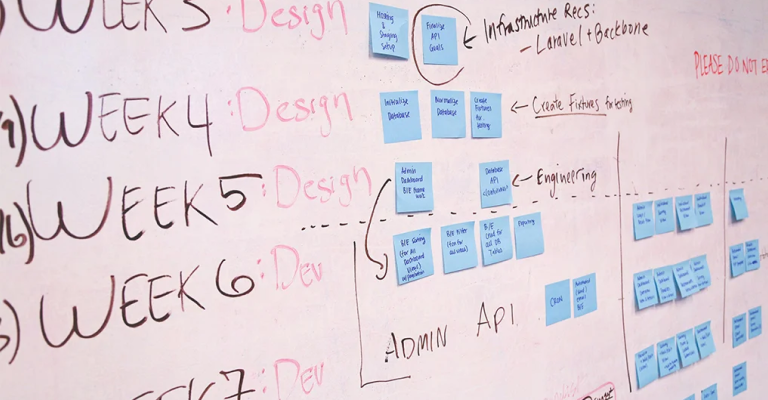
Setting clear development goals and timelines is crucial for keeping your project on track and ensuring efficient resource allocation. Define your product development milestones, allocate resources effectively, and establish realistic timelines for each stage of the process. Consider leveraging agile methodologies to adapt to evolving requirements and streamline development processes as needed. Additionally, explore outsourcing options to augment your team's capabilities and accelerate development without compromising quality.
Every milestone you set in the early stage becomes a signal to your team, your investors, and yourself about how seriously you take execution. Founders who build in buffer time between milestones consistently outperform those who stack deadlines end to end. The unexpected will arrive: a supplier changes specs, a component goes scarce, a test reveals a fundamental design issue. Treating your timeline as a living document rather than a fixed commitment protects your runway and your team's morale. Set your milestones to reflect what you want to achieve, and layer in the flexibility to respond intelligently when conditions shift.
Resource planning at the startup stage works best when it starts with constraints, then builds outward. Know your available budget, your team's actual capacity, and the minimum viable scope that still delivers real value to users. The structured path from concept to shelf that experienced product studios follow is worth studying closely: every stage is funded only after the previous one de-risks the next investment.
Startups that plan this way spend less overall and make better decisions at every fork in the road. A clear development roadmap also gives your team alignment on what success looks like at each phase, removing a tremendous amount of friction from daily execution.
Pro Tips for Startups in the Product Development Process:
- Be clear about purpose and target audience: A well-defined problem you solve or a need you fulfill makes development more focused.
- Provide early feedback during prototyping: Simple prototypes allow for quick iteration and ensure I meet user expectations.
- Leave room for future iterations: A modular design allows for future upgrades and keeps me relevant over time.
3. Design Phase: Crafting User-Centric Designs
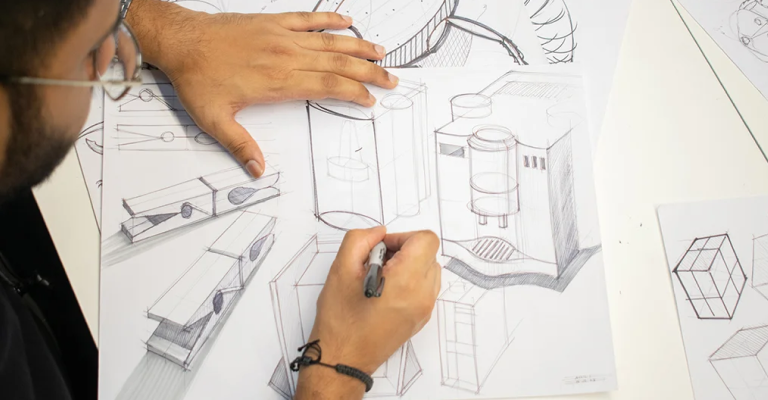
Design plays a pivotal role in shaping the user experience and differentiating your product in the market. Define your unique value proposition (UVP) and craft a compelling product design that resonates with your target audience. Collaborate with designers, engineers, and stakeholders to conceptualize and refine the product's design, focusing on usability, aesthetics, and functionality. Read more about why startups should consult industrial design consultancies. Moreover, prioritize sourcing high-quality materials and components to ensure durability and performance.
The design phase is where founders often make the single decision that determines whether a product succeeds or becomes an expensive lesson. A beautiful product that feels wrong in the hand, takes too long to understand, or breaks under normal use falls short in ways that advertising alone struggles to reverse. User-centric design means starting with behavior, observing how real people interact with similar products, and building from those observed patterns.
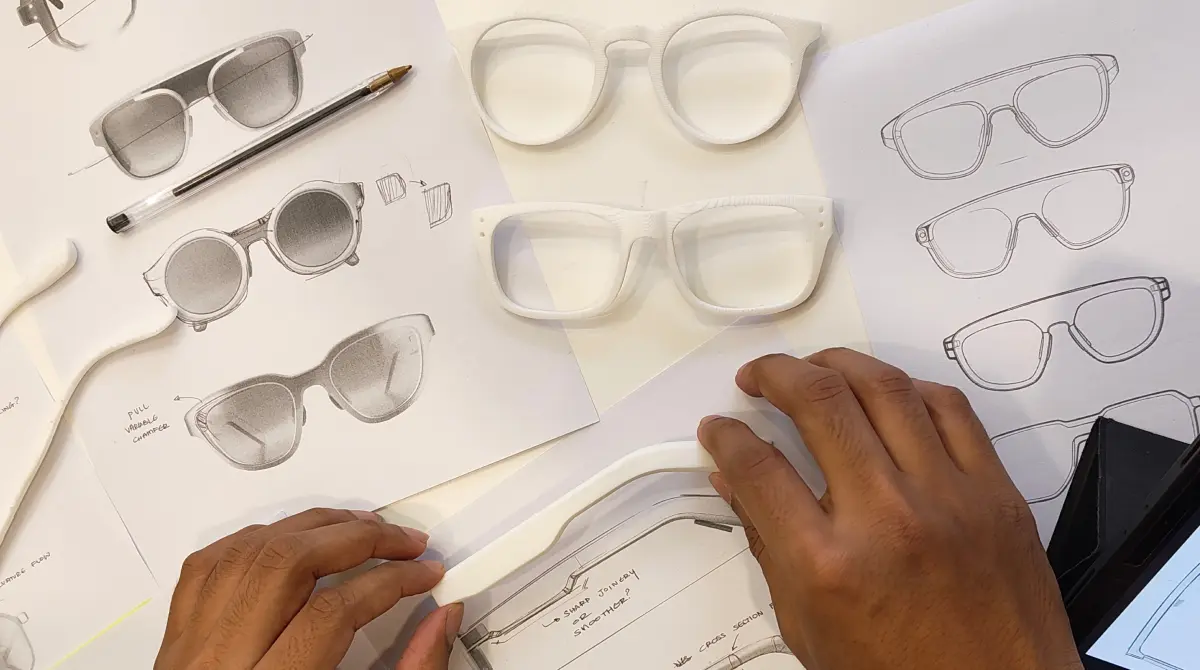
Early concept design work catches structural issues that become extremely expensive to resolve once tooling begins. Your design decisions at this stage propagate through every downstream phase: manufacturing cost, assembly complexity, user experience, and brand perception.
Industrial design and engineering must work together from the start, rather than in sequence. When a product looks great but presents manufacturing challenges, the cost of resolving those challenges erases margin before a single unit ships. Ergonomics, material selection, tolerances, and assembly logic are all design conversation pieces, and the earlier these factors enter the room, the stronger the outcome. Founders who involve manufacturing thinking at the concept stage consistently reach production with fewer redesign cycles. The hardware product development process breakdown shows exactly where design decisions carry the most downstream weight and cost.
Design Tips for Success:
- Focus on the Feel: If you are creating a physical product, prioritize creating a prototype that replicates the real user experience. Read our guide on prototype development. How will it fit in hands? What materials will users interact with? Consider creating a low-fidelity model to test ergonomics and user interaction before investing in high-fidelity aesthetics.
- Rapid is Key: Utilize rapid prototyping techniques like 3D printing or CNC machining to create a quick MVP. This allows you to test core functionalities and identify design flaws early on.
- Function Before Finesse: During prototyping, prioritize features critical to your core user experience. Don't get bogged down in perfecting aesthetics at this stage.
- User Feedback is Gold: Gather user feedback through usability testing to refine the design and functionality before investing in mass production. Get users to interact with the prototype and identify any pain points or areas for improvement.
- Design for Manufacturing: Consider factors like material selection, ergonomics, and manufacturability during prototyping. This will ensure a smooth transition from prototype to production and avoid costly redesigns later.
4. Developing a Prototype
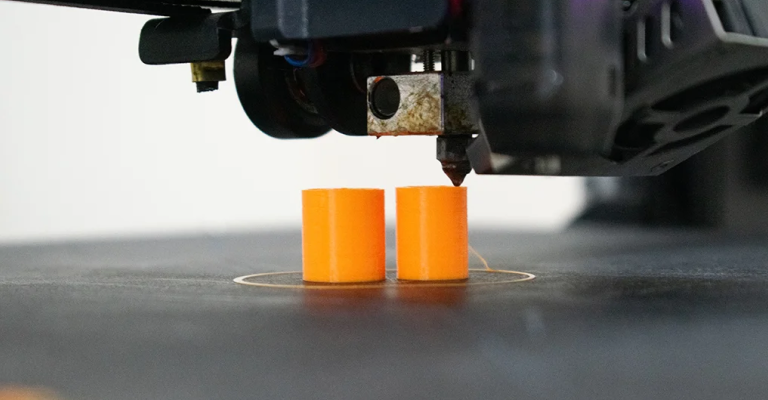
Prototyping allows you to transform your conceptual ideas into tangible products for testing and validation. Build a minimum viable product (MVP) or prototype to demonstrate core features and functionalities, providing stakeholders and potential customers with a tangible representation of your vision. This is not only important for start-ups developing a product, but also for established companies. Rapid prototyping techniques help companies to iterate quickly, gather feedback, and refine the product concept before proceeding to full-scale development. Explore our comprehensive guide on prototype development and learn what mistakes to avoid.
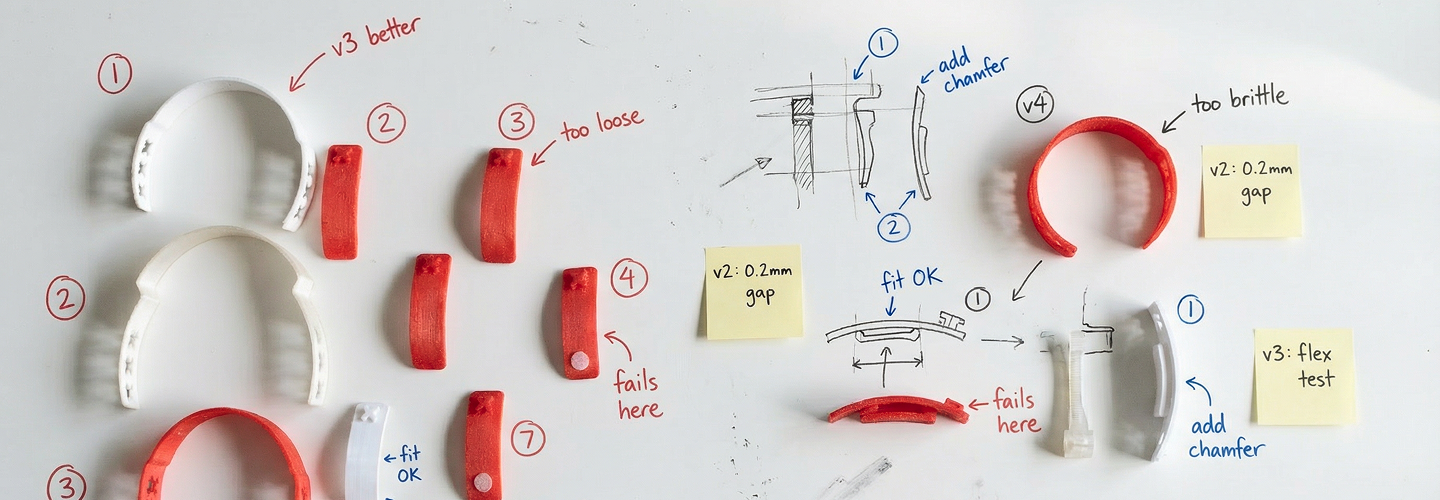
Your first prototype will reveal surprises you only discover by holding it. That is exactly the point. The prototype is a physical hypothesis, a learning tool that the market either confirms or redirects. Founders who build quickly, test honestly, and rebuild with the feedback they gather are the ones who reach a viable product faster and with less capital burned. Treating the prototype as a finished product too early ranks among the most expensive decisions in building a hardware product from ground zero. Build with the intention to learn, and your prototype budget becomes one of the smartest investments in your entire development cycle.
The decision between in-house prototyping and working with an external studio comes down to two things: speed and expertise. A team with deep prototyping capability can compress what would take a first-time founder three months into three weeks, and the quality of feedback from that prototype will be dramatically higher. Moving from sketch to something physical involves far more than 3D printing a form: it includes functional testing, material validation, fit and finish evaluation, and a clear brief for what comes next. Every round of prototyping should answer a specific question and produce a specific direction forward.
Founders who approach prototyping as a structured discovery process consistently spend less on revisions by the time they reach tooling.
Advice for effective startup product development:
- Primary vs. Secondary Development: Focus on developing your core product (primary) that solves the main problem you identified. Secondary features can be added later based on user feedback.
- Agile Methodology: Break down development into smaller, manageable agile sprints to ensure flexibility and adaptability based on learnings.
- User-Centric Design: Incorporate user feedback throughout the process to ensure your product truly meets their needs and solves their pain points.
- Consider expert partnerships: Partnering with a specialized startup product development company like Analogy Design can bring in expertise for faster, high-quality prototyping, based on user experience (UX) design, and agile development methodologies.
5. Testing the Prototype
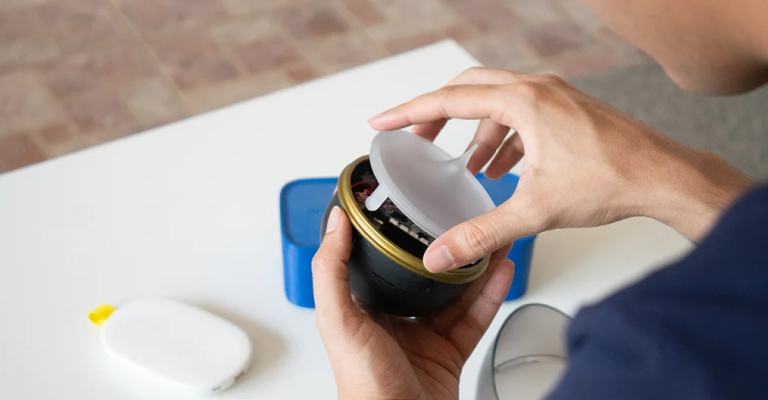
Testing is a critical phase in the product development process, enabling you to gather valuable feedback, identify potential issues, and refine your product iteratively. Conduct user testing sessions, soliciting feedback from target users to evaluate usability, functionality, and overall satisfaction. Analyze user feedback, iterate on design elements, and make necessary adjustments to enhance the prototype's performance and user experience. Iterative testing ensures that your final product resonates with your target market.
User testing tends to surface the feedback that internal team discussions rarely generate on their own. Real users interact with products in unexpected ways, push on assumptions the team has treated as settled, and reveal friction points that feel obvious only in hindsight. The discipline of structured testing, with defined tasks, observation protocols, and post-session debriefs, produces feedback that is both specific and actionable.
Founders who run testing sessions with the goal of confirming their assumptions tend to walk away with less useful data than those who run sessions with the genuine goal of discovering what still needs to change. MIT Sloan's design thinking research has long established that design thinking is an innovative problem-solving process rooted in a set of skills, and the approach has been around for decades, but it only started gaining traction outside of the design community after a 2008 Harvard Business Review article.
Best practices for prototype testing:
- Recruit the right testers: Involve users who represent your target audience. This ensures you get feedback from the people who will actually be using your product.
- Set clear goals for testing: What do you want to learn from the tests? Is it usability, specific features, or overall user experience? Having defined goals keeps the testing focused and helps you gather the most relevant feedback.
- Observe carefully and listen closely: During testing sessions, watch how users interact with the prototype. Listen attentively to their verbal and non-verbal cues to understand their thought processes and frustrations.
- Think beyond words: Sometimes users may not be able to articulate their exact frustrations. Look for hesitation or confusion to identify areas needing improvement.
6. Product Development and Scaling
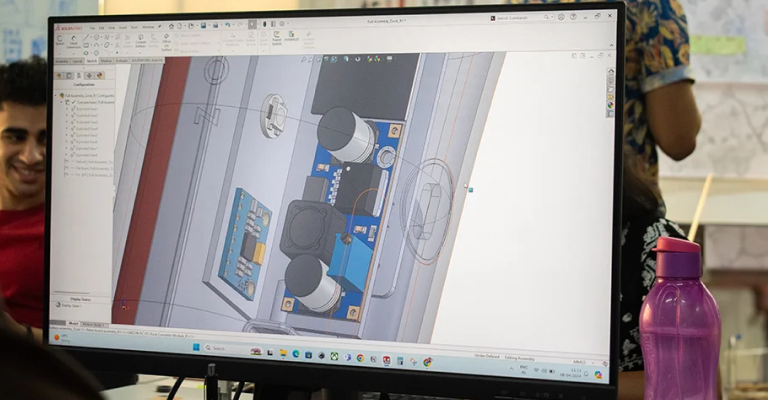
With a validated prototype in hand, it's time to embark on the final product development phase. Collaborate closely with your development team to translate the prototype into a market-ready product, focusing on scalability, reliability, and manufacturability. Leverage agile development practices to adapt to evolving requirements and address unforeseen challenges efficiently. Continuously monitor progress, communicate transparently with stakeholders, and prioritize quality assurance to deliver a polished product that meets or exceeds customer expectations.
Scaling a product from prototype to production is where the resource pressure intensifies and the complexity multiplies simultaneously. Decisions about manufacturing partners, component sourcing, quality benchmarks, and supply chain redundancy all land at roughly the same time. Founders who approach this phase with a structured design for manufacturing framework reduce the cost of surprises significantly. The supply chain is a system, and every link in that system carries risk that thoughtful planning can reduce to a manageable level. Getting production-ready is a collaborative process, and the studios and engineers closest to your product need to be deeply involved in every decision.
Quality assurance at scale operates differently from quality assurance in prototyping. At low volumes, an individual inspector can catch most issues. At production scale, quality is built into the process itself through inspection protocols, reject thresholds, supplier audits, and in-line testing.
Founders who invest in defining quality standards before the production run begins consistently achieve better first-pass yields and fewer costly reworks. Steve Blank's foundational writing on startup execution has shown that the transition from validation to scale is where founder discipline matters most, and product quality is the clearest expression of that discipline.
Key Considerations for Startups:
- Prioritize user experience (UX) design: Ensure the final product is intuitive, user-friendly, and aligns with your target audience's needs.
- Conduct usability testing: Gather user feedback throughout the development process to identify and rectify any usability issues early on.
- Integrate quality assurance (QA) from the start: Proactive testing minimizes bugs and ensures a polished final product.
- Establish clear development milestones: Set achievable benchmarks to track progress, maintain momentum, and identify potential roadblocks.
- Maintain open communication with stakeholders: Regularly update key players on progress, address concerns and garner support.
- Plan for post-launch maintenance: Develop a strategy for addressing bug fixes, future updates, and ongoing customer support.
7. Commercialization & Launch
A great product with a weak launch strategy can sit in a warehouse while a mediocre product with sharp positioning moves units consistently. Launch is its own discipline, and it rewards founders who prepare for it with the same rigor they applied to the development phase. Distribution strategy, retail partnership conversations, press and creator outreach, and pre-launch community building all require lead time that founders consistently underestimate. Taking your product to its first buyers is a phase that benefits enormously from experienced support, particularly around channel selection, pricing logic, and first-month inventory planning. The founders who launch with a plan tend to recover faster from the inevitable surprises of the first weeks in market.
The commercialization phase marks the culmination of your startup product development journey, as you prepare to bring your product to market and drive adoption. Develop a comprehensive launch strategy encompassing distribution, sales, marketing, and ongoing support initiatives. Identify key distribution channels, establish pricing strategies, and create compelling marketing collateral to generate buzz and attract customers. Moreover, keep prioritizing customer feedback and support mechanisms to foster loyalty and drive long-term success. Read our guide on how to sell your idea.
Customer feedback in the first thirty days after launch is some of the most valuable data your product will ever generate. Early adopters are forgiving of rough edges, invested in the product's success, and willing to give detailed feedback if you make it easy for them.
Build a feedback loop into your launch plan: a short survey, a community channel, a direct email from the founder. Harvard Business Review's research on new product launches has consistently found that startups that stay close to their early customers build second versions that outperform the competition. Your launch is the beginning of a conversation with the market, and the founders who listen closely compound their early advantage into something durable.
Strategies for a successful launch:
- Craft a compelling marketing narrative: Highlight your product's unique value proposition and use engaging content to generate interest and excitement.
- Tailor your message: Identify your target audience and tailor your messaging and distribution channels to reach the users who will benefit most from your product
- Develop a pricing strategy: Consider production costs, competitor offerings, and customer willingness to pay to determine the optimal price point.
- Secure strategic partnerships: Collaborate with complementary businesses to expand your reach and leverage their existing customer base.
- Prioritize customer support: Establish clear communication channels, offer helpful resources, and address user feedback promptly to build trust and loyalty.
- Plan for continuous improvement: Gather customer feedback and market data to refine your product and marketing strategies over time.
How Startups Overcome Product Development Hurdles
Whether limited resources or rapid market shifts, compared to established corporations, startups often face unique challenges and rarely experience a smooth path. The key is to knowing about them, identifying these hurdles early and having strategies in place to address them. This can be the make or break for a product's success.
Every hurdle in startup product development has a pattern, and once you recognize the pattern, you can act on it before it becomes a crisis. Resource constraints almost always arrive with a decision point attached: spend now to maintain quality, or defer and pay more later in rework and reputation. The founders who build decision frameworks for these moments, rather than making each call from scratch under pressure, tend to navigate resource challenges with far less damage to the product and the team. The work Analogy has delivered across categories shows how structured thinking at difficult decision points has consistently produced better outcomes than reactive problem-solving. Documenting your decision-making process, even briefly, also builds institutional knowledge that helps every team member make better calls independently as the project scales.
Time pressure and quality pressure tend to arrive together, and treating them as competing forces is a framing that almost always leads to poor outcomes.
The better framing is that speed and quality are both products of process clarity. When your team knows exactly what the next step is, who owns it, what good looks like, and what the acceptance criteria are, execution accelerates without sacrificing standards. Founders who invest in process design early, before the sprint begins, find that their teams move faster and with far more confidence.
The startups that treat process as a competitive advantage consistently outship those who treat it as overhead, a pattern visible across every successful hardware product that has made it from prototype to shelf.
Some common challenges include:
- Resource Constraints: Limited budgets are the norm, not just monetary but also in terms of team size. Overcoming budget limitations requires careful consideration of how to allocate the available resources.
Solution: Ask yourself: What is most important in order for your product to be market ready? Prioritize the essential features and develop a MVP. Oftentimes we see entrepreneurs get carried away with unnecessary details and additional features. However, these can be added later on, once your funds allow for expansion.
Outsource what's necessary. Do you have the know-how to develop a prototype that can be scaled? Or is it better to outsource that part? Are you good to design the product yourself, but will need help with your marketing strategy? Let your in-house team focus on its strengths. Consider outsourcing specific tasks to freelancers or agencies, especially for one-time needs.
- Time Pressures: Startups tend to feel pressure to launch rapidly. Whether it is due to investors' expectations or staying ahead of potential competition. This can lead to rushed decisions, risking quality and user satisfaction, which might ultimately lead to failure in the long-term.
Solution: Make use of agile development methodologies allowing for a flexible, iterative approach, where product development is broken into short, manageable sprints. This will enable you and your team to make rapid adjustments based on continuous feedback without compromising quality.
Break down product development phases into manageable milestones and set realistic timelines. Each phase should adequate time allocated for quality control and testing. Furthermore we recommend engaging early adopters and beta testers to provide immediate feedback on the MVP. This can reveal critical insights quickly, allowing you to address key areas without delaying the overall timeline.
- Changing Market Needs: Market needs and preferences can evolve quickly, especially in tech-driven niches. In order to meet these changing demands, product features sometimes have to be adjusted rather quickly.
Solution: Monitor the market continuously. Watch competitors closely and regularly analyze trends, to better anticipate upcoming changes and challenges.
If you have embraced a user-centric design approach during the product development process you have not only reduced the risk of being a startup that launches a product no longer meeting users' needs, but you also made it easier for yourself to implement adjustments in real-time. Having a modular design in place, based on gathered feedback, will allow you to do quick adjustments without having to re-do the entire product, especially in the tech and software niches.
- Maintaining Product Quality and Usability: This is not only a hurdle when overlooking quality assurance and UX during the testing phase, but can also become an issue when scaling. Quality issues can damage a startup's reputation.
Solution: Integrate QA testing from the beginning. Fixing issues early will save you nerves and budget. By prioritizing an intuitive and functional user experience over unnecessary additions that could dilute quality, you an ensure that your product is ready to scale.
Product development does not end when launching the product. You have to continuously gather user feedback and implement improvements based on it. Focus on enhancing the clients' experience with your product.
Choosing the Wrong Partner Can Kill Your Startup
The studio or engineering partner you choose in the first six months will have more influence on your product's final quality than almost any other decision you make as a founder. Every hardware startup eventually learns that product development requires a team with both design capability and manufacturing awareness working in tandem. Studios that specialize purely in aesthetics tend to produce products that look stunning in renderings and prove expensive to manufacture at scale. The right partner brings industrial design, mechanical engineering, DFM knowledge, and supply chain awareness into the same room at the same time. When those disciplines work in isolation, the gaps between them become the most expensive part of your entire project.
Evaluating a potential product development partner goes well beyond reviewing their portfolio visuals. Ask how they handle the transition from design to manufacturing. Ask whether they have produced products that shipped at volume, and at what cost variance from the original estimate. Ask whether they hold equity or work on fixed-scope engagements, because the incentive structure shapes every piece of advice they give you.
The Product Path™ framework at Analogy is built around exactly this kind of end-to-end accountability: every stage is designed to reduce risk and move toward a product that performs in the real world, priced to be commercially sustainable. A partner who asks hard questions early is a partner who is genuinely working toward your success.
Founders who work with the wrong partner often discover the problem at the most expensive possible moment: during tooling, at first production, or after a failed certification test. The cost of switching partners at that stage runs well beyond money. Timelines collapse, investor confidence takes a hit, and the team burns energy on recovery instead of growth. Choosing deliberately, with clear criteria and honest conversations about scope, capability, and past project outcomes, is how the best hardware founders protect their runway.
The partnership you enter at the beginning of your product journey is one worth spending real time and real diligence on before you commit.
Conclusion
By being aware of these common product development hurdles and proactively addressing them as early as possible, startups can navigate challenges effectively.
CB Insights' research on why startups fail consistently highlights a cluster of product-related reasons that go far beyond market timing or funding shortfalls. Hardware startups face a particular set of risks that software startups sidestep entirely: tooling costs, supply chain dependencies, certification timelines, and minimum order quantity commitments. Each of these can arrive simultaneously, at the moment your runway is thinnest and your pressure to ship is highest. Founders who map these risks before they encounter them tend to arrive at that moment with options, while those who discover the risks in real time tend to be forced into decisions they later regret. Building a risk register at the start of your development journey, covering the top scenarios that could derail your timeline, is a thirty-minute exercise that pays dividends across the entire project.
Cash flow timing in hardware startups is a category of risk that catches first-time founders off guard in ways that feel genuinely unfair. Supplier payments, tooling deposits, certification fees, and logistics costs tend to arrive well before revenue does. Founders who model their cash flow with the assumption that every payment will land earlier than planned and every revenue event will arrive later than planned tend to manage this gap with far less panic.
The signals that hardware investors actually look for include exactly this level of financial awareness: sophisticated investors want to see founders who understand the timing realities of physical product businesses. Building a thirteen-week cash flow model and updating it weekly is a practice that the best-funded hardware founders adopt from day one.
So there you have it, a crash course in navigating the exciting (and sometimes chaotic) world of startup product development. Remember, this is just the beginning of your entrepreneurial journey. There will be bumps along the road, but with a user-centric approach, a focus on continuous iteration, and a healthy dose of perseverance, you'll be well on your way to turning your innovative idea into a game-changing product. Now get out there, test, iterate, and launch something amazing!