IoT product design people actually use.

Connected products designed as one system: the enclosure, the board, the battery, the antenna and the experience. One team takes it from concept to a manufacturable product, so the hardware and the electronics are never designed apart.

Enclosure, electronics and experience in one team · NDA on request · Reply within one working day

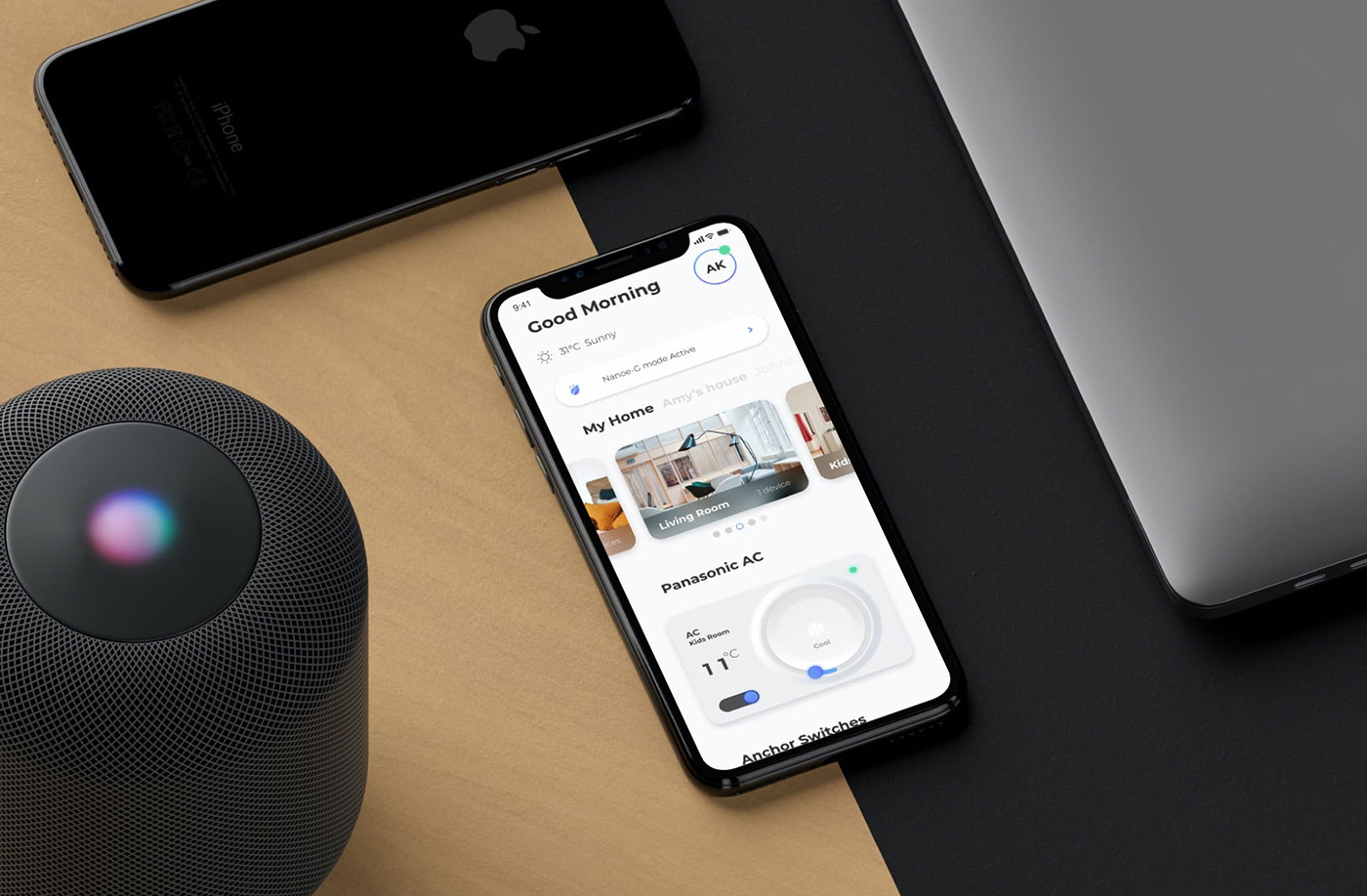
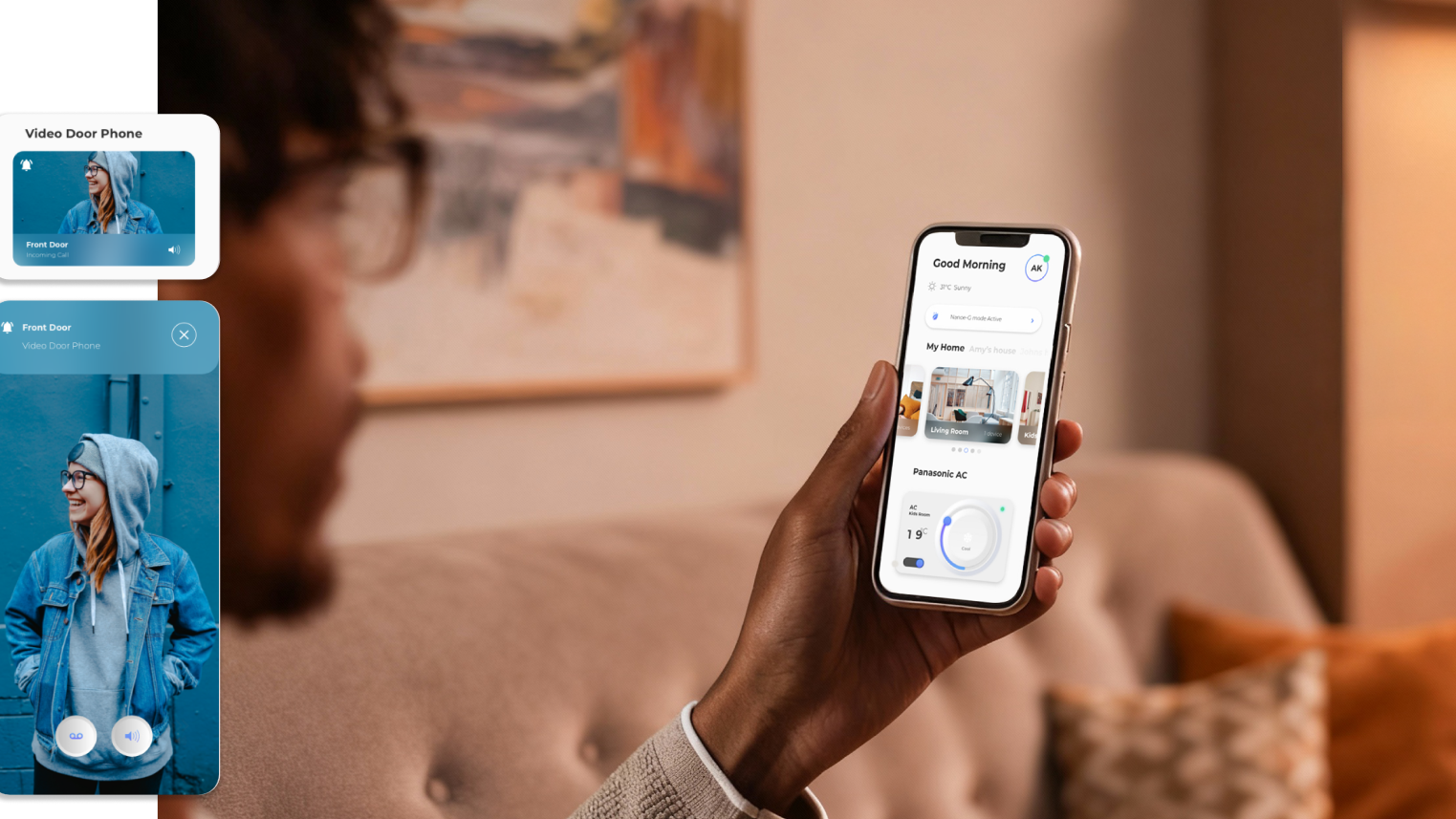
A hand holding a phone running a smart home app
~2x

the engineering of a mechanical product, once electronics are involved

18 months

designing Panasonic’s Miraie connected home experience

2

award-winning connected products: Panasonic Miraie (Red Dot) and iDiya

4

radio types we design around: Wi-Fi, Bluetooth, cellular and LoRa

Trusted by global brands and 80+ founders

  • Panasonic, an Analogy Design client
  • Google, an Analogy Design client
  • Unilever, an Analogy Design client
  • Mondelēz, an Analogy Design client
  • Maersk, an Analogy Design client
  • Aprilia Racing, an Analogy Design client
  • Marvel, an Analogy Design client
  • Borosil, an Analogy Design client
  • boAt, an Analogy Design client
Anurag Srivatsava, Product Lead, Panasonic Smart DevicesSmart devices lead, PanasonicAnurag SrivatsavaProduct Lead, Panasonic Smart Devices
“Analogy brought innovation, passion, and commitment to the table, not only creating a best-in-class Smart Product experience that leaves our customers mesmerized every day, but also designing an experience that is award winning.”

More voices from our clients

In a connected product, every decision touches every other.

Move the antenna and the enclosure changes. Grow the battery and the product gets heavier. Add a sensor and the firmware, the board and the design all move.

Most IoT products struggle because the hardware, electronics and app are designed by different teams who meet too late. We bring industrial design, mechanical engineering and electronics together from day one, so the product works as one system.

The antenna inside a metal shell

Beautiful, and it can’t hold a connection.

The battery that set the size

Chosen late, so the product grew around it.

The sensor in the wrong place

Accurate on the bench, wrong once it’s on a wrist, a wall or a kitchen counter.

The feature nobody needed

Connected for the sake of it. People use the features that make a task easier.

What IoT product design includes

Five pieces of work that keep the experience, the electronics and the enclosure in step, from concept to the factory.

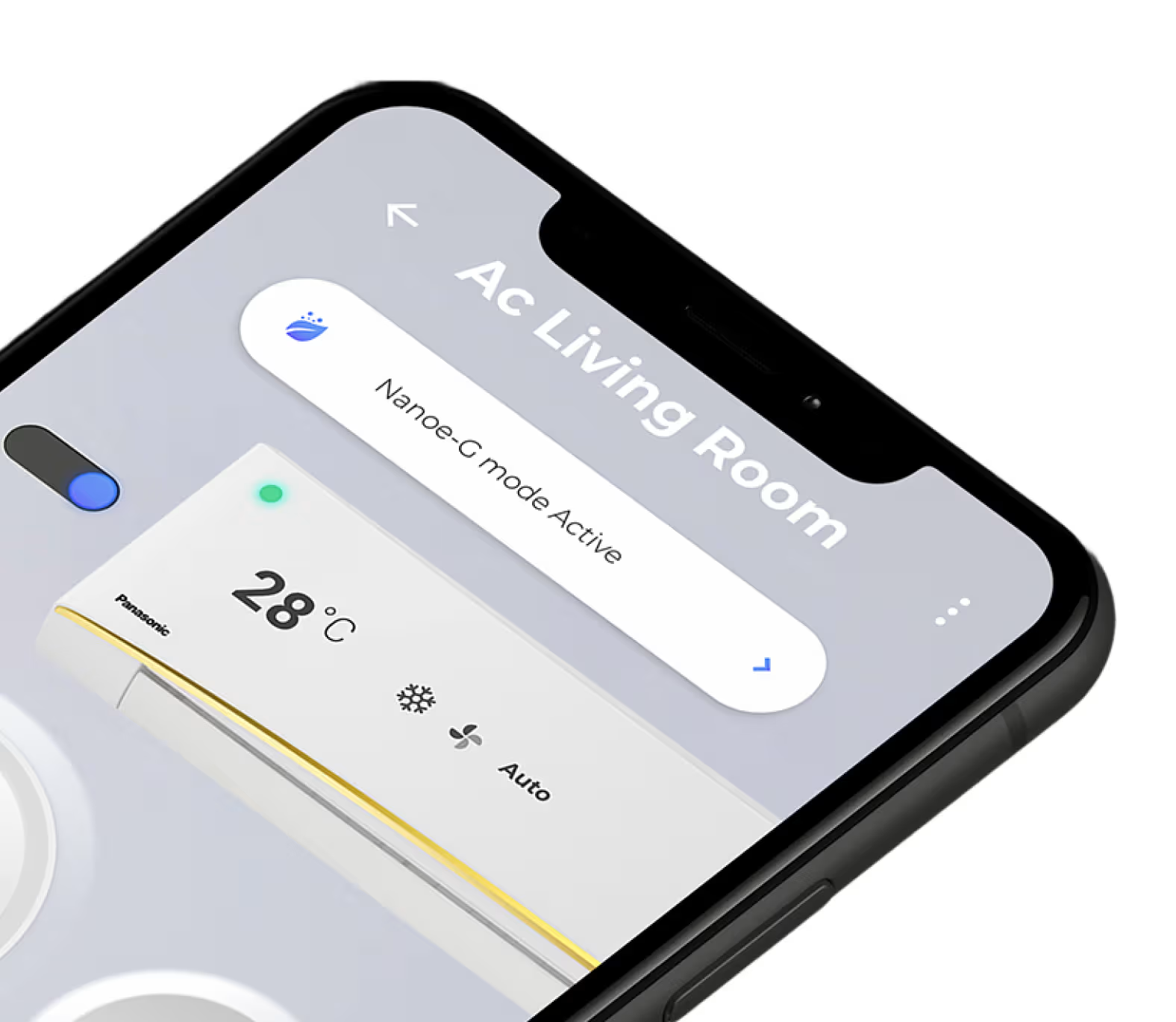
Smart home app screen controlling an air conditioner

Product experience

What people do with the product, where connectivity helps and where it gets in the way: controls, indicators, notifications and the app moments that matter.

Phase 1
01 / 05Next ↓
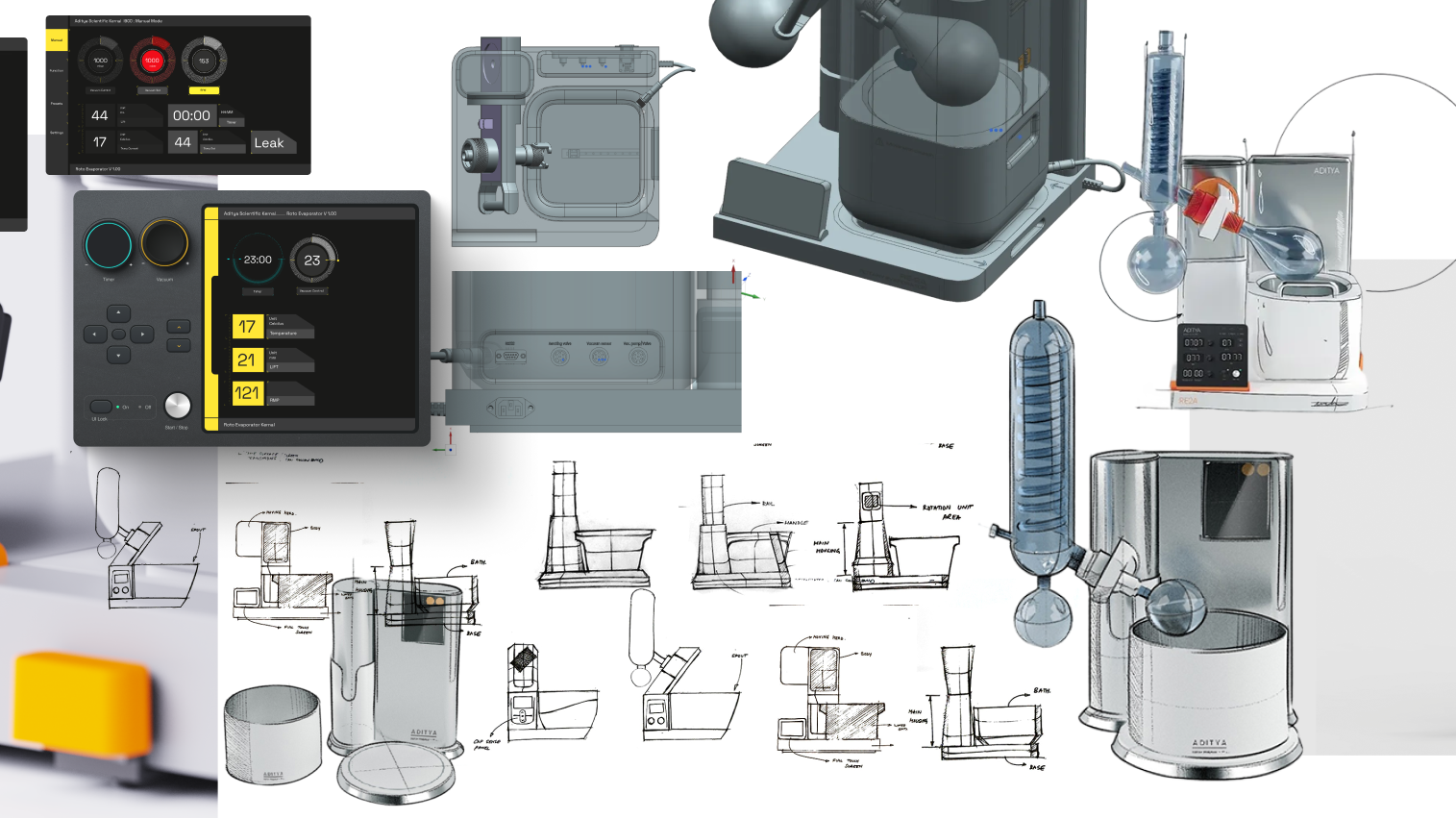
Interface research board with screens and hardware references

Hardware and electronics architecture

Board, battery, sensors, antennas and heat paths laid out with the enclosure, so size, range and battery life are designed rather than discovered.
Phases 1–2
02 / 05Next ↓
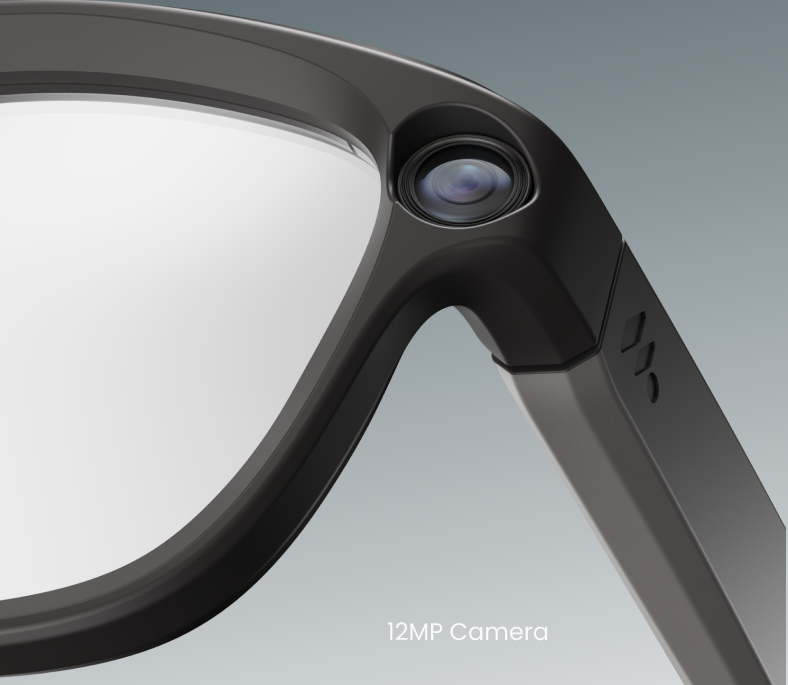
Detail of a camera built into the hinge of smart glasses

Industrial design

Form, materials and controls that make complex technology feel simple, designed around the parts inside rather than in spite of them.

Explore industrial design
03 / 05Next ↓
A hand opening a wellness device to refill its tray

Connected prototypes

Prototypes that test form, fit, controls and connectivity together, so you learn how the product behaves in a real home, car or hand.
Phase 2
Explore prototyping and MVP
04 / 05Next ↓

Where it fits

Connected products run through every phase of Product Path™.

The most risk sits in phases 2 and 3, where electronics, enclosure and certification meet. That’s where having one team matters most.

Phase 1

Concept and strategy

Connectivity, battery and antenna choices are made here, before the form is fixed.

Phase 2

Engineering and prototyping

Enclosure, boards and app are prototyped together and tested as one system.

Phase 3

Manufacturing and scaling

Certification, PCB assembly and enclosure tooling planned in one schedule.

Phase 4

Launch

App onboarding, packaging and launch content for a connected product.

IoT product design, step by step

How a connected product comes together

How a connected product is defined, designed, tested and readied for a factory. Swipe or scroll sideways, or jump to a step.

Define the system

Removes the risk that you connect the wrong things.
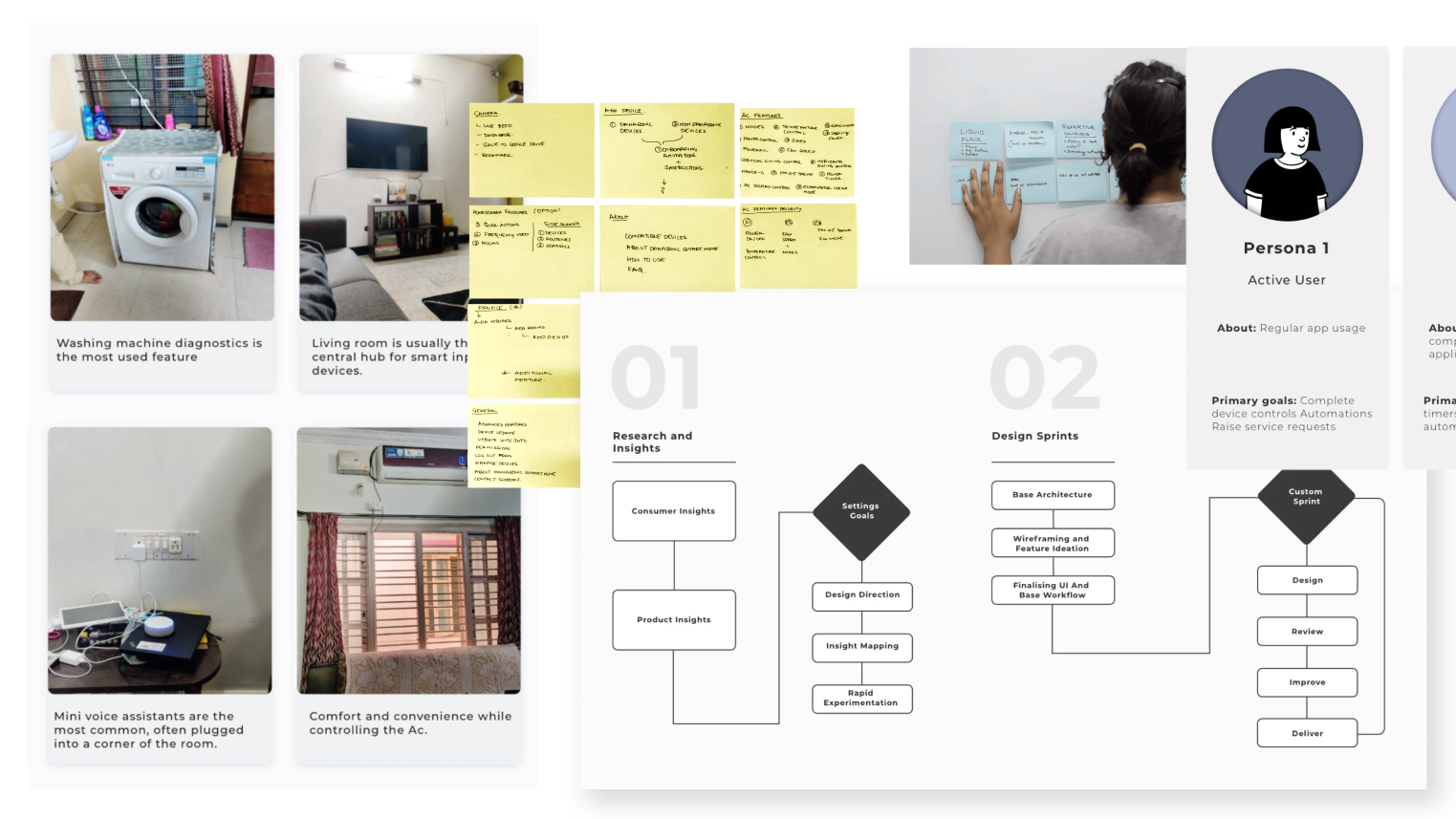
Design thinking board mapping how people use a smart home app
The decision

What should the product do, what needs connectivity, and what are the power and size limits?

You walk away with

Use cases, a feature list, a system architecture and an early feasibility check on battery, range and cost.

How long

1–2 weeks

Design and architect

Removes the risk that the electronics don’t fit the design.
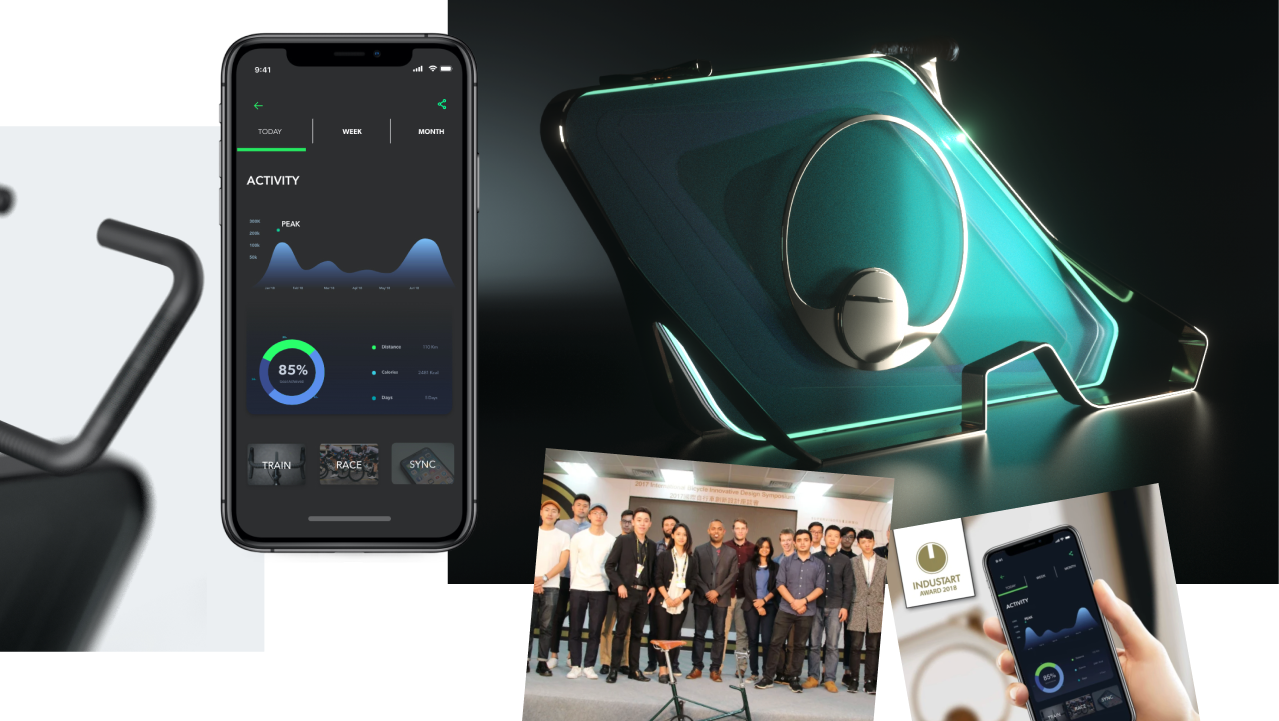
Exercise bike app screens with ride and lighting controls
The decision

Can the form, board, battery and antenna live together at the size people want?

You walk away with

Industrial design directions, electronics layout coordination and enclosure CAD.

How long

3–4 weeks

Good to know

Steps one and two together are phase 1, usually 4–6 weeks.

Build and test as one system

Removes the risk that it works on the bench and nowhere else.

Phone app controlling lighting colours on an exercise bike
The decision

Does it connect, last and behave in real conditions?

You walk away with

Connected prototypes, range, battery and thermal tests, user feedback and a first BOM.

How long

8–14 weeks

Prepare for production

Removes the risk that certification or cost stops the launch.
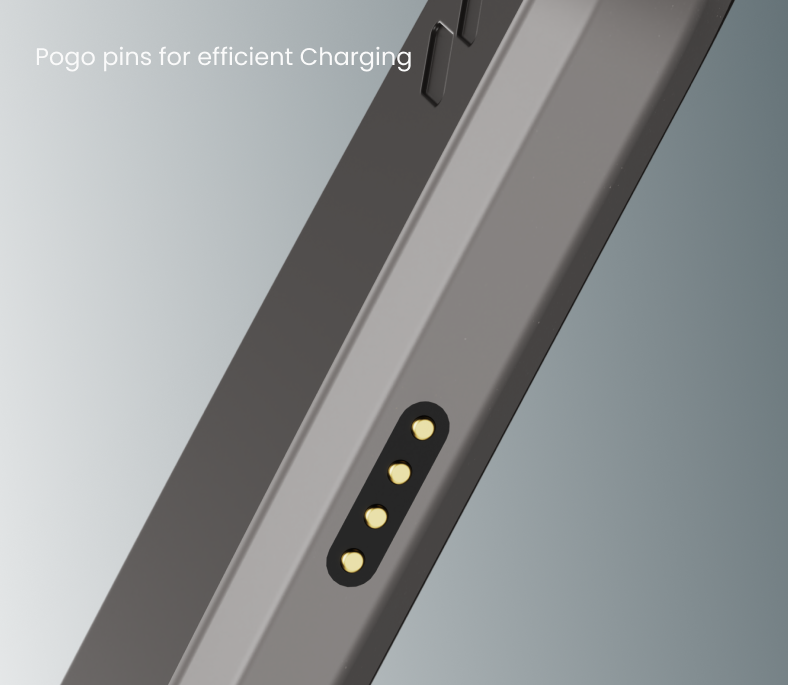
Pogo-pin charging contacts on the arm of smart glasses
The decision

Can it be made, certified and sold at the price you need?

You walk away with

DFM, vendor quotes, a production BOM and a certification plan for FCC and other requirements.

How long

10–16 weeks

Service: design for manufacturing

Where should a connected product start?

Most start at concept, because connectivity decisions shape everything after. If you’re further along, here’s where we’d point you.

Electronics working, enclosure not designedIoT product design
A connected idea and no architecture yetIoT product design
An app team and hardware nobody has designedIoT product design
A connected prototype that drops its signalPrototype development
A connected product heading for FCC testingDesign for manufacturing

What IoT product development costs, before you have to ask

No hourly billing and no open-ended retainers. You get a custom proposal for the phase you need.

Connected products usually sit at the higher end of a first-product budget, because electronics roughly double the engineering. Phase 1 usually starts around $10,000–$15,000.

After a free call you get a custom proposal, so you know the full number before you commit.

What drives the cost of a connected product

Where a connected product lands comes down to six things.

Board and firmware scope

Sensors, power management and firmware roughly double the engineering of a mechanical product.

Connectivity

Wi-Fi, Bluetooth, cellular and LoRa each bring different antenna, power and certification needs.

Battery and power

Battery life targets drive size, cost and thermal design.

Companion app

An app adds a parallel software track. We coordinate it with your app team or partners.

Radio certification

Connected products sold in the US usually need FCC; mains power adds UL or ETL.

Existing electronics

A working board or proof of concept can shorten phase 1. We’ll tell you on the first call.

Radio and safety testing, billed by the lab

FCC and safety lab fees, tooling and production units are invoiced to you directly. We plan the tests and take no commission on any of them.

Unsure about the electronics? Start with a feasibility sprint

A small fixed-fee sprint tests one connected-product question in two or three weeks, such as range, battery life or antenna placement. Start a phase within six months and the sprint fee comes off the price.

Why founders design connected products with one team

Hardware and electronics designed together

The enclosure, board and antenna are worked out by people at the same table.

Built for the factory

DFM and certification planned from the first sketch, with 150+ partners and a team in Shenzhen.

Products people keep using

We design the experience first, so connected features make a task easier instead of adding steps.

Connected products: separate vendors, an IoT agency, or us
QuestionSeparate vendorsA software-led IoT agencyAnalogy
Who fits the board inside the enclosureYou negotiate itAn outside design firmOne team, from the first sketch
Who owns antenna and battery placementNobodyThe electronics vendorIndustrial designers and engineers together
Experience designSeparate app studioApp first, hardware laterHardware and app experience designed together
Path to the factoryYour problemOften outsourcedOur Shenzhen team and 150+ partners

IoT product design for US founders, without the Bay Area price

Connected products have more moving parts across time zones. Here’s how we keep them in step.

FCC planned from phase 1

Radio choices and antenna placement are made with US certification in mind, not discovered at the test lab.

Your app team, in the loop

We coordinate hardware decisions with your US app developers on shared reviews.

Devices shipped for testing

Prototype units are couriered to you for real-home testing on your network.

Connected categories we work in

Smart homeWellness devicesCar accessoriesFitness techSmart glassesAudio

Guides for connected hardware founders

Reading for founders building connected products. All articles

IoT product design questions, answered

Have a connectivity or certification question? Ask us; we reply within one working day.

What is IoT product design?

IoT product design creates connected physical products that combine hardware, electronics, connectivity and user experience: the form and controls, the sensors and components inside, and how people interact with it all.

What does an IoT product design service include?

Product strategy, industrial design, user experience, electronics architecture and integration, mechanical engineering, prototyping and production preparation. The scope depends on how far your product has already come.

How much does IoT product development cost?

Most first products land between $51,000 and $85,000 over 9–14 months, and connected products tend to sit higher in that range. Phase 1 usually starts around $10,000–$15,000, and you get a custom proposal after a free call.

How long does IoT product design and development take?

Usually 9–14 months from concept to production-ready for a full connected product, depending on electronics, connectivity and certification.

Can you design an IoT product from an early idea?

Yes. A sketch, a reference or a product brief is enough to start. The first phase defines the use case, the user, the connected features and the physical experience.

What are IoT product engineering services?

The work of turning a connected concept into a technically feasible product: mechanical architecture, electronics integration, component placement, enclosure engineering, thermal design and assembly planning.

Why should industrial design and IoT engineering happen together?

Both decide the product’s size, layout and controls. Designed together, the experience and the technology support each other; designed apart, one usually gets compromised.

Do you design the electronics and firmware?

Our engineers coordinate PCB and firmware work alongside the mechanical and industrial design, with specialist partners where a project needs them, so the board and enclosure are designed together.

Do I need a working prototype before starting?

No. Many projects begin with an idea, an existing PCB or a proof of concept. If you have a prototype, it becomes valuable input for the next version.

Do you help with FCC and other certifications?

Yes. We map the certifications your connected product needs early and design for them before tooling, so certification doesn’t become a late surprise.

How do you prepare an IoT product for manufacturing?

We refine materials, production methods, assembly, component access, tolerances and tooling, get vendor quotes from our 150+ partners, and our Shenzhen team supports tooling and first runs.

Can you work with my US app developers?

Yes. We share hardware decisions, protocols and test units with your app team and review them together in your working hours.

Bring us the connected idea before it gets complicated.

A sketch, a working board in a box, or a product that drops its connection. In 30 minutes we’ll tell you what it takes to make it one product, and roughly what that costs.

If your connected idea needs a simpler first version, we’ll help you find it.