Startup product development for first-time founders.

Your first physical product, taken from idea to factory by one senior team, one phase at a time. Each phase is scoped and priced before it starts, so you can raise, pause or carry on with full control of the budget.

No technical background needed · Stop after any phase · NDA before you share the idea

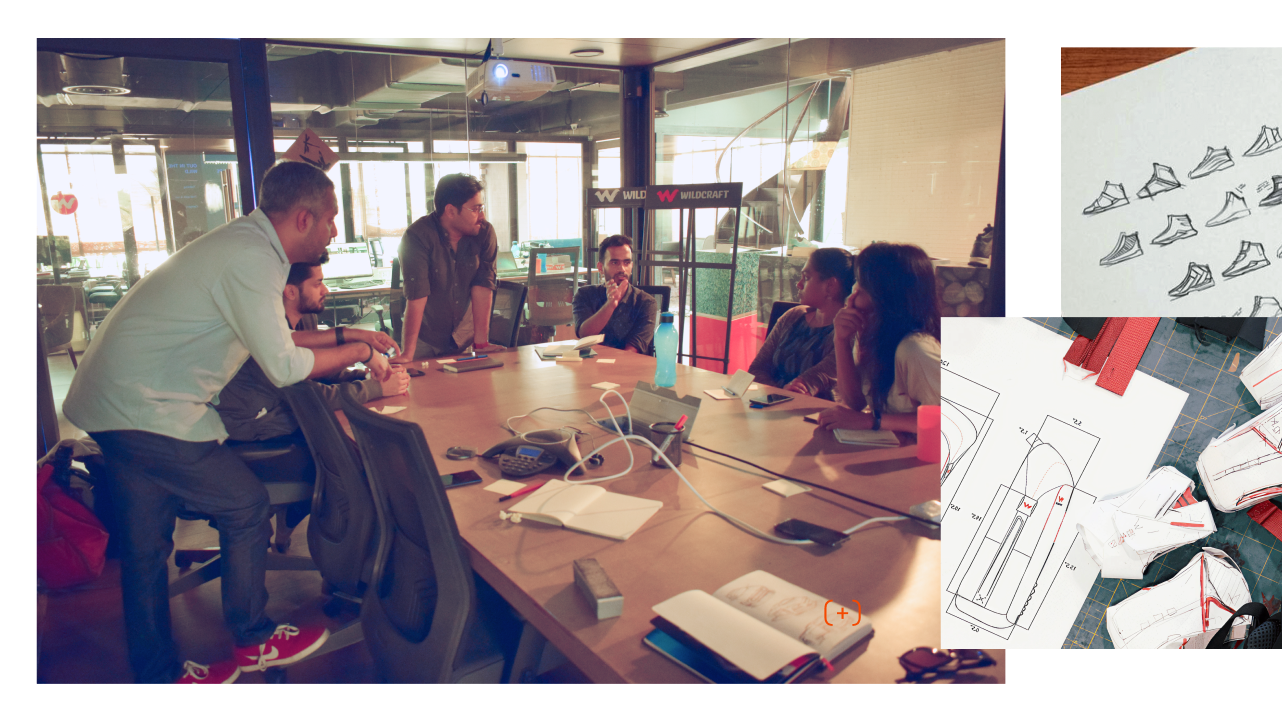
A founder and design team working through sketches around a table
80+

founders we’ve worked with since 2015

$65M+

raised by founders we’ve worked with

9–14 mo

from concept to production-ready, for most first products

4

phases, each priced before it starts, with a stop after every one

Trusted by global brands and 80+ founders

  • Panasonic, an Analogy Design client
  • Google, an Analogy Design client
  • Unilever, an Analogy Design client
  • Mondelēz, an Analogy Design client
  • Maersk, an Analogy Design client
  • Aprilia Racing, an Analogy Design client
  • Marvel, an Analogy Design client
  • Borosil, an Analogy Design client
  • boAt, an Analogy Design client
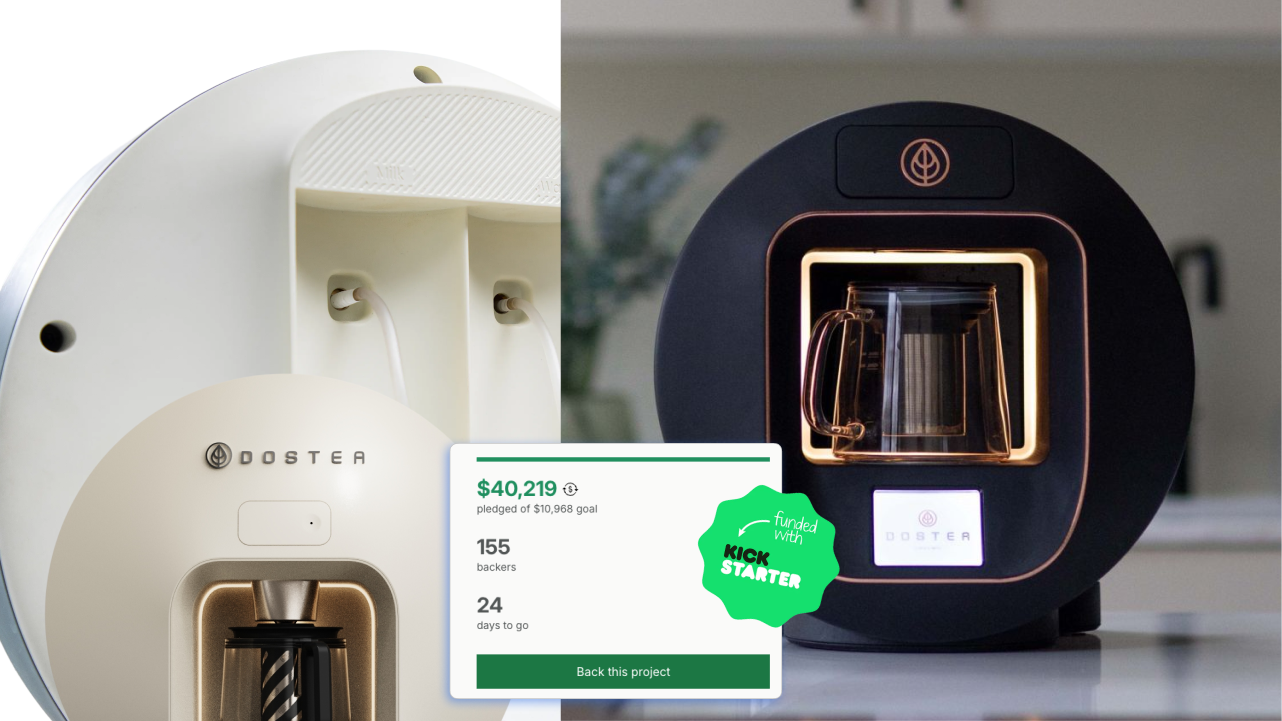
Vinit Lotia, Founder, Dostea Holdings LimitedFounder, Kickstarter-backed tea makerVinit LotiaFounder, Dostea Holdings Limited
“Analogy's team has been exceptional, designing and engineering a groundbreaking product for us. Their professionalism and responsiveness have been key in creating a visually stunning product, and I highly recommend them to any business or entrepreneur looking to develop a product.”

More first-time founders on working with us

First-time founders don’t need more advice. They need fewer handoffs.

Every stage you hire separately is a gap you manage yourself, and gaps are where budgets go.

Most first-time founders piece together a designer, an engineer, a prototyper and a factory, then spend a year translating between them. We run the whole path as one team, explain every decision in plain language, and make sure you can stop after any phase with something you can use.

Not knowing what to ask

BOM, DFM, tooling, certification. You shouldn’t need the vocabulary before you can make good decisions.

Spending the raise on the wrong phase

Polishing renders before the product works, or tooling before it’s tested.

Running out of money halfway

Open-ended billing makes the total impossible to plan.

A product investors can’t believe in

No prototype, no unit cost, no plan to manufacture.

What startup product development includes

Four phases, plus the help first-time founders need between them. Use one, or run them all with the same team.

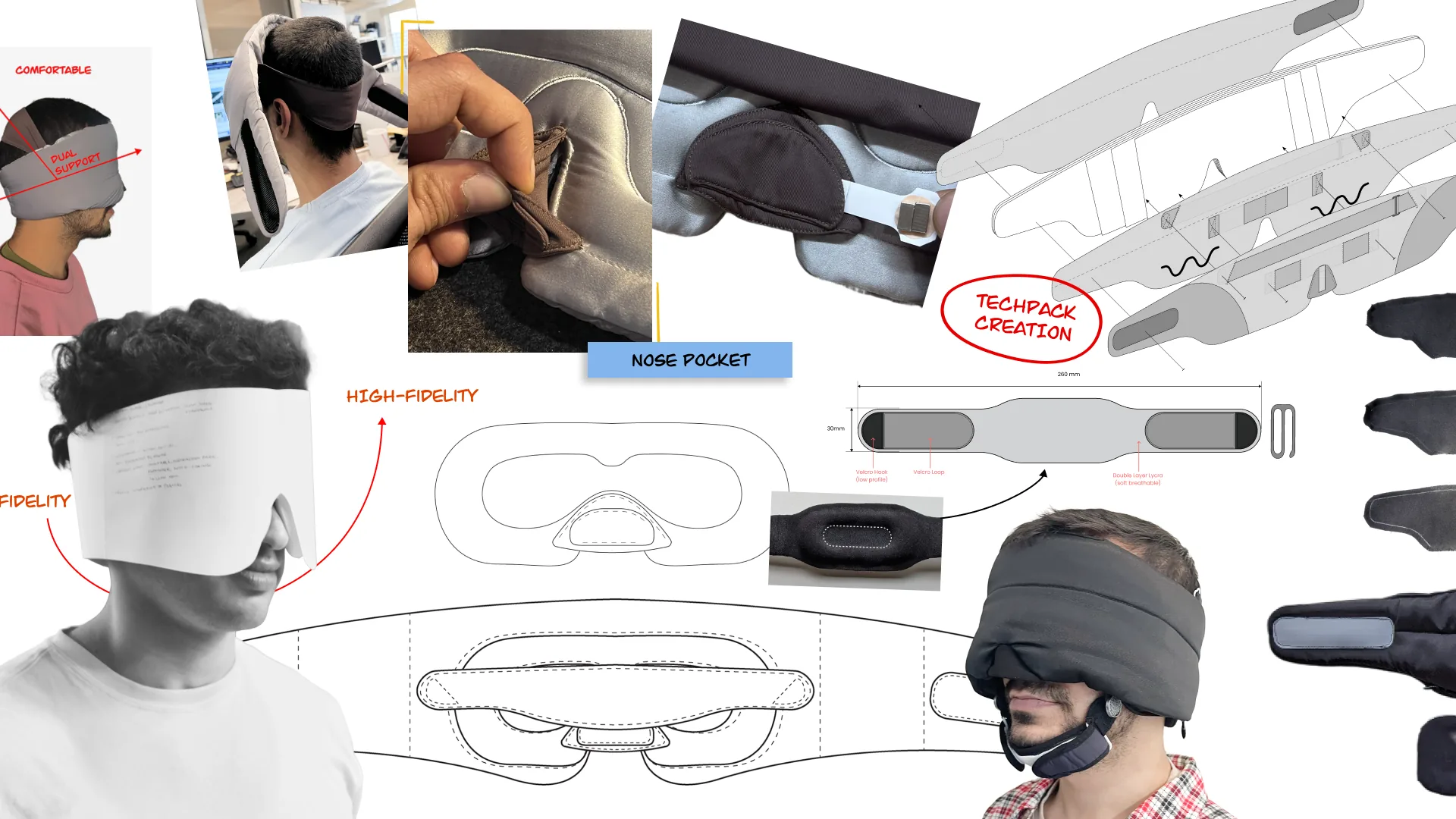
Concept sketches for a sleep mask with nasal and chin supports

Concept and validation

Is the idea worth building, and in what form? Research, three to five directions and one validated concept with an indicative unit cost.
Phase 14–6 weeks
Explore concept design
01 / 05Next ↓
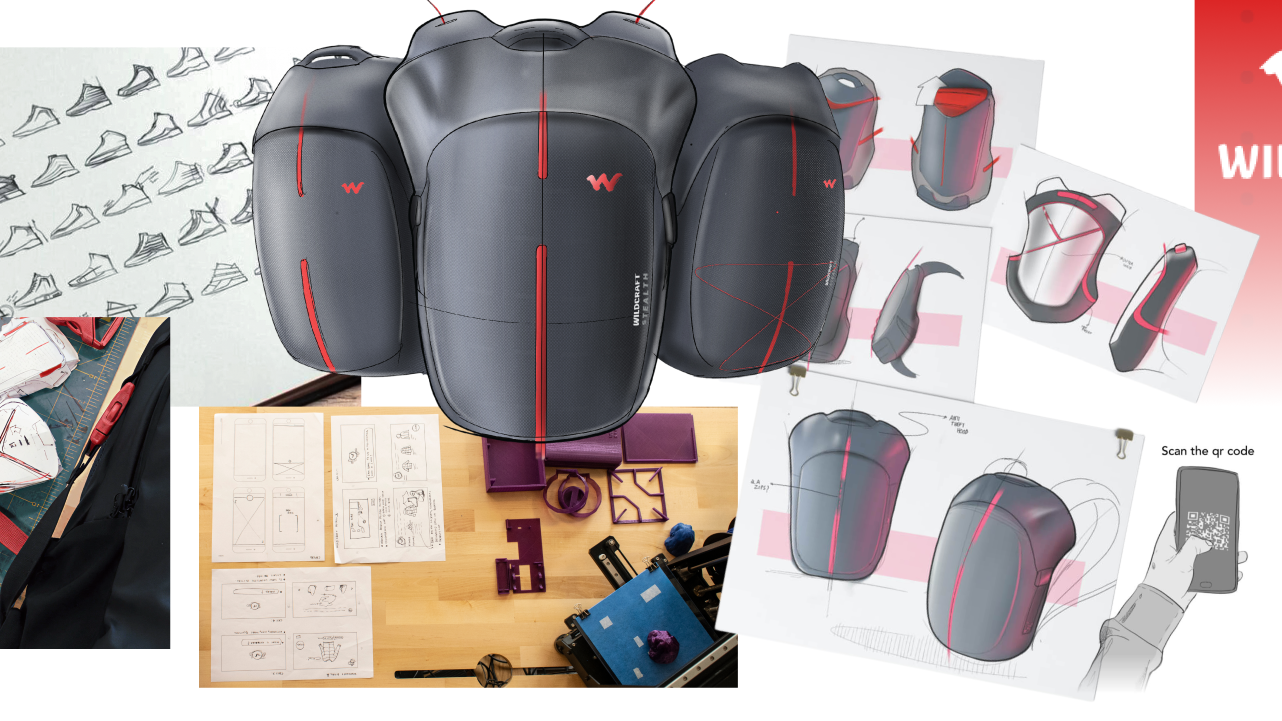
Backpack form studies, prototypes and technical notes

Engineering and prototyping

A working prototype with test reports, user feedback and a first BOM: the thing investors and backers want to hold.
Phase 28–14 weeks
Explore prototyping and MVP
02 / 05Next ↓
A rider wearing an EUME backpack, shot for the crowdfunding campaign

Launch and first customers

Packaging, renders, campaign assets and a go-to-market plan, including Kickstarter launches with partners such as LaunchBoom.
Phase 46–10 weeks
Explore launch support
04 / 05Next ↓

Where it fits

Startup product development is Product Path™, built for first-timers.

Four phases, each built to remove one kind of risk while it’s still cheap to fix. Start where you are, stop after any phase, and keep everything you paid for.

Phase 1

Concept and strategy

Find out if it’s worth building, and what it should cost to make.

Phase 2

Engineering and prototyping

A prototype you can put in front of users, investors and backers.

Phase 3

Manufacturing and scaling

Factory, tooling and unit cost locked before the big spend.

Phase 4

Launch

A launch plan, campaign and packaging so the first units reach buyers.

Your first product, phase by phase

The four decisions every first-time founder makes

What a first-time founder decides, spends and gets at each phase. Swipe or scroll sideways, or jump to a phase.

Should I build this?

Removes the risk that you spend a year on the wrong idea.
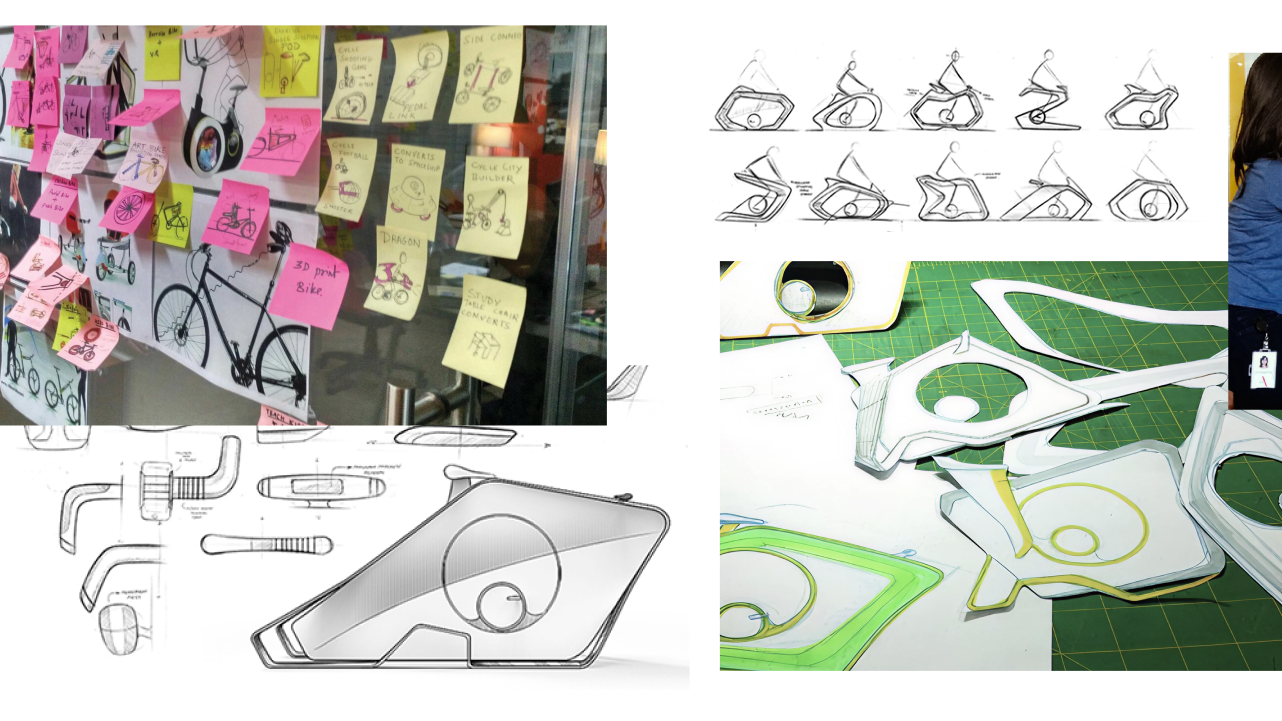
Sticky notes and sketches from an exercise bike concept session
The decision

Is there a product here that people want, at a price you can make it for?

You walk away with

User research, three to five directions, one validated concept in CAD and an indicative unit cost.

How long

4–6 weeks

Good to know

Most first-time founders arrive with nothing drawn. That’s normal.

Service: concept design

Does it work?

Removes the risk that your demo fails in front of investors.
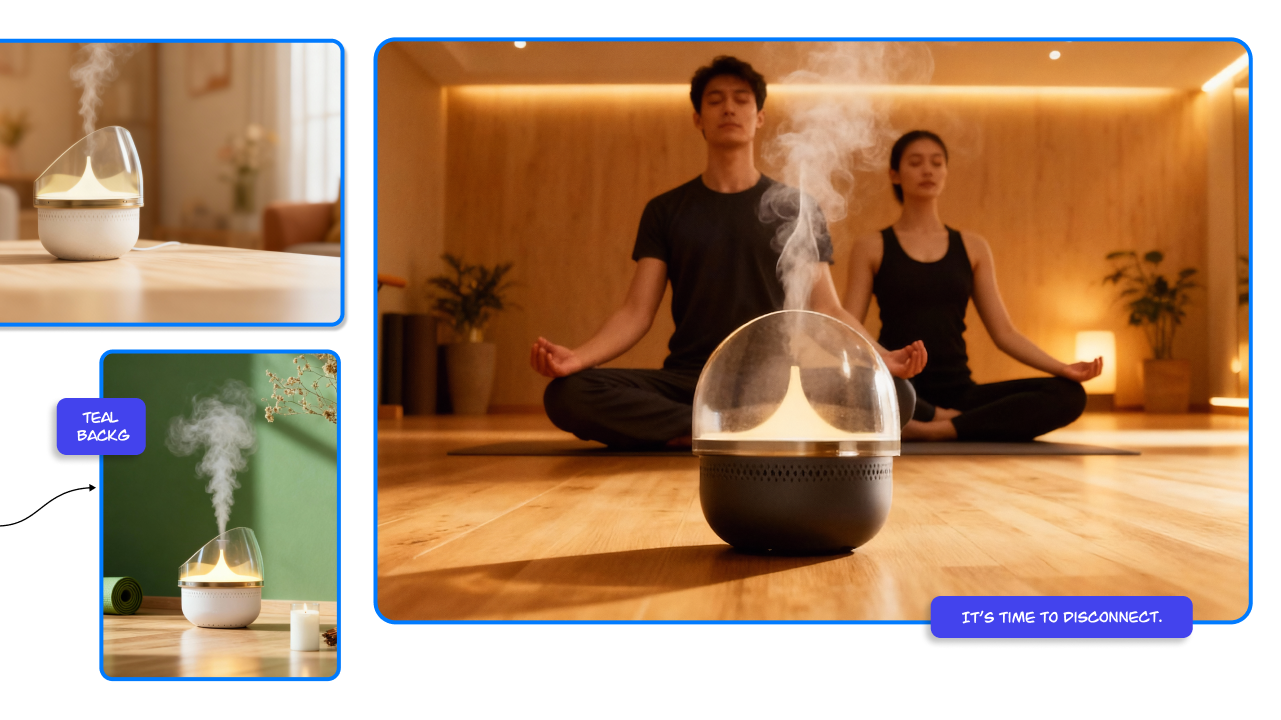
Board showing a wellness diffuser in use during meditation
The decision

Can it be built, and does it hold up in the hands of real users?

You walk away with

A tested prototype, user feedback, a first BOM and a cost model you can show investors.

How long

8–14 weeks

Good to know

This is usually the phase founders raise on.

Service: prototyping and MVP

Can I afford to make it?

Removes the risk that tooling eats the whole raise.
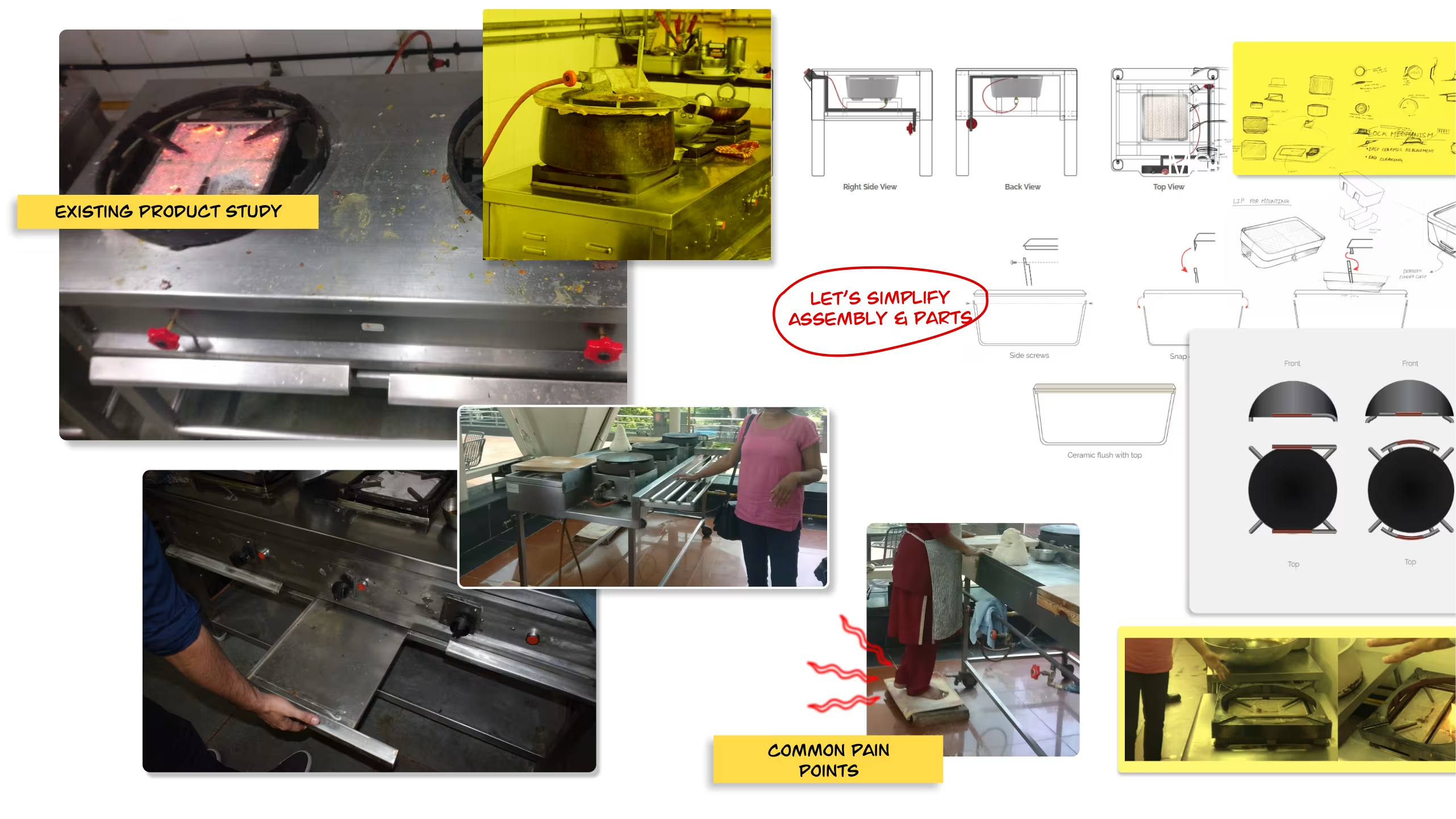
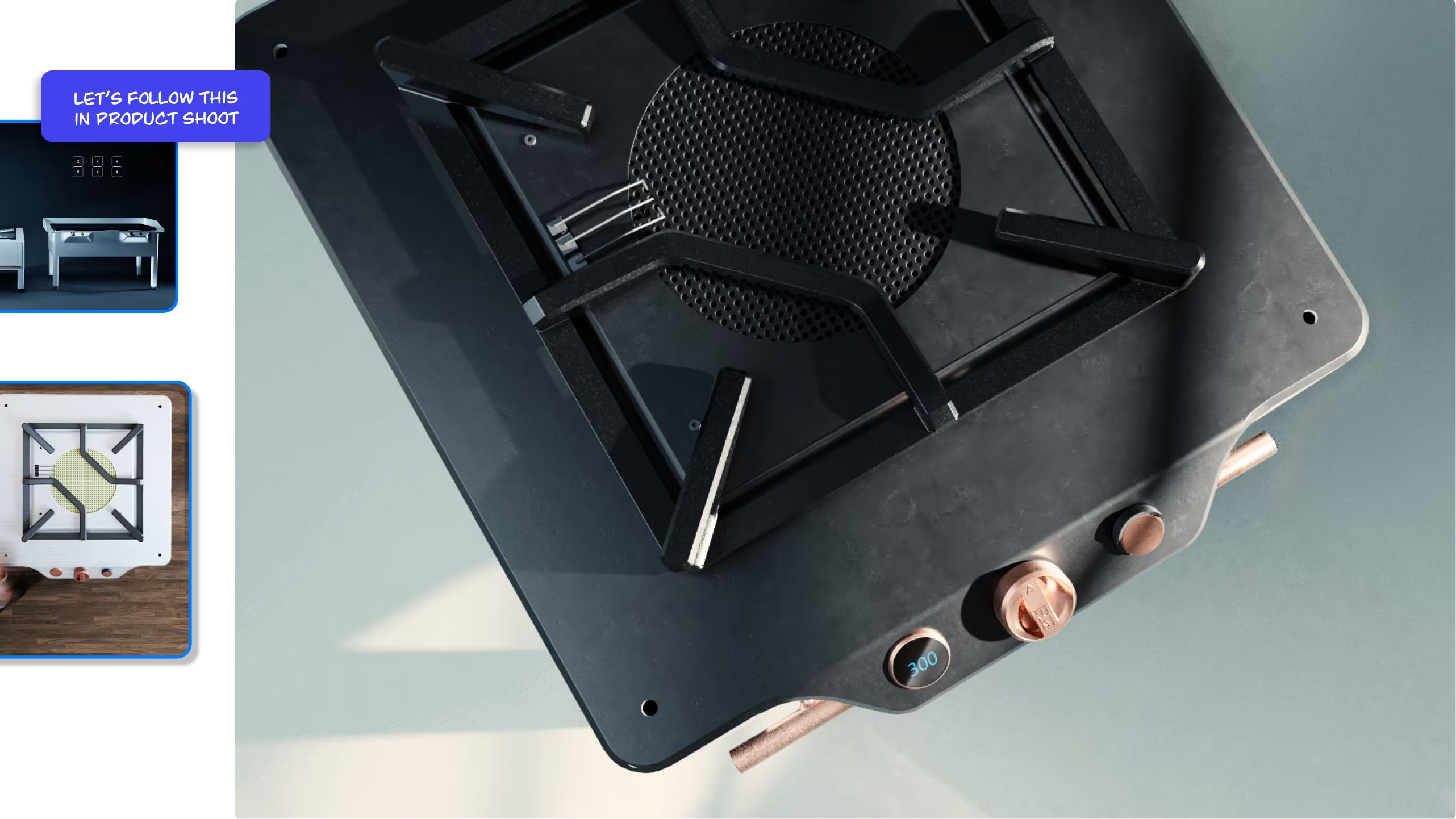
Development board for a commercial stove with prototype photos
The decision

Which factory, what tooling, and what each unit really costs.

You walk away with

Manufacturing drawings, vendor quotes, a tooling plan, QC steps and the certifications you need.

How long

10–16 weeks

Good to know

Tooling is paid to the factory directly. We get it quoted before you commit.

Service: design for manufacturing

Will anyone buy it?

Removes the risk that the first units sit in a warehouse.
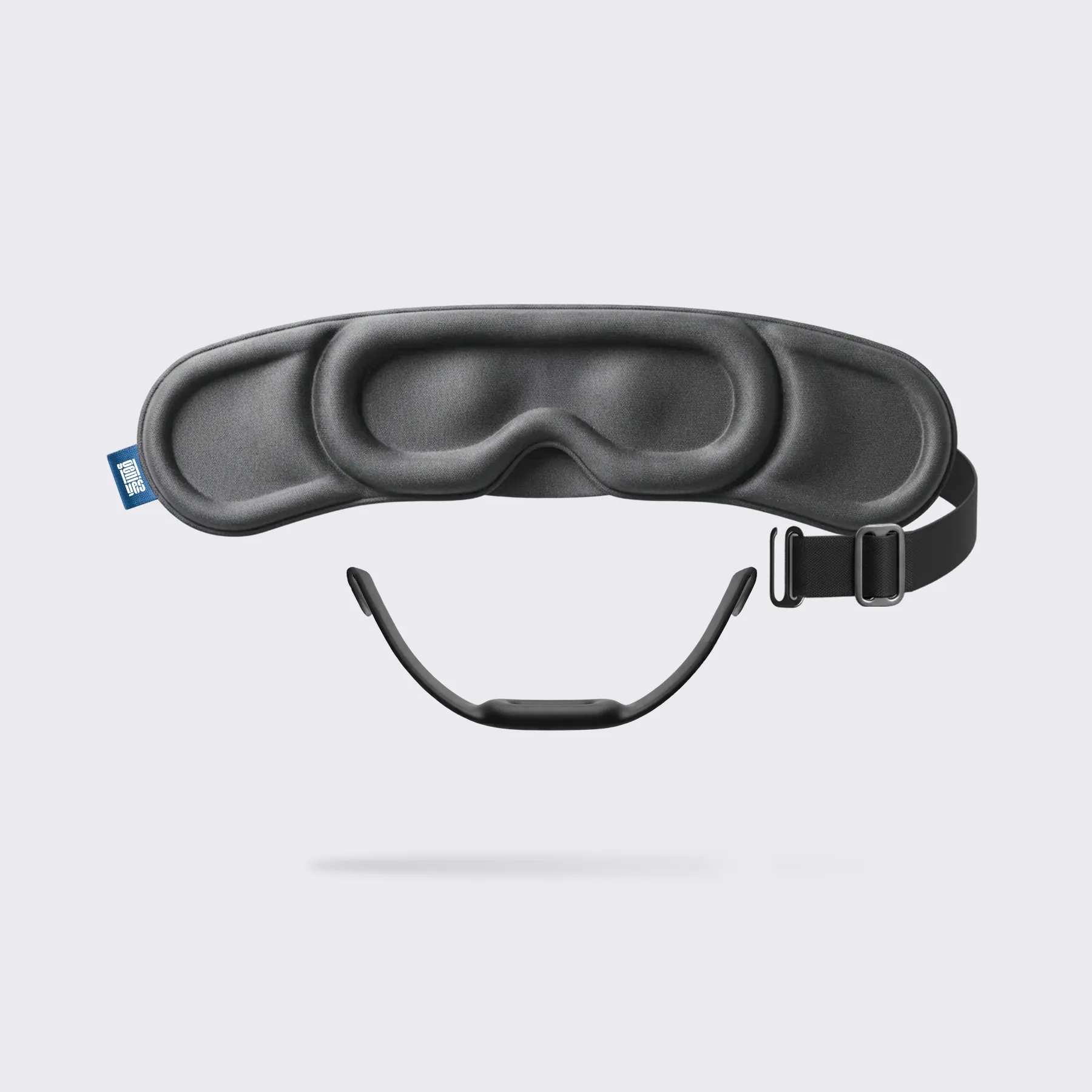
Finished sleep mask with its nasal dilator and chin strap
The decision

How do the first units reach the first customers?

You walk away with

Packaging, renders, campaign assets and a launch plan, with crowdfunding partners where it fits.

How long

6–10 weeks

Good to know

An audience before launch day matters more than the launch itself.

Service: launch support

You don’t have to start at the beginning

You don’t have to begin at concept. Tell us what you have and we’ll tell you which service, or which phase, you actually need.

Just an idea, and no idea where to startStartup product development, phase 1
A raise coming and nothing to show investorsStartup product development, phase 2
A freelancer’s design and no factoryStartup product development, phase 3
A finished product and a campaign dateLaunch support
A design you’ve paid for twice alreadyProduct engineering

What your first product costs, before you have to ask

No hourly billing and no retainers. Each phase gets its own custom proposal, so you can raise, pause or carry on.

A first product usually takes 9–14 months from concept to production-ready. Phase 1 usually starts around $10,000–$15,000, and you know each phase’s price before you start it.

You agree the scope and price of each phase before it begins, and can stop after any of them.

What moves a first-product budget

For a first product, six things move the number most.

Whether it has a battery or a board

Electronics roughly double the engineering. Many first products start without them.

How many parts move

Fewer moving parts means fewer prototypes and cheaper tooling.

Where it’s sold

Selling in the US usually means FCC, and UL or ETL for mains power.

How premium it feels

Finishes and materials change both tooling and unit cost.

What you already have

A sketch, CAD or prototype can let you skip ahead.

Your first order

A first run of 500 and one of 10,000 need different tooling.

What isn’t in our fees

Tooling, certification tests and production units are paid to the factory or lab directly, with no commission to us. You see the quotes before you commit.

Not ready to commit? Start with a two-week sprint

A small fixed-fee sprint answers your biggest question first, such as whether it can be built or what it would cost. Start phase 1 within six months and the sprint fee comes off the price.

Why first-time founders choose a studio over a string of freelancers

Plain language, every decision

You make the calls. We explain the trade-offs in words that don’t need an engineering degree.

Stop after any phase

Each phase ends with something you can use: a validated concept, a prototype, a production-ready design.

The senior team, the whole way

About twenty people, on purpose. No junior team behind the senior one you met.

A first product: freelancers, a large agency, or us
QuestionA string of freelancersA large agencyAnalogy
Who explains the trade-offsEach specialist, in their own termsAn account managerThe senior people doing the work, in plain language
Can you stop and raise money?Work stalls between hiresContracts often run onYes, after any phase, with everything you paid for
Who carries it to the factoryYou doA partner networkOur Shenzhen team, with quotes from 150+ partners
Who tells you if it isn’t worth itNobody, they’re paid to buildRarelyWe do. About 60% change course at concept

Startup product development for US founders, without the Bay Area price

Building your first product from the US with a team in Bengaluru and Shenzhen works like this.

Calls at a sensible hour

Every review is booked in your time zone, and you hear back within one working day.

Contracts US investors recognise

Agreements, IP assignment and invoicing set up for US companies, phase by phase.

More runway for the same product

Senior design and engineering at a fraction of Bay Area rates, so your raise goes further.

First products we’ve helped launch

Smart glassesBeverage machinesSleep techDental devicesWellnessBags and carry

Guides for founders building a first product

Reading on funding and protecting a first product. All articles

Startup product development questions, answered

First product, lots of questions? Ask anything; we reply within one working day.

Do I need an engineering background to build a hardware product?

No. Most founders we work with are building their first physical product. We explain every decision in plain language and you make the calls.

How much does it cost to develop a first hardware product?

Phase 1 usually starts around $10,000–$15,000, and each later phase is priced before it starts, so you never commit to the whole budget at once. After a free call you get a custom proposal for the phase you need.

How long does a first hardware product take?

Usually 9–14 months from concept to production-ready, across four phases, plus review time and vendor lead times.

I only have an idea. Is that enough?

Yes. Most founders arrive with nothing drawn. A sketch, CAD or prototype lets us start further along.

What if I can’t afford a full phase yet?

Start with a small fixed-fee sprint that answers your biggest question in two or three weeks. If you start phase 1 within six months, the sprint fee comes off the price.

Can I pause between phases to raise money?

Yes. Each phase is priced on its own and ends with something you can use, so many founders raise between phases.

What will investors want to see?

Usually a working prototype, a unit cost, renders and a manufacturing plan. EUME raised a ₹15 crore pre-Series A on the prototype we built together.

Can you help with a crowdfunding launch?

Yes. Phase 4 covers packaging, renders, campaign assets and a launch plan, with partners such as LaunchBoom. See our launch support service for details.

What if my idea isn’t worth building?

We’ll tell you. About 60% of founders change course at concept, and finding out there costs weeks rather than a year.

What costs sit outside your fees?

Tooling, certification tests and production units are billed to you by the factory or lab, with no commission to us.

Is my idea protected when I share it?

Yes. We sign an NDA before you share anything sensitive, and you own the idea and everything we make for it.

What happens on the first call?

Thirty minutes on your idea, what it would take to build and roughly what it costs. Afterwards you get a custom proposal for the phase you need.

Bring us the idea you can’t stop thinking about.

A sketch, a voice note or a napkin drawing. In 30 minutes we’ll tell you what it takes to build, roughly what it costs, and whether you should build it at all.

If building it isn’t the right move yet, we’ll tell you what to do first.