Health & Wellness design for founders.
We take health and wellness founders from concept to production. Comfort tested on real bodies, claims and standards planned early, and the electronics, materials and tooling settled before you commit to a factory.
Free 30-minute call · NDA before you share the idea · You own every sketch
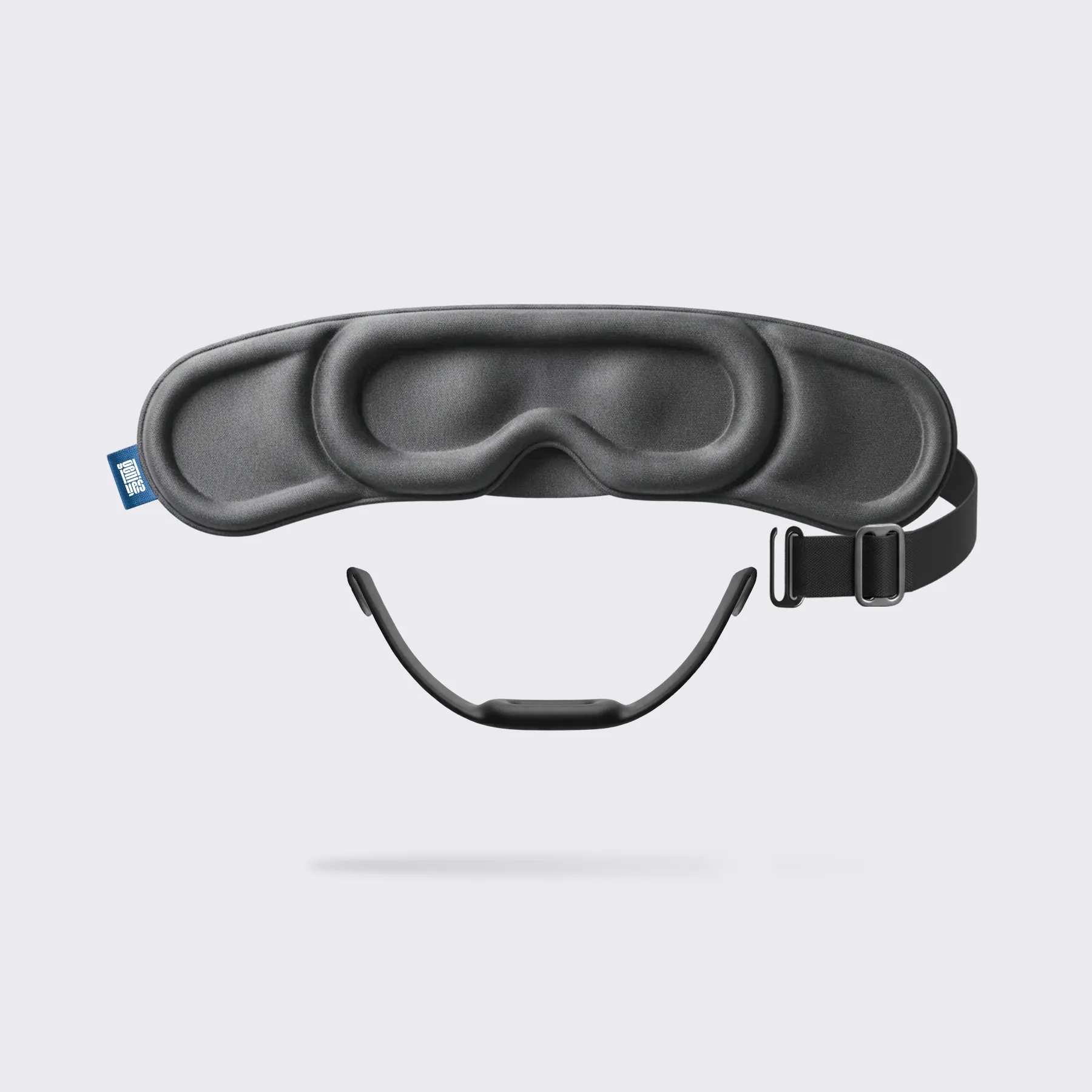
health and wellness products designed
shipped and selling in the real world, across all our industries
from concept to a Kickstarter-ready sleep mask for Sleepmaxxer
What health and wellness teams say
Unedited, from the founders behind the health and wellness products on this page.
- Shard

Founder of the Sleepmaxxer sleep maskAkhil KrishnaFounder & CEO, Geniyes Health and lifestyle LLC“Analogy's dedication to craft, and their uncompromising focus on actually launching products, is unparalleled in India. Most teams drift toward feature lists or feel-good claims. Analogy built for the symptom our users actually had, and our health span habits philosophy stayed intact throughout, never diluted, never compromised. They were always a helping hand rather than the driver, but that conviction wouldn't have crystallized into something real without their team's craft and hard work behind it. Grateful for the partnership.”

Founder of iDiyaDipal GandhiFounder, Idiya“It is a pleasure working with Analogy Design team. The team evaluated the product idea in a very organized and professional manner. They are a talented and creative bunch that go above and beyond to design a perfect product. Very pleasant working experience. I will certainly be using Analogy Design services again.”


Founder of a portable dental clinicVivek MadappaFounder & CEO, Mobident Dental Solutions LLP“Meeting Analogy was transformative. Their honesty and acknowledgment of project complexity were refreshing. Their market research and design approach are top-notch, but their real strength lies in translating vision into practical engineering. Under VT's leadership, Analogy's talent is unparalleled. For world-class product design that works, choose Analogy.”
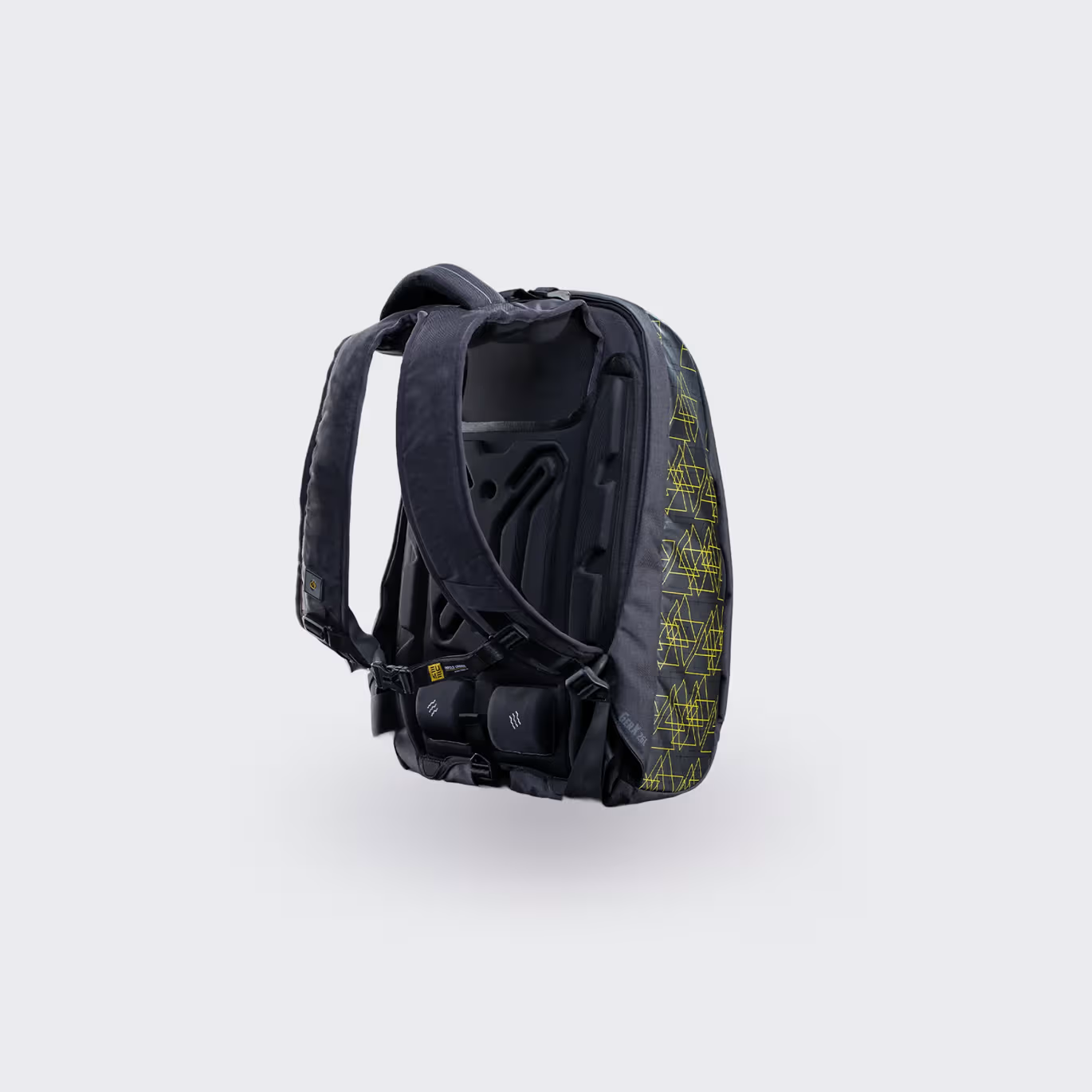
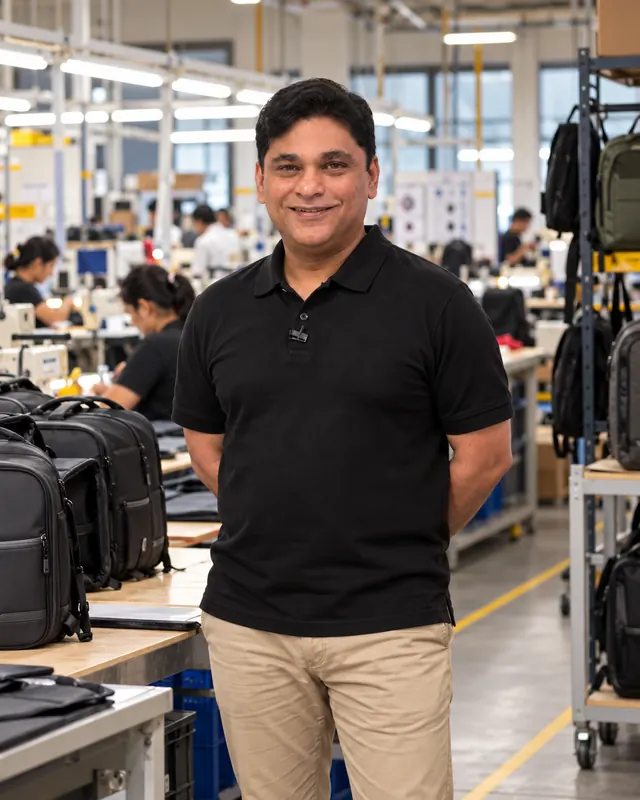
Founder of the Eume massage backpackSanjay ParekhFounder, Eume & Avon Lifestyle“We wanted to create the world’s first massage backpack and we started with Analogy with an idea and they helped us develop the entire brand message, product design with the patented back mechanism as well as the crowdfunding campaign that hit the funding goal in less than 12 hours. We would love to work with them again.”
Our health and wellness work
Straps, eye cups, LEDs, compressors and sensors: the details that decide whether a product is worn, used and kept. Hover or tap to open a project.
Sleepmaxxer sleep maskKickstarter-ready in 8 months
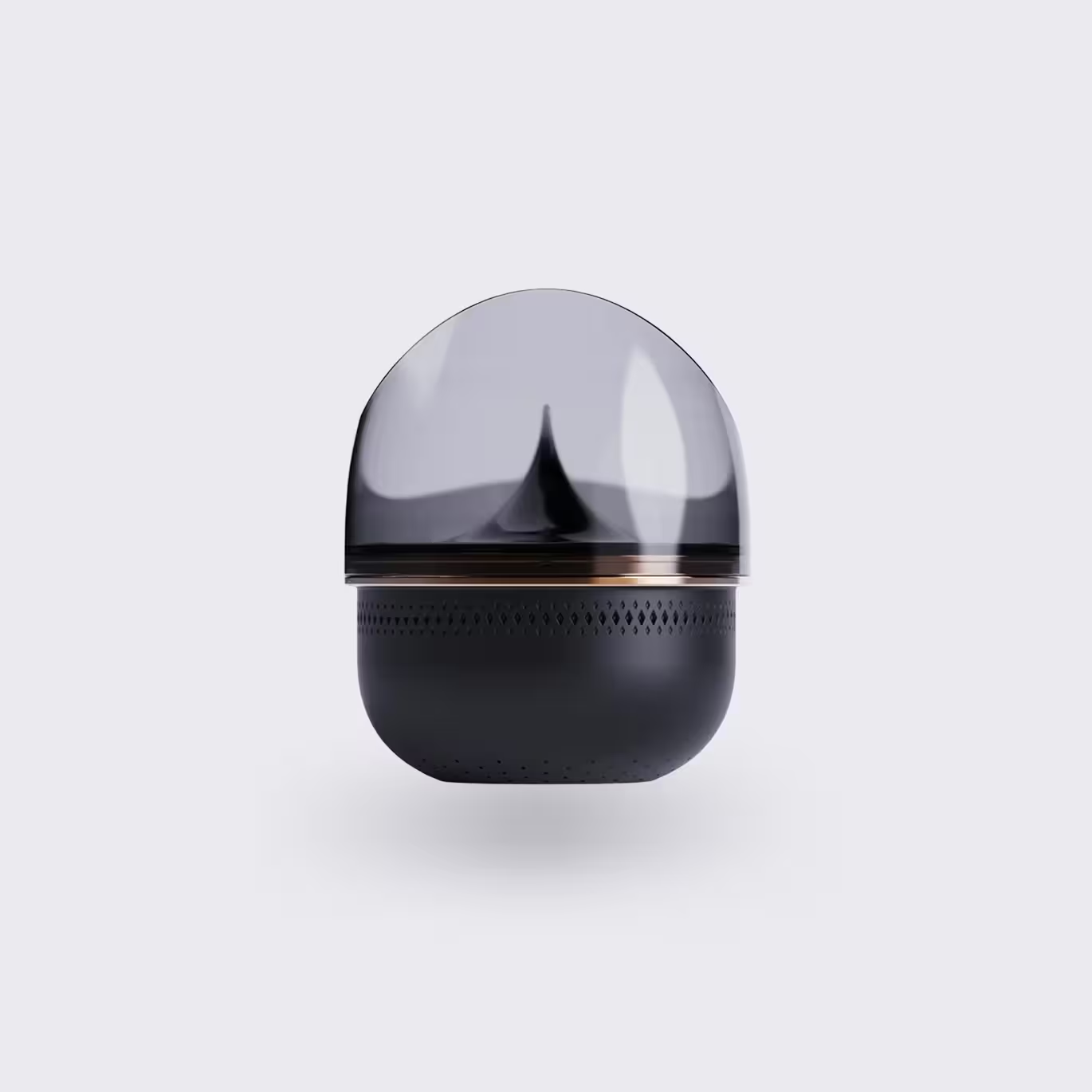
iDiya meditation deviceCrowdfunding-ready for the US and Europe
Mobident dental clinicHalf the parts, half the internal volume
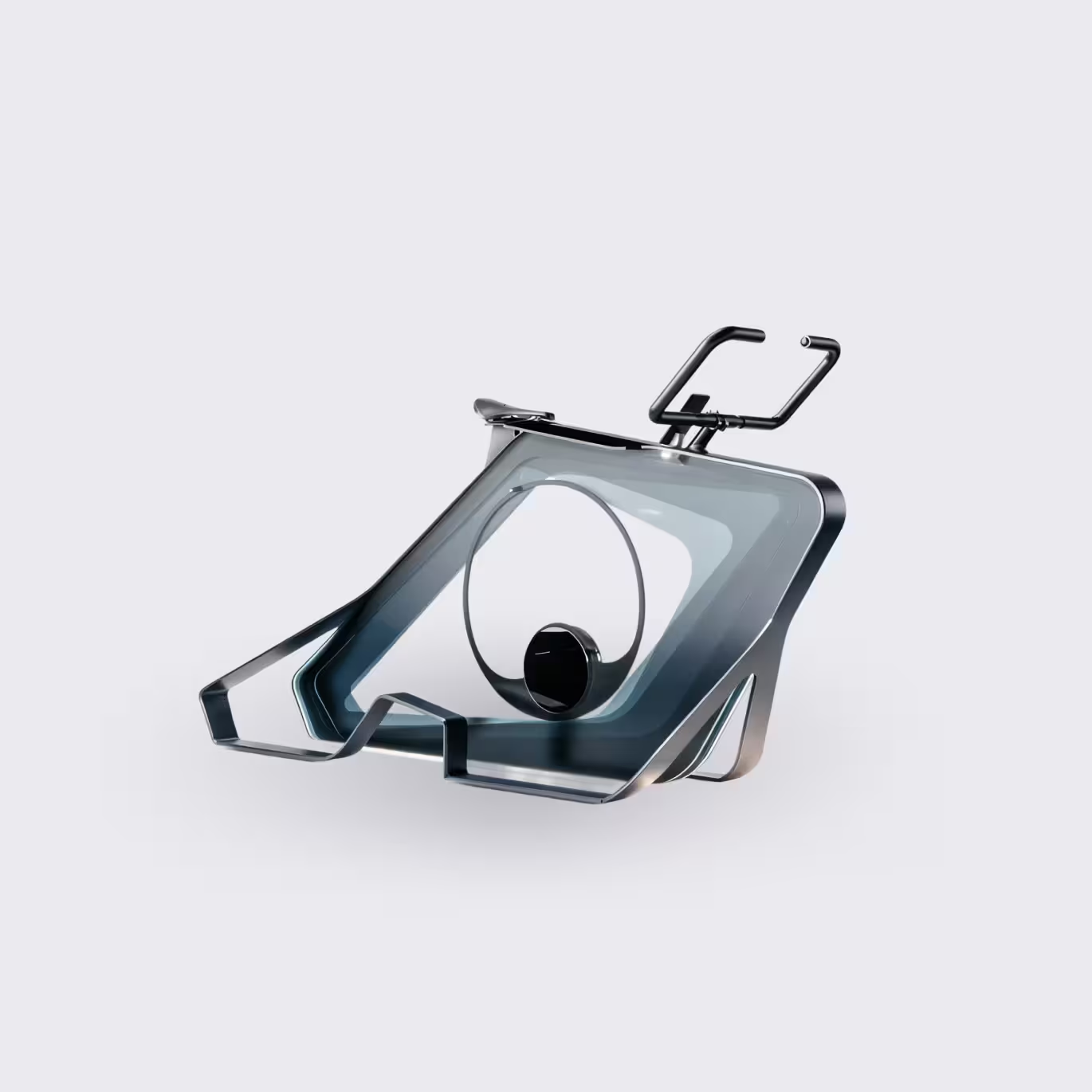
Shard smart exercise bikeAmbient light replaces screens and numbers
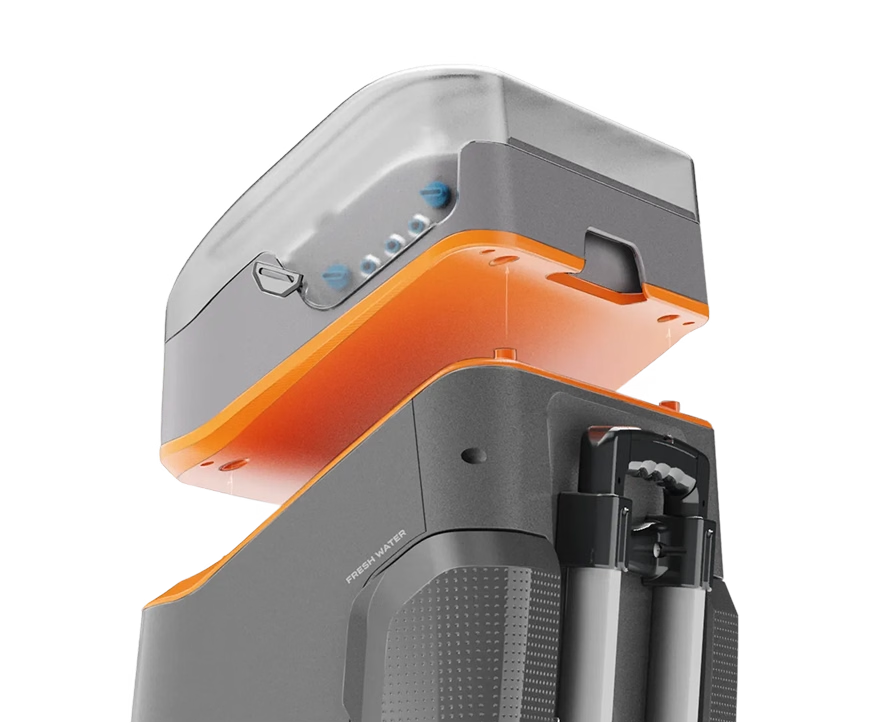
EUME back-care backpackA massager built into the straps
Ergonomic toothbrushDesigned for PepsodentDetails from the bench
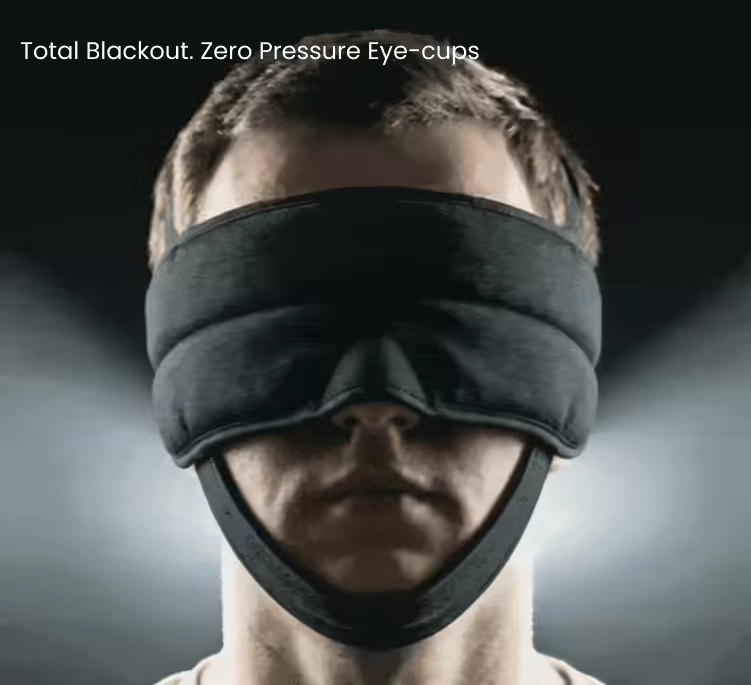
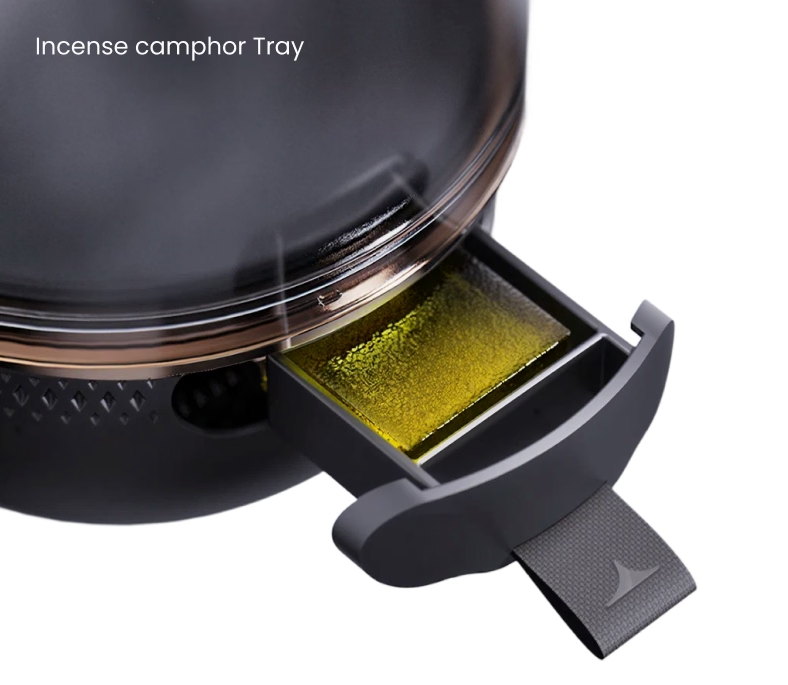
Eye cups, straps, light and airflow: the small parts that decide whether people come back to a product.


Where founders get stuck
Most health and wellness founders arrive stuck at one of three points. Here’s how each one played out.
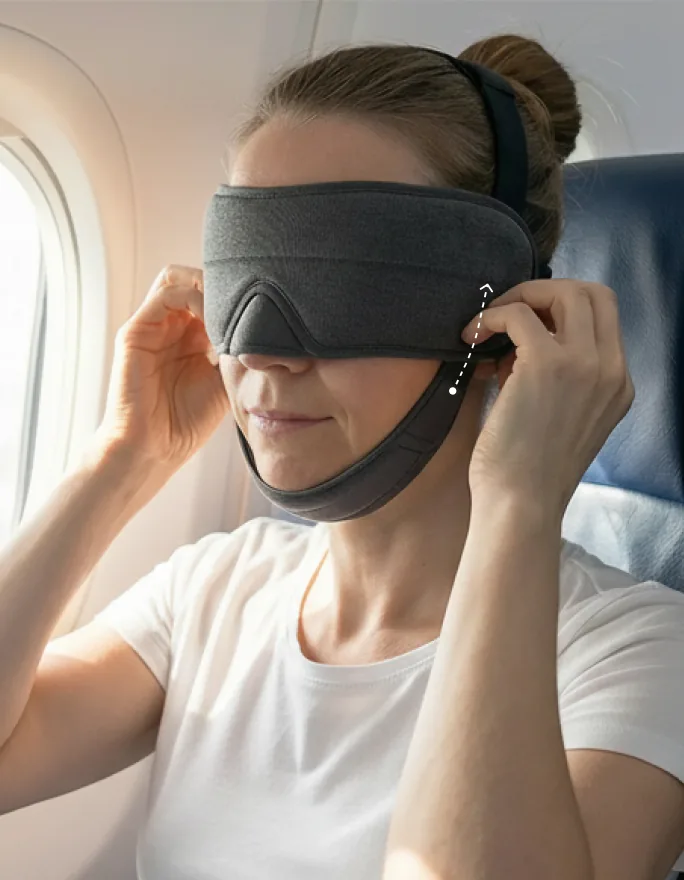
01 · Fit on the bodyIt has to feel right on the body. Customers drop products that press, slip, run hot or can’t be cleaned.
We test fit and pressure on real bodies across positions, and pick materials that survive washing.
Kickstarter-ready in 8 months
Sleepmaxxer case study
02 · Decide the claimYour claim decides your rules. One word on the box can turn a wellness product into a regulated device.
We agree the claim and risk level with you before the design is fixed, so materials, enclosure and testing fit the path.
One system rebuilt from eight years of fragments
Mobident case study
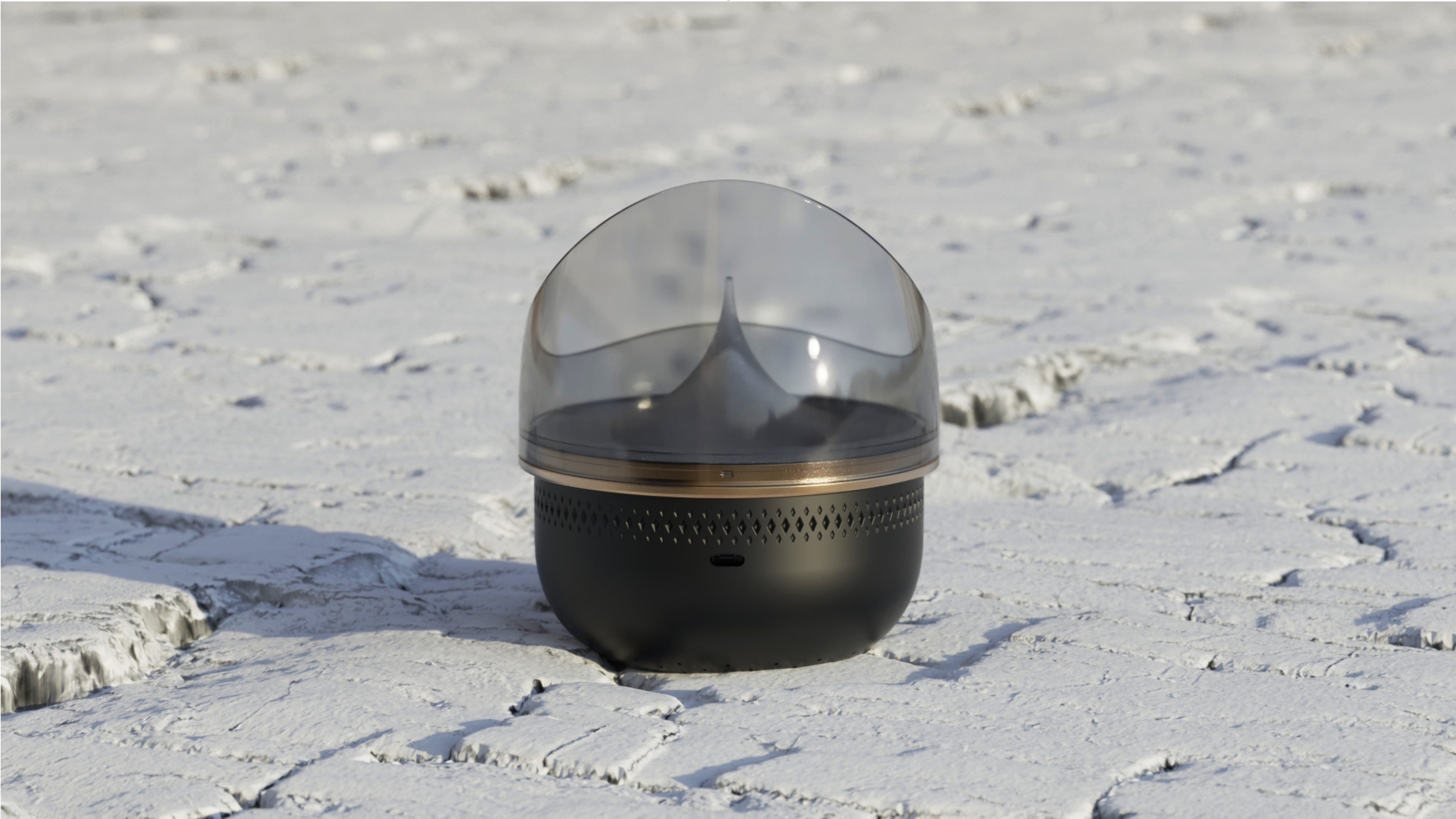
03 · Prepare for productionToo much electronics for a small body. Light, sound, sensors and batteries are hard to cool, charge and build.
We keep the architecture modular and remove electronics the product does not need.
Mobident: half the parts. iDiya: crowdfunding-ready hardware
iDiya case studyWhat it takes to bring a health and wellness product to market.
Your claim, skin contact, batteries and tooling decide the budget. No hourly billing: each phase is scoped and priced before it starts.
Fit on the body comes first
Comfort, pressure and cleaning decide whether people keep using it.
How many people you design for
More body sizes and sleep or wear positions mean more fit testing and more prototypes.
You pay Analogy
Phase 1, industrial design and concept. A simple consumer product sits at $15k–$25k, a medical device at $50k–$75k
Safety and claims are designed in
Batteries, radios and skin contact each bring their own tests.
Your claim and the markets you sell in
A wellness claim and a medical claim follow different rules. Decide early, and plan each market together.
You pay the labs
Certification (FCC, CE, UL, BIS and others), quoted separately for your markets. Billed directly by the lab, no commission. A medical-device path adds $30k–$80k and 6–12 months
Tooling commits you early
Once steel is cut, changes are slow and expensive.
Number of moulded parts
Housings, soft-touch parts and seals each need their own tool. Fewer, smarter parts cost less.
You pay the factory
Per mould, billed directly by the factory, separate from development. Fewer, smarter parts cost less
Unit cost sets the shelf price
Electronics, materials and assembly decide your margin.
Electronics and connectivity
Sensors, light, sound, an app or a battery add firmware, testing and cost per unit.
You pay Analogy
Phase 2 engineering. Off-the-shelf modules about $25k, custom connected devices past $100k
Bring a sketch or a sample to a free 30-minute call and leave with a rough budget and timeline.
From sketch to shelf, one stage at a time.
Explore ideas and directions.
Refine form, use and details.
Resolve parts, materials and tolerances.
Build and test the real thing.
Which standards and certifications does a health and wellness product need?
Health and wellness products touch skin, carry batteries and often make health claims, so several sets of rules can apply at once. Standards shape the materials, parts and test time, so plan them early; labs and regulators do the certifying.
| Requirement | Applies when | What to plan for |
|---|---|---|
| Wellness or medical claim | Any product with a health claim | In the US, FDA’s general wellness policy covers only low-risk products meant for general wellness. Claims to diagnose, treat or prevent disease typically make it a medical device, in the US and in other markets. |
| Medical device registration | Medical claims, such as dental equipment | Typically FDA classification in the US, CE marking under the EU MDR and an ISO 13485 quality system. India: CDSCO classes A to D, licence valid five years. Confirm your route with a regulatory specialist. |
| Battery safety and transport | Lithium cells | UN 38.3 for shipping, IEC 62133-2 for cell and pack safety, and UL 1642 or UL 2054 for North America. |
| Radio and EMC | Bluetooth, Wi-Fi or any other radio | FCC in the US, CE in the EU and UKCA in the UK, with radio and EMC testing for each. |
| Skin contact | Anything worn on the skin | ISO 10993 tests for cytotoxicity, sensitisation and irritation. OEKO-TEX Standard 100 for fabrics. |
| Restricted substances | Electronics, plastics and textiles | RoHS and REACH for the EU and UK, and California Prop 65 for the US. |
| Electrical safety, consumer products | Powered products without a medical claim | IEC 62368-1 typically, in its regional versions for North America and the EU. |
| Electrical safety, medical equipment | Powered clinical devices | IEC 60601-1 is the usual standard. Scope to confirm with a lab. |
| Connected-device security | An app, Bluetooth or Wi-Fi | ETSI EN 303 645 is the common baseline for consumer connected devices, and the US Cyber Trust Mark is a voluntary label for the US. |
Requirements depend on the product's intended use, technical configuration and target markets. This information is intended as a starting point for planning and should be validated with an accredited testing laboratory or qualified compliance specialist before finalising the design.
If the product is regulated as a medical device, budget a $30k–$80k regulated add-on and 6–12 months on top.
UN38.3 and IEC 62133-2 testing for lithium cells
$10k–$50k certification, paid to the labs
FCC and CE testing if the product has Bluetooth or Wi-Fi
$10k–$50k certification, paid to the labs
per skin-contact test once a sample is in the lab
$8k–$25k design-validation prototypes
when your test map should be written
$10k–$50k prototyping and testing
Six decisions that make or break a health and wellness product
The details customers notice in their first week and reviewers write about. Each one is cheaper to settle in CAD than on the production line.
Human factors and fit
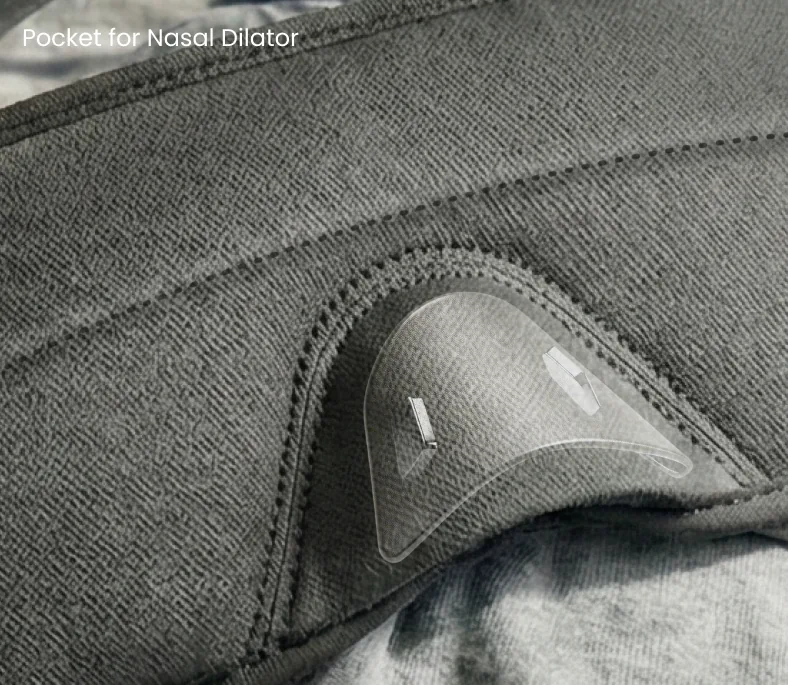
Test across body sizes and positions, not one fit model. Sleepmaxxer was built for side, back and stomach sleepers.
Skin-contact materials and safety
Foams, silicones, fabrics and plastics that are skin-safe and survive washing. Sleepmaxxer’s fabrics were chosen for repeated machine washes.
Hygiene and cleaning
Detachable parts, open corners, no trapped moisture. Mobident’s exposed tubing and hard-to-clean surfaces were redesigned.
Battery and electronics integration
Cell, charge port and enclosure set safety tests, shipping rules and weight. Keep only the electronics users feel: iDiya uses an energy-efficient LED system.
Regulatory classification and claims
Decide the words before the design: they set the regulatory path. A late switch from wellness to medical can mean new materials, tests and paperwork.
Usability validation and reliability
Test with real users over repeated wear, washing and charging, not just a first try. Faults found on real bodies are cheaper to fix before tooling.
Where should your product start?
It depends on what you already have. Find the line closest to where you are today.
What working with us on a health or wellness product looks like
The people who sketch it engineer it
Every concept is checked against fit, safety standards and tooling by the engineers who will build it.
A team of four in Shenzhen
They stay at your factory through tooling, first samples and the first production runs.
Your idea stays yours
NDA signed before you share anything. Every sketch, render and CAD file is yours.
Fixed price per phase
Scope and price are agreed before each phase starts. No hourly billing, no surprises.
Health and wellness design questions, answered
Not here? Ask us on a free call.
How much does a health and wellness product cost to develop?
Full development, concept to market-ready, runs $125,000–$250,000 for wearable and fitness-style products and $75,000–$125,000 for a simple wellness product with no electronics. A product regulated as a medical device runs $250,000–$400,000+, so confirm your path with a regulatory specialist. Phase 1, industrial design and concept, is $15,000–$75,000. Tooling and certification are paid separately, to the factory and the labs, and we suggest holding 10–20% above the core estimate for iteration and redesign.
How long does it take?
It depends on the product. Sleepmaxxer reached Kickstarter-ready hardware in 8 months. A product regulated as a medical device adds 6–12 months for the regulatory path.
Is my product a wellness product or a medical device?
It depends on your claims and the risk. Claims to diagnose, treat or prevent disease make it a device. Confirm with a regulatory specialist before you fix the claims on the box.
How do you design for comfort, fit and skin contact?
We start from the body: fit is tested across sizes and positions with prototypes, and we choose materials with skin contact and washing in mind. Sleepmaxxer was built for side, back and stomach sleepers. A lab then tests the materials against ISO 10993. We do not promise a test result.
What does a battery-powered product need to ship?
Transport testing (UN38.3) and cell safety testing (IEC 62133-2), plus FCC and CE if it has a radio. Certification across your markets typically runs $10,000–$50,000, paid to the labs.
Do you build prototypes?
Yes. Phase 2 delivers a working prototype, test reports, a first bill of materials and a cost model.
Can you help with manufacturing and tooling?
Phase 3 covers design for manufacturing, a vetted vendor shortlist with quotes, tooling recommendations, QC protocols and certification mapping.
Do I keep the IP?
Yes. An NDA is signed before you share anything, and every sketch, render and CAD file is yours.
Your guide to building better health and wellness products.
Practical reading on fit, skin-contact materials, certification, cost and manufacturing for health and wellness founders. Leave your details and we’ll send the guide PDF to your email. Tick the box to also get our newsletter.
Bring us the idea before you fix the claim.
A sketch, a white-label sample or a prototype that needs testing. In 30 minutes we’ll tell you what it takes to get it tested, built and on the shelf, and roughly what that costs.
No spam. If we’re not the right team for your product, we’ll say so.