Consumer Electronics design for founders.
We take consumer electronics founders from concept to production. Hardware that feels right on the face, in the ear or in the hand, with the battery, radios and approvals planned before you commit to a factory.
Free 30-minute call · NDA before you share the idea · You own every sketch
consumer electronics products designed
shipped and selling in the real world, across all our industries
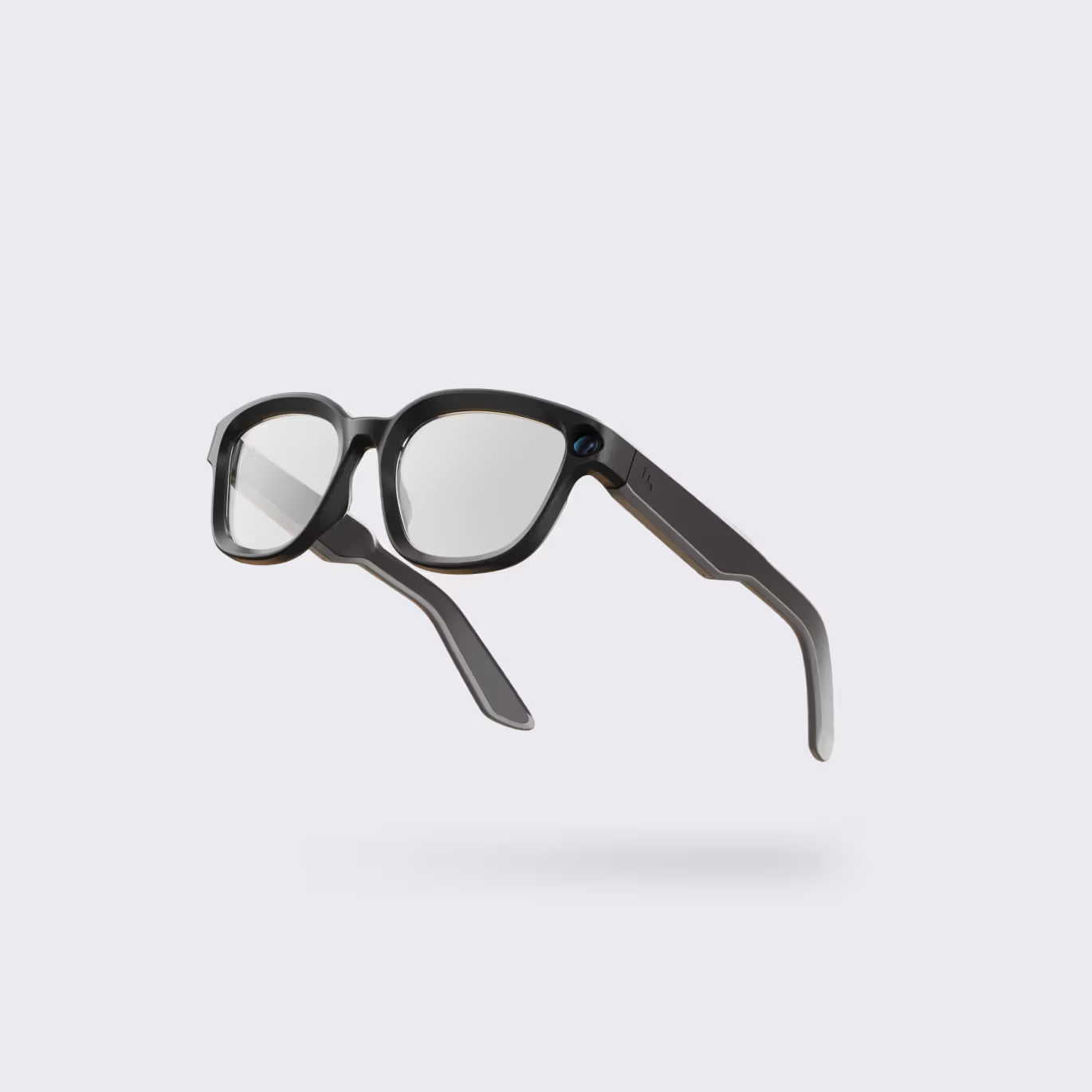
from brief to manufacture-ready hardware for Mustard AI glasses
What consumer electronics teams say
Unedited, from the founders and product teams behind the consumer electronics products on this page.
- Zook

Founder of an AI-glasses companyHimanshu VermaFounder, Mustard Glasses (acquired by Kaynes Technology)“A talented team with great design thinking skills and fast execution. I had a fabulous time working with them as the speed of execution was mind blowing. In less than 8 months I had a physical product to showcase at CES and it led to our acquisition in less than a year of starting up.”

Product leader at CellairisJoseph BrownChief Product Officer, Cellairis Global“Analogy Design collaborated with Cellairis to develop new product lines, including interconnected products for enterprise clients. Their team met specific manufacturing needs with hands-on involvement, clear feedback, and smooth collaboration.”
Our consumer electronics work
Frames, hinges, magnets and heating elements: the details that decide whether a gadget is worn, trusted and kept. Hover or tap to open a project.
Details from the bench
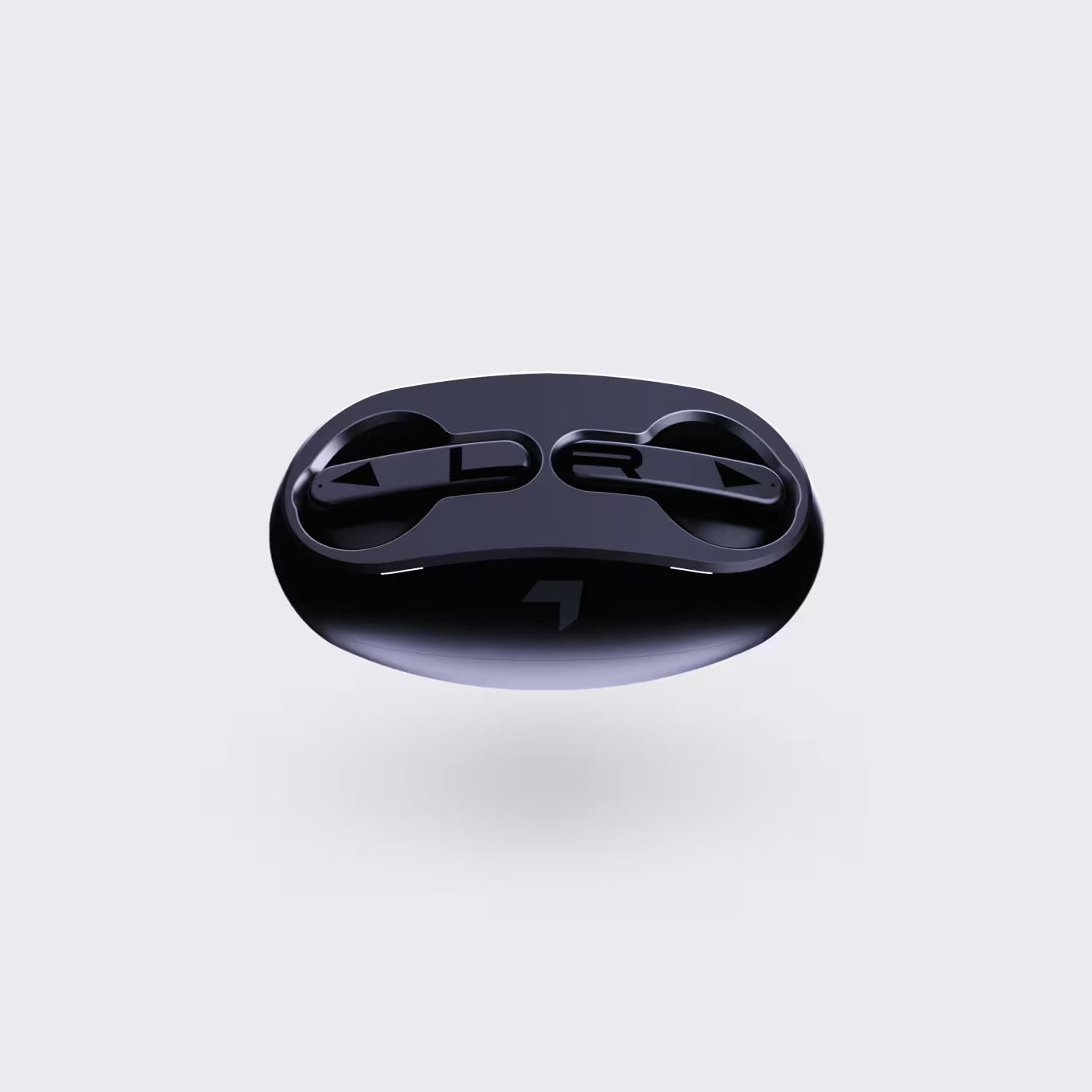
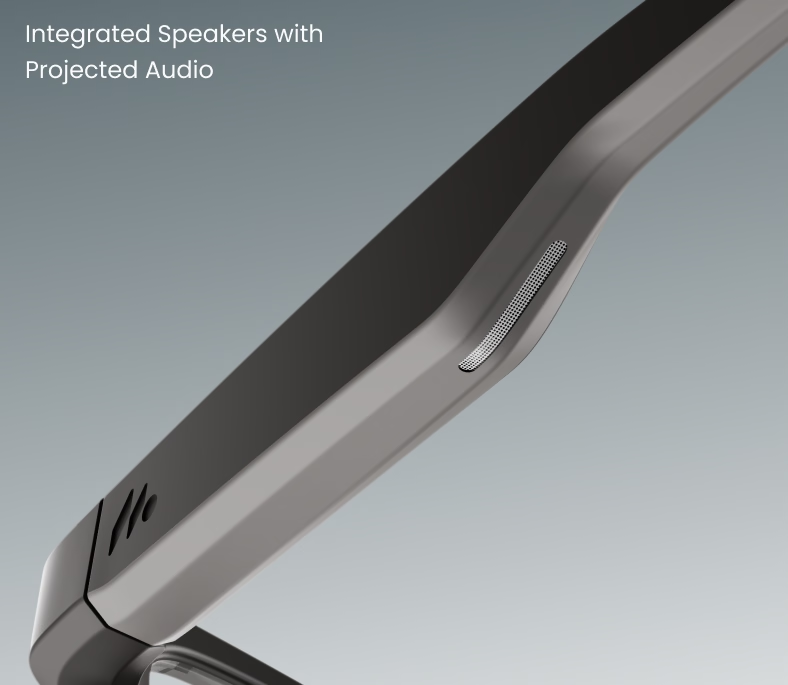
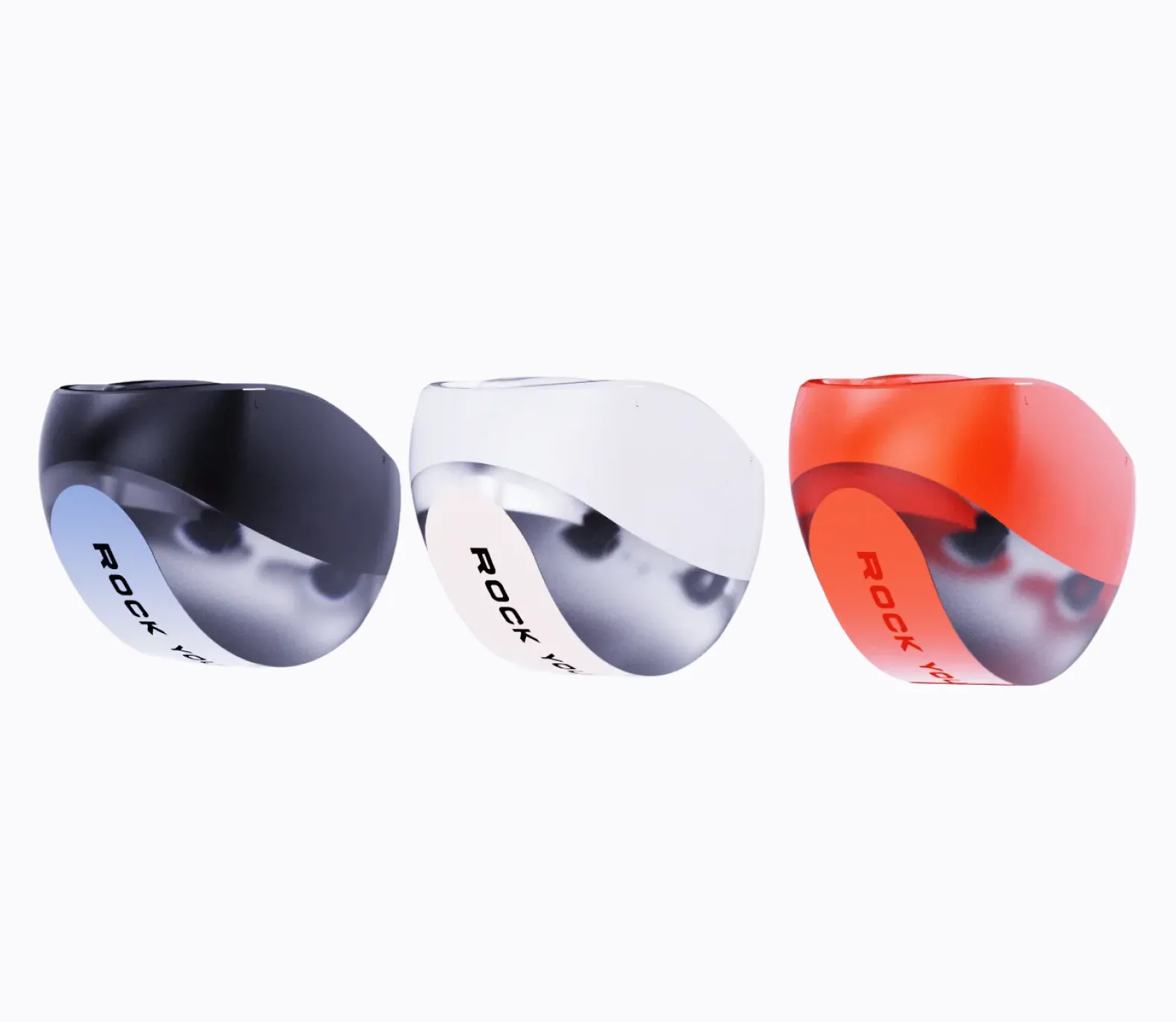
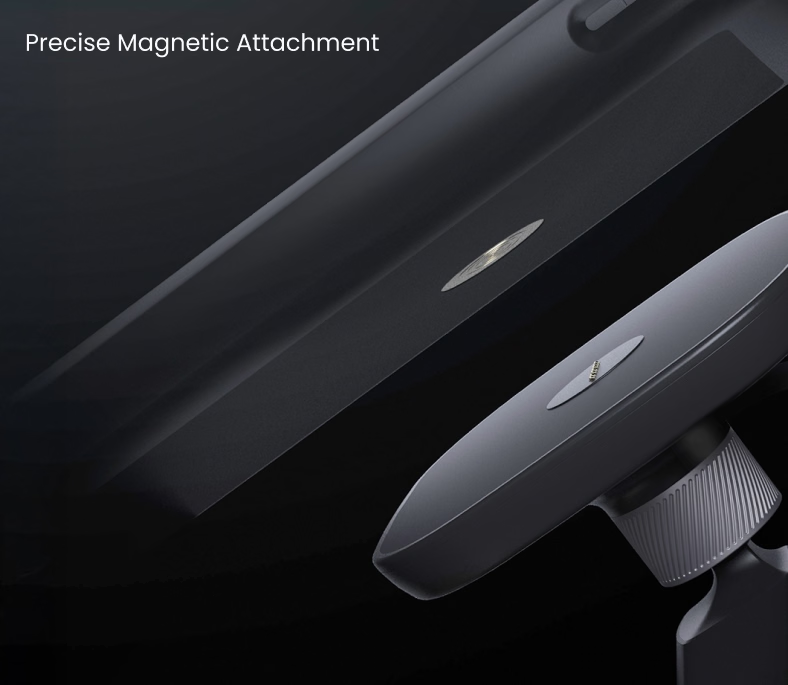
Balanced frames, fidget-friendly cases, magnets and heating paths: the small parts that decide whether people keep using a gadget.

Where founders get stuck
Most consumer electronics founders arrive stuck at one of three points. Here’s how each one played out.

01 · Fit on the bodyIt has to disappear on the body. Heavy, loose or awkward wearables get abandoned, however good the features.
We reworked the frame to cut bulk, balanced the weight through CAD and prototypes, and validated comfort through real wear testing. For earbuds we mapped ear shapes and wear durations.
Manufacture-ready in 10 months
Mustard AI glasses case study
02 · Stand out and stay familiarA crowded category punishes look-alikes. New has to read as new, and still be obvious to use.
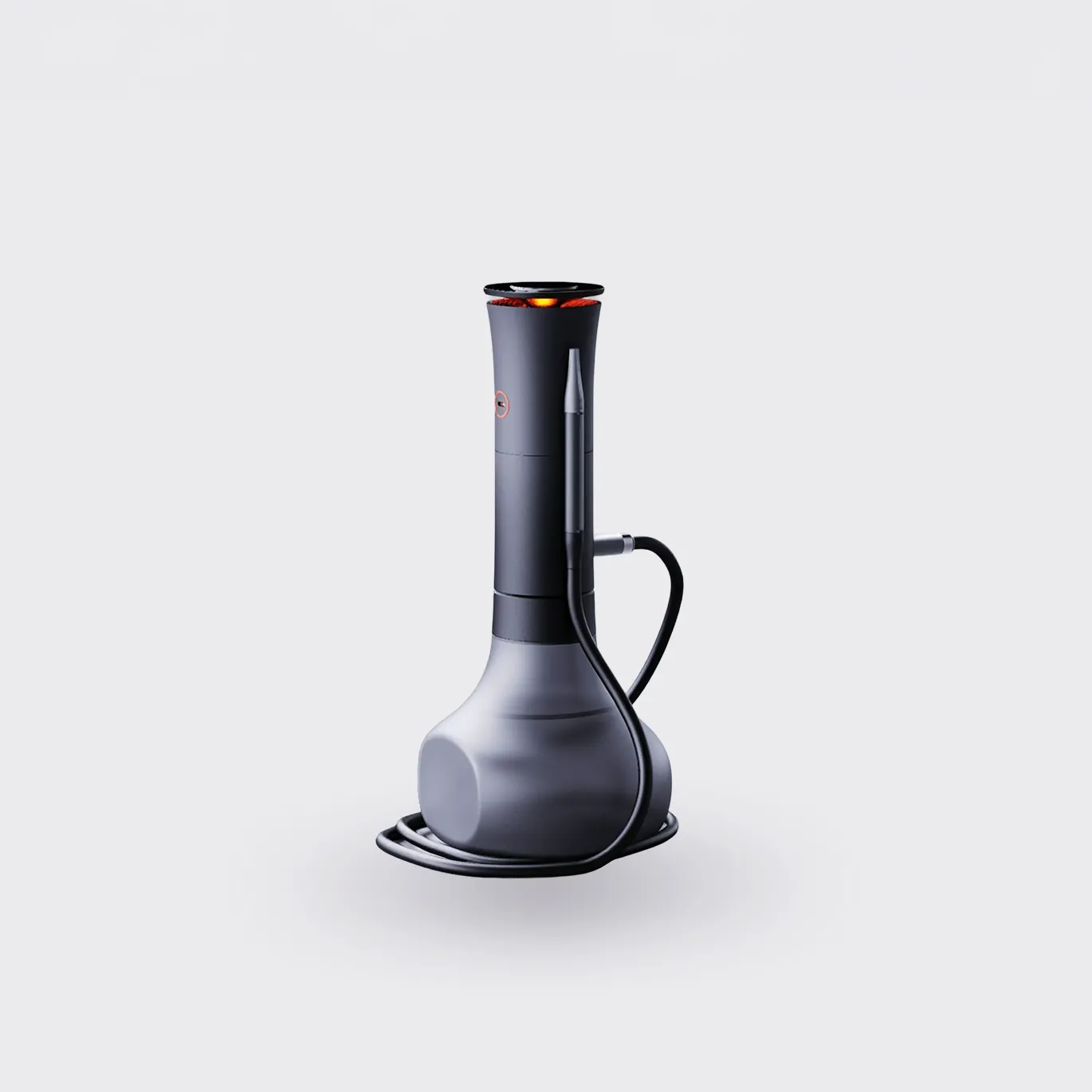
We worked out the problem first, then developed form, colour, material and finish so the electric hookah read as a hookah at a glance and as something new.
Concept to design for manufacturing in 9 months
Zook case study
03 · Survive daily useWeak hinges, fragile housings and loose mounts fail in the field, where reviews and returns come from.
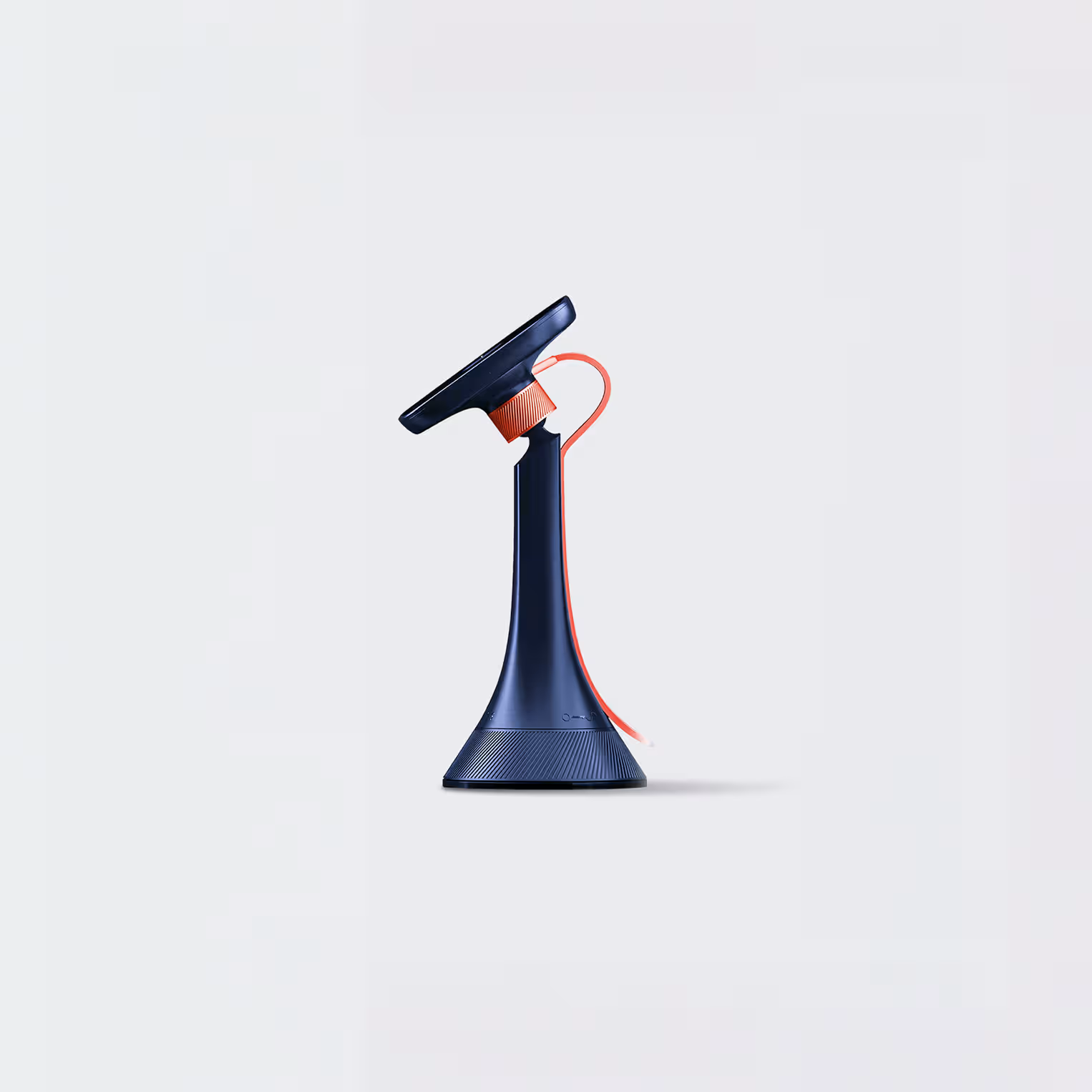
We built functional prototypes and engineered for vibration, weight and daily handling, with a modular architecture that suits manufacturing.
Concept to manufacturing in 10 months
Bolt case studyWhat it takes to bring a consumer electronics product to market.
Fit, the battery and radios, and tooling decide the budget. Full development, concept to market-ready, runs $125k–$250k for connected consumer electronics, with tooling and certification extra.
Fit and feel come first
Weight, balance and pressure decide whether people keep wearing or using it.
Form factor and who it must fit
More head, ear or hand sizes mean more fit testing and more prototypes.
You pay Analogy
Phase 1 industrial design and concept. A simple consumer product sits at $15k–$25k
Prototypes prove it works
Fit, battery and radios only get proven on real builds.
Rounds of prototypes and tests
More wearers, more parts and more test rounds mean more prototypes.
You pay Analogy
Phase 3 prototyping and testing. Sample parts are quoted by the factory and billed directly, no commission
Batteries and radios are designed in
Lithium cells and wireless each bring their own engineering and tests.
Your battery, radios and markets
Cell size, charging method and each radio add engineering. Plan each market together.
You pay Analogy
Phase 2 engineering. Off-the-shelf modules about $25k, custom connected devices past $100k. Electronics (circuit, PCB, firmware, EMC prep) alone is $15k–$75k. Certification (FCC, CE, UL, BIS etc., about $10k–$50k) is paid to the labs and quoted separately for your markets
Tooling commits you early
Once steel is cut, changes are slow and expensive.
Number of moulded parts
Housings, hinges and seals each need a tool, and premium finishes add process steps. Fewer, smarter parts cost less.
You pay the factory
Per mould, billed by the factory separate from development
Bring a sketch or a prototype to a free 30-minute call and leave with a rough budget and timeline.
From sketch to shelf, one stage at a time.
Explore ideas and directions.
Refine form, use and details.
Resolve parts, materials and tolerances.
Build and test the real thing.
Which standards and certifications does a consumer electronics product need?
Standards and compliance decide whether a consumer electronics product can be sold and shipped in each market. Your radios, battery and target markets set the list. Analogy maps the tests during Phase 3; accredited labs and regulators do the certifying.
| Requirement | Applies when | What to plan for |
|---|---|---|
| Radio and EMC | Bluetooth, Wi-Fi or other radios | Typically FCC Part 15 in the US, CE under the Radio Equipment Directive in the EU and UKCA in the UK, with radio and EMC testing at an accredited lab. |
| India wireless and BIS | Selling in India | WPC ETA for wireless; BIS CRS where the category is covered. Confirm which categories apply. |
| Electrical safety | Powered products, chargers and adapters | Typically IEC/EN 62368-1 (UL 62368-1 in North America), tested by a lab for the markets you sell in. |
| Battery safety and transport | Lithium cells | Typically IEC 62133-2 for cell safety and UN 38.3 for shipping cells and packs by air, sea or road. |
| Wireless charging | Qi chargers and receivers | Wireless Power Consortium Qi certification if you use the Qi logo. Confirm requirements and fees with the programme. |
| Bluetooth listing | Bluetooth products | Bluetooth SIG qualification and listing. Confirm fees with the SIG. |
| RF exposure | Radios worn near the head or body | SAR or RF exposure assessment as the market requires. Scope to confirm with a lab. |
| Audio safety | Headphones and earbuds | Maximum sound-level limits, for example EN 50332 in the EU. Confirm current rules. |
| Connected-device security | Internet-connected products | ETSI EN 303 645 is the common baseline for consumer IoT security. The US Cyber Trust Mark is a voluntary label. Confirm which rules apply in your markets. |
| Substances and e-waste | Electronics | RoHS and REACH in the EU and UK; California Prop 65 warnings where applicable in the US; e-waste rules by market, including India. |
| Children's products | Products intended for children | Typically CPSIA testing and certification in the US. Confirm the age grading and rules for each market. |
Requirements depend on the product's intended use, technical configuration and target markets. This information is intended as a starting point for planning and should be validated with an accredited testing laboratory or qualified compliance specialist before finalising the design.
when your test map should be written
$10k–$50k prototyping and testing
lock the battery, module and antenna once validated
$8k–$25k design-validation prototypes
approvals depend on your radios, battery and where you sell
$10k–$50k certification, paid to the labs
settle part count and finishes before steel is cut
$15k–$100k per mould
Six decisions that make or break a consumer electronics product
The details customers notice in their first week and reviewers write about. Each one is cheaper to settle in CAD than on the production line.
User needs and differentiation
Know who it is for and why they would choose it over a white-label alternative. Settle this before the first sketch, because every later decision follows from it.
Materials and manufacturing feasibility
Materials and processes set finish, weight, tooling and unit cost. Check every part against what a factory can build repeatably before steel is cut.
Durability and usability
Hinges, ports, buttons and housings take daily wear. Validate comfort and everyday use on real users, as with Mustard.
Cost optimisation
Part count, finishes and tooling drive unit cost. Fewer, smarter parts cost less to tool and to assemble.
Packaging and retail readiness
Packaging protects the product, carries the brand and has to meet shipping and retail needs, including battery shipping rules. Design it alongside the product, not after it.
Scalability and production quality
A prototype that works must stay consistent across thousands of units. Set tolerances and QC protocols early, in design for manufacturing.
Where should your consumer electronics product start?
It depends on what you already have. Find the line closest to where you are today.
What working with us on a consumer electronics product looks like
The people who sketch it engineer it
Every concept is checked against fit, standards and tooling by the engineers who will build it.
A team of four in Shenzhen
They stay at your factory through tooling, first samples and the first production runs.
Your idea stays yours
NDA signed before you share anything. Every sketch, render and CAD file is yours.
Fixed price per phase
Scope and price are agreed before each phase starts. No hourly billing, no surprises.
Consumer electronics design questions, answered
Not here? Ask us on a free call.
How much does a consumer electronics product cost to develop?
Full development, concept to market-ready, runs $125,000–$250,000 for connected consumer electronics. Phase 1 design and concept is $15,000–$75,000, and a quote under $30,000 for a connected product is a warning sign. Tooling ($15,000–$100,000 per mould) is paid to the factory and certification ($10,000–$50,000) to the labs, both separate from development. Plan a 10–20% contingency on top.
How long does it take?
It depends on scope, battery and radio testing, and vendor lead times between phases. Mustard went from brief to manufacture-ready hardware in 10 months, and Zook went from concept to design for manufacturing in 9 months.
I only have an idea and a few sketches. Where do I start?
That is enough to begin with concept design. If you have a white-label or reference design you want to make your own, we start with concept and industrial design. Book a free 30-minute call and we will tell you where to start and roughly what it costs. An NDA is signed before you share the idea.
Do you design the electronics and write the firmware?
We design the product, the enclosure and the electronics integration. Firmware and app work depend on scope, and we will say what we cover before you commit.
Can you design wearables that are comfortable all day?
Yes. We balance weight through CAD, prototype early and validate comfort through real wear testing, as we did for Mustard AI glasses and for earbuds and neckbands.
What approvals does a battery or Bluetooth product need?
It depends on your radios, battery and markets, for example FCC and CE for radios, and UN 38.3 and IEC 62133-2 for lithium cells. A test lab confirms what applies, and we map the tests in Phase 3.
Can you build working prototypes and take them to manufacturing?
Yes. Phase 2 delivers a working prototype, test reports, a first bill of materials and a cost model. Phase 3 covers design for manufacturing, a vetted vendor shortlist with quotes, tooling recommendations, QC protocols and certification mapping, with a team of four in Shenzhen at your factory.
Do I keep the IP?
Yes. An NDA is signed before you share anything, and every sketch, render and CAD file is yours.
Your guide to building better consumer electronics products.
For consumer electronics founders: leave your details and we’ll send the guide PDF to your email. Tick the box to also get our newsletter.
Bring us the idea before you lock the housing.
A sketch, a reference design or a prototype that does not feel right yet. In 30 minutes we’ll tell you what it takes to get it designed, approved and built, and roughly what that costs.
No polished brief needed. If we’re not the right team for your product, we’ll say so.