Lifestyle & Accessories design for founders.
We take lifestyle and accessories founders from concept to production. Products people carry, wear and use all day, with comfort, materials and tooling planned before you commit to a factory.
Free 30-minute call · NDA before you share the idea · You own every sketch
lifestyle and accessories projects designed
shipped and selling in the real world, across all our industries
from brief to delivery across our lifestyle projects, from 4 for Stuffcool to 12 for EUME
What lifestyle and accessories teams say
Unedited, from the founders and product leaders behind the products on this page.
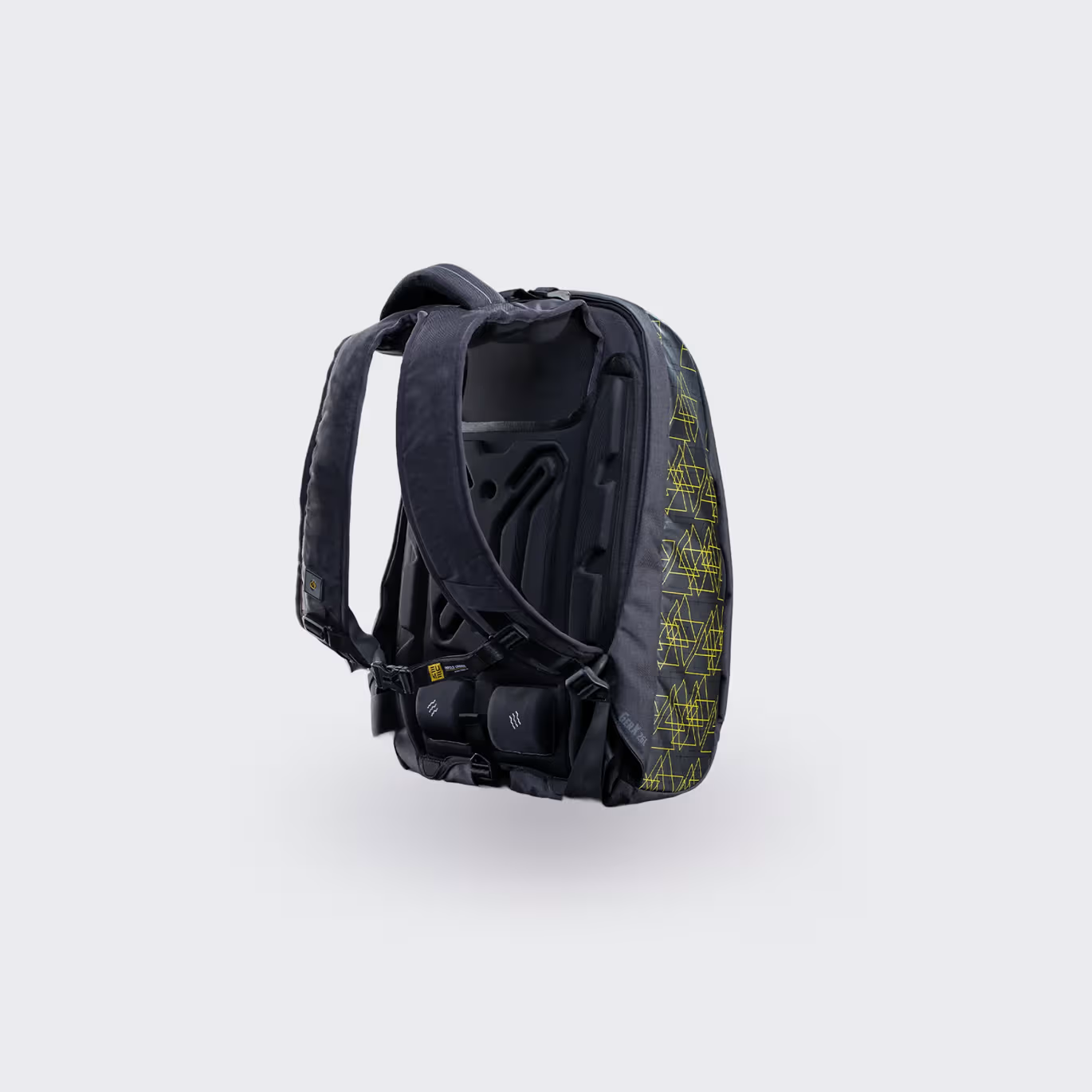
Founder of a lifestyle brandSanjay ParekhFounder, Eume & Avon Lifestyle“We wanted to create the world’s first massage backpack and we started with Analogy with an idea and they helped us develop the entire brand message, product design with the patented back mechanism as well as the crowdfunding campaign that hit the funding goal in less than 12 hours. We would love to work with them again.”
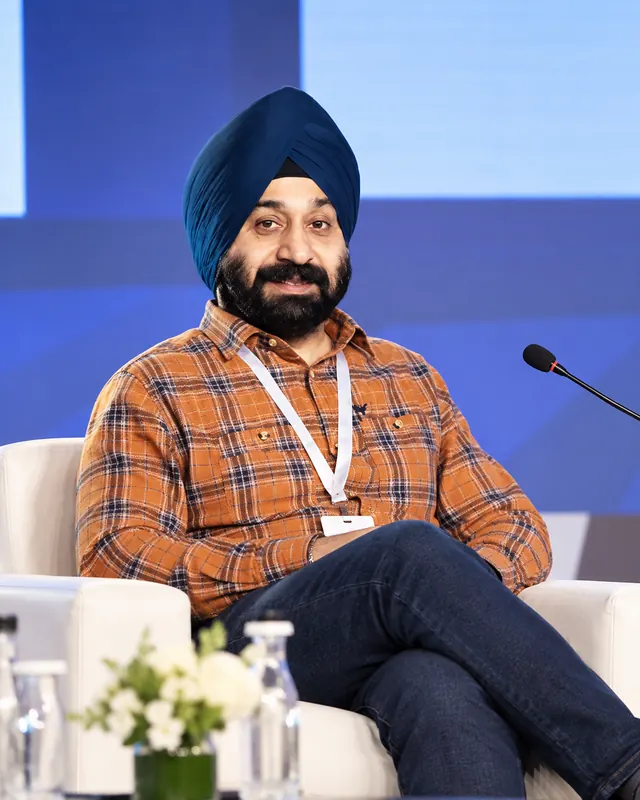
Product leader at an outdoor brandBhupinder SinghChief Product Officer, Wildcraft“This journey was a discovery for me and our teams, setting the tone for future products and connecting us with consumers. Thanks to Analogy for their support and excellent work.”
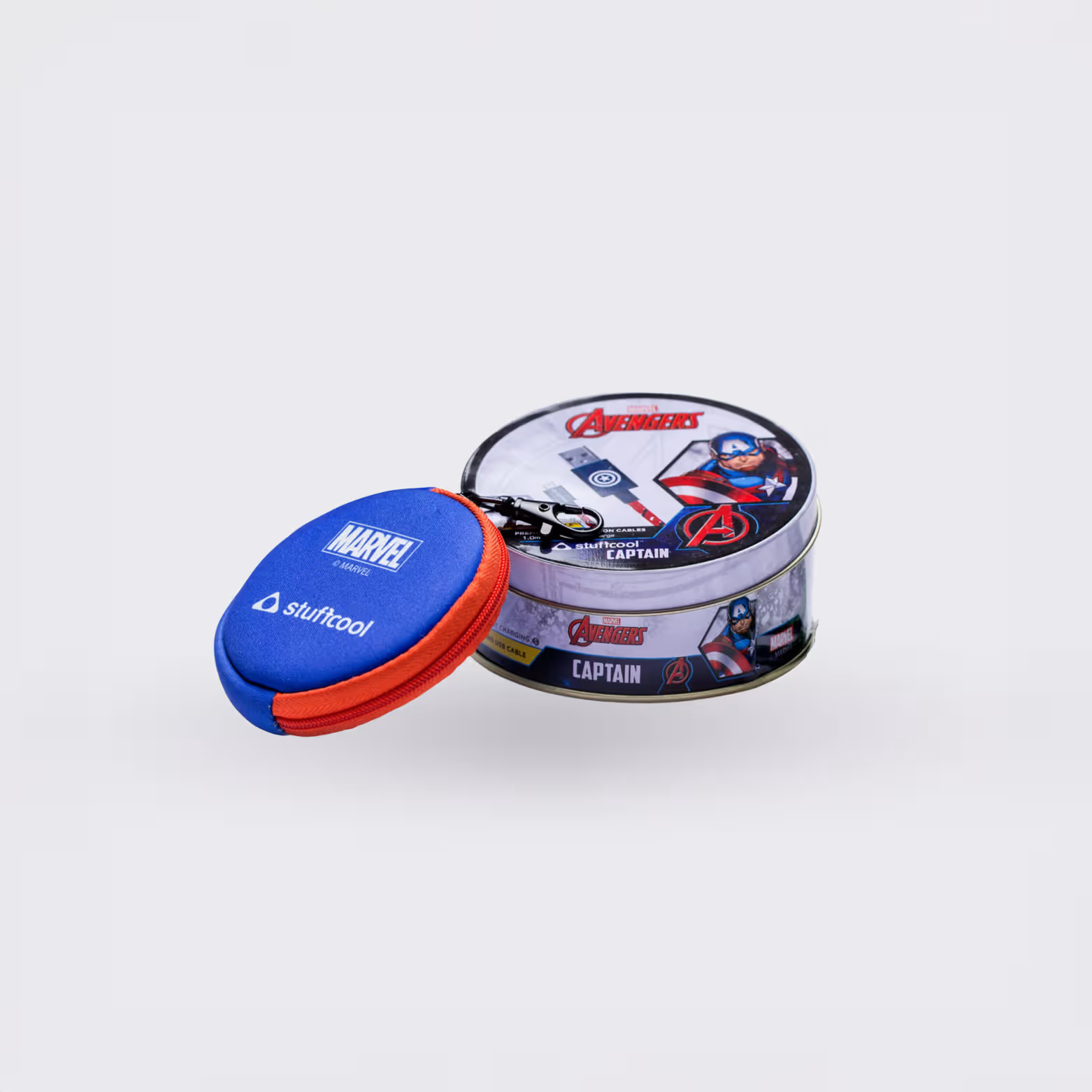
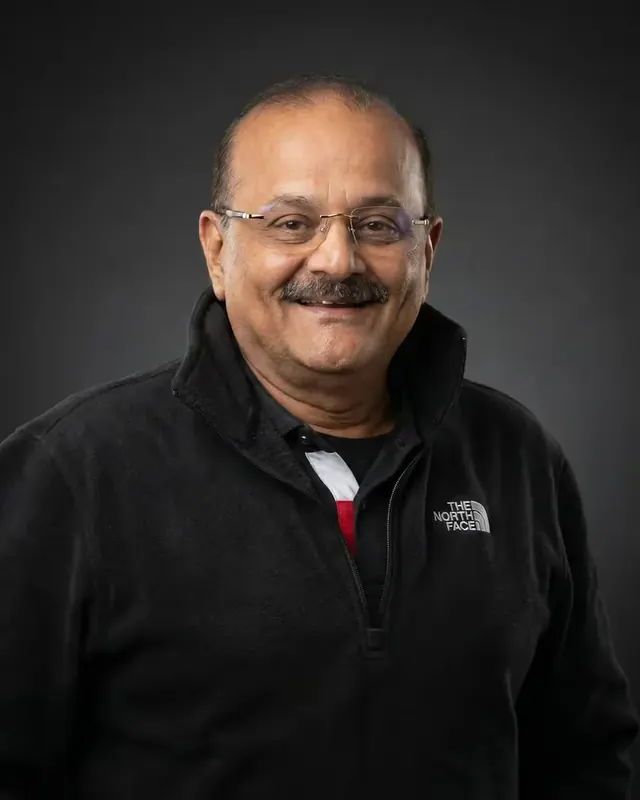
Founder of an accessories brandHemang BudhdeoFounder & MD, Stuffcool“Analogy helped us with designing our Marvel branded accessory projects. They are well trained, professional team and I enjoyed working with them. I recommend them to anyone with design projects in mind, they possess quick thinking and a well rounded skill set to create fresh new products.”
Our lifestyle and accessories work
Straps, panels, seams and packaging: the details that decide whether a product is carried, trusted and kept. Hover or tap to open a project.
Details from the bench
Back panels, concealed zips and packaging: the small parts that decide whether people keep using a product.


Where founders get stuck
Most lifestyle and accessories founders arrive stuck at one of three points. Here’s how each one played out.
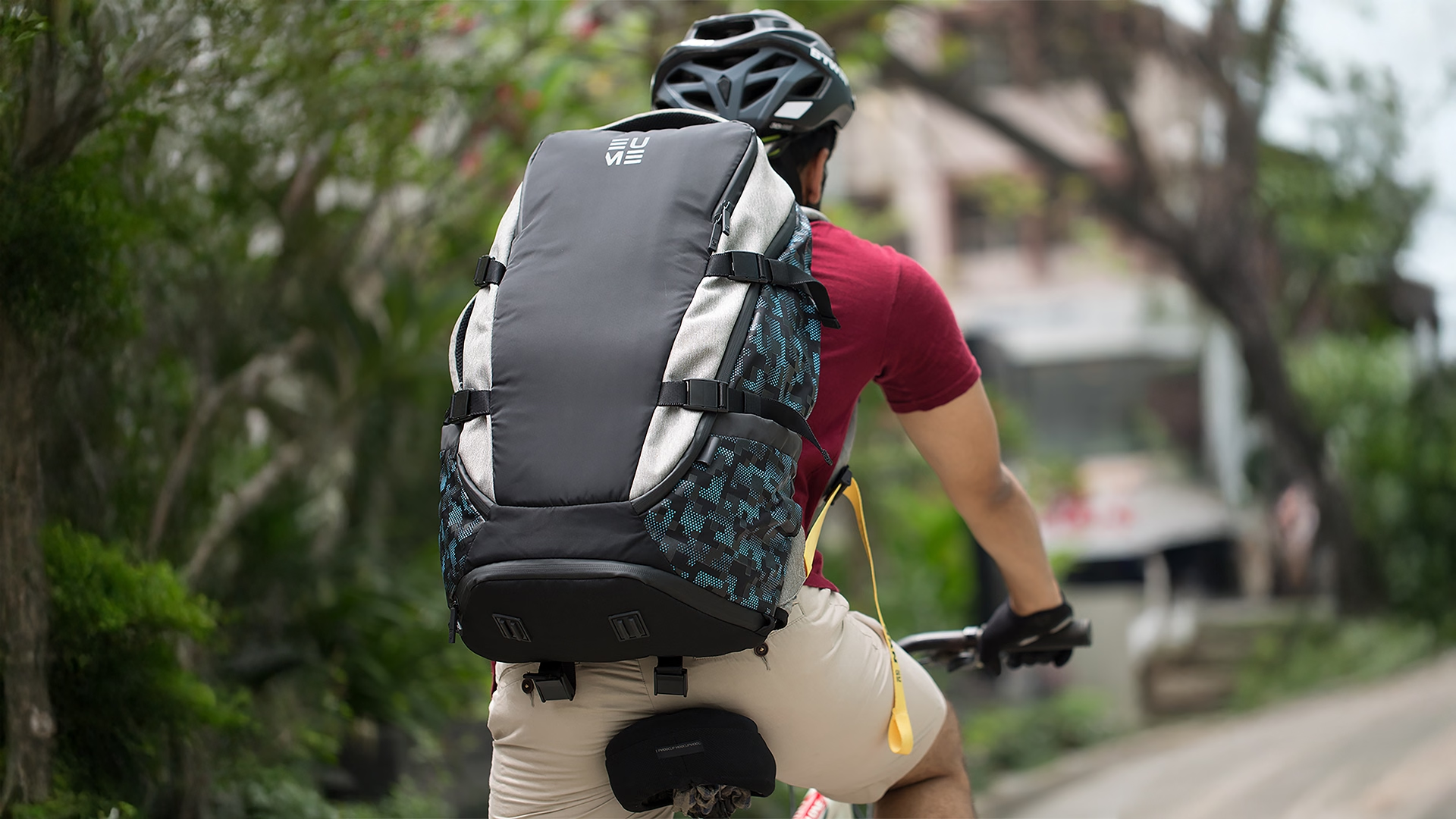
01 · Comfort over long wearIt has to feel good after hours, not minutes. Heavy, badly balanced products get left at home.
We shaped strap geometry and a foam-moulded back panel to spread the load, and tested early prototypes to place the massager without hurting comfort. Vibration damping kept the pack stable.
Delivered in 12 months
EUME case study
02 · Tech that feels built inSmart features that look bolted on get ignored, or stolen. They need to belong to the product.
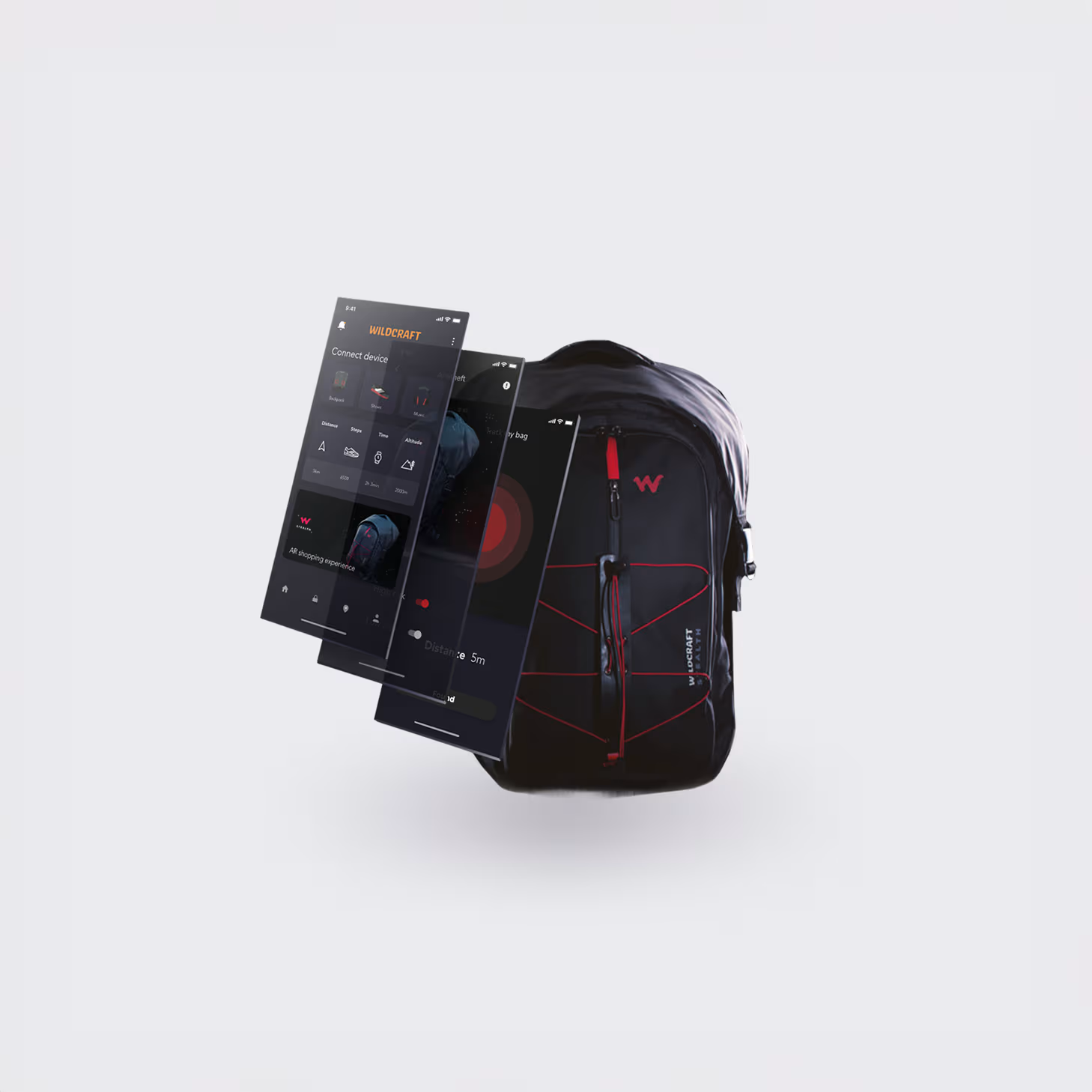
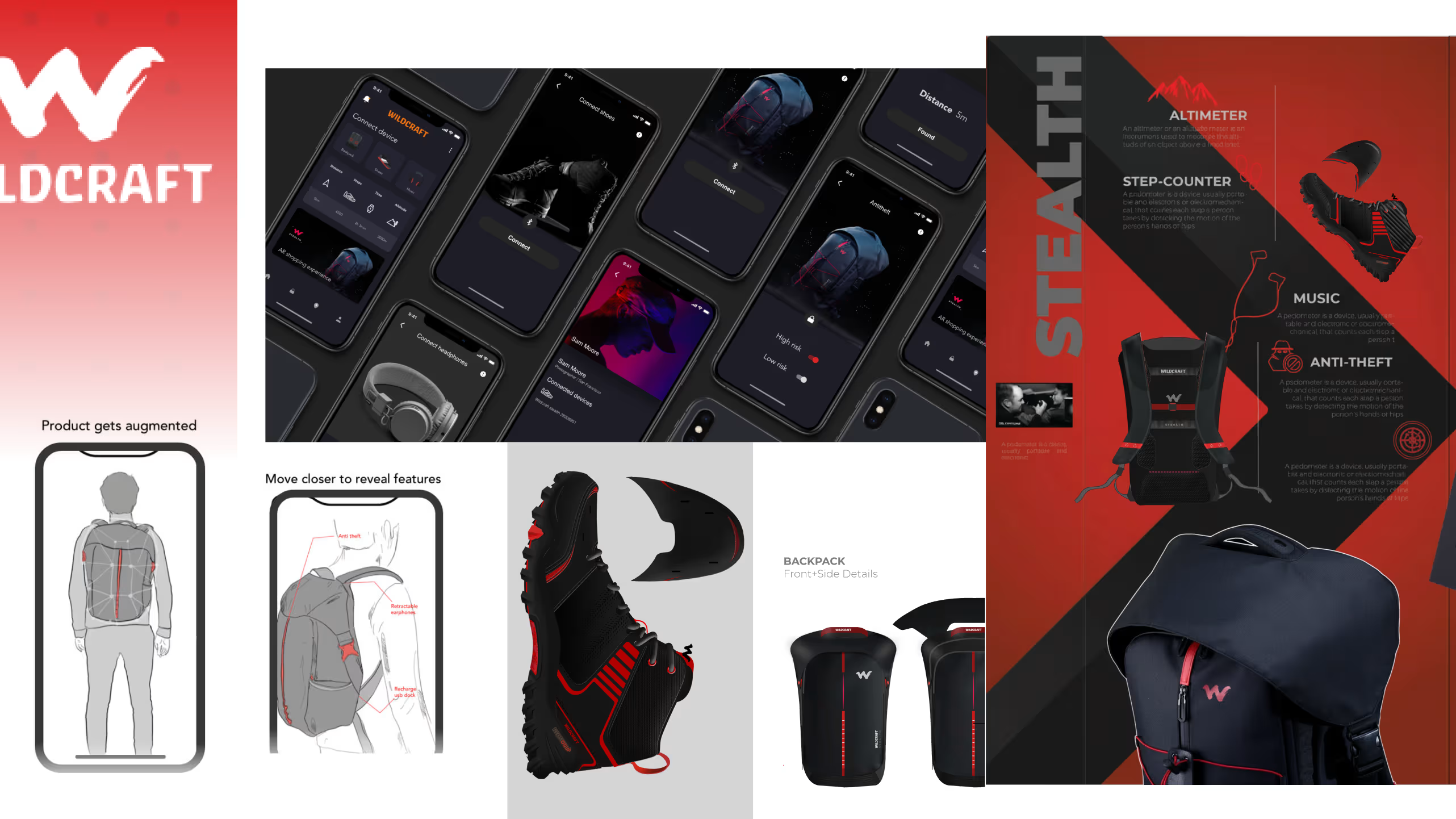
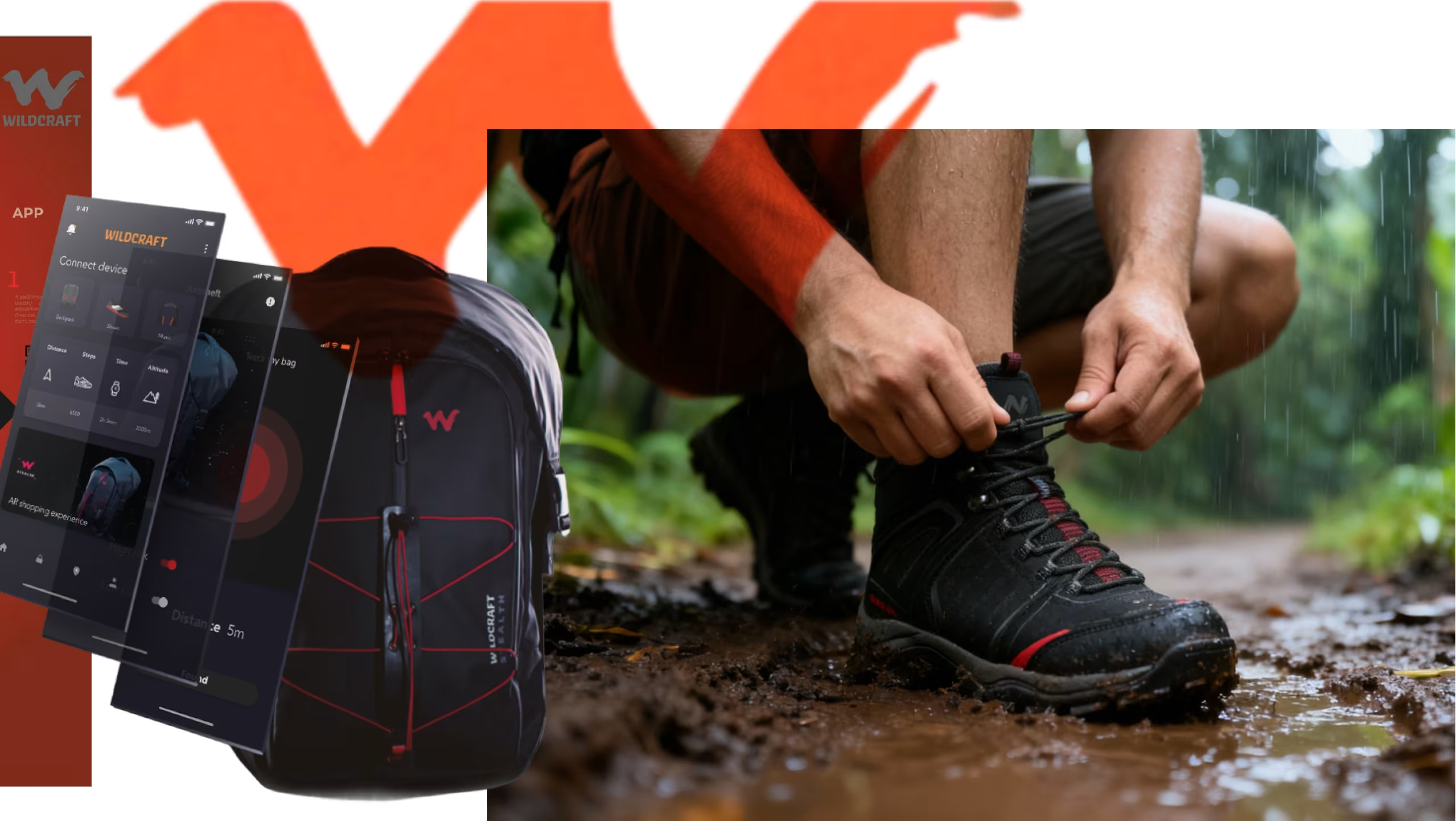
We built security into the architecture with concealed zips, covered seams and an anti-theft hood, and gave the backpack and shoe one design language and one app.
Delivered in 8 months
Wildcraft case study
03 · Retail-ready, not a gimmickA range has to look collectible and stay cheap enough to make, pack and sell.
We turned the brand into form, material and graphics, built modular, universal-fit organisers, and engineered packaging for durability and display.
Delivered in 4 months
Stuffcool case studyWhat it takes to bring a lifestyle and accessories product to market.
Fit, materials and tooling decide the budget, and each phase is scoped and priced before it starts. Full development runs $75k–$125k with no electronics and $125k–$250k once a battery, motor or sensors are added.
Fit and feel come first
Weight, balance and load decide whether people keep carrying or wearing it.
Body sizes and how it is used
More body sizes and heavier loads mean more fit testing and more samples.
You pay Analogy
Phase 1, industrial design and concept. A simple consumer product sits at $15k–$25k
Materials set the feel and the durability
Fabrics, coatings, foam, zips and hardware each add sourcing and testing.
Your materials, trims and finishes
Specialist fabrics and trims bring minimum orders, longer lead times and durability tests.
You pay Analogy
Phase 3, prototyping and testing. Fabrics, trims and samples are quoted by the factory and billed directly, no commission
Built-in tech adds engineering and testing
A battery, motor or sensor brings its own engineering, safety tests and shipping rules.
Battery, massager, sensors and charging
Each added part adds engineering, testing, weight and heat. Off-the-shelf modules keep it near the low end.
You pay Analogy
Phase 2, engineering. Certification, about $10k–$50k, is paid to the labs and quoted for your markets
Tooling and unit cost set the shelf price
Moulds, patterns and packaging decide your margin.
Number of parts and packaging formats
Hard parts need moulds, soft parts need patterns and cutting, and packaging needs its own tools. Fewer, smarter parts cost less.
You pay the factory
Per mould, billed directly and separate from development, no commission
Bring a sketch or a sample to a free 30-minute call and leave with a rough budget and timeline.
From sketch to shelf, one stage at a time.
Explore ideas and directions.
Refine form, use and details.
Resolve parts, materials and tolerances.
Build and test the real thing.
Which standards and certifications does a lifestyle and accessories product need?
Standards and compliance decide which markets you can sell in, what you must test and what it costs, and they are cheaper to design in than to fix later. Many bags and accessories need little beyond restricted-substance rules and labelling. Add a battery, motor or radio and the list grows. Analogy maps the tests during Phase 3; labs and regulators do the certifying.
| Requirement | Applies when | What to plan for |
|---|---|---|
| Restricted substances | Fabrics, coatings, plastics, dyes, metals and electronic parts | Typically REACH in the EU, California Prop 65 in the US, RoHS for electronic parts, and rules on PFAS in water-repellent coatings. Test for the substances your markets restrict and check the current rules. |
| Fibre content and care labels | Textile products | Fibre-content and care labelling rules, which differ by market (US, EU, UK, India). |
| Children’s products | Aimed at children | Typically CPSIA in the US, including lab testing and a children’s product certificate, and the EU rules for children’s articles. |
| Durability testing | Bags, straps, zips and seams | Seam-strength, zip-cycle, abrasion and colourfastness tests, with methods agreed with the factory or lab. |
| Battery safety and transport | Lithium cells in a bag, shoe or accessory | Typically IEC 62133-2 for cell safety and UN 38.3 for transport testing, which carriers and retailers commonly ask for in all major markets. |
| Electrical safety | Powered products, power banks and chargers | Typically IEC/EN 62368-1 for electronics; IEC 60335-2-32 for massage appliances. Confirm which part applies to a wearable massager. |
| Radio and EMC | Bluetooth or other radios | Typically FCC Part 15 in the US, CE-RED in the EU, UKCA in the UK and WPC ETA in India, with radio and EMC tests at an accredited lab. |
| Connected-device security | Products with an app, Bluetooth or cloud connection | ETSI EN 303 645 is the usual baseline for consumer connected-device security; the US Cyber Trust Mark is a voluntary label. Plan the security design early. |
| India approvals | Electronics, batteries or chargers sold in India | BIS registration may apply to listed electronic products and accessories. Check whether your product or charger is on the current list. |
| Licensed brands | Characters or brands you license | Licensor approval of design, packaging and samples before production, as set by your licence. |
| Packaging and marking | Retail and export | Packaging-waste and recycling-mark rules, and country-of-origin marking, by market. |
Requirements depend on the product's intended use, technical configuration and target markets. This information is intended as a starting point for planning and should be validated with an accredited testing laboratory or qualified compliance specialist before finalising the design.
when your test map should be written
$10k–$50k · prototyping and testing
freeze materials and trims before any bulk order
$8k–$25k · design-validation prototypes
rules and labels differ between the US, EU, UK and India
$10k–$50k · certification, paid to the labs
freeze the battery, motor and charging port
$15k–$100k · per mould, paid to the factory
Prices are typical ranges from our hardware development cost guide.
Six decisions that make or break a lifestyle and accessories product
The details customers feel in the first week and reviewers write about. Each one is cheaper to settle in CAD than on the production line.
Ergonomics, comfort and fit
Strap geometry and back-panel contour decide comfort over hours. Test with real wearers, as with EUME.
Material selection and durability
Fabrics, coatings, foam and trims set the weight, feel and durability, and the testing you will need.
Function and aesthetics
Concealed zips, covered seams and an anti-theft hood protect the owner without visual noise, as with Wildcraft.
Technology integration
Battery, massager and charging port must sit in the product without adding weight or heat.
Manufacturing and tooling
Moulds for hard parts and patterns for soft parts set the unit cost, so fewer, smarter parts protect your margin.
Range and modularity
Universal-fit, interchangeable parts let one design serve many users and SKUs, as with Stuffcool.
Where should your lifestyle and accessories product start?
It depends on what you already have. Find the line closest to where you are today.
What working with us on a lifestyle and accessories product looks like
The people who sketch it engineer it
Every concept is checked against comfort, materials and tooling by the engineers who will build it.
A team of four in Shenzhen
They stay at your factory through tooling, first samples and the first production runs.
Your idea stays yours
NDA signed before you share anything. Every sketch, render and CAD file is yours.
Fixed price per phase
Scope and price are agreed before each phase starts. No hourly billing, no surprises.
Lifestyle and accessories design questions, answered
Not here? Ask us on a free call.
How much does a lifestyle or accessories product cost to develop?
Full development, concept to market-ready, runs $75,000–$125,000 for a product with no electronics and $125,000–$250,000 once a battery, motor or sensors are added. Phase 1, industrial design and concept, is $15,000–$75,000, and a simple consumer product sits at $15,000–$25,000. Tooling ($15,000–$100,000 per mould) is paid to the factory and certification ($10,000–$50,000) to the labs, both separately from development. Hold a further 10–20% for iteration and redesign.
How long does it take?
It depends on the product, including reviews, decisions and vendor lead times between phases. Our lifestyle projects ran from 4 months for Stuffcool to 12 for EUME, depending on scope. Bring your product to a free call and we'll give you a timeline for it.
Do you design bags and soft goods, or only hard products?
Both. Our bag projects covered strap geometry, foam-moulded back panels, closures and tech integration, for EUME and Wildcraft.
Can you add tech like a massager, sensors or a charging port?
Yes. We integrated a massager and charging port into the EUME backpack, and sensors and an app into the Wildcraft shoe and backpack. Firmware and app work depend on scope, and we will say what we cover before you commit.
What approvals or tests does an accessory need?
It depends on the materials, any battery or radio, and your markets. Typical items are restricted-substance rules, labelling and durability tests, plus battery and radio approvals where relevant. Certification typically runs $10,000–$50,000, paid to the labs. A test lab confirms what applies, and we map the tests in Phase 3.
Can you build working prototypes?
Yes. Phase 2 delivers a working prototype, test reports, a first bill of materials and a cost model.
Can you take it to manufacturing?
Phase 3 covers design for manufacturing, a vetted vendor shortlist with quotes, tooling recommendations, QC protocols and testing plans, with a team of four in Shenzhen at your factory.
Who owns the IP?
You do. An NDA is signed before you share anything, and every sketch, render and CAD file is yours.
Your guide to building better lifestyle and accessories products.
Practical reading on fit, materials, cost and manufacturing for bags, wearables and everyday accessories. Leave your details and we’ll send the guide PDF to your email. Tick the box to also get our newsletter.
Bring us the idea before you order the first sample.
A sketch, a reference product or a sample that does not feel right yet. In 30 minutes we’ll tell you what it takes to get it designed and built, and roughly what that costs.
No polished brief needed. If we’re not the right team for your product, we’ll say so.