Home & kitchen appliance design for founders.

From the first sketch to a certified appliance a factory can build. We’ve designed 25+ home and kitchen appliances and shipped 15 of them, and most have sold more than 10,000 units each.

Free 30-minute call · NDA before you share the idea · You own every sketch

The Nester air fryer oven, designed by Analogy, on a kitchen counter with fresh pastries
25+

home and kitchen appliances designed

15

shipped and selling in the real world

10K+

units sold by most of the appliances we’ve shipped

6 months

from concept to a launched air fryer range for Nester

Appliance brands and founders we’ve worked with

  • Panasonic, an Analogy Design client
  • Borosil, an Analogy Design client
  • CG
  • Nester
  • Agnisumukh
  • Dostea
Abhinav Singh, Founder, Nester India AppliancesFounder who moved from white-label to his own designAbhinav SinghFounder, Nester India Appliances
“Working with Analogy felt like partnering, not just hiring a vendor. From the start, there was mutual learning and comfort. The products were fantastic, beautifully delivered, and loved by customers. The CMF renders were a highlight, bringing the product to life.”

Read the Nester air fryer case study

Our appliance work

Six of the 25+ appliances we’ve worked on, from countertop cooking to home comfort and connected devices. Hover or tap to open a project.

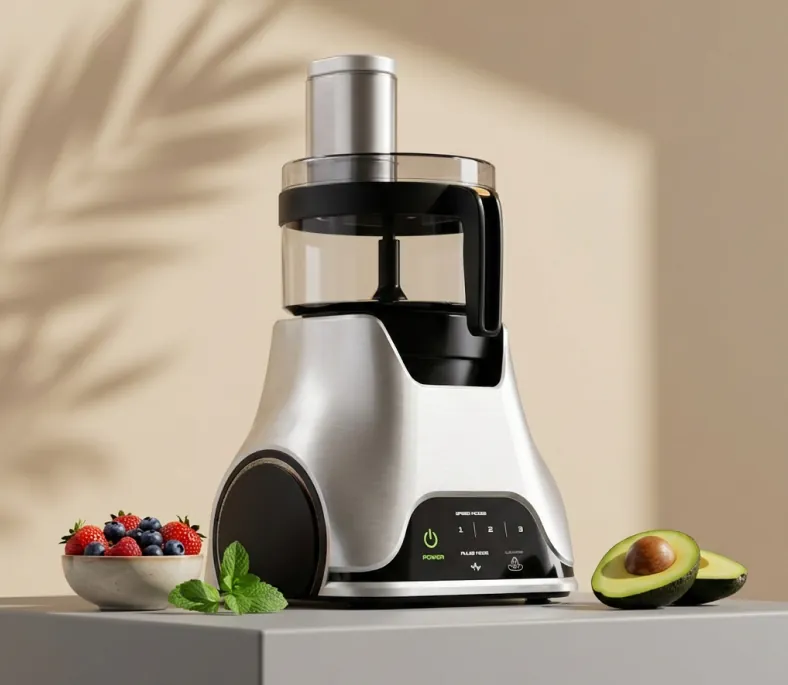
Air fryers and ovensTea and coffee makersFood processorsStoves and cooktopsFans and air coolersConnected appliances

Details from the bench

Knobs, hinges, tanks and burners: the parts customers touch every day, and the parts that decide whether a factory can make them.

Brass control knobs on the Nester air fryer oven
Nester · control knobs
Lit brewing chamber inside the Dostea tea maker
Dostea · brewing chamber
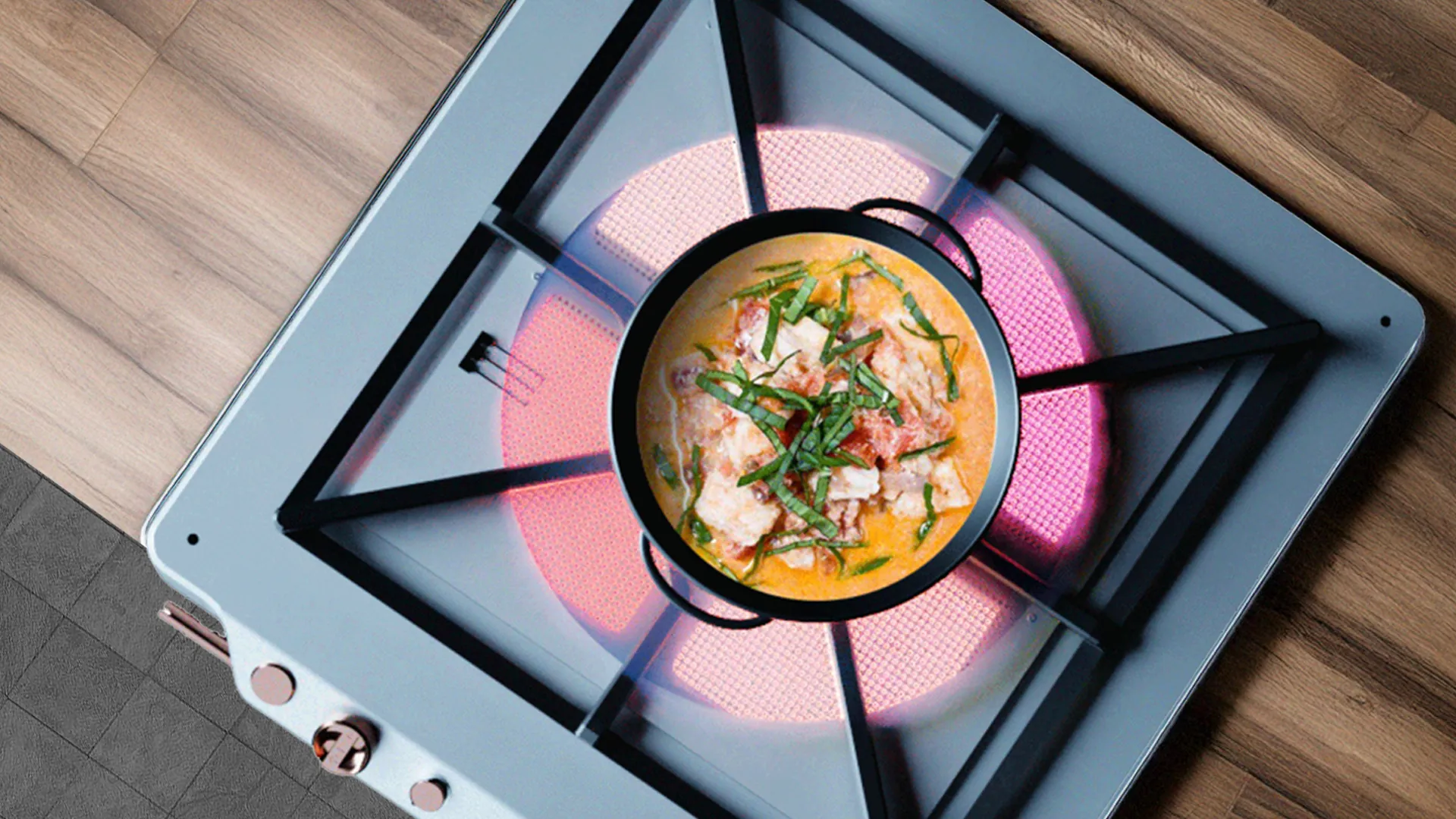
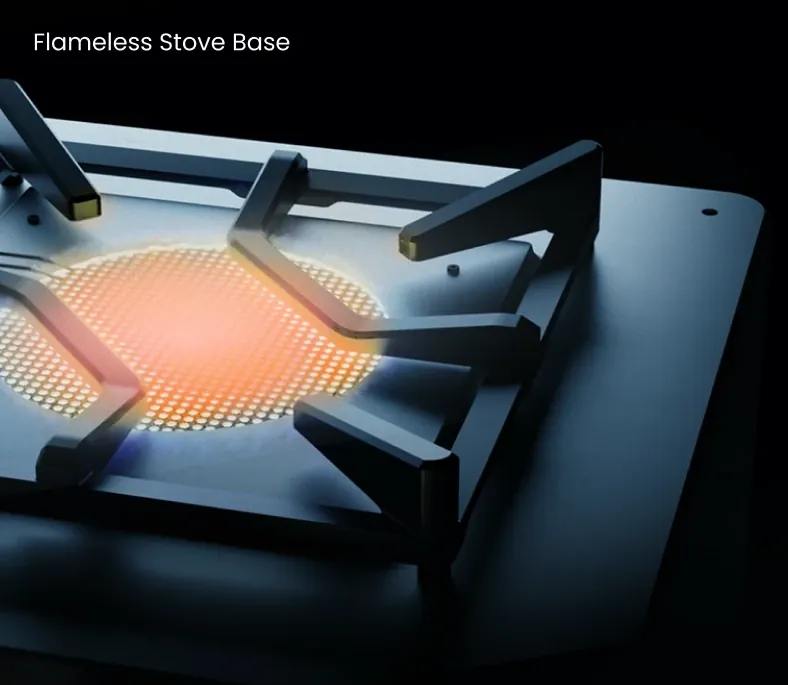
Glowing flameless burner base of the Agnisumukh stove
Agnisumukh · flameless base
Nester air fryer oven door and handle detail
Nester · door and handle
Separate milk and water containers inside the Dostea tea maker
Dostea · milk and water tanks
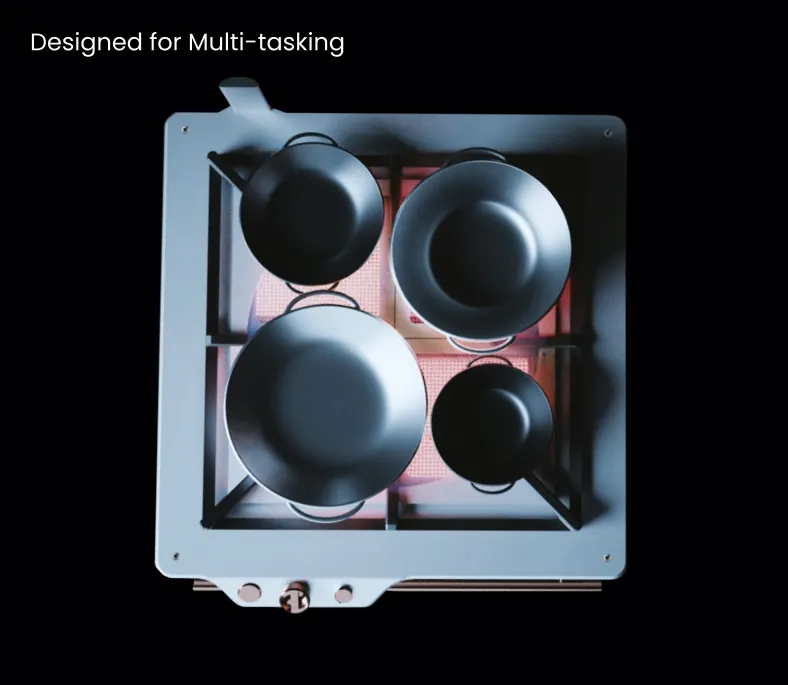
Top view of the Agnisumukh stove with four pans
Agnisumukh · four-zone layout
Close-up of a ceiling fan motor housing and blade
Ceiling fan · motor housing
Compact air cooler beside a dining table
Air cooler · compact body

Where founders get stuck

Most appliance founders arrive stuck at one of three points. Here’s how each one played out.
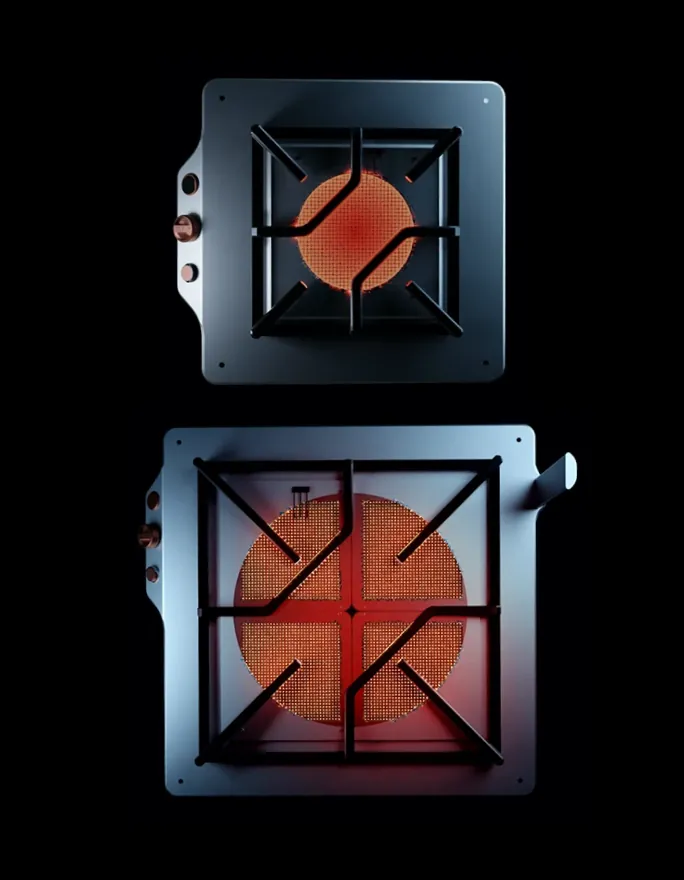
Agnisumukh stove modules stacked01 · Define the right product

Every customer wants a custom setup, and every variant multiplies SKUs, inventory and cost.

We studied real kitchens and turned scattered variants into one modular product system.

Six building blocks replaced dozens of overlapping SKUs

Agnisumukh stove case study
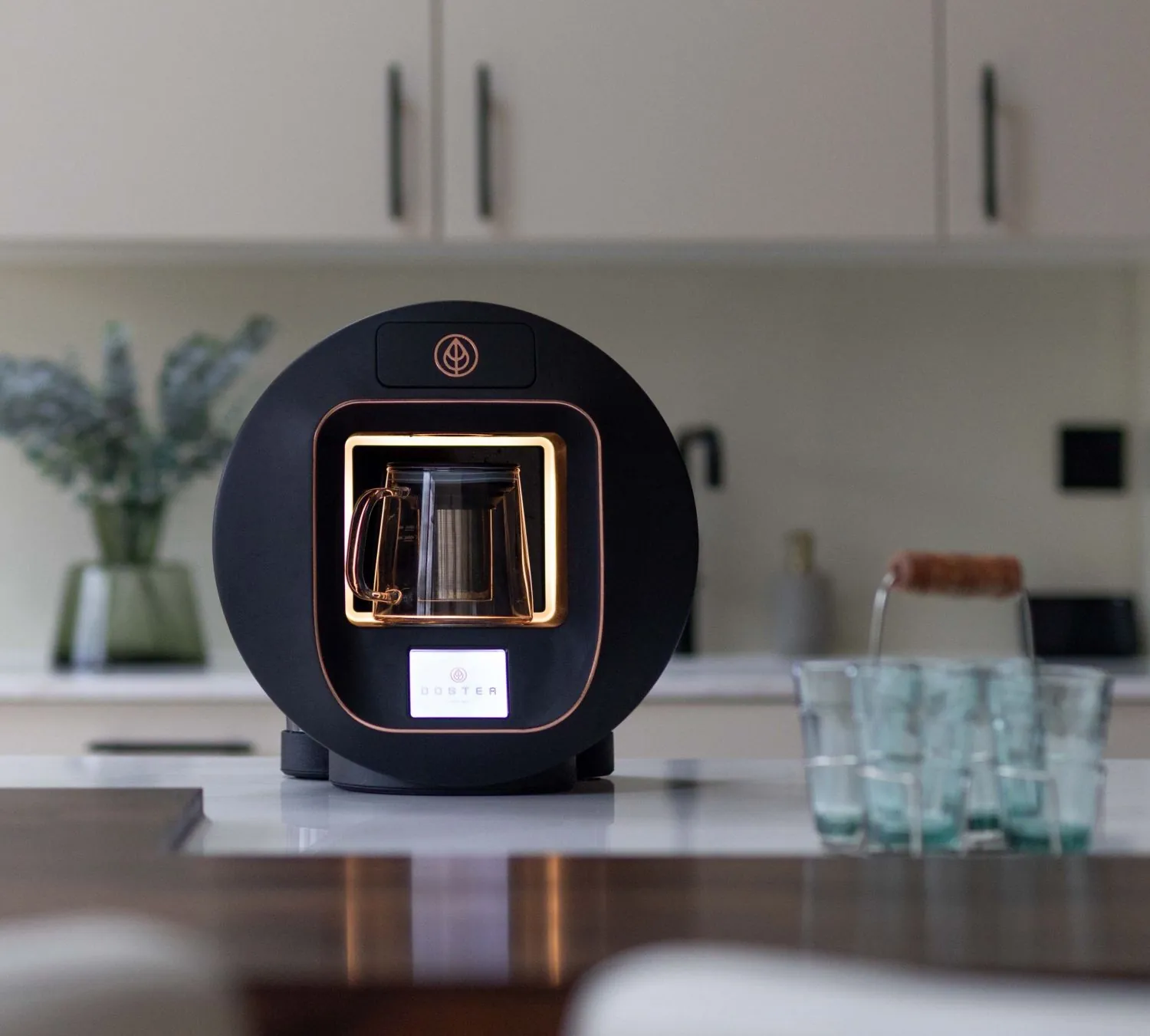
Dostea tea maker on a kitchen counter02 · Design for everyday use

The product looks promising, but everyday use shows problems customers won’t tolerate.

We prototyped and tested with users to refine ergonomics, interactions and everyday performance.

Fewer parts and a successful Kickstarter campaign

Dostea tea maker case study
Nester air fryer oven03 · Prepare for production

The prototype works, but tooling, assembly and manufacturing costs threaten the margin.

We resolved engineering and manufacturing constraints early, ready for scalable production.

A cohesive appliance family developed in six months

Nester air fryer case study

What appliance teams say

Unedited, from the founders and product teams behind the appliances on this page. More client voices

“Analogy’s team has been exceptional, designing and engineering a groundbreaking product for us. Their professionalism and responsiveness have been key in creating a visually stunning product, and I highly recommend them to any business or entrepreneur looking to develop a product.”

Vinit LotiaVinit LotiaFounder, Dostea
“Analogy Design crafted a new brand identity and a comprehensive product range for global cuisines. Their iterative approach fostered innovation, allowing us to incorporate global feedback into a unique kitchenware line. The diverse range was strategically designed with users in mind, consistently surpassing our expectations.”
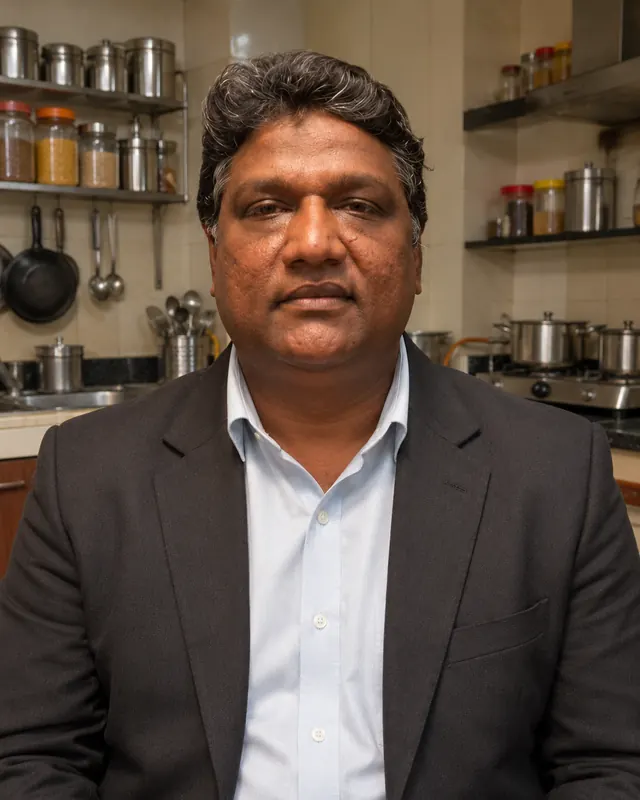
Hari RaoHari RaoFounder, Agnisumukh Energy Solutions
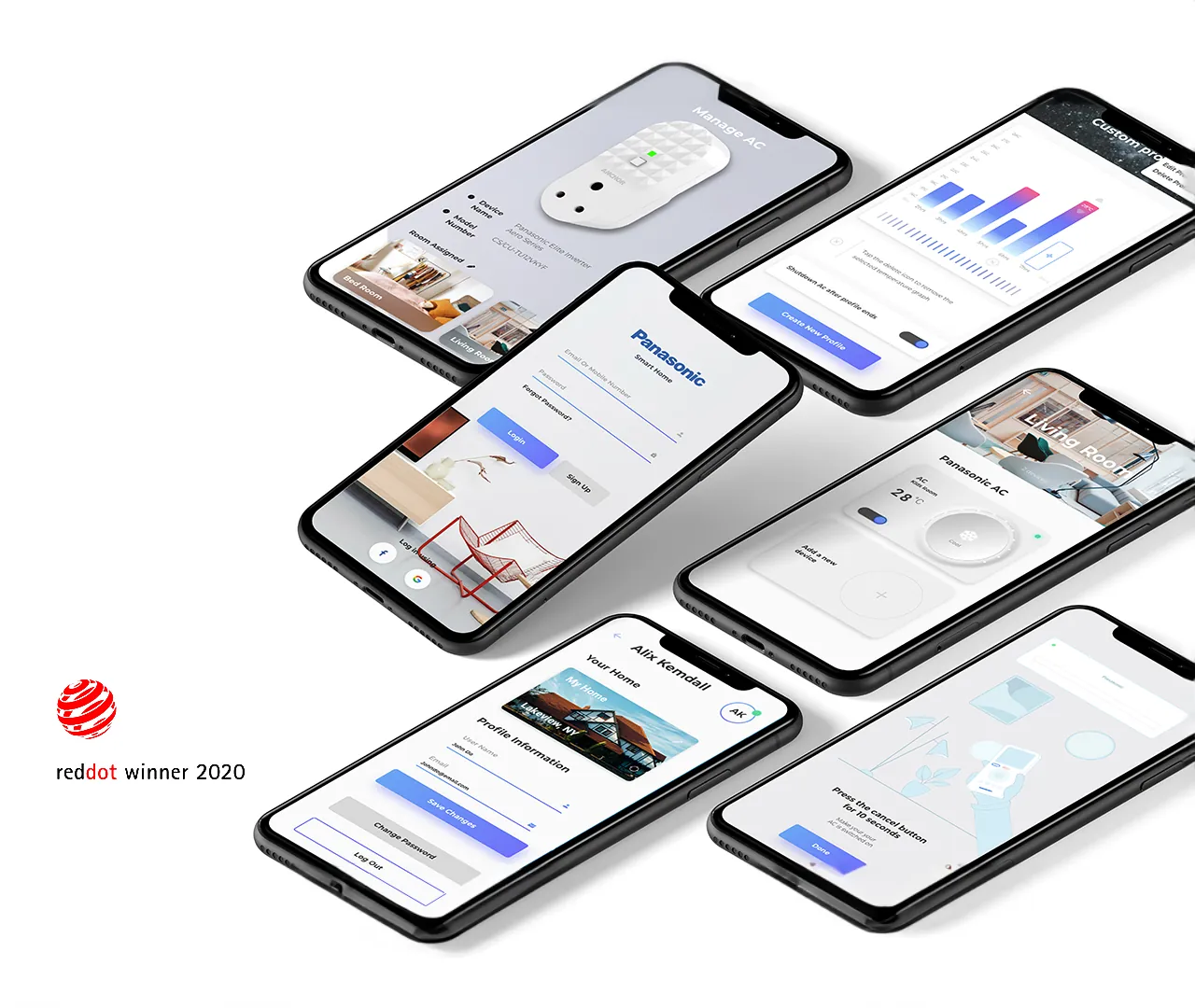
“Analogy brought innovation, passion, and commitment to the table, not only creating a best-in-class Smart Product experience that leaves our customers mesmerized every day, but also designing an experience that is award winning.”
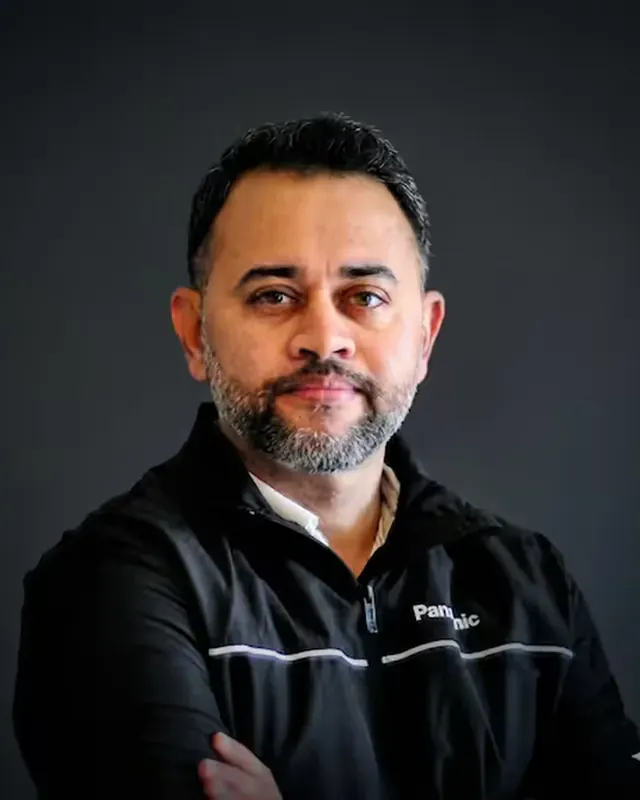
Anurag SrivatsavaAnurag SrivatsavaProduct Lead, Panasonic Smart Devices
“Analogy’s structured design approach and contemporary styling broke traditional norms, delivering a unique product design. Their European-inspired aesthetics are highly recommended for innovative projects.”

Sreejith KumarSreejith KumarAVP Design, Borosil
“The experience with Analogy was excellent. I’d rate it 9 out of 10. They have good talent, leadership, and management, and they think deeply about technology and market research. They’re the best consultancy I’ve worked with.”

Pankaj JamwalPankaj JamwalNPD Lead, CG Global
Your appliance next

Tell us what you’re building. We’ll tell you what it takes.

A sketch, a white-label sample or a prototype that won’t pass testing. Bring whatever you have.

Why appliances are hard

An appliance has to live with heat, steam, water and food, and with the people using it every day for years.

It also has to pass safety testing before a retailer will list it. These are the four things that catch first-time founders out, and the reason we plan certification and tooling from the first week.

Heat, water and food in one box

Heating elements, steam and spills sit a few centimetres from mains power. Every seal, vent and gap is a safety decision, and every part that touches food has to stay food-safe at cooking temperatures.

Certification is designed in, not added

Standards such as UL 1026 and IEC 60335 set surface temperatures, insulation distances, abnormal-use tests and cord rules. Miss them in CAD and you find out in the test lab, after the moulds are cut.

Tooling commits you early

Moulds for housings, baskets and lids are usually the biggest bill before launch. Once steel is cut, changes are slow and expensive, so the design has to be right before the first samples.

Unit cost decides the shelf price

Appliances compete on crowded shelves at tight margins. Part count, assembly time, box size and freight decide whether your target retail price works at all.

From sketch to shelf

Every appliance runs on Product Path™.

Four phases, about 9–14 months from idea to production-ready, each priced before it starts. Stop after any phase with everything you’ve paid for.

Phase 1 · 4–6 weeks

Concept and strategy

Teardowns of competing appliances, research in real kitchens, three to five directions, a target unit cost and a certification plan.

Phase 2 · 8–14 weeks

Engineering and prototyping

Heating, motors, airflow and electronics engineered, then three to five prototype rounds tested for heat, cleaning, noise and use.

Phase 3 · 10–16 weeks

Manufacturing and scaling

DFM, factory selection, tooling, first samples, pre-compliance and formal certification, with our team of four in Shenzhen on the line.

Phase 4 · 6–10 weeks

Launch

Packaging and drop tests, manuals and safety labels, launch visuals and the listing requirements your retailers ask for.

What an appliance costs

No hourly billing. Each phase is scoped and priced before it starts. Tooling and certification are paid to the factory and the test lab, so we show them separately.

What does it actually cost to build hardware?
$51k–$85k

where most first products land with us, across all four phases

$10k–$15k

where Phase 1 usually starts, for 4–6 weeks

$15k–$100k

typical injection-mould tooling, paid to the factory

$10k–$50k

typical certification budget across markets, paid to the lab

What moves the number for an appliance

Electronics and connectivity

A timer and a relay is simple. A display, sensors or an app adds engineering, firmware and FCC or radio testing.

Number of moulded parts

Every housing, lid and basket needs its own mould. Fewer, smarter parts lower both tooling and assembly cost.

Heat and food contact

Heating elements, steam and food-safe materials add thermal work, material tests and longer safety testing.

Markets you sell in

Each market adds its own safety mark and test reports. Planning US, EU and UK together saves a round.

Get a number for your appliance

Bring a sketch or a sample to a free 30-minute call and leave with a rough budget and timeline.

Which certifications does a kitchen appliance need?

It depends on where you sell and what is inside the product. Plan it in Phase 1, because the standard you test to shapes the design. Here is the short version for the markets founders ask us about most.

Certifications for kitchen appliances by market
MarketSafety markStandards to plan forAlso plan for
United StatesUL or ETL listing from an OSHA-recognised lab (NRTL)UL 1026 cooking and serving appliances · UL 1083 skillets and fryers · UL 1082 coffee makers and kettles · UL 982 blenders and food processorsFCC Part 15 for electronics or wireless · FDA food-contact rules · California Prop 65
European UnionCE marking: Low Voltage, EMC and RoHS directivesEN 60335-1 plus the part 2 for your product, such as EN 60335-2-9 for portable cooking appliancesFood contact (EC) 1935/2004 and plastics (EU) 10/2011 · Radio Equipment Directive · WEEE · an EU responsible person under GPSR
United KingdomUKCA, or CE, which Great Britain still accepts for most appliancesThe same EN 60335 reports usually cover both marketsUK electrical safety, EMC and RoHS regulations · food-contact rules that mirror the EU’s
IndiaBIS certification and the ISI markIS 302, India’s version of IEC 60335, compulsory for most household appliances under a 2026 Quality Control OrderForeign factories certify through BIS’s foreign manufacturer scheme, with testing in India and a factory audit
$1.5k–$10k

typical cost of one safety listing for one model

4–8 weeks

typical lab time if the sample passes first time

+2–4 weeks

for each failed round, plus any tool changes

Phase 1

when your certification plan should be written

Rules change and every product is different. Treat this as a starting map and confirm the current requirements with your test lab before you lock the design.

Six decisions that make or break an appliance

The details customers notice in their first week and reviewers write about. Each one is cheaper to get right in CAD than on the production line.

Materials that touch food

PP, Tritan, borosilicate glass, 304 stainless steel and food-grade silicone are common choices. Each has temperature limits and migration tests, and a fryer basket’s coating matters as much as the housing.

Heat and airflow

Handles, buttons and outer walls have to stay at safe touch temperatures, and hot air has to stay away from the electronics. We test this on prototypes long before the lab does.

Cleaning

If a part can’t come off and be washed, people stop using the product. Removable, dishwasher-safe parts, open corners and fewer seams decide the reviews.

Noise and vibration

Motors and fans are judged by ear. Mounting, balancing and airflow paths need to be engineered, not left for the factory to sort out.

Part count and platforms

Every screw and sub-assembly adds cost. Shared parts and a platform approach let one set of tools serve a whole family, as with the Nester range and the modular Agnisumukh stove.

Packaging and drop

Appliances ship in volume across oceans. Box size drives freight cost, and drop tests catch cracked housings before customers do.

What working with us on an appliance looks like

The people who sketch it engineer it

Every concept is checked against heat, safety standards and tooling by the engineers who will build it.

A team of four in Shenzhen

They stay at your factory through tooling, first samples and the first production runs.

Your idea stays yours

NDA signed before you share anything. Every sketch, render and CAD file is yours.

Fixed price per phase

Scope and price are agreed before each phase starts. No hourly billing, no surprises.

Kitchen appliance design questions, answered

Something we haven’t answered about your appliance? Ask us on a free call.

How much does it cost to design a kitchen appliance?

With Analogy, most first products land between $51,000 and $85,000 in design and engineering over 9–14 months, and Phase 1 usually starts around $10,000–$15,000. Budget separately for injection-mould tooling, often $15,000–$100,000 depending on the number and size of parts, and for certification, often $10,000–$50,000 across markets. A connected appliance with an app costs more.

How long does it take to develop a home appliance?

About 9–14 months from idea to production-ready: 4–6 weeks of concept, 8–14 weeks of engineering and prototyping, 10–16 weeks of manufacturing preparation and 6–10 weeks of launch support, plus the reviews, decisions and vendor lead times in between.

How many appliances has Analogy designed?

More than 25 home and kitchen appliances, from air fryers, tea makers and stoves to fans, air coolers and connected appliances. 15 of them have shipped, and most of those have sold more than 10,000 units each.

Do I need UL certification to sell a kitchen appliance in the US?

In practice, yes. Amazon and most large retailers expect a listing from an OSHA-recognised test lab such as UL or Intertek (ETL) on plug-in products, and many local electrical codes require one. Without it, listings can be pulled and shipments refused.

What is the difference between UL and ETL?

Both are Nationally Recognized Testing Laboratories, and ETL (Intertek) tests to the same UL standards. The difference is mostly brand recognition, price and lab lead times, not the safety bar. Check which marks your retailers accept, then choose on cost and timing.

What is IEC 60335?

The international safety standard for household electrical appliances. Part 1 sets general requirements and the part 2 sections cover specific product types, such as 60335-2-9 for portable cooking appliances. Europe (EN 60335), India (IS 302) and many other markets build on it.

Should I start with a white-label appliance instead of my own design?

It can be a sensible first step. White-label products are quick to market but hard to tell apart from competitors. Many founders start by modifying an existing platform, then move to their own design once they know what customers want. Nester made that move with us for its air fryer range.

Can you manufacture my appliance?

We are a design and engineering studio, not a factory. We help you choose the right factory, design for its processes and tools, and our team of four in Shenzhen stays on the line through tooling and first production runs, whether the factory is one of our partners or yours.

What do I need before I talk to a product design firm?

An idea and the problem it solves. No polished brief needed. A sketch, a competitor you want to beat or a target retail price is enough for a useful first call.

Bring us the appliance before you tool it.

A sketch, a white-label sample or a prototype that won’t pass testing. In 30 minutes we’ll tell you what it takes to get it certified, built and on the shelf, and roughly what that costs.

No polished brief needed. If we’re not the right team for your appliance, we’ll say so.