Smart Home & IoT design for founders.

We take smart home and connected-product founders from concept to production. The hardware, the app and the wireless approvals planned together, so the product works in a real home before you commit to a factory.

Free 30-minute call · NDA before you share the idea · You own every sketch
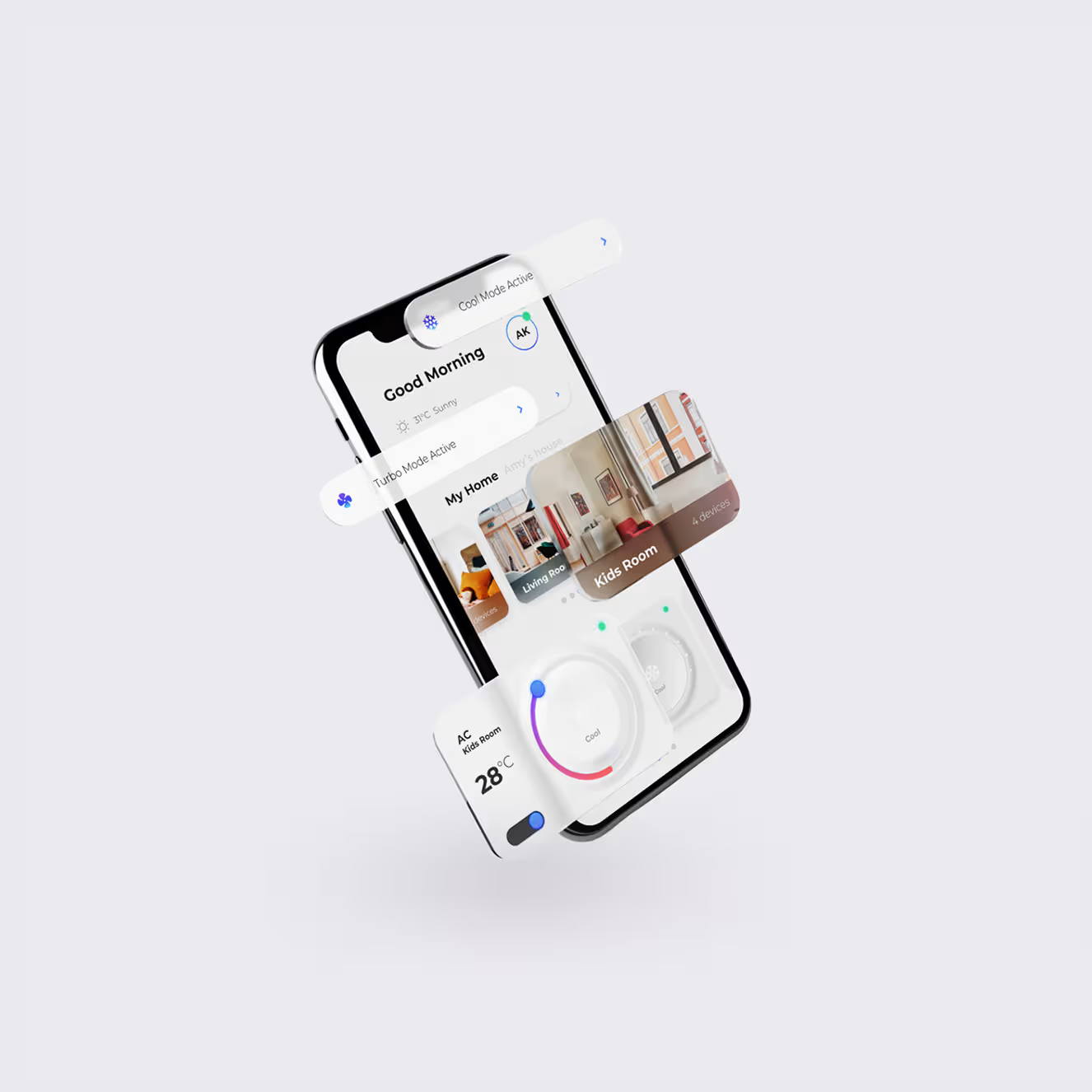
The Panasonic Miraie smart home app, designed with Analogy
3+

smart and connected products designed

150+

shipped and selling in the real world, across all our industries

10 months

from brief to manufacture-ready hardware for Mustard AI glasses

What smart home and IoT teams say

Unedited, from the founders and product teams behind the products on this page.

The Panasonic Miraie smart home app, designed with Analogy
Anurag Srivatsava, Product Lead, Panasonic Smart DevicesProduct lead at a smart home brandAnurag SrivatsavaProduct Lead, Panasonic Smart Devices
“Analogy brought innovation, passion, and commitment to the table, not only creating a best-in-class Smart Product experience that leaves our customers mesmerized every day, but also designing an experience that is award winning.”

Our smart home and IoT work

Switches, antennas, apps and sensors: the details that decide whether a connected product works in a real home. Hover or tap to open a project.
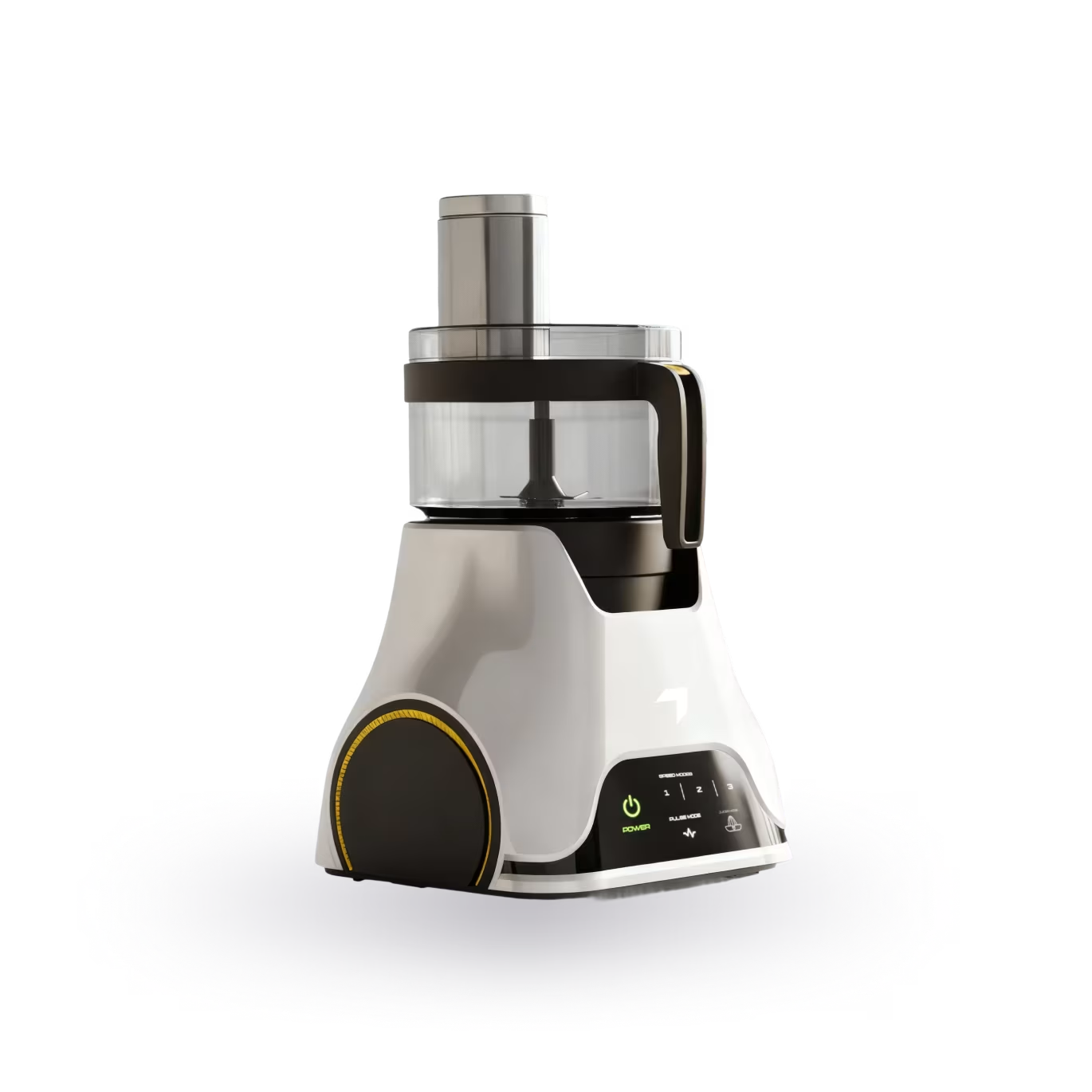
Smart homeWearablesWellness devicesAppliances

Details from the bench

Widgets that mirror switches, frames that balance and modules that fit one palm: the small parts that decide whether people keep a connected product.
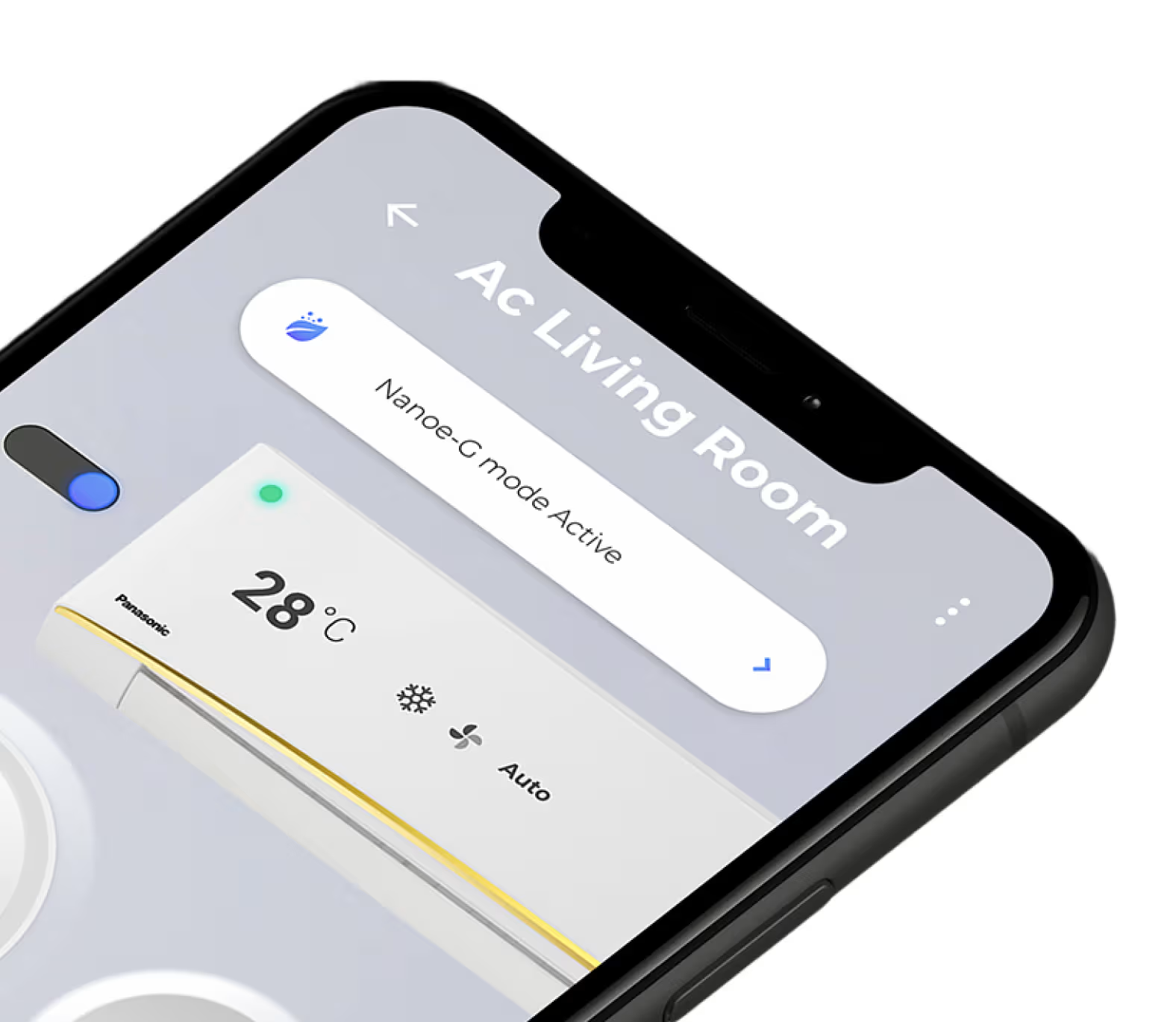
Panasonic Miraie neomorphic controls that mirror physical switches
Miraie · neomorphic controls that mirror physical switches
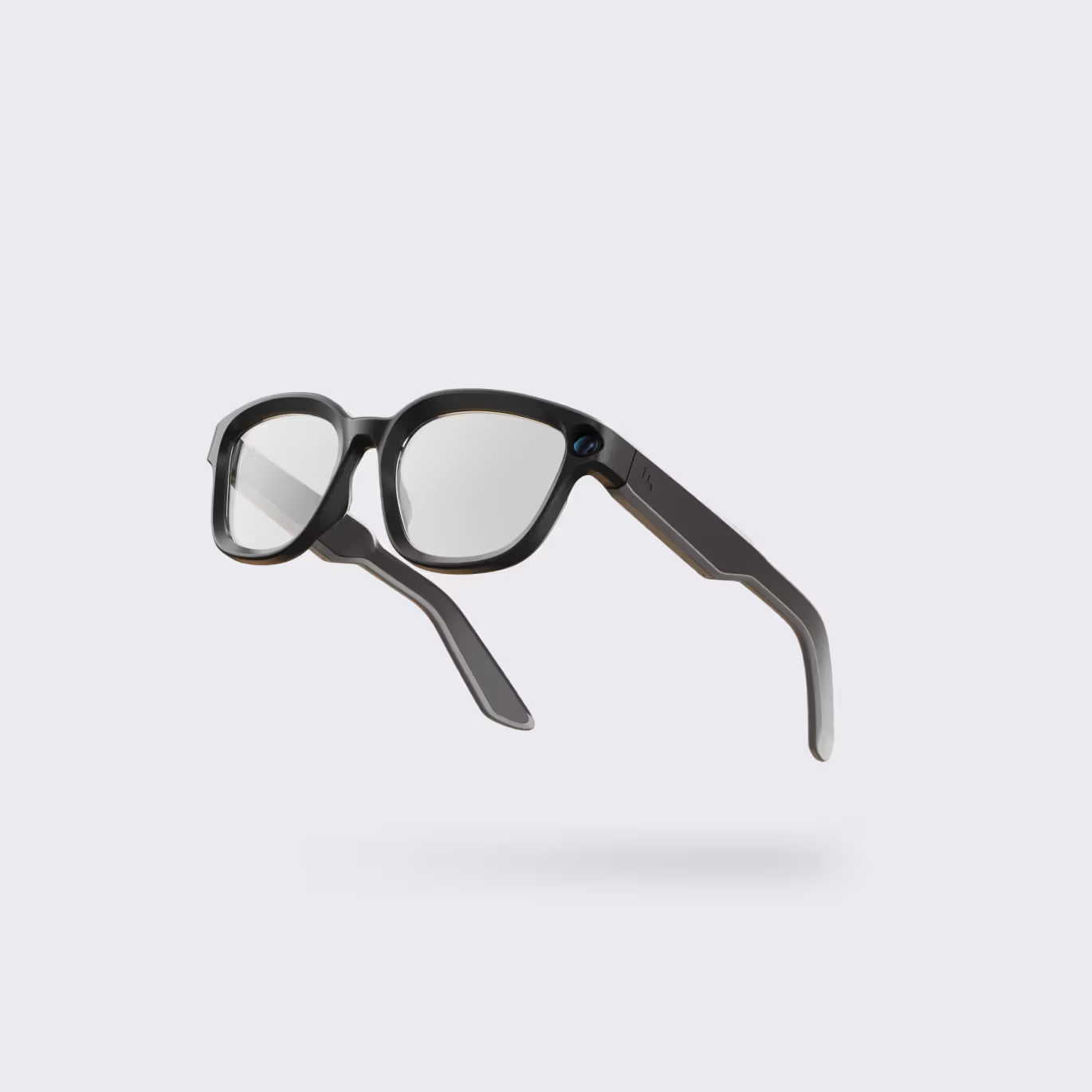
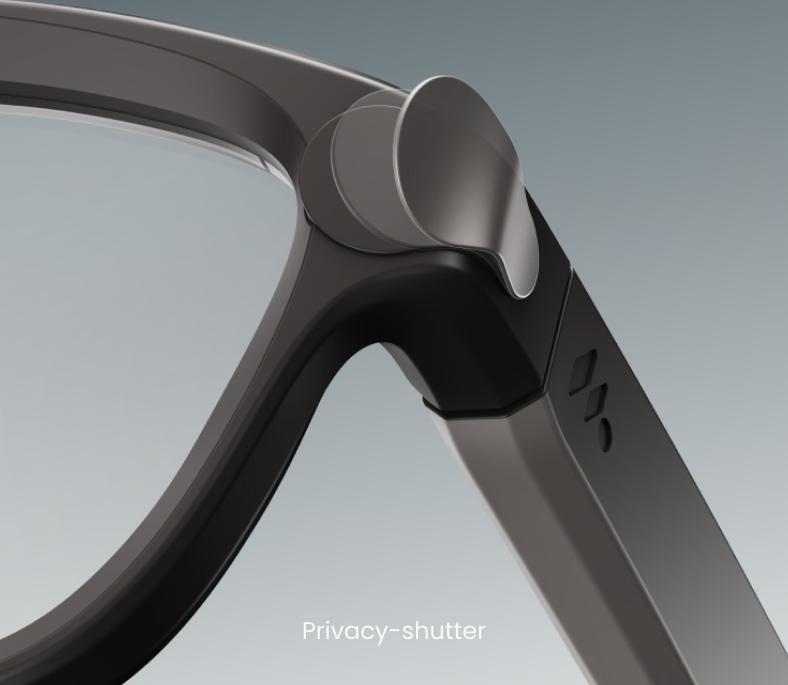
Mustard AI glasses camera
Mustard · clear camera awareness
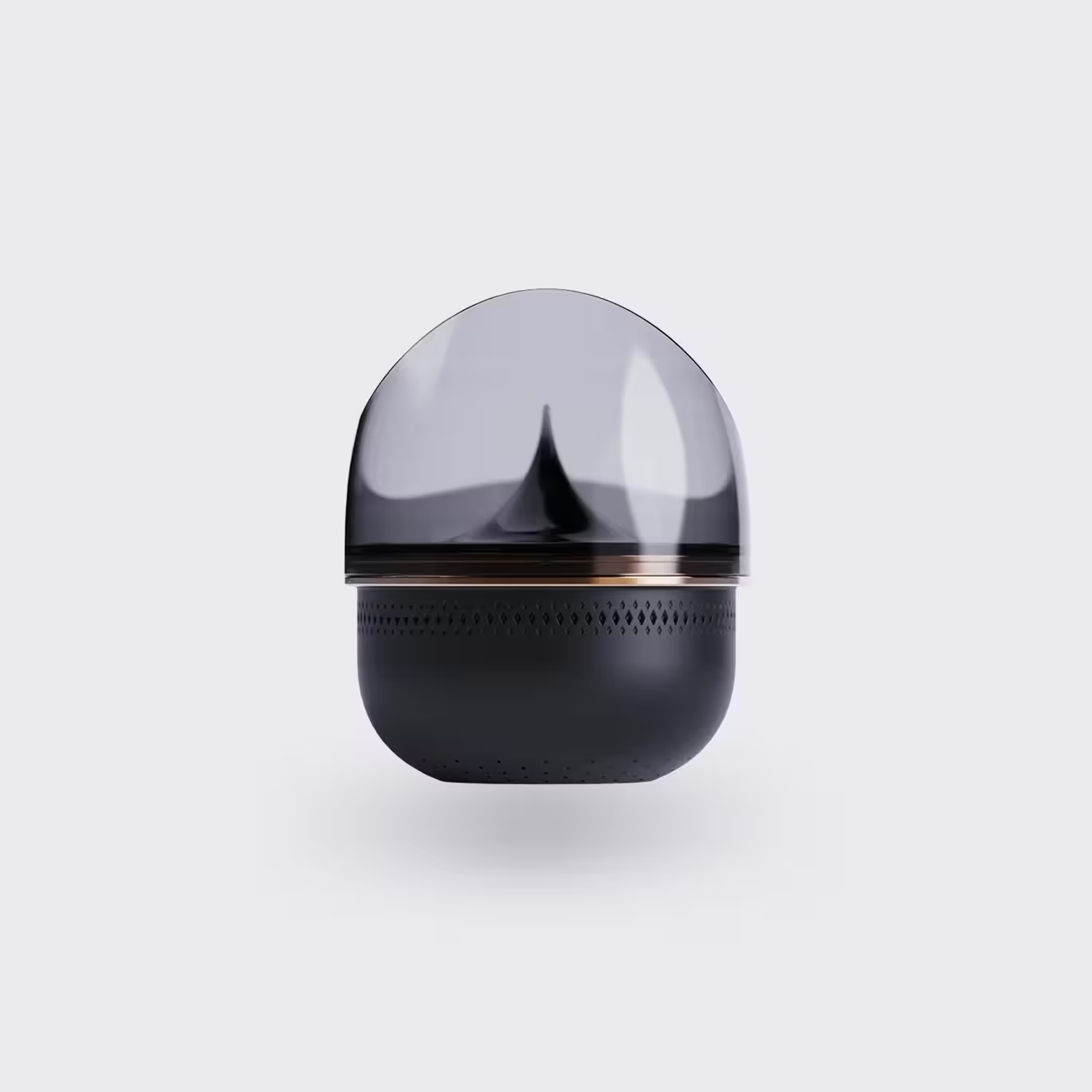
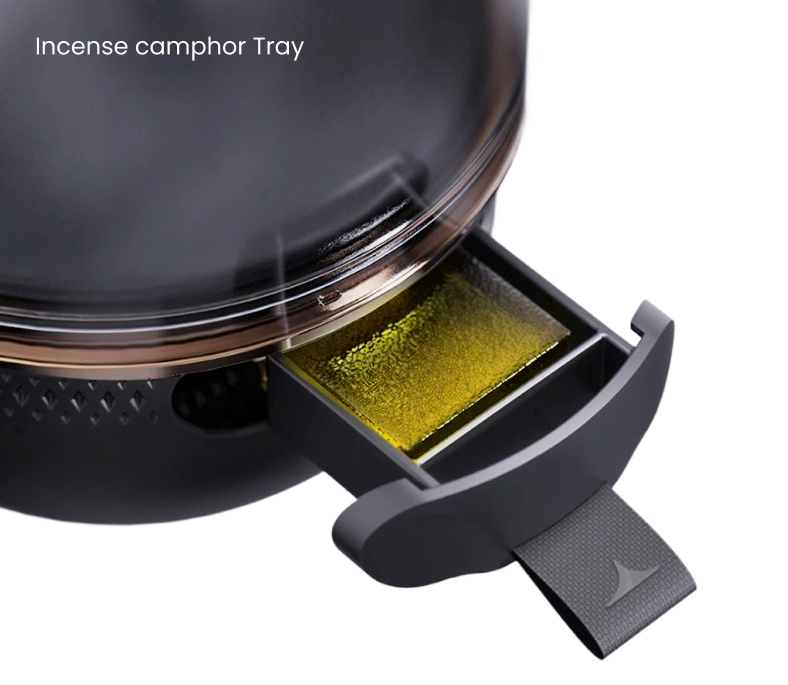
iDiya light, speaker and scent module in one palm-sized body
iDiya · light, sound and scent

Where founders get stuck

Most connected-product founders arrive stuck at one of three points. Here’s how each one played out.
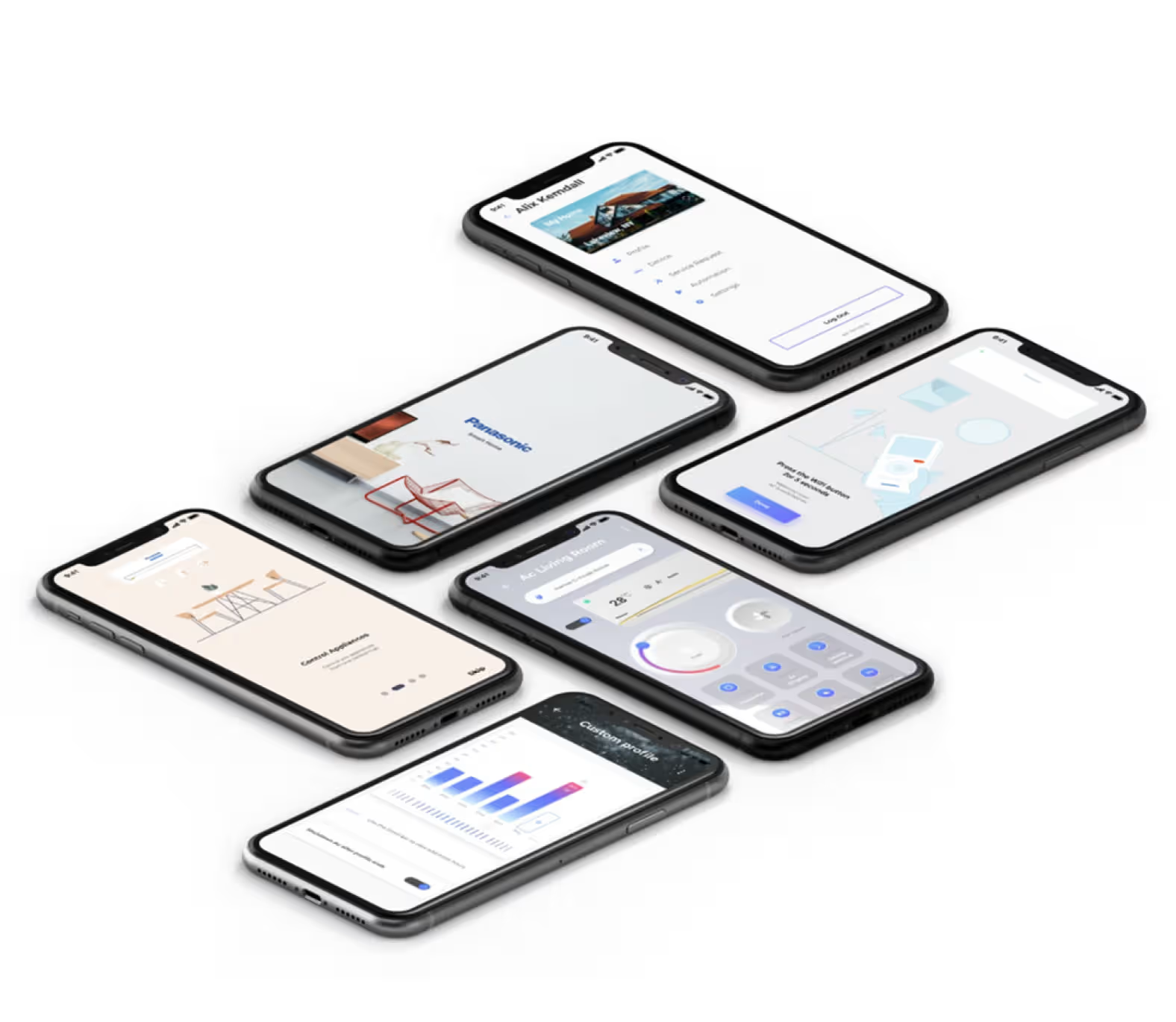
Panasonic Miraie smart home app screens01 · Define the right product

Every device ships its own app, and the home turns into a folder of remotes.

We studied how people use switches and thermostats in real homes, then designed one interface with core controls first and automation underneath.

One app for control, monitoring and automation

Panasonic Miraie case study
The Mustard AI glasses02 · Design for everyday use

Smart glasses feel heavy, and an unclear camera makes people uneasy.

We reworked the frame to cut bulk, balanced the weight through CAD and prototypes, and kept camera awareness clear.

Manufacture-ready in 10 months, shown at CES 2025

Mustard AI glasses case study
The iDiya smart wellness device03 · Prepare for production

Light, sound and scent electronics make a small product bulky and hard to build.

We built a modular architecture that houses the LEDs, speaker, diffuser and electronics without compromising the form.

Crowdfunding-ready hardware for the US and Europe

iDiya case study

What it takes to bring a smart home and IoT product to market.

Radios, antennas, power, the app and the approvals all shape the budget, and each phase is scoped and priced before it starts. Full development runs $125k–$250k, with tooling and certification extra.

THE HARD PARTWHAT MOVES THE NUMBERTYPICAL COST

Concept comes first

Radios, antenna space and the enclosure are shaped together from day one.

Scope of the concept

The number of radios, sensors and parts you want in the first product decides where you land in the range.

$15k–$75k

You pay Analogy

Phase 1 industrial design and concept. A simple consumer product sits at $15k–$25k

Prototypes prove it

Radios, power and fit are tested on real parts before tooling.

Samples and test rounds

More prototype rounds and more samples cost more, and they are cheaper than finding the problem after tooling.

$10k–$50k

You pay Analogy

Phase 3 prototyping and testing. Sample parts are quoted by the factory and billed directly, no commission

Connected technology is the biggest line

Wi-Fi, Bluetooth, Thread or Matter decide cost, range and compatibility.

Radios, sensors, app and cloud

Each radio and sensor adds engineering and testing. Metal and thick walls cut range, so the antenna needs room from day one.

$25k–$150k

You pay Analogy

Phase 2 engineering. Off-the-shelf modules are about $25k; custom connected devices go past $100k. Electronics (circuit, PCB, firmware, EMC prep) alone is $15k–$75k. Certification (about $10k–$50k) is paid to the labs and quoted separately for your markets

Tooling commits you early

Once steel is cut, changes are slow and expensive.

Number of moulded parts

The enclosure has to protect the electronics without blocking the antenna. Fewer, smarter parts cost less.

$15k–$100k

You pay the factory

Per mould, billed by the factory separate from development

Get a number for your product

Bring a sketch or a prototype to a free 30-minute call and leave with a rough budget and timeline.

STAGE 01Concept & StrategyExplore ideas and directions before a single path is drawn.
PRODUCT PATH

From sketch to shelf, one stage at a time.

Concept & Strategy

Explore ideas and directions.

Engineering & Prototyping

Refine form, use and details.

Manufacturing & Scaling

Resolve parts, materials and tolerances.

Launch Support

Build and test the real thing.

Explore the Product Path

Which standards and certifications does a smart home and IoT product need?

Connected products carry radios, batteries, mains power and user data, so regulators in each market expect proof of radio, electrical, battery and security compliance before you can sell. Plan it in Phase 1 and test during Phase 3; labs and regulators do the certifying.

Standards and certifications for smart home and IoT products by requirement
RequirementApplies whenWhat to plan for
Radio and EMCWi-Fi, Bluetooth, Zigbee or ThreadTypically FCC Part 15 in the US, CE under the Radio Equipment Directive in the EU and UKCA in the UK, with radio and EMC testing at an accredited lab.
India wirelessSelling in IndiaTypically WPC ETA for wireless; BIS CRS where the category is covered.
Electrical safetyMains-powered products and adaptersTypically IEC/EN 62368-1 (UL 62368-1 in North America), with safety testing of the product and its power supply.
Household appliance safetyThe product is an appliance with a motor or heating elementThe IEC 60335 series, only where the product falls under it.
Battery safety and transportLithium cellsTypically IEC 62133-2 for cells and UN 38.3 for transport testing, for air and sea freight to any market.
InteroperabilityYou want ecosystem badgesBluetooth SIG listing and Matter certification through the Connectivity Standards Alliance. Confirm programme requirements and fees with each body.
CybersecurityConnected consumer productsETSI EN 303 645; EU RED cybersecurity rules; UK PSTI Act; US Cyber Trust Mark (voluntary).
Substances and dataElectronics; cameras, mics or accountsTypically RoHS and REACH in the EU and UK and Prop 65 in California; GDPR in the EU and India’s DPDP Act for personal data.

Requirements depend on the product's intended use, technical configuration and target markets. This information is intended as a starting point for planning and should be validated with an accredited testing laboratory or qualified compliance specialist before finalising the design.

Phase 3

when your test map should be written

$10k–$50k prototyping and testing

Design freeze

validate the design on working prototypes

$8k–$25k design-validation prototypes

Per market

approvals follow your radios, power source and markets

$10k–$50k certification, paid to the labs

Before tooling

freeze the module and antenna

$15k–$100k per mould

Six decisions that make or break a smart home and IoT product

The details customers notice in their first week and reviewers write about. Each one is cheaper to settle in CAD than on the production line.

Hardware and software integration

Firmware, app and cloud have to be designed with the electronics and enclosure, not after them. A late change in one ripples through all three.

Wireless connectivity and interoperability

Wi-Fi, Bluetooth, Thread or Matter decides cost, range, approvals and compatibility. Metal and thick walls kill range, so the antenna needs room early.

Power and battery performance

Mains or battery decides safety approvals, size, shipping and how often users recharge. Standby draw is a design decision too.

Privacy and security

Cameras and mics need visible signals and secure data handling, or buyers hesitate. Mustard kept camera awareness clear.

Setup and everyday usability

Pairing, onboarding and reset shape the first five minutes. Put core controls first and keep automation underneath.

Firmware updates and long-term reliability

Who maintains the app and firmware after launch decides whether the product still works well in year three.

What working with us on a connected product looks like

The people who sketch it engineer it

Every concept is checked against fit, standards and tooling by the engineers who will build it.

A team of four in Shenzhen

They stay at your factory through tooling, first samples and the first production runs.

Your idea stays yours

NDA signed before you share anything. Every sketch, render and CAD file is yours.

Fixed price per phase

Scope and price are agreed before each phase starts. No hourly billing, no surprises.

Smart home and IoT design questions, answered

Not here? Ask us on a free call.

How much does a smart home product cost to develop?

Full development, concept to market-ready, runs $125,000–$250,000 for smart home products, and custom wireless and sensors call for a budget of $200,000 or more. Phase 1 design and concept is $15,000–$75,000 on its own. Tooling and certification are extra: tooling is paid to the factory ($15,000–$100,000 per mould) and certification to the labs (about $10,000–$50,000). Keep a 10–20% contingency on top. A connected-device quote far below these ranges is a warning sign.

How long does it take?

It depends on scope, wireless and certification testing, and the reviews, decisions and vendor lead times between phases. Bring your product to a free call and we’ll give you a timeline for it.

What should I bring to a first call about a connected product?

An idea and the problem it solves. No polished brief needed. A sketch, a bench prototype, a competitor you want to beat or a target price is enough for a useful first call.

Do you build the firmware and the app?

We design the product, the interface and the electronics integration. Firmware and cloud depend on scope, and we will say what we cover before you commit.

Which wireless standard should I choose, and do I need Matter?

It depends on range, power, the ecosystem you need and your markets. We settle it in Phase 1, before the antenna and enclosure are fixed. Matter matters only if you want to work with the major home ecosystems; it adds a certification step and a design constraint, so decide early.

Which approvals do I need before I sell?

It depends on your radios, power source and markets, for example FCC and CE for radios. A test lab confirms what applies, and we map the tests in Phase 3.

Can you manufacture my smart home product?

We are a design and engineering studio, not a factory. We help you choose the right factory and design for its processes and tools, and our team of four in Shenzhen stays on the line through tooling and first production runs.

Do I keep the IP?

Yes. An NDA is signed before you share anything, and every sketch, render and CAD file is yours.

Your guide to building better smart home and IoT products.

Practical reading on connected-product cost, wireless approvals, prototypes and manufacturing. Leave your details and we’ll send the guide PDF to your email. Tick the box to also get our newsletter.

Free guide for smart home and IoT founders

Get the guide in your inbox.

No spam. Unsubscribe any time.

Bring us the idea before you pick the chip.

A sketch, a prototype or a wireless question. In 30 minutes we’ll tell you what it takes to get it designed, approved and built, and roughly what that costs.

No polished brief needed. If we’re not the right team for your product, we’ll say so.