A complete guide for concept design to turn product ideas into reality. Concept design services are the first step in new product development process for building a successful hardware product. Before engineering begins, companies must define the right product direction, user value, and market opportunity. This early stage helps transform rough ideas into structured product concepts ready for validation. Strong concept design reduces costly mistakes and creates a clear path toward prototyping and manufacturing.
Concept design plays a critical role in helping startups, innovators, and manufacturers move from uncertainty to clarity. By combining research, creativity, and product strategy, teams can explore multiple ideas before committing to development. This approach improves product market fit and shortens time to market.
In this guide, you will learn the concept design process, real examples, tools, and how to choose the right concept design studio.
What Is Concept Design?
Concept design is the early stage of product development where ideas are explored, shaped, and transformed into clear product directions. It focuses on defining what the product should be, who it is for, and why it should exist before any engineering or manufacturing decisions are made. At this stage, designers combine research, creativity, and strategic thinking to translate abstract ideas into tangible product concepts. Concept design plays a critical role in new product development because it reduces uncertainty and sets a strong foundation for engineering design services later.
In practical terms, concept design brings together user needs, business goals, and technical feasibility into one coherent vision. It often includes concept sketching, early visualization, and initial concept validation to test whether an idea is worth pursuing. Instead of jumping straight into prototyping, concept design allows teams to explore multiple directions quickly and cost-effectively. This approach helps companies avoid expensive mistakes during product engineering and manufacturing.
For startups, enterprises, and innovators, concept design is where clarity begins. It aligns stakeholders around a shared understanding of the product and its value. Whether you are building consumer electronics, medical devices, or IoT products, concept design ensures that development starts with purpose rather than assumptions.
This is why concept design services are considered the first and most critical step in building successful products.
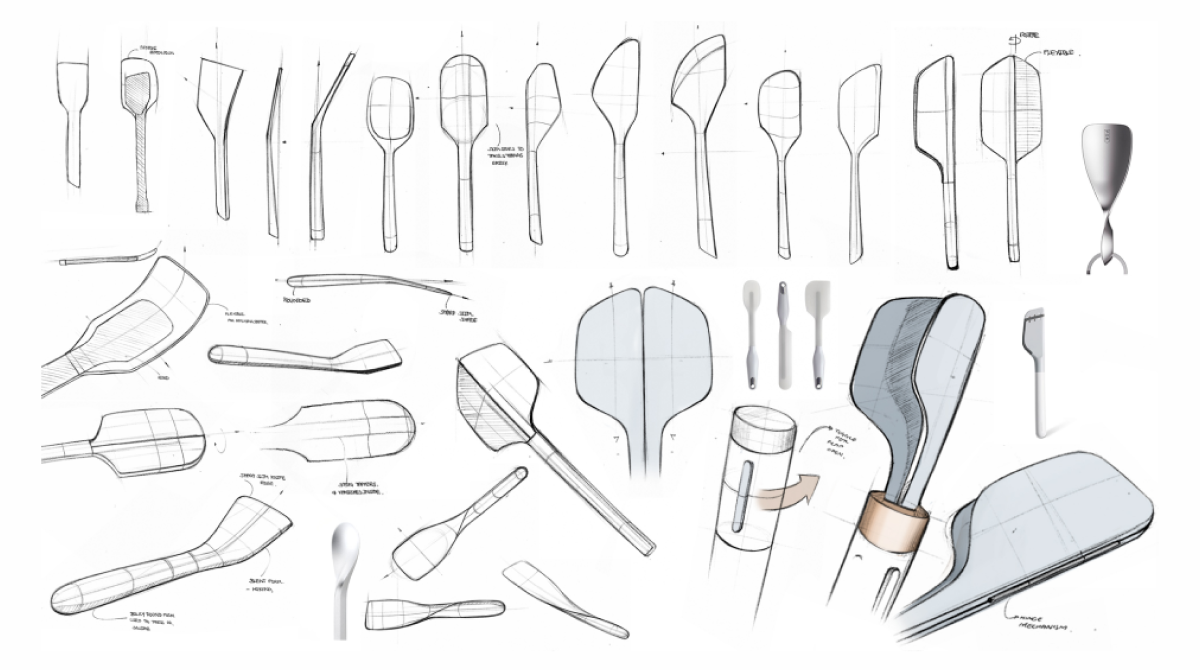
Concept Design History, Timeline
In the late 20th century, concept design evolved alongside advances in materials, manufacturing, and technology. Designers started collaborating more closely with engineers, giving rise to integrated product development workflows. This period also saw the rise of sketching for product design and early concept visualization as standard practices. Concept design began to bridge creativity with feasibility, preparing products for rapid prototyping services and design for manufacturing. The roots of concept design can be traced back to early industrial design movements of the 20th century, when designers began focusing on form, function, and usability together.
As mass manufacturing grew, companies realized that thoughtful planning before production could improve efficiency and product appeal. Concept design emerged as a structured way to explore ideas before committing to engineering and tooling. Over time, it became an essential part of the product design process.
Today, concept design is a multidisciplinary practice shaped by user research, innovation in product design, and digital tools. It sits clearly between idea generation and engineering development within modern new product development stages. With global competition and faster product cycles, concept design has become more strategic than ever. It now influences product strategy, investor communication, and long-term brand differentiation.
The Pioneers Of Concept Design
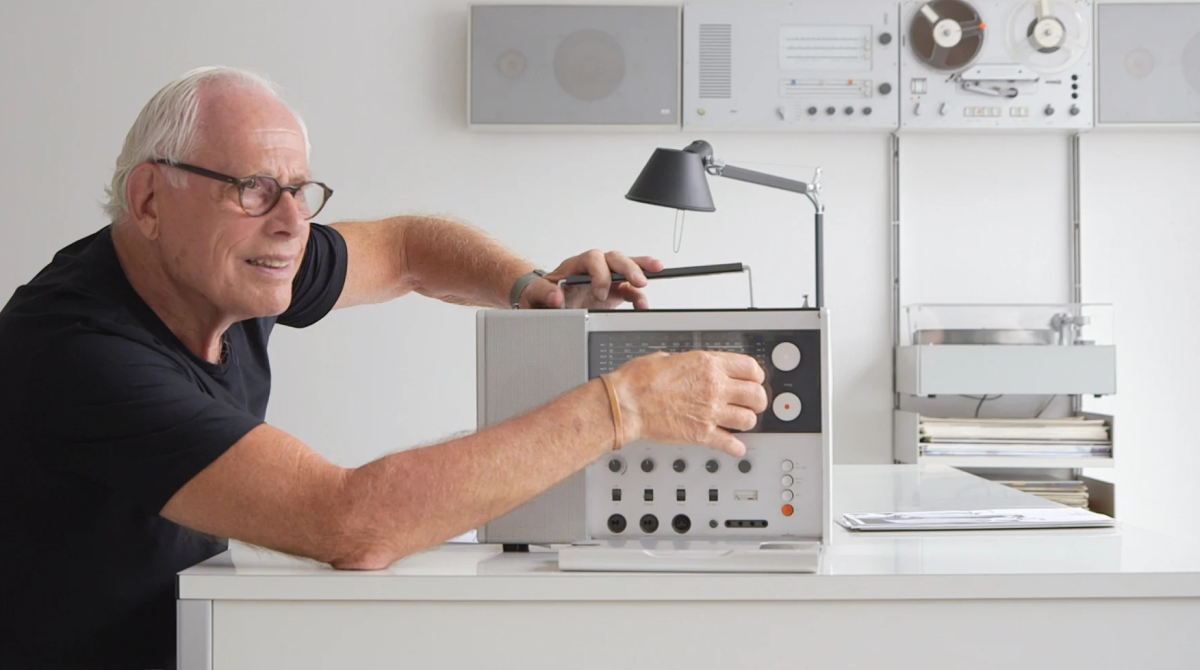
Many pioneers of concept design like Raymond Loewy and Dieter Rams helped establish the idea that products should be intuitive, functional, and visually clear. Concept design came from the industrial design world, where early thinkers emphasized solving real human problems through thoughtful product solutions. Their work showed how early design decisions could shape both user experience and manufacturing efficiency. These principles still guide concept design studios today. As technology advanced, concept design expanded beyond form into systems thinking and innovation strategy. Designers began working closely with product engineers to ensure ideas could scale into manufacturable products. This collaboration laid the groundwork for modern product engineering services and end to end product development. Concept design became less about styling and more about defining meaningful product concepts.
In recent decades, the rise of design thinking further shaped concept design practices. Pioneers in this space emphasized empathy, experimentation, and validation before execution. This mindset influenced how concept design thinking is applied across startups and global companies alike. Today’s concept design builds on these foundations, combining creativity, research, and engineering readiness to turn ideas into market-ready products.
Concept Design Ideas
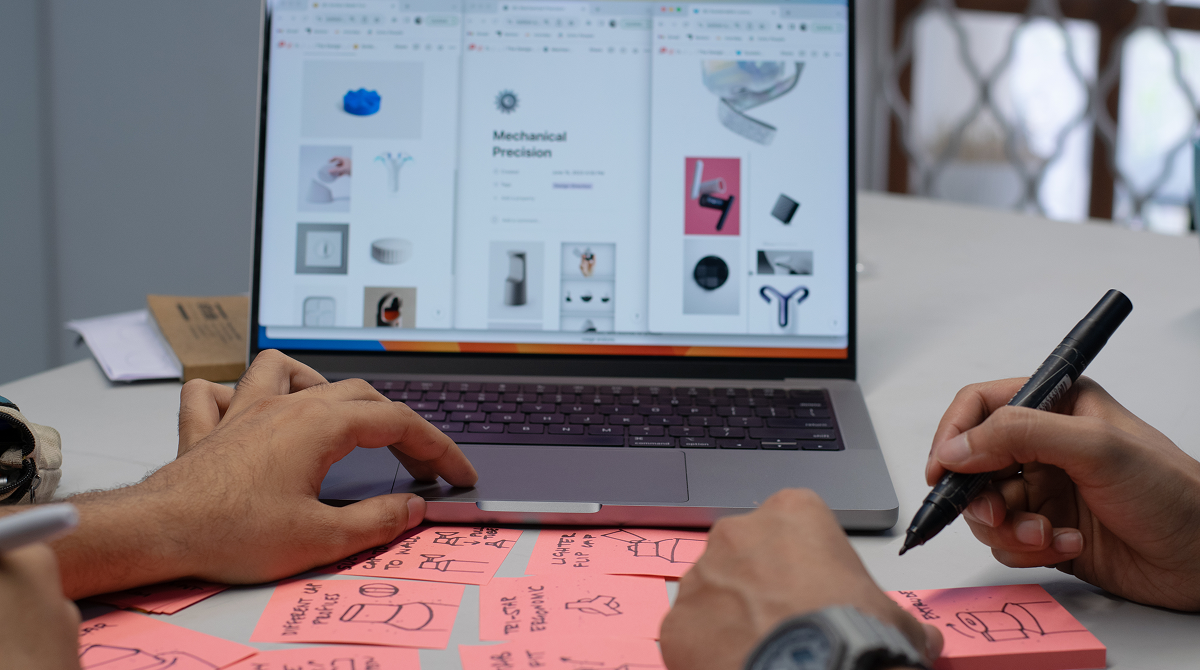
Great products begin with strong concept design ideas that are grounded in real user needs and market opportunities. This stage focuses on exploring multiple directions rather than committing to a single solution too early. Teams use research, brainstorming, and creative workshops to generate a wide range of product possibilities. The goal is to discover ideas that balance desirability, feasibility, and business viability.
Concept design ideas often evolve through sketches, mood boards, and early concept visualization. Designers look at user pain points, technology trends, and competitor gaps to shape new product opportunities. By exploring several ideas in parallel, teams increase the chances of finding a solution that stands out in the market. This approach strengthens product strategy and prepares the foundation for concept validation and engineering development.
Common sources of concept design ideas
- User research insights
- Market trend analysis
- Competitive product studies
- Customer journey mapping
- Emerging technology exploration
- Brainstorming and ideation workshops
- Human centered product design research
- Innovation in product design frameworks
Learn more about the concept design services by Analogy.
Concept Design Thinking And Approach
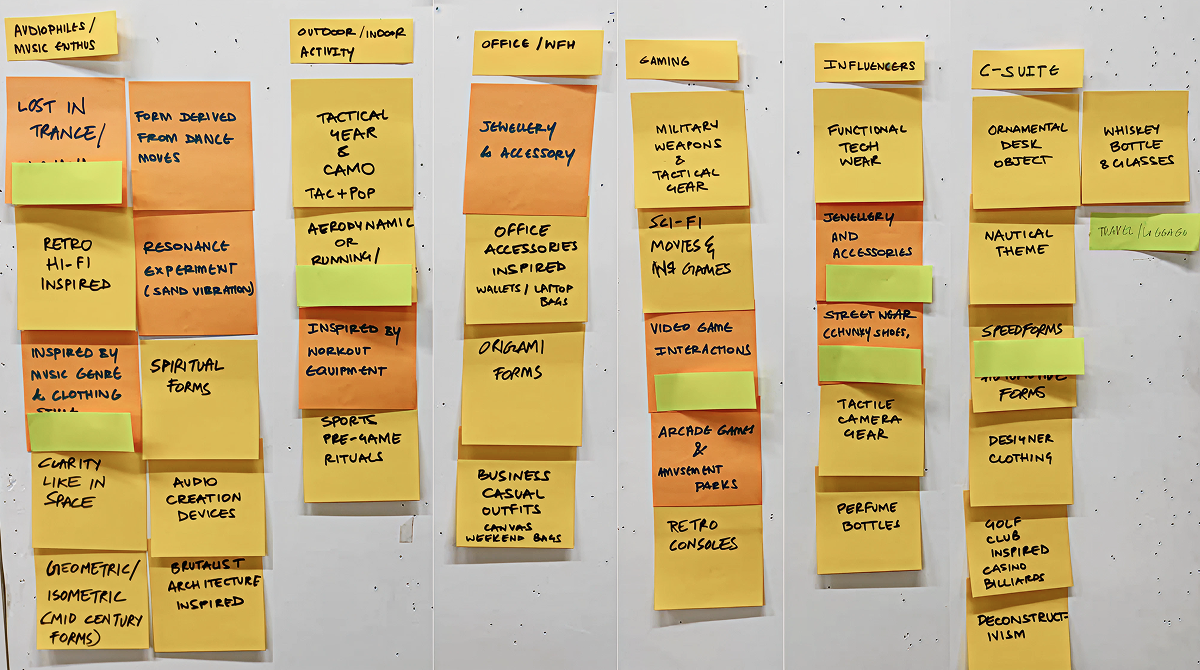
Concept design thinking is a problem solving approach that combines creativity with structured decision making. It helps teams move from vague ideas to clear product concepts through empathy, experimentation, and iteration. Instead of focusing only on aesthetics, concept design thinking prioritizes real user needs and measurable product value. This mindset is widely used in modern product design for startups and established companies alike. By applying concept design thinking, teams can explore multiple solutions quickly and validate them before investing in engineering design services. It encourages collaboration between designers, engineers, and business teams early in the process. This reduces product development risks and improves alignment across stakeholders. As a result, companies can build innovative products with stronger market fit and clearer differentiation.
The Concept Design Process
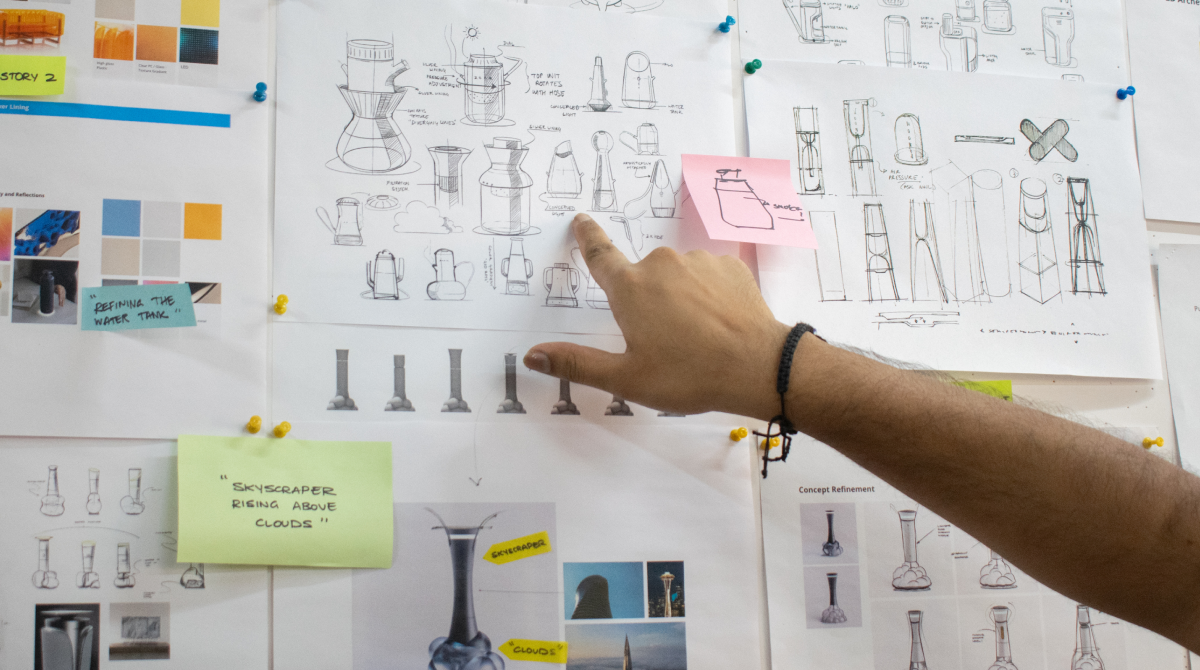
The concept design process transforms early ideas into structured and testable product directions. It connects research, ideation, and validation into a repeatable workflow that prepares products for engineering and rapid prototyping services. This process ensures that every decision is guided by user needs, technical feasibility, and business goals. By the end of this stage, teams have a clear roadmap for product engineering and design for manufacturing. A well defined concept design process reduces uncertainty and accelerates new product development stages. It allows teams to test assumptions early and refine concepts before moving into costly development phases. This structured approach improves collaboration between concept designers, engineers, and manufacturers. Ultimately, it creates a smoother path from idea to prototype and beyond.
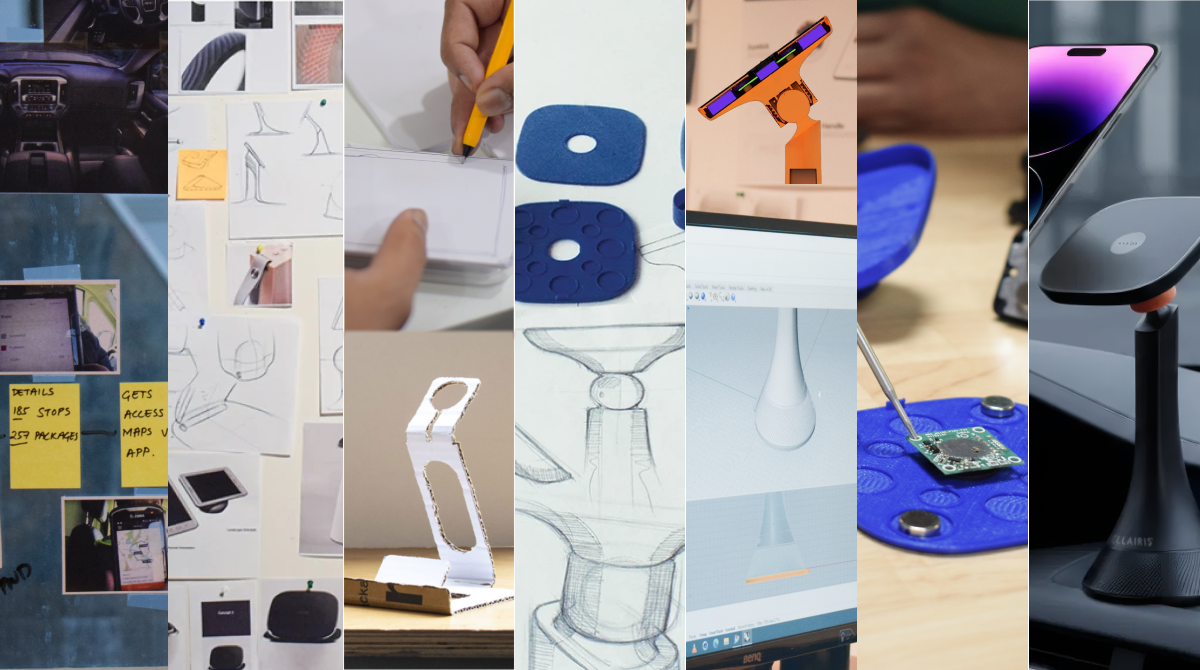
7 Steps In The Concept Design Process
Following are the seven steps in the concept design process:
1. Discover the problem and user needs
Every strong concept begins with understanding the real problem. Teams study user behavior, market gaps, and customer pain points to build a clear foundation for product idea development. This research ensures the concept design is rooted in real demand.
2. Define product goals and success criteria
Before ideation begins, the team aligns on business goals, target users, and product positioning. Clear success criteria help guide design decisions and reduce confusion later in the product design process. This step keeps concept exploration focused and strategic.
3. Generate multiple concept design ideas
Designers explore many possible solutions through brainstorming and concept ideation techniques. Creating multiple directions encourages innovation in product design and prevents teams from committing too early. The goal is quantity first, then quality.
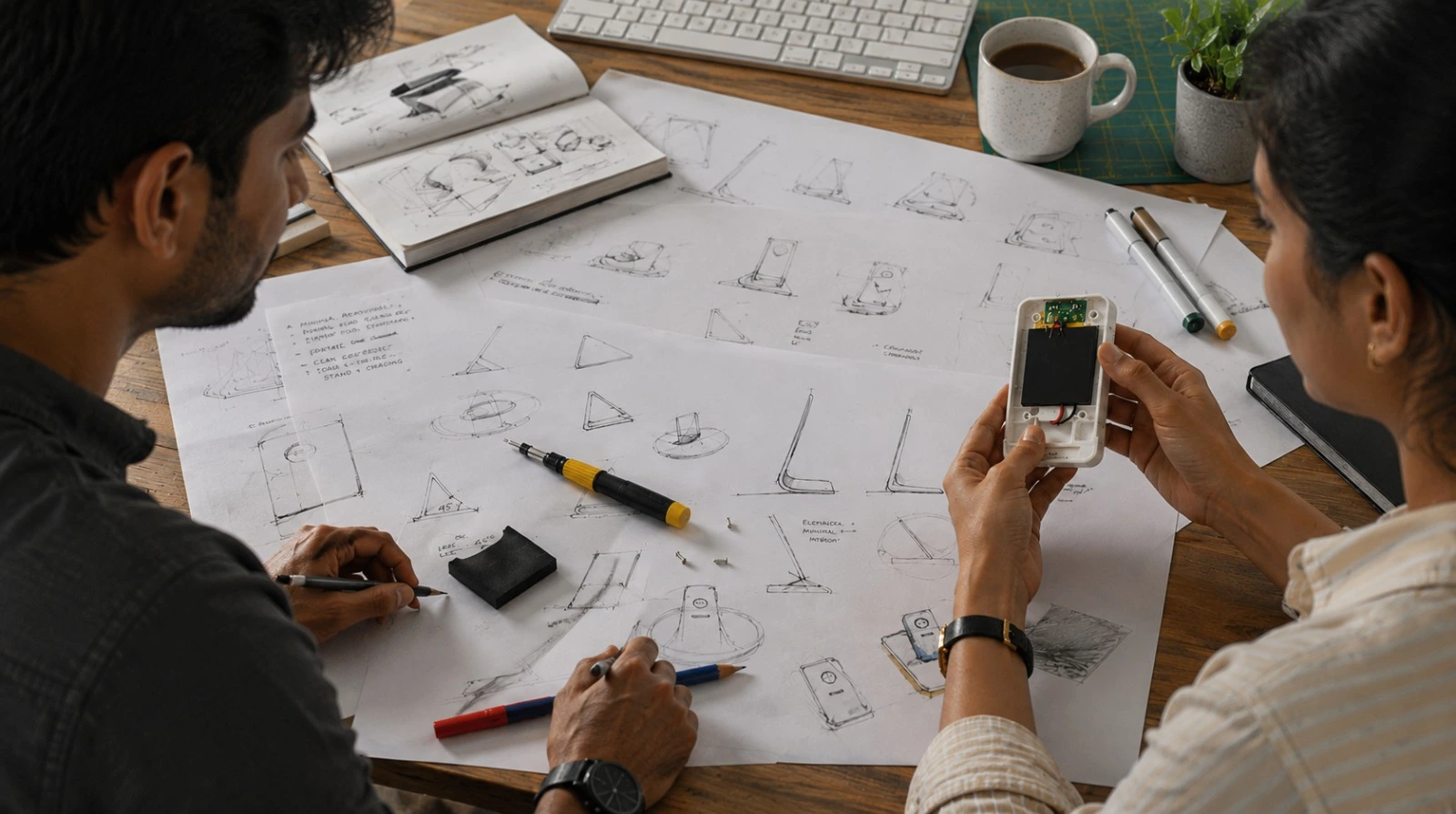
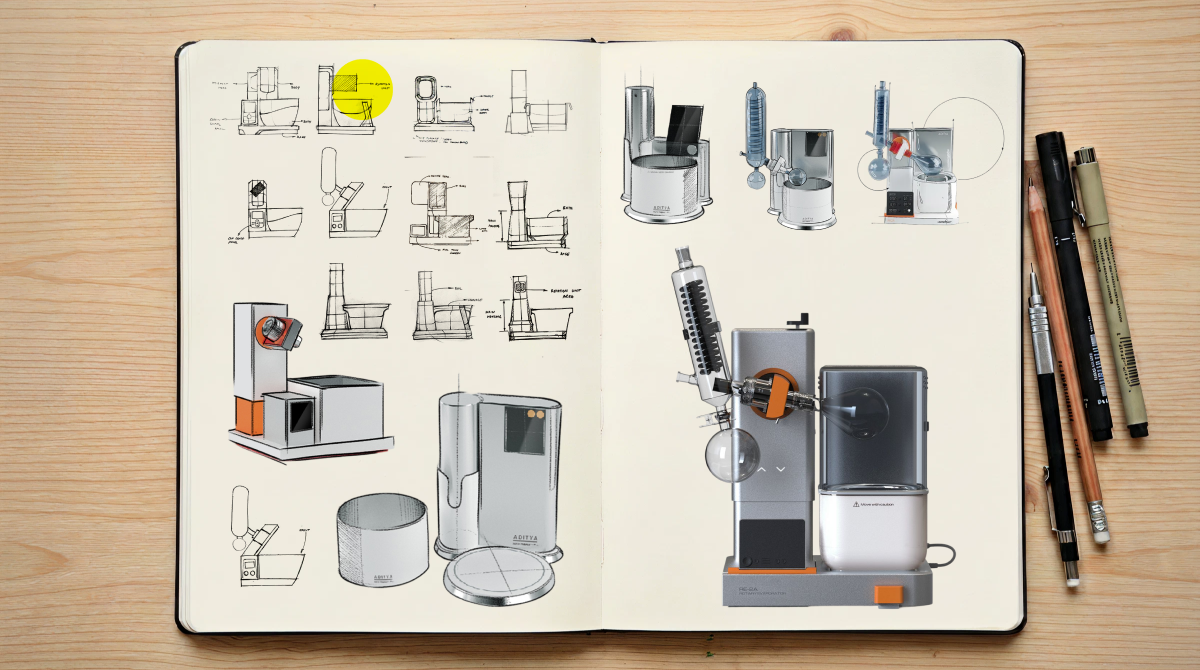
4. Create concept sketches and early visualizations
Concept sketching and industrial design sketching turn ideas into visual form. These early visuals help teams communicate product direction quickly and gather feedback before engineering begins. Sketches also reveal usability and form factor opportunities.
5. Evaluate feasibility and product strategy
Shortlisted concepts are reviewed for technical feasibility, cost, and manufacturing potential. Collaboration with product engineering services begins at this stage to ensure ideas can realistically move forward. This step connects creativity with practicality.
6. Validate concepts with users and stakeholders
Product concept testing helps confirm whether the idea solves real problems. Feedback from users and stakeholders guides refinements and reduces risks in product development. Validation ensures the concept is worth investing in.
7. Prepare for engineering and rapid prototyping
The final concept is refined into a clear direction ready for engineering design services and rapid prototyping. Teams document product architecture, functionality, and design intent. This prepares the product for the next stage of development and manufacturing readiness.
5 Best Concept Design Examples
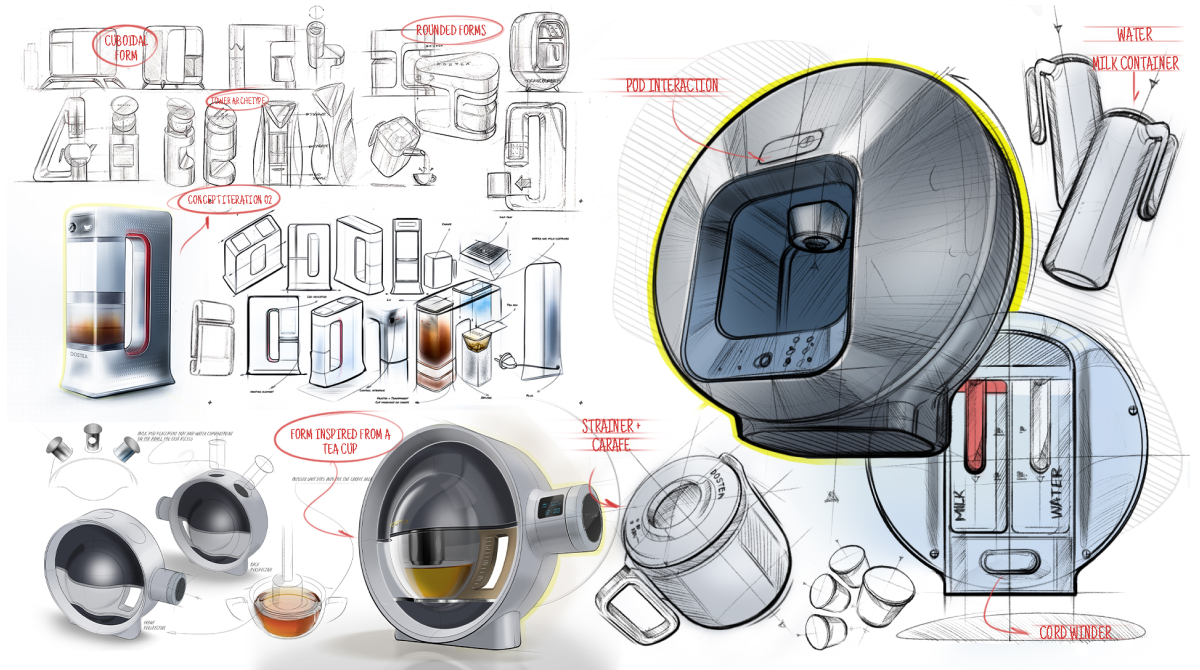
Concept design examples help illustrate how early ideas evolve into real products that succeed in the market. From consumer electronics to smart home devices, concept design gives teams the clarity needed before engineering begins. These early concepts often include sketches, renderings, and concept visualization to communicate the product vision clearly. This stage ensures that the product direction is validated before investing in prototype development.
Many successful products began as simple concept explorations that focused on solving everyday problems. Wearables, kitchen appliances, and IoT devices all rely heavily on strong concept design foundations. Early visualization helps teams test usability, aesthetics, and product positioning at a low cost. This approach improves product strategy and reduces risk before moving into engineering and rapid prototyping services.
1. Kitchen Stove for Agnisumukh
A modular commercial kitchen stove designed using flameless radiant heat technology. The concept focused on reducing SKU complexity while improving ergonomics and manufacturing efficiency.
Smart wearable glasses designed to bring AI powered experiences into everyday life. The concept balanced technology integration, comfort, and futuristic aesthetics.
A heavy duty wireless charging mount built for delivery professionals. The concept focused on safety, strong magnetic holding, and distraction free usability while driving.
An immersive smart exercise bike that uses ambient lighting instead of screens for motivation. The concept blends fitness, interior design, and connected technology.
5. Ergonomic Backpack for Eume
A comfort focused backpack designed for daily commuting and travel. The concept explored ergonomics, durability, and functional storage for modern users.
A modern tea maker designed to simplify the brewing process. The concept combined usability, aesthetics, and kitchen friendly product architecture.
Analogy has won 23 global design awards and made more than 89 products. You can learn more about the concept design services by Analogy on this page.
Concept Design Softwares & Tools
Modern concept design relies on a mix of digital and traditional tools to explore ideas quickly and efficiently. Designers use sketching tools, 3D modeling software, and rendering platforms to bring early concepts to life. These tools help teams collaborate across design and product engineering services while maintaining speed and flexibility. The right tools allow faster iteration and better communication across stakeholders. From concept sketching to product visualization, software plays a major role in accelerating new product development. Tools enable designers to test forms, materials, and usability before physical prototyping begins. This reduces development cost and supports better design for manufacturing decisions later. Technology has made concept design faster, more collaborative, and more data driven than ever.
Below are best concept design softwares and tools:
Adobe Photoshop - quick concept visuals and idea exploration
Adobe Illustrator - vector sketches and concept presentations
Procreate - digital concept sketching on tablets
Autodesk Fusion 360 - early 3D modeling and concept CAD
SolidWorks - mechanical concept modeling and feasibility
Rhino 3D - complex form exploration and surface modeling
KeyShot - photorealistic product concept rendering
Blender - 3D concept visualization and animations
Who Needs Concept Design Services
Concept design services are valuable for anyone planning to launch a new physical product. Startups often rely on concept design to transform early ideas into investor ready product concepts. Established companies use concept design when expanding product lines or entering new markets. Manufacturers also benefit from concept design when creating new SKUs or improving existing products.
Inventors and entrepreneurs frequently need expert guidance to move from idea to structured product direction. Concept design services help align business strategy, engineering feasibility, and user experience early in development. This support reduces costly mistakes and speeds up the path to prototyping and manufacturing. Whether you are building a hardware startup or launching a consumer product, concept design provides the foundation for success.
How To Choose The Right Concept Design Studio
Choosing the right concept design studio can significantly influence the success of your product. A strong studio should have experience across the entire product design process, from concept sketching to engineering collaboration. Look for teams that understand both creativity and technical feasibility. This balance ensures your concept can realistically move toward prototyping and manufacturing. It is important to evaluate the studio’s portfolio and case studies before making a decision. Real world examples show how the team approaches innovation in product design and solves complex challenges.
A good studio will demonstrate experience across multiple industries such as consumer electronics, medical devices, or IoT product design services. This diversity reflects adaptability and problem solving capability. Communication and collaboration are equally critical when selecting a concept design partner. The right studio should involve you in workshops, reviews, and feedback sessions throughout the concept design process. Transparent timelines, clear deliverables, and strong engineering partnerships are key indicators of reliability. These factors help ensure a smooth transition into engineering design services and rapid prototyping.
Analogy Design: 10 Years Of Turning Ideas Into Real Products
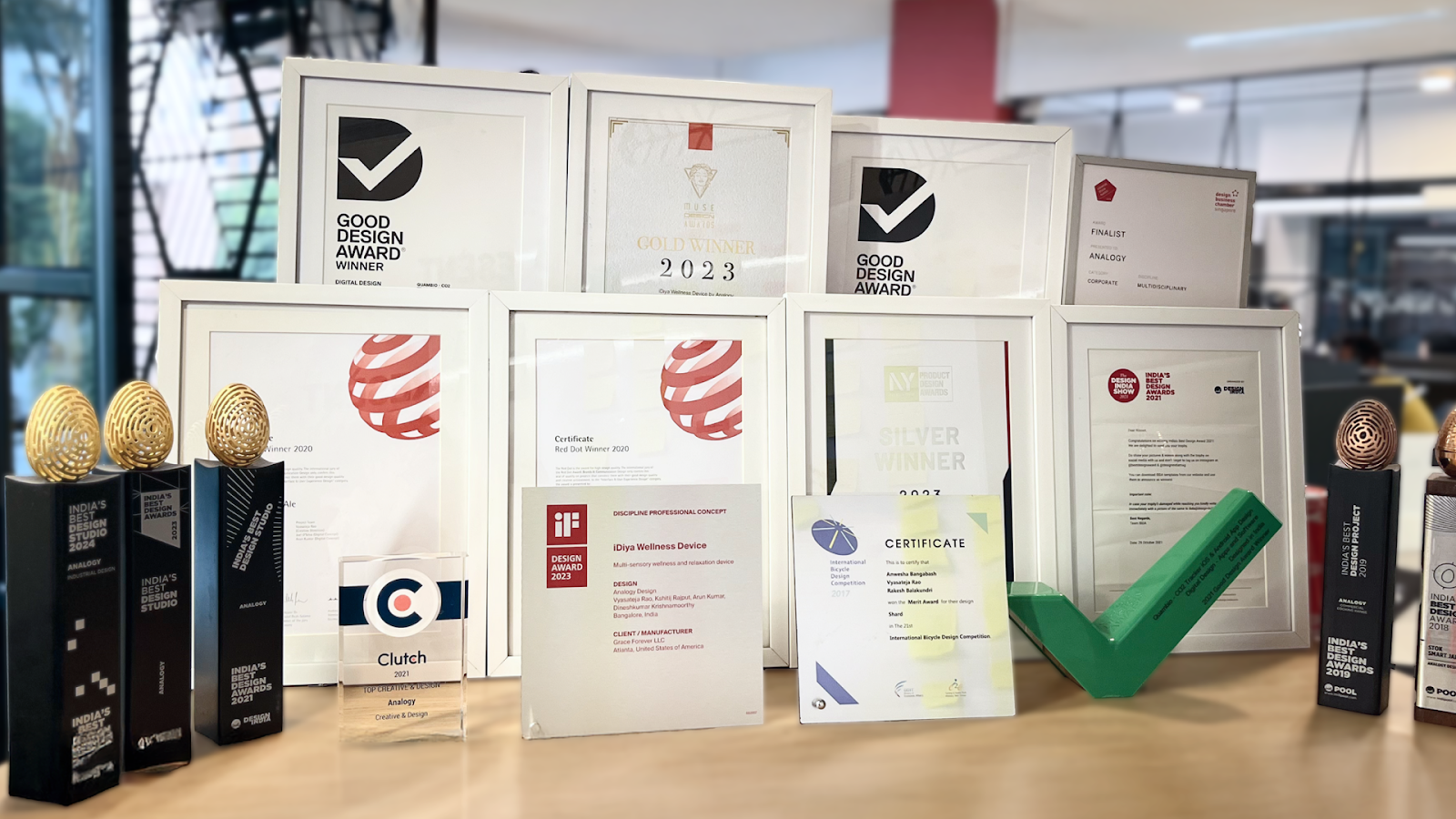
Analogy Design has spent over a decade helping innovators move from idea to market. The studio has contributed to more than 250 products and won 23 international awards along the way. This experience brings proven clarity and confidence to early stage concept design. Analogy created the ProductPath™ Launch Program to guide products through 4 key stages: Design, Prototype, Manufacture, and Launch. This structured journey ensures concept design is not isolated but connected to real engineering and production outcomes. Clients benefit from a complete roadmap rather than disconnected services.
The team has collaborated with companies like Panasonic, Unilever, Google, and Maersk. At the same time, they have helped dozens of startups transform early ideas into investor ready product concepts. This mix of enterprise and startup experience creates a strong balance of innovation and practicality. Projects like the Agnisumukh modular kitchen stove reduced SKU complexity using a scalable design architecture. The Cellairis wireless charging mount supported devices up to 6 pounds while improving safety for delivery professionals. From smart backpacks for Wildcraft to the Shard smart exercycle, each project shows how concept design drives real world impact.
Analogy brings together 24 experts across industrial design, engineering, visualization, and product strategy. The studio also works with over 150 manufacturing partners worldwide. This ecosystem helps ensure every concept is ready to move confidently toward prototyping and production.
Key Benefits Of Investing In Concept Design Early
Investing in concept design early helps companies reduce risk and avoid costly product development mistakes. By validating ideas before engineering begins, teams can test multiple directions without committing large budgets. This early exploration improves product strategy and increases the chances of market success. It also ensures alignment between business goals and user needs. Concept design also accelerates new product development by creating a clear roadmap for engineering and prototyping. When product architecture and functionality are defined early, engineering teams can work more efficiently. This leads to faster transitions into rapid prototyping services and design for manufacturing. The result is a shorter time to market and improved development efficiency.
Another key benefit is stronger communication across teams and stakeholders. Concept visuals, sketches, and renderings help investors and decision makers understand the product vision. This clarity builds confidence and supports funding and internal approvals. Early concept design ultimately creates a more predictable and efficient product development journey.
Concept Design Turns Ideas Into Reality
Concept design is the bridge between imagination and real world products. It transforms raw ideas into structured, validated, and actionable product directions. By combining research, creativity, and strategy, concept design lays the groundwork for engineering and manufacturing success. Without this stage, product development becomes far more risky and uncertain. As markets become more competitive, companies must invest in thoughtful planning before development begins. Concept design helps organizations explore opportunities, test assumptions, and refine product strategy. This approach supports innovation in product design while keeping development efficient and focused. It also strengthens collaboration between designers, engineers, and business teams.
Whether you are a startup founder or an established manufacturer, concept design plays a crucial role in turning ideas into successful products. It prepares products for engineering design services, rapid prototyping, and production readiness. Most importantly, it ensures that products are built with purpose and clarity from the very beginning.
Sources & Citations:
- Concept design on Wikipedia
- Engineering Documentation On Stage 1: Conceptual Design By Purdue University
- Research Paper On Conceptual Design
- Concept Design Services
About The Author

Vyasateja Rao – Chief Advisor, Analogy
Vyasateja Rao is a multi-award-winning product designer with over two decades of experience, and the visionary founder of Analogy, a Bangalore-based industrial and interaction design studio. He specializes in crafting memorable and innovative experiences for both physical and digital products. After earning a Masters in Industrial Design from North Carolina State University in 2007, Vyasateja worked across the United States, Hong Kong, China, Korea, Taiwan, Singapore, and India, collaborating with Fortune 500 companies and leading design studios. His studio has received international recognition, including the Red Dot, IBDC, Singapore Design Award, and multiple patents for product innovation. Vyasateja has designed for global clients such as Panasonic, Unilever, Amazon, Marvel, and Cellairis, blending creativity with manufacturability to create breakthrough products. Beyond design, he mentors aspiring designers, teaching the importance of contrast, surprise, and hidden artifacts in creating compelling experiences.