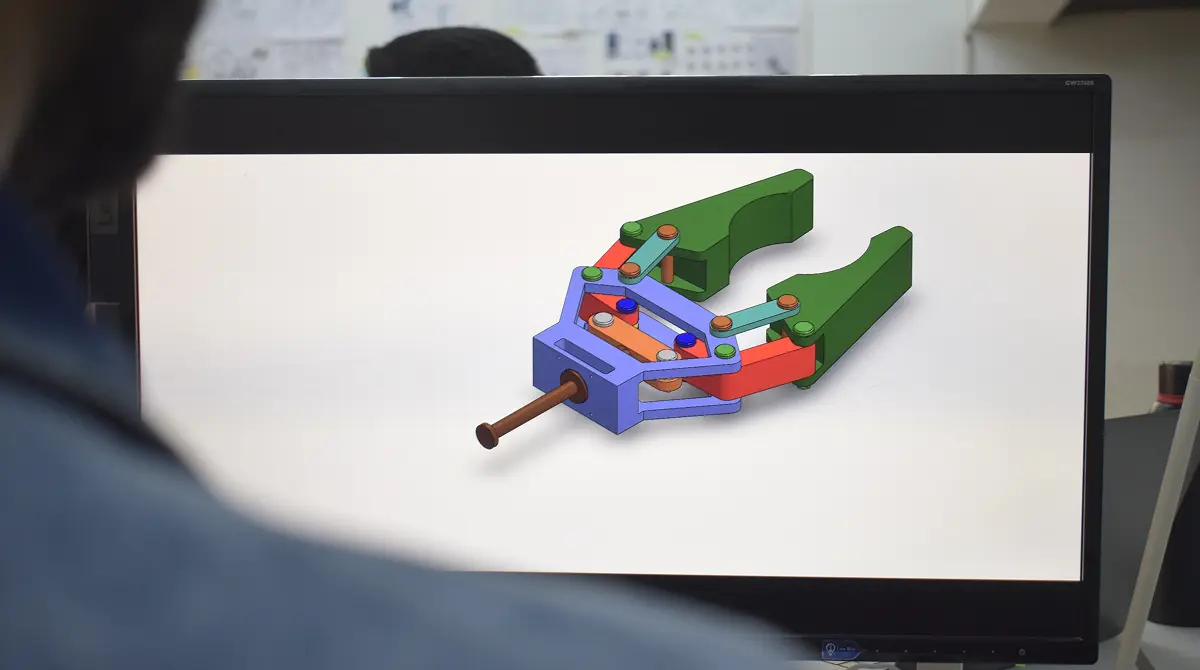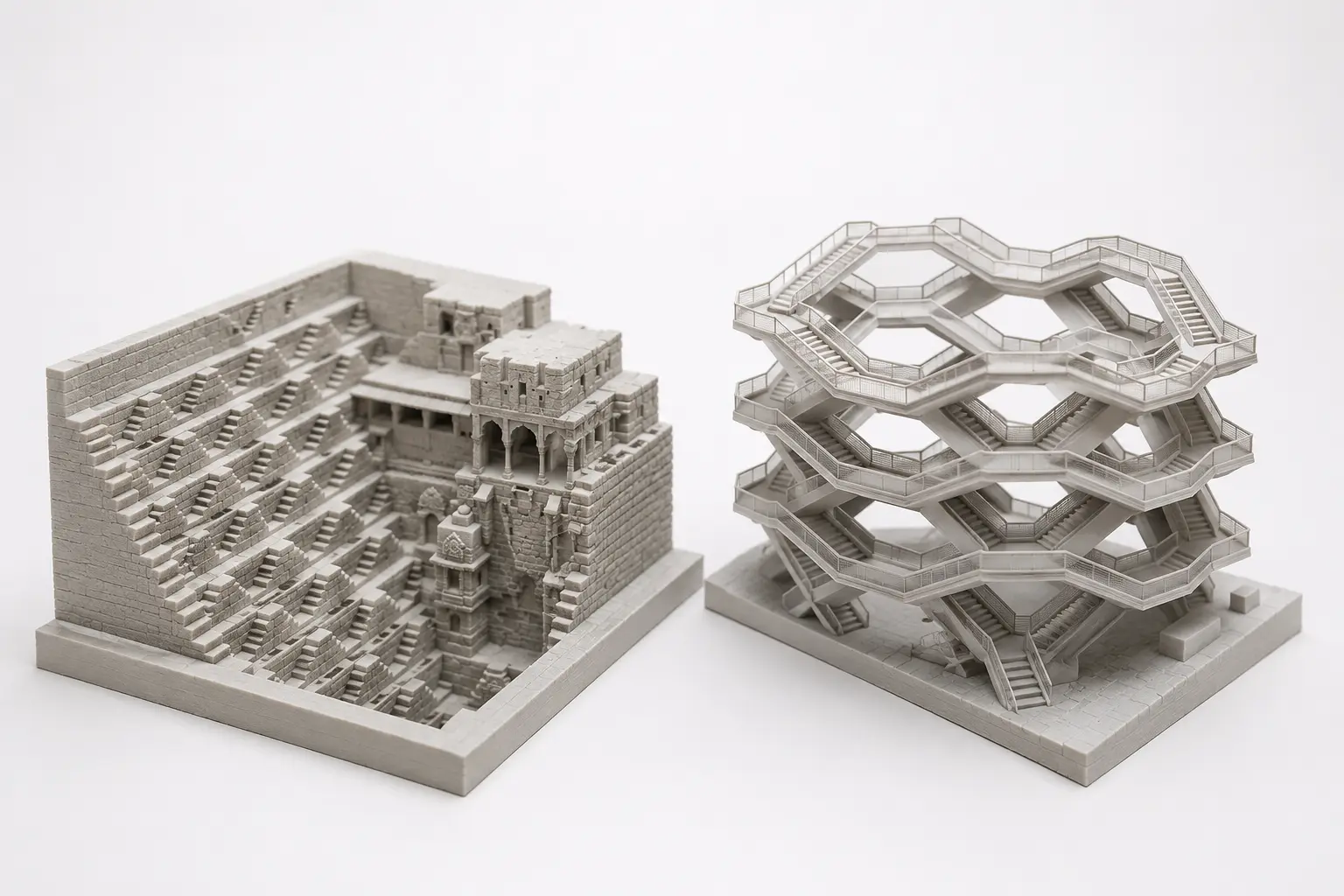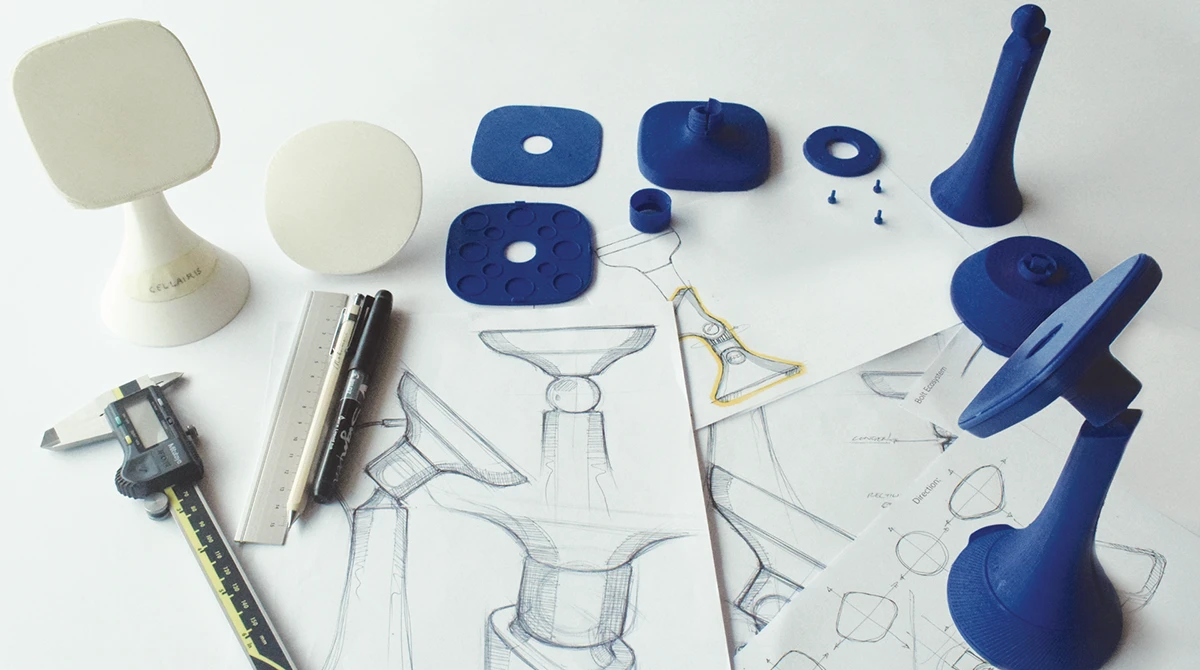
What is concept sketching in product design and how to go from rough ideas to validated concepts? The concept design process involves research to validate product concepts. Concept sketching in product design helps transform rough ideas into visual concepts that can be tested and validated early. Learn how the concept design process uses sketching, research, and rapid exploration to reduce risk and accelerate product development. Discover why concept sketches are essential for aligning teams, improving decision making, and building successful products faster.
What Is Concept Sketching?
Concept sketching is the process of turning early product ideas into quick visual representations before detailed engineering begins. Concept sketching helps teams explore multiple directions rapidly while keeping cost and effort low. Early concept sketches focus on form, usability, and user interaction rather than technical perfection. By visualizing ideas early, teams can validate product concepts faster and reduce development risk.
Concept sketching plays a critical role in decision making during the concept design process. Visual concepts make it easier for stakeholders to understand possibilities and give feedback quickly. This speeds up alignment between founders, designers, engineers, and investors. Strong concept sketches often become the starting point for validated product development and successful product launches.
Concept Sketching In Product Design
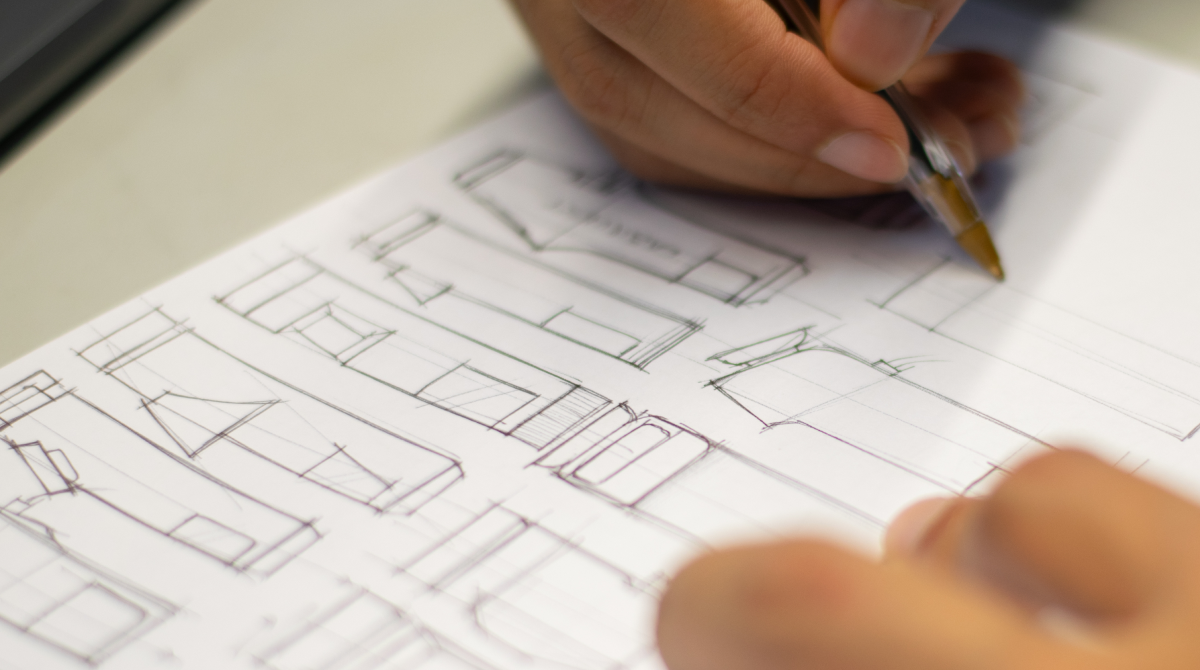
Concept sketching forms the creative core of concept design in the product design and development process. Concept sketching allows designers to explore form, function, and user intent at high speed. Visual thinking helps teams align faster around opportunities worth developing. Early sketches spark innovation by keeping ideas fluid and open to refinement.
In product design, sketching encourages bold exploration before technical constraints guide decisions. Designers communicate ideas clearly through simple lines and proportions. This clarity strengthens collaboration between founders, designers, and engineers. Concept design gains momentum when ideas remain visible and easy to evolve.
Early innovation thrives when sketching supports fast learning and shared understanding. Teams test multiple directions with minimal effort and cost. Concept sketching also builds confidence in decision making through visual evidence. Strong products often trace their origins back to clear and thoughtful sketches.
Concept Sketching & Visualizing Ideas
Concept sketching in product design refers to visualizing ideas at their earliest stage. Concept sketching translates abstract thoughts into tangible forms through quick drawings. These sketches express intent, usage, and value before engineering begins. Concept design relies on sketching to guide the entire development journey. Within the concept design process, sketching acts as a thinking tool rather than a final output. Designers explore multiple solutions for the same problem. Each sketch represents a hypothesis about user needs and product value. This approach keeps creativity active and purposeful.
Concept sketching also supports communication across disciplines. Stakeholders understand ideas faster through visuals than text. Product teams gain alignment early, which saves time later. Concept design benefits from this shared clarity and direction.

Concept Sketching Vs Detailed Design In Early Development
Concept sketching focuses on possibilities, while detailed design focuses on precision. Early sketches explore many directions before selecting one path. Detailed design refines dimensions, materials, and engineering details. Concept design gains strength when each stage serves a clear purpose.
In early product development, sketching keeps ideas flexible and adaptable. Designers adjust concepts quickly based on feedback and research. This flexibility supports innovation and smarter decision making.
Concept sketching creates space for exploration before commitment. Understanding this distinction helps teams move forward with confidence. Sketching informs strategy, positioning, and user experience. Detailed design later translates vision into build ready outcomes. Concept design succeeds when sketching leads the way into structured development.
How To Turn An Idea Into A Product Through Sketching
Turning an idea into a product begins with visual exploration through concept sketching. Sketches convert vague thoughts into clear product concepts that teams can discuss. This process helps founders see how an idea may live in the real world. Concept design uses sketching to reveal opportunities and gaps early.

5 Steps To Turn Idea Into A Product Using Sketching:
Step 1: Define The Problem & User Context
Start by clearly understanding the problem the product solves and who will use it. Research user behaviour, pain points, and daily environments. This insight ensures early sketches are grounded in real needs rather than assumptions.
Step 2: Generate Rough Concept Sketches
Rough sketches focus on user needs, context, and interaction rather than perfection. Designers explore shapes, layouts, and use cases quickly to test multiple directions. Each drawing becomes a step toward clarity and product direction. Concept design grows stronger as ideas evolve visually.
Step 3: Explore Multiple Variations
Create many variations of the same idea to compare possibilities. Exploring alternatives reveals hidden opportunities and helps avoid early fixation in one direction. This stage encourages creativity while narrowing toward strong concepts.
Step 4: Gather Feedback & Refine Concepts
Share sketches with stakeholders, users, and engineers to gather insights. Feedback helps identify strengths, usability issues, and technical considerations early. Iteration improves concept clarity and reduces development risk.
Step 5: Select & Prepare For Validation
As sketches progress, patterns and promising directions emerge naturally. Teams identify concepts that align with user value and business goals. This visual filtering simplifies complex decisions and prepares ideas for prototyping and validation.
Rough sketches focus on user needs, context, and interaction rather than perfection. Designers explore shapes, layouts, and use cases with speed. Each drawing becomes a step toward clarity and direction. Concept design grows stronger as ideas evolve visually. As sketches progress, patterns and promising directions emerge naturally. Teams identify concepts that align with user value and business goals. This visual filtering simplifies complex decisions. Concept sketching guides ideas toward practical and meaningful products.
Research Helps Form Better Concept Design Sketches
Research gives concept sketching a clear purpose and direction. Insights from users, markets, and competitors inform every design decision. Sketches grounded in research reflect real needs and behaviors. Concept design benefits when creativity pairs with evidence. User research highlights pain points and unmet expectations. Designers translate these insights into visual solutions through sketching. Each concept addresses a specific problem with intent. Concept design becomes more relevant and credible through this approach.
Market research also influences form, positioning, and differentiation. Sketches respond to trends, pricing expectations, and usage environments. This alignment supports early validation of ideas. Concept sketching guided by research leads to stronger product concepts.
Concept Sketching Techniques Used By Design Studios
Design studios use a variety of concept sketching techniques to explore ideas. Fast ideation sketches allow teams to generate multiple concepts quickly. Silhouette studies help define proportions and overall form. Concept design relies on these techniques to explore breadth.
Use case sketches visualize how people interact with the product. These drawings focus on ergonomics, handling, and environment. Story based sketches communicate product value across scenarios. Concept sketching brings user experience into early design thinking.
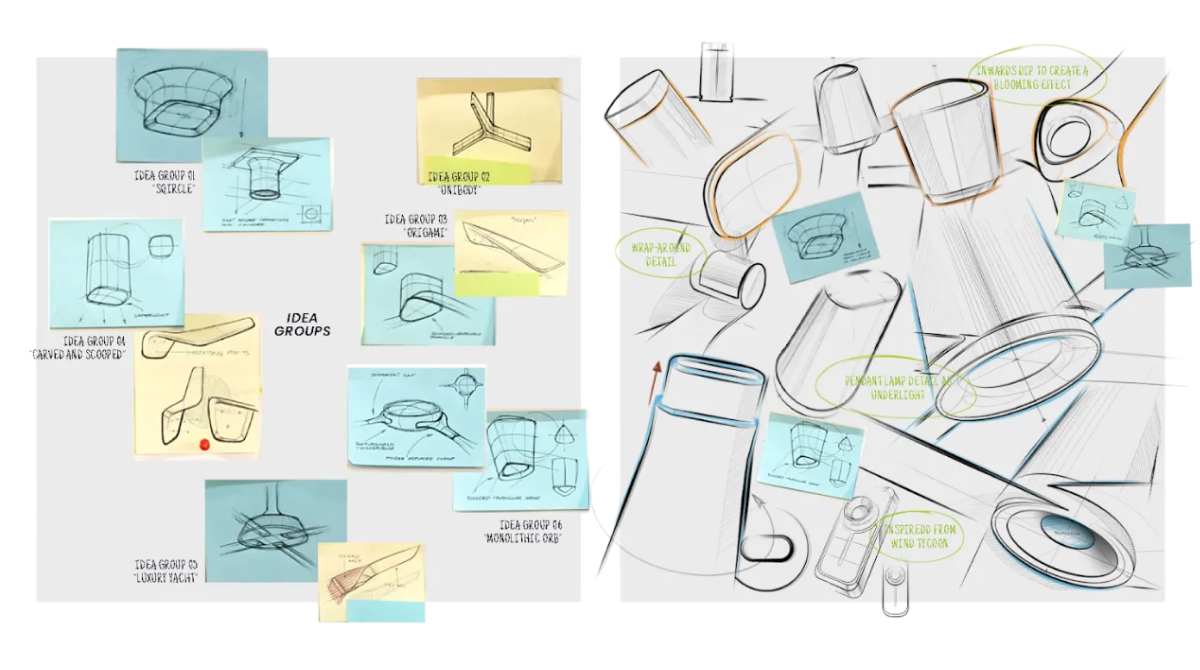
List of 10 Concept Sketching Techniques:
1. Thumbnail Sketching
Small, fast sketches used to explore many ideas in minutes. Helps teams generate quantity before selecting quality.
2. Silhouette Sketching
Focuses on the outer shape and proportions of a product. Great for exploring form without worrying about details.
3. Perspective Sketching
Shows the product in 3D space to communicate depth and realism. Helps stakeholders understand scale and usability.
4. Exploded View Sketching
Breaks the product into components to explain structure and assembly. Useful for early engineering and product architecture thinking.
5. Storyboard Sketching
Illustrates how users interact with the product across real scenarios. Builds empathy and clarifies product value.
6. Ergonomic Sketching
Focuses on grip, posture, and human interaction. Ensures comfort and usability are considered early.
7. Annotation Sketching
Adds notes and callouts around drawings to explain features and functions. Improves communication between teams.
8. Comparative Sketching
Places multiple concept variations side by side. Helps teams evaluate strengths and weaknesses quickly.
9. Detail Sketching
Zooms into key features like buttons, joints, or interfaces. Bridges the gap between rough ideas and engineering.
10. Hybrid Digital Sketching
Combines hand sketching with digital tools for refinement. Enables faster iteration and easier sharing across teams.
Studios also use refinement sketches to develop selected directions. These sketches add clarity while preserving flexibility. They support discussion with engineering and strategy teams. Concept design moves forward through structured and intentional sketching methods.
Concept Sketching Accelerates Startup Product Design
Concept sketching helps startups move fast with clarity and confidence. Early visuals allow founders to communicate ideas across teams and partners with ease. Concept design through sketching supports quick alignment around value, users, and feasibility. This speed plays a key role during early funding and development stages.
Startups benefit from sketching because it keeps decisions lightweight and adaptable. Designers explore several ideas before resources move toward engineering. Each sketch acts as a learning tool that sharpens focus. Concept design gains momentum through visible progress and shared understanding.
Concept sketching supports startups by enabling
- Faster idea communication with teams and investors
- Clear product vision during early stages
- Rapid exploration of multiple product directions
- Strong alignment between design and business goals
- Early clarity around user experience
- Efficient use of time and budget
- Better preparation for prototyping and validation
7 Essential Digital Tools For Concept Sketching And Ideation
Procreate - A popular digital sketching and painting app for iPad that feels like drawing on paper with powerful brushes and natural input.
Autodesk SketchBook - A versatile drawing and concept sketching app with a clean interface for fast ideation on desktops and tablets.
Concepts - A flexible infinite-canvas sketching tool with precision guides and vector export, ideal for early product design visual exploration.
Adobe Fresco - A cross-platform drawing app with both raster and vector brushes, ideal for expressive concept sketching workflows.
Affinity Designer - A professional vector graphics editor used to refine concept sketches into detailed visuals and presentation artboards.
Figma - A collaborative web-based design tool useful for low-fidelity sketching, sharing early concepts, and gathering team feedback.
Blender (Grease Pencil) - A free 3D creation suite with Grease Pencil that allows 2D sketching directly inside 3D contexts for hybrid exploration.
View Complete Sketching Tutorial On YouTube
From Multiple Sketches To Focused Concept Design
Early sketching produces many ideas that require thoughtful narrowing. Designers review sketches through lenses such as usability, feasibility, and market fit. Concept design evolves by selecting directions that balance creativity and practicality. This filtering process brings structure to exploration.
Focused concept design emerges through discussion and evaluation. Teams compare sketches against research insights and product strategy. Promising concepts gain refinement through additional sketching. This progression builds confidence before moving into prototyping.
Concept design direction becomes clearer by evaluating sketches for
- User relevance and experience quality
- Functional clarity and purpose
- Technical feasibility at a high level
- Market positioning and differentiation
- Alignment with product strategy
- Scalability and future growth
- Visual identity and brand fit
View concept design services by Analogy.
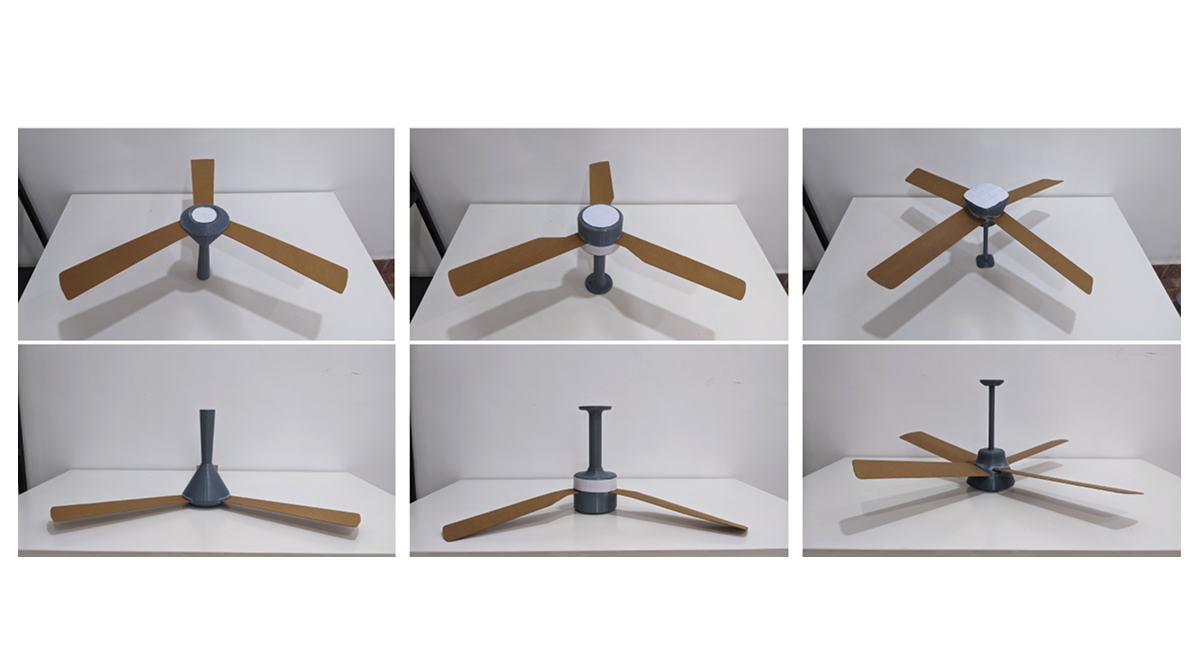
Product Concept Testing Before Prototyping Begins
Concept sketching enables early product concept testing through simple and clear visuals. Teams gather feedback on form, usage, and value before engineering begins. These insights shape design decisions with real user perspective. Concept design benefits from validation at this stage. User responses to sketches reveal preferences and expectations. Designers adjust concepts based on these observations. This refinement improves relevance and usability. Concept design strengthens through informed iteration.
Early testing through sketches also supports smarter investment choices. Teams gain confidence before committing to prototypes. Risks reduce as clarity increases. Concept design advances toward development with purpose and assurance.
How Concept Sketching Connects Ideation And Prototyping
Concept sketching creates a smooth transition between early ideation and proof of concept development. Sketches provide engineers and prototyping teams with clear intent and direction. Concept design benefits as visuals explain form, function, and user interaction. This clarity improves collaboration across disciplines. As concepts mature, sketches guide decisions around materials and mechanisms. Teams discuss feasibility while preserving the original design intent. At Analogy Design, this stage receives deeper focus through cross functional reviews that connect design, engineering, and manufacturing thinking early. Concept design maintains continuity from idea to physical expression.
Sketch driven workflows also reduce iteration cycles during prototyping. Teams begin with shared understanding rather than assumptions. This alignment saves time and effort across development stages. Concept design advances toward tangible outcomes with confidence.
Concept Sketching For Industrial Design
Concept sketching forms the backbone of industrial design by defining product form, scale, and usability. It helps designers explore how a product fits into real environments and user interactions. Concept design gains clarity through early visual exploration.
In industrial design projects, sketching supports fast iteration across multiple ideas. Designers evaluate ergonomics, proportions, and visual balance through simple drawings. Concept design evolves as sketches reveal strengths and improvement areas.
At Analogy, concept sketching combines creativity with engineering awareness and manufacturing insight. Designers align sketches with functional requirements and user needs from the start. This approach strengthens concept design and prepares products for seamless development.
Concept Sketching for Industrial Design - A course by Adam Miklosi | Domestika English
Common Challenges In Concept Sketching And How Analogy Address Them
Concept sketching can sometimes lean heavily toward visual appeal without clear intent. At Analogy Design, every sketch begins with a defined user problem and product goal. Designers connect form exploration directly to function, usage, and context. This approach ensures concept design remains purposeful, usable, and aligned with real world needs. Another common challenge involves early attachment to a single idea. Analogy Design addresses this by encouraging wide exploration during the initial sketching phase.
Multiple concept directions are developed and reviewed side by side. This method strengthens concept design through comparison, discussion, and informed selection.
Communication also plays a critical role in effective sketching. At Analogy Design, sketches are always supported by clear narratives and use case explanations. Designers present concepts as stories rather than isolated visuals. This practice improves shared understanding and helps concept design move forward with clarity and confidence.
Why Choose Analogy?
Analogy has worked on 250+ products across consumer goods, IoT, health, and home appliances over the last 10+ years. The studio has won 24 international design awards, collaborated with 150+ manufacturing partners, and supported startups that have raised $65M+ in funding. A team of 24 cross-disciplinary experts drives projects from concept to production across global markets.
Analogy has helped 80+ hardware founders move from idea to production and launch products across global markets. With a cross functional team of designers, engineers, and strategists, the studio blends concept design with real world manufacturing thinking from day one. Their work spans startups, global brands, and award winning product innovations across multiple industries.
Learn more about our Concept Design services.
Ep 2: The Untold Story | 8 Years. 3 Failed Studios. 1 Real Product | Build 2 Create
Analogy Design stands out because concept design here blends creativity with strategy, engineering insight, and validation thinking from day one. The team approaches concept sketching as a problem solving tool rooted in user needs, market context, and manufacturing awareness. Every sketch connects visual exploration with feasibility and long term product vision. This structured yet flexible approach helps founders move from ideas to validated concepts with clarity and confidence. Analogy Design delivers concept design that supports real products, real users, and real business outcomes.
Future Of Concept Sketching In Product Design
Concept sketching remains a powerful driver of successful concept design. It transforms ideas into visible possibilities that teams can explore together. Early visuals guide strategy, creativity, and validation. This foundation supports stronger product outcomes.
Through sketching, teams align vision with user needs and market intent. Each drawing contributes to learning and refinement. Concept design thrives when exploration stays visual and collaborative. This mindset encourages innovation and clarity.
Professional concept design services elevate sketching into a structured process. Expertise combines creativity with research and validation. Products gain direction before development investment begins. Concept sketching continues to shape meaningful and manufacturable ideas.
Sources And Citations
- Design Thinking - Wikipedia
- Sketching Strategies to Facilitate the Design Concept (Atlantis Press)
- The Role of Sketching in Early Design Stages (ScienceDirect)
About The Author

Vyasateja Rao – Chief Advisor, Analogy
Vyasateja Rao is a multi-award-winning product designer with over two decades of experience, and the visionary founder of Analogy, a Bangalore-based industrial and interaction design studio. He specializes in crafting memorable and innovative experiences for both physical and digital products. After earning a Masters in Industrial Design from North Carolina State University in 2007, Vyasateja worked across the United States, Hong Kong, China, Korea, Taiwan, Singapore, and India, collaborating with Fortune 500 companies and leading design studios. His studio has received international recognition, including the Red Dot, IBDC, Singapore Design Award, and multiple patents for product innovation. Vyasateja has designed for global clients such as Panasonic, Unilever, Amazon, Marvel, and Cellairis, blending creativity with manufacturability to create breakthrough products. Beyond design, he mentors aspiring designers, teaching the importance of contrast, surprise, and hidden artifacts in creating compelling experiences.