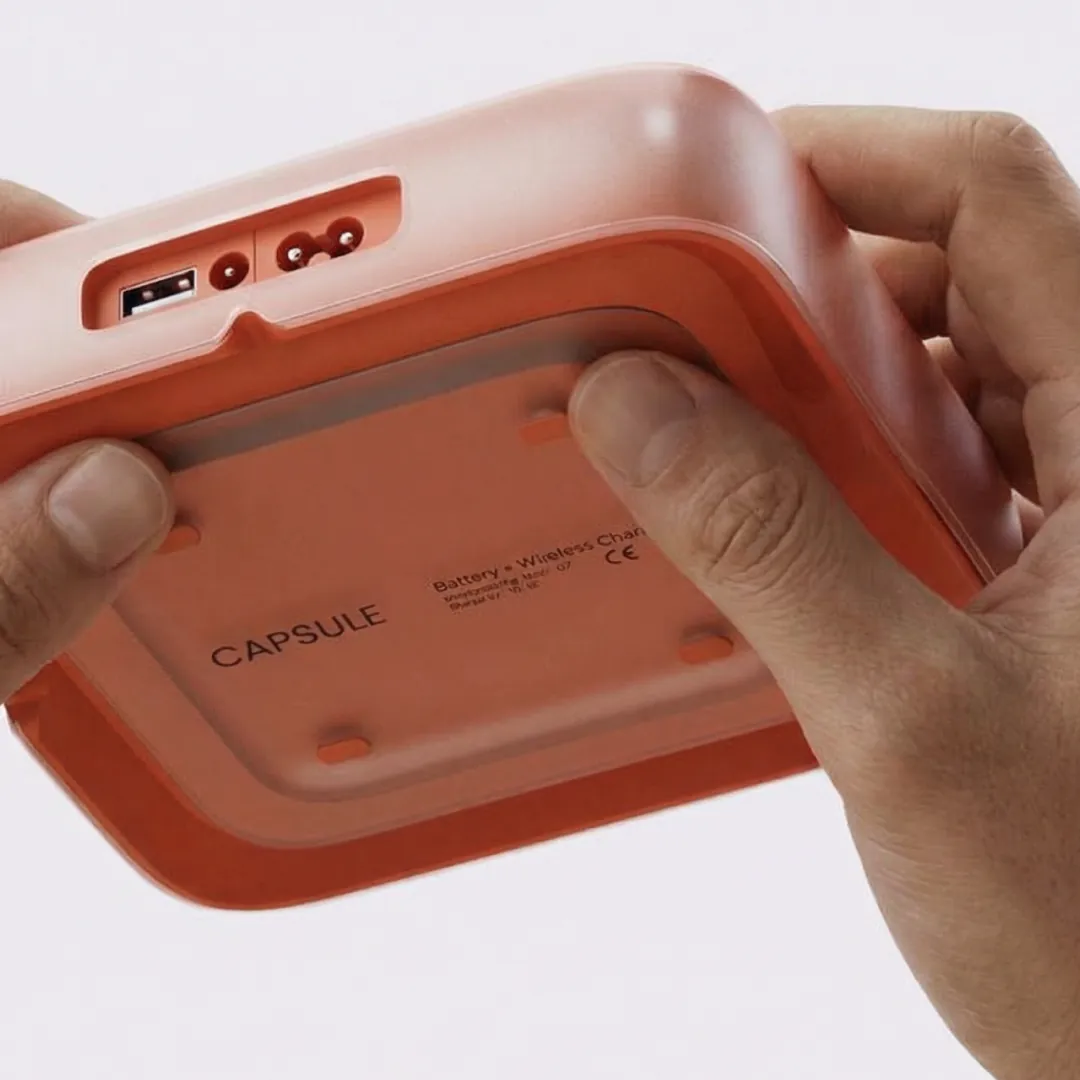
Design Integrity and how it can be maintained throughout the development lifecycle is what we explore here. Often, we see young and excited design teams announce new products with a marketing campaign peppered with renders and animations. Several months down the line, either the product hasn’t seen the light of day, or the finished product is a distant cousin of its render, identifiable only by trace design elements like the logo and product name.
This problem doesn’t discriminate between inexperienced startups incorporated 2 days ago and business behemoths with dozens of product lines. What is it about maintaining the original design throughout the product development process that’s so challenging? Let’s explore what Design Integrity is and how it can be maintained throughout the development lifecycle.
What is design integrity?
A typical product development lifecycle is as follows: research, design, engineer and manufacture. The design phase is when most changes happen to the product. The outer shell, surfaces and curves, features and functions, colors and finishes, interactions and experiences, all have to be determined here. Design Integrity is ensuring that little to no changes happen to the product after this stage. It is minimizing the quantity and impact of changes to the product after the design is finalized. It is maintaining the designer’s intent throughout the product’s development. It embodies the essence of a product’s original vision, ensuring that it remains consistent from conception to completion. See how this plays out in real projects through our concept design work. Design integrity encompasses the seamless combination of visual appeal, effective functionality, and a user-centric approach.
Design integrity is also what separates a product that earns loyalty from one that simply sells once. When a user picks up a product and everything about it feels considered, from the weight distribution to the finish on a button, that feeling is design integrity made physical. It is the silent signal that the people who built this actually cared. The current wave of industrial design trends makes this even more critical to get right. Buyers today are surrounded by beautifully designed products across every category, and their expectations have quietly risen. A product that held up in 2018 would feel sloppy against the product design trends setting the bar today.
Maintaining design integrity across disciplines: design, engineering, and manufacturing
Design integrity thrives when there is effective collaboration and communication among design, engineering, and manufacturing teams. Here are some essential practices to preserve design integrity throughout the entire product development lifecycle. To learn more about design for manufacturing which is a different topic all together, read this well written article below.
1. Designers who understand engineering
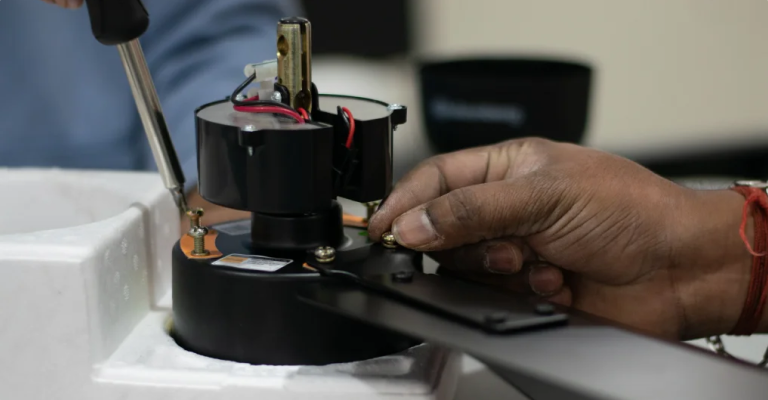
Designers fantasize about a world in which an undercut is a new boxing move and flow lines are a rapper’s lyrics. Unfortunately, these are very real issues faced in injection molding that engineers should account for, will most certainly cause changes to the design and compromise design integrity. A designer who understands engineering and manufacturing can ensure such issues are avoided by thinking ahead, anticipating these issues and mitigating them. A factory visit does wonders for new designers who lack awareness of manufacturing methods.
The best designers today treat manufacturing literacy as a creative tool, not a limitation. Understanding how a parting line travels across a surface, or how wall thickness affects a form, actually opens up smarter design decisions rather than closing them down. That knowledge is what lets a designer hold their ground in an engineering review instead of conceding ground they should have protected.
This is one of the most important product design trends in professional studios right now: the rise of the hybrid designer who can walk a factory floor and a mood board session with equal confidence. Clients feel the difference immediately. Products built by these designers consistently arrive closer to the original vision because the compromises were anticipated and designed around, rather than discovered too late.
2. Engineers who understand design
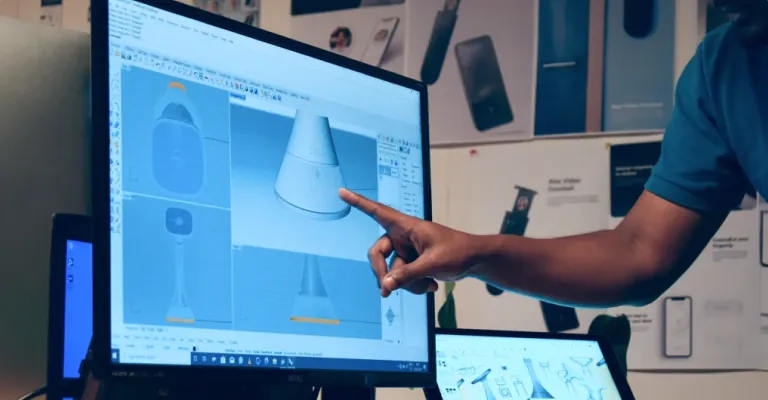
Engineers have a highly risk averse mentality and hence add a lot of rounded edges and large drafts with enough internal room for a hurricane to pass through and cool any internals. Thankfully, it isn’t all up to engineers and hence, products have personalities and are user friendly. An engineer who understands design can work with the design team to maintain designers’ intent by suggesting minimal impact solutions to engineering and manufacturing problems that the design team may have overlooked. Taking engineers through a couple of design workshops and divergent thinking models can loosen them up and introduce them to the wide world of design.
An engineer who has sat through a design critique starts to see surfaces differently. They begin to understand why a 0.5mm shift in a parting line ruins a visual moment the designer spent two weeks resolving. That empathy does not make engineers soft on structural requirements, it makes them better at finding solutions that satisfy both sides. Some of the sharpest product launches happening right now are coming from teams where this crossover runs deep.
Industrial design trends like refined minimalism and precision material transitions are only achievable when engineering is a willing partner in protecting them, rather than a late-stage force that overwrites them.
3. Early collaboration
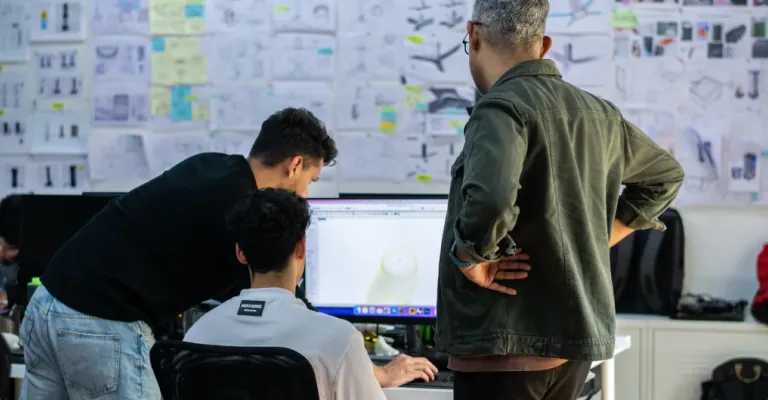
Encourage open dialogue and collaboration between designers, engineers, and manufacturers from the outset. By involving all stakeholders in the design process, potential conflicts or compromises can be addressed proactively, instead of after the product idea has been sold to clients and investors. Asking each team to prepare a list of constraints that affect their function and then finding common grounds can be a smooth way of resolving potential conflicts. At Analogy, we involve designers and engineers in internal reviews meetings held during all stages of the project. If in doubt, collaborate early, collaborate often. Our Product-Path™ is built around exactly this kind of cross-functional alignment from day one.
Early collaboration also builds the kind of trust that makes difficult conversations faster. When a manufacturing constraint surfaces mid-project, a team that has been working together from the start can resolve it in an afternoon. A team that only meets at handoff stages can spend weeks in email chains and revision cycles trying to agree on a path forward. The product design trends that require the tightest tolerances, think flush surfaces, invisible seams, and precise texture transitions, are exactly the ones that fall apart without early collaboration. These are features that look effortless in a render and require deep coordination to protect through to production.

4. Clear design brief
Establish a comprehensive design brief that outlines the project’s objectives, target audience, and desired user experience. This document serves as a reference point to ensure design integrity is maintained throughout the development process. This document is a living document and should be updated on a frequent basis. Refer this document during stakeholder meetings to keep the design project on track with the goals set at the start. A well-written design brief also acts as protection against scope creep disguised as improvement. Late-stage suggestions from investors, sales teams, or distribution partners often sound helpful but quietly pull the product away from its original intent. A brief that is specific and regularly referenced gives the core team a defensible reason to evaluate every new input against the original vision.
Across industrial design trends right now, the brands producing the most coherent products are the ones with unusually tight briefs. They know exactly what they are building, for whom, and why every decision has been made. That clarity is visible in the final product, and buyers feel it even when they cannot name it.

5. Iterative prototyping
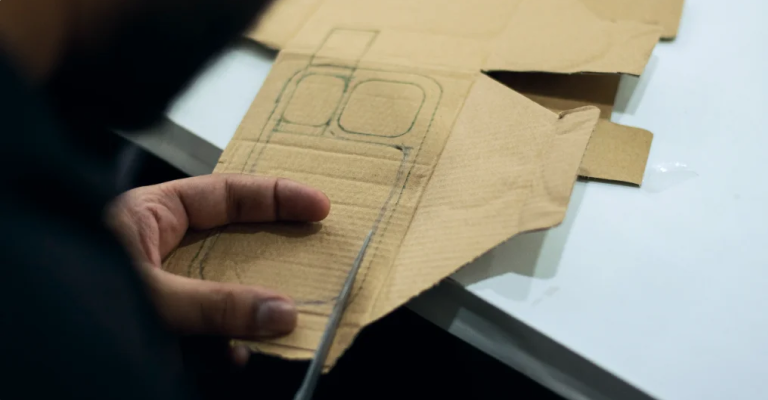
Iterative prototyping allows for continuous refinement and validation of the design concept. Regular feedback loops involving designers and engineers ensure that design changes are implemented while maintaining the integrity of the original vision. Different prototyping techniques bring to light different engineering and manufacturing constraints, something Yanko Design documents consistently through its coverage of breakthrough product design trends and the studio processes behind them.
Learn how prototyping drives successful product development. To simulate injection molding, one can use resin pouring and understand tool design. Clever use of a dremel and a drilling machine can mimic subtractive manufacturing methods. Iterative prototyping, done from the very start of the project can help avoid U turns in promises made to clients, customers and investors and set the right expectations.
Prototyping also forces honesty in a way that renders simply cannot. A render can hide a transition that would never survive manufacturing. A physical prototype exposes it within minutes of someone picking it up. Teams that prototype early and often build a shared understanding of what the product actually is, rather than what everyone individually imagined it to be. The product design trends pushing for tactile richness, layered material interactions, and premium finishes are almost impossible to evaluate on screen. Physical prototypes are where these decisions get made well or get made badly. The teams who invest in this stage consistently deliver products that feel as good as they look, because they tested both together.
The Industrial Design Trends Quietly Killing Weak Products
The industrial design trends shaping 2025 and beyond are arriving faster than most product teams expect. Brands that read these shifts early get to set the standard. Everyone else gets to react to it. Sustainable materials, AI-assisted ideation, biomimicry-inspired forms, and extreme material minimalism are already reshaping what buyers expect from a product the moment they hold it Dezeen's annual design trend coverage consistently shows these product design trends accelerating across every major category. These are product design trends with real commercial weight behind them.
What makes this dangerous for teams that ignore it: buyers are now more visually literate than ever. Years of scrolling through beautifully designed content has trained the average consumer to instantly feel when something looks cheap, rushed, or inconsistent. A product with compromised design integrity gets flagged in seconds, even if the buyer cannot articulate exactly why. That gut reaction is the design trend doing its job.
The smartest studios are weaving these trends into the design brief from day one, making them a constraint rather than an afterthought. When sustainability or tactile material honesty becomes a design parameter early, it stops fighting the engineering team and starts guiding it. That is design integrity working at full power.
Here is what the sharpest product design trends of right now have in common:
- They reward restraint over complexity
- They prioritize how a product feels, not just how it looks
- They demand that form and function resolve each other, rather than compromise each other
- They make cheap shortcuts visible immediately
When Good Design Gets Destroyed Before Launch
The gap between design approval and first samples is where most products silently fall apart. This is the phase when small decisions accumulate. A radius gets simplified here, a finish gets substituted there, a parting line moves two millimetres because the toolmaker flagged cost. Each individual change seems manageable. Together, they quietly dismantle the product design trends and visual logic the team spent months building. Curious about where DFM fits in this? Read our DFM guide and common DFM mistakes to understand what to watch for.
The biggest culprit is timeline pressure. When a launch date is fixed and manufacturing is behind, the easiest variable to compress is design review. Samples get approved over a 45-second video call. Color swatches get signed off via a JPEG on a phone screen. These are real scenarios that happen across startups and large companies alike, and they lead to finished products that everyone on the team privately feels disappointed by.
What compounds the damage: once a mold is cut, reversing a decision costs real money. The earlier a compromise enters the process, the more expensive it becomes to undo. This is why design integrity is fundamentally a financial protection strategy, not just an aesthetic one research from McKinsey shows that design-led companies consistently outperform their peers on revenue and shareholder returns. Every shortcut taken in design review has a price attached to it, and that price tends to arrive at the worst possible time.
The warning signs that a product's integrity is at risk:
- Engineering reviews happening without a designer in the room
- Sample approvals based on digital images rather than physical review
- Material substitutions made without a design sign-off
- Manufacturing feedback arriving after tooling has already begun
- A growing list of "we'll fix it in version two" items
The fix is structural, and it lives in the process. Assigning a single design owner who has sign-off authority across engineering and manufacturing decisions is the fastest way to close the gap. This person's job is to be the design's advocate at every stage, asking the same question repeatedly: does this change preserve the original intent, or does it erode it?
Build physical review checkpoints into the project plan before tooling begins, after first samples, and before production approval. Each checkpoint should involve at least one designer, one engineer, and a manufacturing representative together in the same review. Disagreements resolved in a room together take minutes. Disagreements discovered after production begins take months.
A living design specification document, updated after every major decision, becomes the team's shared source of truth. It captures finishes, tolerances, color references, texture specifications, and the reasoning behind each choice. When someone proposes a change, the spec makes it immediately visible whether that change is a refinement or a compromise.
Conclusion
Design integrity plays a pivotal role in creating exceptional products. It requires a harmonious collaboration between design, engineering, and manufacturing teams, fostering open communication and iterative development. By upholding design integrity, we can achieve products that embody both aesthetic appeal and functional excellence, while satisfying requirements of all stakeholders. Design integrity is ultimately a reflection of how much a team trusts its original decisions. Every time a brief gets honored under pressure, every time a sample gets rejected because it does not match the intent, the final product gets a little closer to the thing that was imagined at the start. That discipline is what separates products people remember from products people replace.
The industrial design trends shaping the next wave of great products all reward this kind of commitment. Whether it is material honesty, precision manufacturing, or human-centered ergonomics, every trend at the frontier of product design trends today requires a team that holds the line from concept to shelf. Start there, and the results tend to speak for themselves.
Keep reading:
How a product development firm brings ideas to life
How cultural factors and cross-disciplinary collaboration influence industrial design
Ready to build?
Tell us what you're building.
We'll tell you where the real risks sit in your specific product and what it would take to ship it, concept to production.