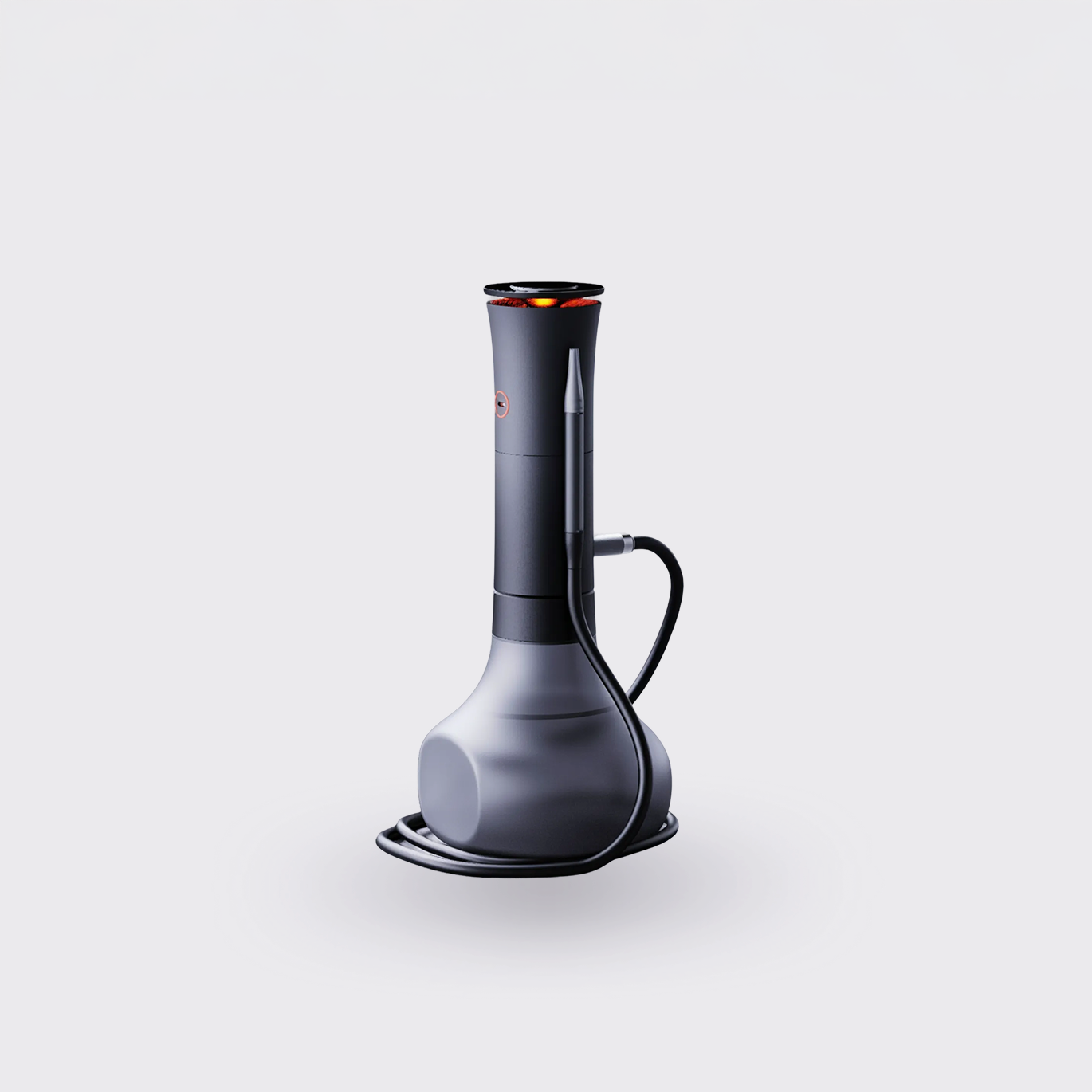
Kitchen Stove For Agnisumukh
Backed by


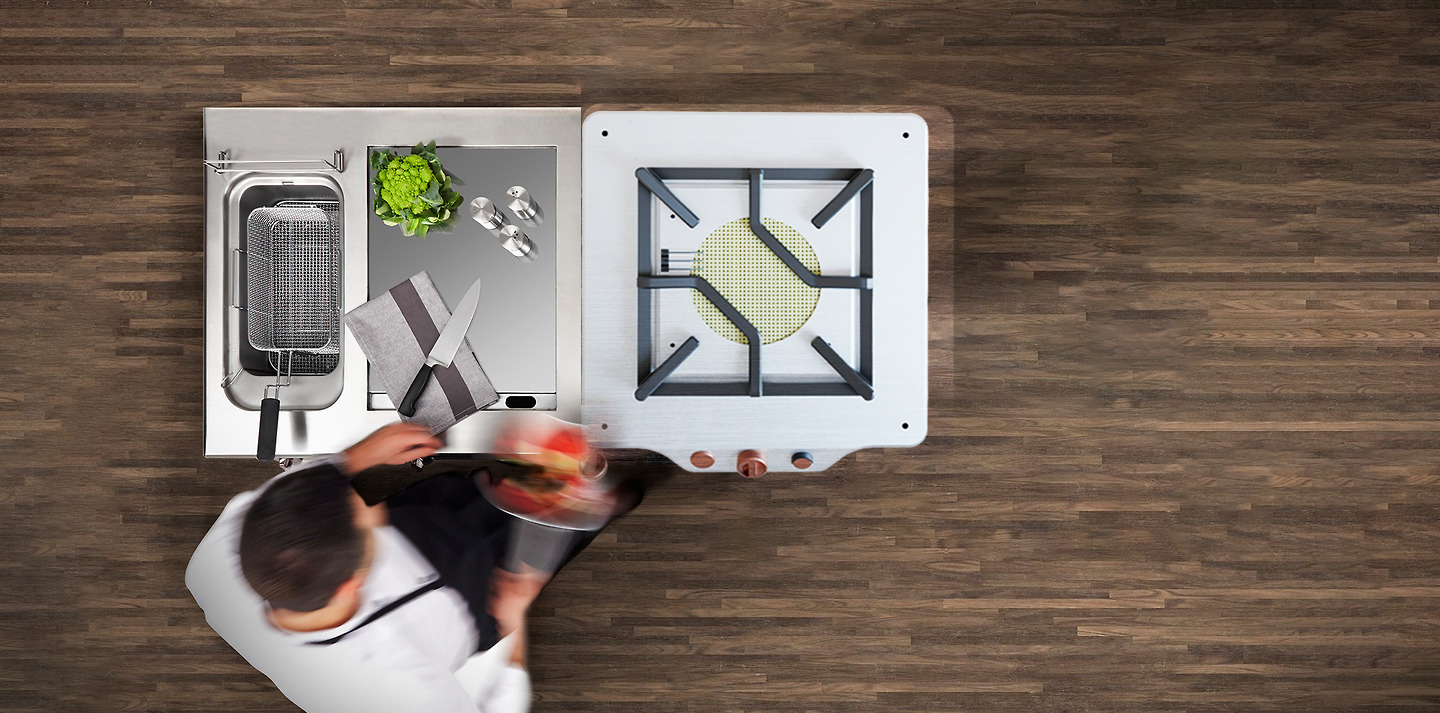
The Challenge
Commercial kitchens demanded customization, but manufacturing complexity made scalability expensive and inefficient. Too many SKUs, rising BOM costs, and inconsistent user ergonomics slowed growth.
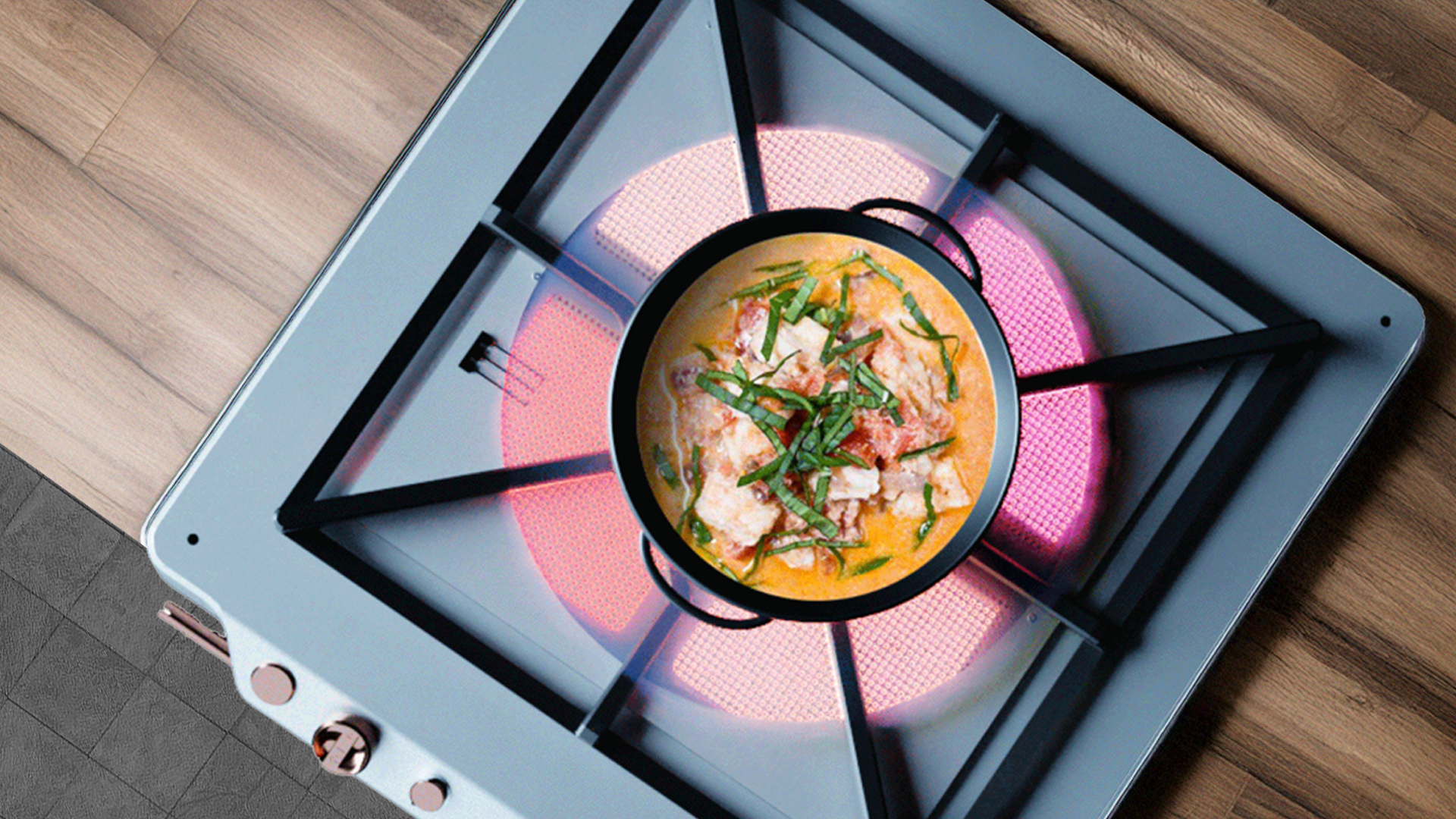
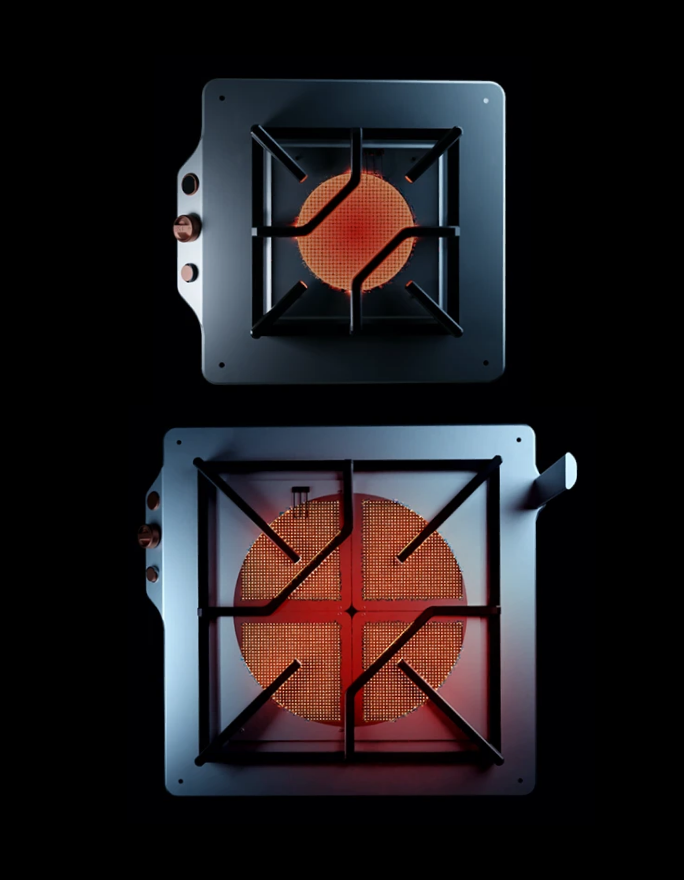
Engineering A Modular Commercial Kitchen System
Analogy Design approached the challenge through industrial design, CAD engineering, and functional prototyping. The team restructured the product architecture to reduce redundant components while maintaining performance across kitchen sizes. Using 3D modeling and rapid prototyping iterations, the system was optimized for manufacturing efficiency, ergonomics, and long-term scalability.
Founded by Hari Rao, the Agnisumukh kitchen stove was redesigned by Analogy Design between 2017 and 2019.
A product built to rethink how commercial kitchens function at scale.
The project began with focused market research inside working kitchens, observing chefs, operators, and maintenance teams. Analogy Design identified critical pain points related to inventory overload, inconsistent interfaces, and physical strain during long operating hours. These insights shaped a human factors driven design process rooted in real-world use.By combining conceptual design, product architecture, and prototype development, the team transformed a fragmented product range into a unified system. Each design decision supported manufacturability, sustainability goals, and ease of adoption across global commercial kitchen environments.
Read more: How to Invent an Idea that can truly Wow!
The problem
Endless Fuel Refills Disrupt Kitchen Flow
Frequent CNG refills and ongoing maintenance interruptions slowed service during peak hours and increased dependency on external fuel logistics. Kitchens struggled with downtime, inconsistent performance, and rising operational oversight.

Be guided through the whole process, from first concept through to market-ready product with success.
Endless Fuel Refills Disrupt Kitchen Flow
Frequent CNG refills and ongoing maintenance interruptions slowed service during peak hours and increased dependency on external fuel logistics. Kitchens struggled with downtime, inconsistent performance, and rising operational oversight.
Grease, Gunk, And Unhygienic Workspaces
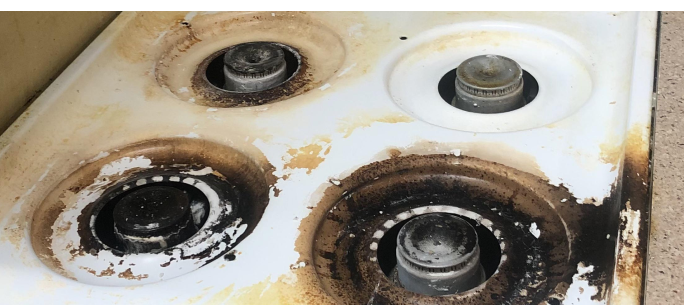
Traditional cooking systems accumulated residue, soot, and grease across surfaces and components. This made cleaning time-consuming, compromised hygiene standards, and added hidden labor costs to daily kitchen operations.
Be guided through the whole process, from first concept through to market-ready product with success.
Grease, Gunk, And Unhygienic Workspaces
Traditional cooking systems accumulated residue, soot, and grease across surfaces and components. This made cleaning time-consuming, compromised hygiene standards, and added hidden labor costs to daily kitchen operations.
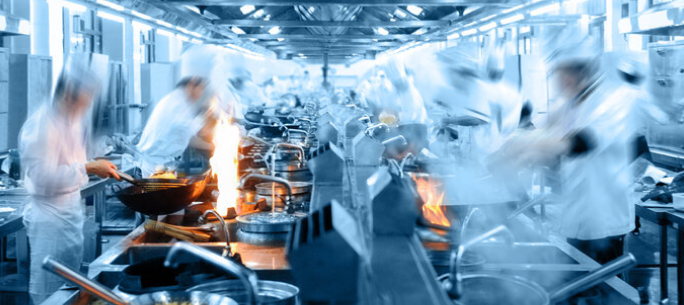
Rigid Equipment Blocking Kitchen Efficiency
Fixed layouts and non-modular equipment left kitchens unable to adapt to changing menu volumes or space constraints. Without modularity, scaling operations required costly replacements instead of simple reconfiguration.
Be guided through the whole process, from first concept through to market-ready product with success.
Rigid Equipment Blocking Kitchen Efficiency
Fixed layouts and non-modular equipment left kitchens unable to adapt to changing menu volumes or space constraints. Without modularity, scaling operations required costly replacements instead of simple reconfiguration.
A modular, scalable commercial kitchen system engineered for performance, efficiency & growth.
Backed by Analogy Design’s Industrial Design, Rapid Prototyping and Design Engineering expertise.
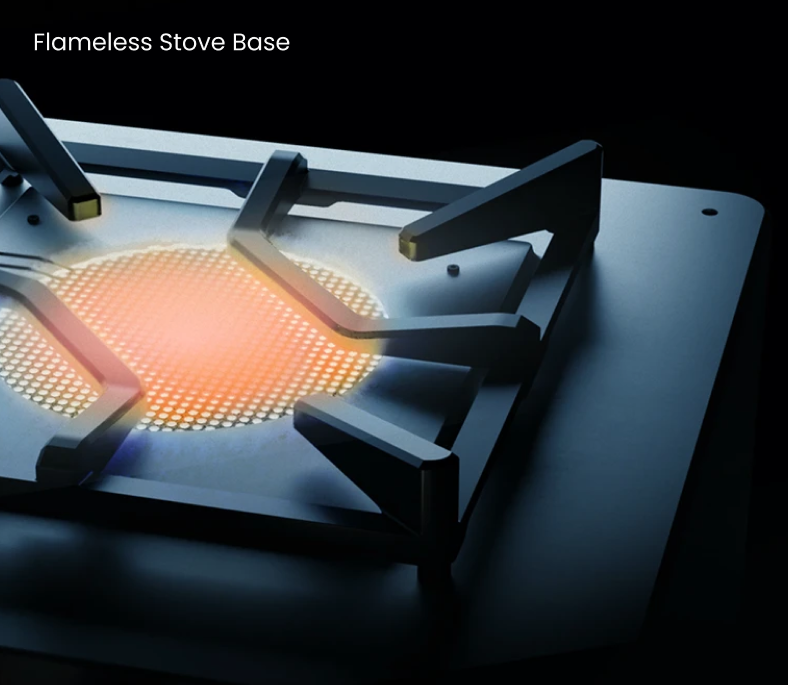
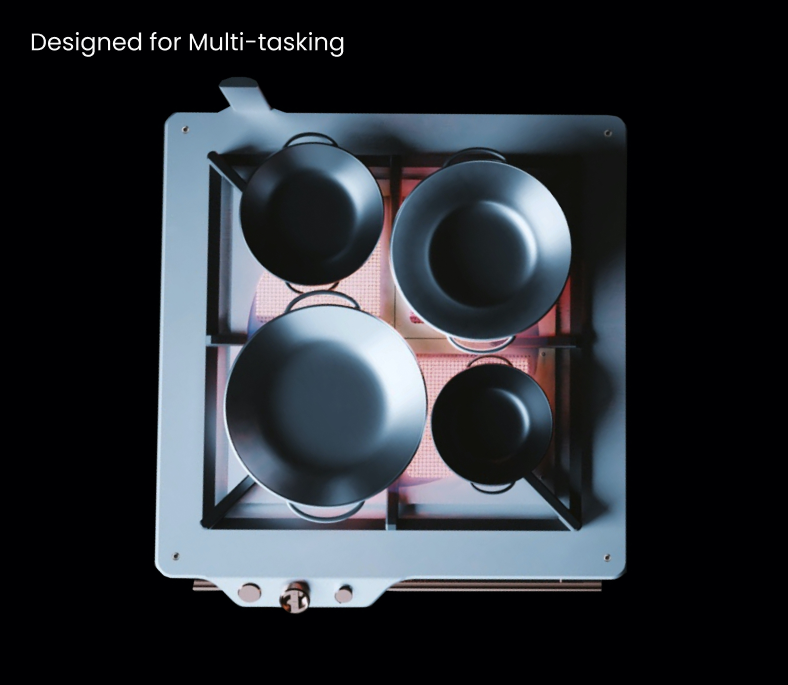
Analogy Design restructured the entire product architecture using a modular design approach supported by CAD engineering and 3D-modeling. Six standardised building blocks were developed to replace dozens of overlapping SKUs, enabling multiple configurations using shared tooling. This dramatically reduced inventory load, simplified manufacturing, and improved long-term scalability.Through functional prototyping and human factors design, each module was refined for real kitchen environments. Paper prototypes and hands-on testing validated layouts, ergonomics, and workflows before moving into production-ready prototypes. The final system balanced manufacturing efficiency with ease of use, sustainability goals, and global commercial kitchen requirements.
Learn more about Manufacturing Readiness
Key features

Hari Rao
Founder, Agnisumukh Energy Solutions, Pvt Ltd
“They helped us create a new brand look as well as designed an entire commercial range of products for global cuisines. The team worked on an iterative methodology that drove innovation. As we showcased our work globally, we could translate that feedback to the Analogy team, and they knew how to translate our desires into a unique range of kitchenware. We had a very diverse range that was strategically branded and designed with the primary users in mind. At each stage of the process, they exceeded our expectations.”

Average Return on Investment Through Product Path™
250%
Average ROI
$2M
Total Funds Raised
89
Projects Funded Successfully
23+
global design awards
21
different Industries
01
Indian studio
Read more here
Designing commercial kitchen equipment demands more than aesthetics. It requires deep engineering, human factors design, and scalable product architecture. Analogy Design partnered with Agnisumukh to redesign a flameless cooking system for global commercial kitchens. Using rapid prototyping, CAD engineering, and modular design thinking, the project addressed manufacturing complexity and usability challenges. The outcome was a scalable commercial kitchen solution built for performance, sustainability, and global deployment.
.avif)