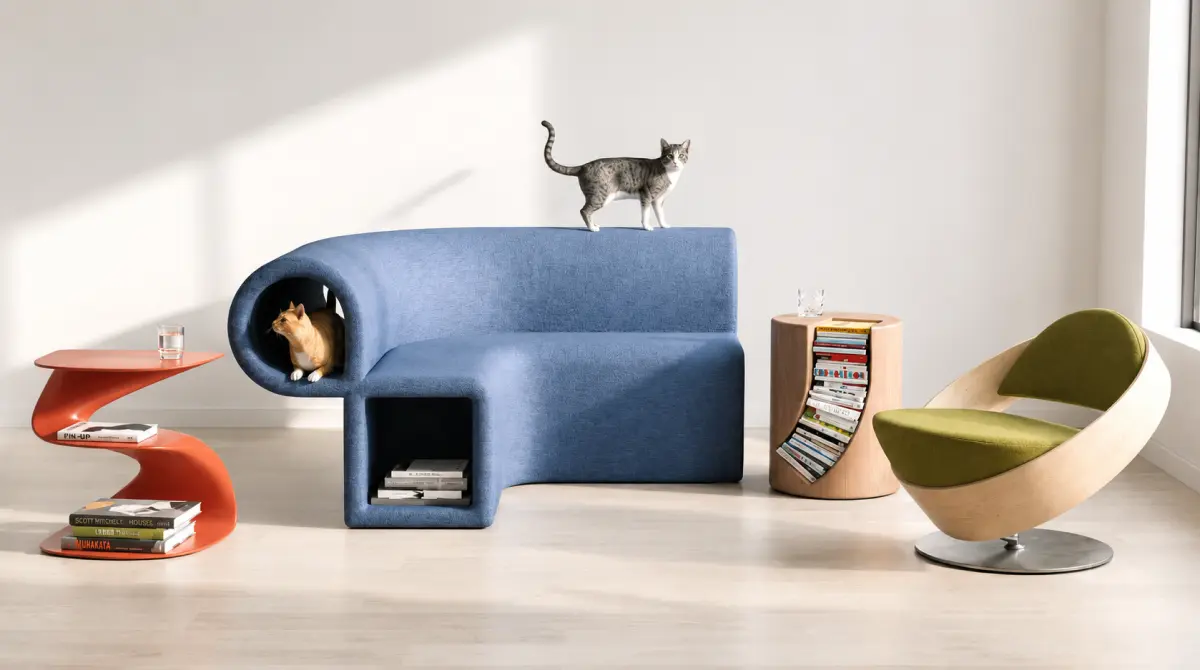
From timeless wood to smart materials and ergonomic innovation, discover furniture design ideas shaping modern homes. A product design studio's honest take on what's changing. Furniture design is an art form that blends functionality with aesthetics. This blog explores furniture design ideas in the exciting world of furniture design, from classic wood pieces to the future trends that will shape our living spaces. Join us as we delve into the innovative materials, sustainable practices, and cultural influences driving the evolution of furniture design in the modern era.
The Allure Of Wood: Great Furniture Design Always Returns To Wood
We'll explore the timeless appeal of wood furniture design, highlighting the beauty and craftsmanship of classic pieces. We begin with the timeless charm of wood. From the rich textures of mahogany to the clean lines of mid-century modern pieces, wood furniture offers a sense of warmth, elegance, and enduring quality. The craftsmanship involved in creating these pieces elevates them to works of art, passed down through generations.
Wood carries memory in a way few materials can match. Every grain line is a record of time, weather, and slow growth, turning a dining table into something closer to an heirloom than a product. Indian craftspeople have known this for centuries, working teak, sheesham, and mango wood into forms that hold both weight and meaning across generations. The warmth that wood introduces to a room goes beyond temperature into something psychological, a sense of belonging that grounds people in spaces that feel genuinely lived-in. That is why even the most experimental furniture design ideas tend to return to wood as their emotional anchor. The material may be ancient, but the respect for it keeps growing.
What makes wood truly irreplaceable in product innovation is its remarkable adaptability to both tradition and technology. CNC routing and parametric design now allow studios to cut shapes in solid timber that were once physically impossible by hand, merging precision engineering with organic beauty in the same piece. The result is furniture that feels simultaneously ancient and futuristic, a balance that only wood seems to pull off with real conviction. Concept sketching for wooden furniture has also evolved, with digital grain simulation tools letting designers visualize actual timber textures before a single cut is made.
A furniture design studio using these tools alongside traditional woodworking knowledge produces pieces that are as structurally sound as they are striking. The material is old; the thinking around it keeps moving forward.

- Variety of Species: Wood's versatility extends far beyond aesthetics. Each wood type boasts unique properties - mahogany's durability, walnut's resistance to dents, or pine's affordability.
- Natural Beauty: Unlike manufactured materials, wood showcases the inherent beauty of nature. The variations in grain patterns and colors make each piece a one-of-a-kind treasure.
- Sustainable Choice: With responsible sourcing, wood furniture can be an eco-friendly selection. Look for pieces made from reclaimed wood or from forests managed with sustainability practices.
- Beyond the Grain: Dive into the world of modern designer furniture, showcasing innovative materials like metal, glass, and recycled plastics.
But design furniture extends far beyond the realm of wood. Modern designers are pushing boundaries with innovative materials and famous furniture designers. Think sleek metal chairs, tempered glass coffee tables, or even custom design furniture crafted from recycled plastics. This allows for a wider range of aesthetics, from industrial chic to minimalist and contemporary.
What Happens When Engineering Meets Furniture Design
The shift toward unconventional materials is producing some of the most exciting furniture design ideas of this decade. Mycelium composites, grown from fungal root networks, are being shaped into chairs and shelving units that fully biodegrade at the end of their lifecycle. Stone-resin composites give surfaces a mineral weight and presence that neither glass nor plastic can replicate. Carbon fiber, long reserved for aerospace and motorsport applications, is appearing in high-end lounge chairs where structural strength and feather-light weight matter equally. These materials are reshaping what a furniture design studio can promise its clients, pushing the conversation far beyond aesthetics into material performance, lifecycle planning, and environmental responsibility. The challenge now is scaling these innovations from prototype to full production without losing what makes each material genuinely special.
Engineering design plays a far larger role in furniture than most people outside the industry realize. When a designer chooses carbon fiber over aluminum, or rattan over molded plastic, that decision ripples through structural load calculations, joinery methods, finishing processes, and cost modeling across the full production run. The principles of design for manufacturability apply just as powerfully to a sofa frame as they do to a medical device enclosure. Material selection is where artistic intent and mechanical design meet, and getting that intersection right is what separates furniture that endures from furniture that disappoints within a few seasons.
Consumer product design thinking, applied to furniture, pushes studios to consider how a piece holds up across years of real use rather than just how it photographs on launch day. That shift in perspective is what makes contemporary furniture design genuinely interesting.
This Is Why Custom Furniture Either Wows or Disappoints
There is a moment in every custom furniture project where the brief becomes a sketch, and the sketch becomes something with real weight and texture in the world. That moment is where concept design services earn their value, translating a client's vague instinct toward "something warm but modern" into proportions, joinery details, and material pairings that actually function together. A furniture design studio in Bangalore working with a hospitality brand, for instance, has to balance regional craftsmanship traditions with a global aesthetic that photographs well and survives daily commercial use. These are real engineering and design constraints, and solving them requires far more than good taste. It requires a structured concept design process, deep material knowledge, and an understanding of production scaling that only develops through repeated experience. The best custom furniture is invisible in its problem-solving and completely unforgettable in its presence.
Bespoke furniture is also where concept sketching becomes the most essential communication tool between designer and client. A well-executed sketch conveys intent, proportion, and material feel before a single rupee is spent on prototyping or material procurement. It aligns expectations early in the process, preventing the expensive misalignments that tend to surface only at the production stage. Clients who invest time in the sketching and design validation phase consistently end up with furniture that feels exactly as intended, rather than a slightly deflating approximation of what they originally imagined.
This is why serious furniture design studios treat the ideation phase with as much rigor as the manufacturing phase. Bypassing it is the single most common reason custom furniture projects go over budget or miss the emotional mark entirely.
The Future of Furniture Is Data, Design and Conscience
The furniture of the next decade will be shaped as much by data as by craftsmanship. Pressure sensors embedded in seat cushions will monitor posture and surface alerts when adjustments are needed, mirroring the biometric feedback logic of a wearable device. Tabletops will respond to touch with ambient lighting shifts or surface temperature changes calibrated to the task at hand. The boundary between furniture and smart product is collapsing, and the design studios best placed to lead in this space are already fluent in both industrial design services and hardware product development simultaneously. Human factors design, long central to workplace ergonomics research, is now becoming a core input in residential furniture projects as homes become more intentional, multi-purpose environments. Furniture is becoming the operating system of the spaces people live and work in.
Sustainable product design principles are also rewriting the economics of furniture at scale. Cradle-to-cradle thinking, where every material in a piece is designed with its next life already planned, is shifting from a niche philosophy to a mainstream expectation among buyers across age groups. Brands and studios that treat sustainability as an afterthought will find themselves misaligned with a market that is accelerating fast in one direction. Product innovation in furniture is no longer just about making things look different; it is about making things that carry less weight on the planet across their full lifecycle.
The complete product development process for a furniture piece, from material sourcing to end-of-life material recovery, is becoming a genuine differentiator. Studios that can articulate that story clearly are consistently winning the most ambitious and meaningful briefs.
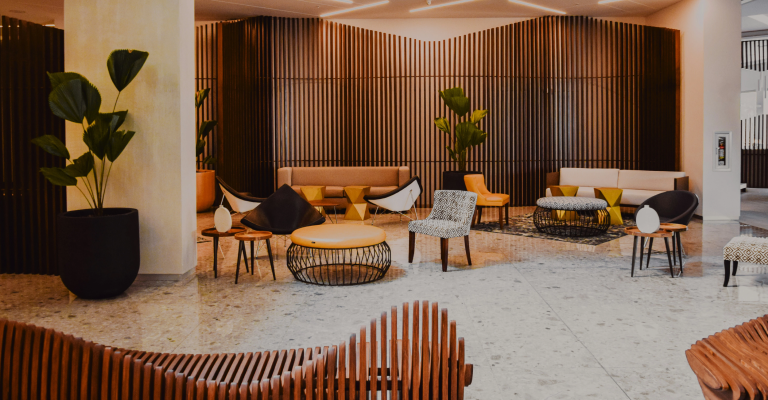
- Metal Magic: The strength and versatility of metal in designer furniture design- From sturdy steel frames to intricate wrought iron details, metal furniture adds a touch of modern sophistication to any space.
- Glass Glamour: The transparent allure of glass design furniture- Its reflective surfaces create an illusion of space, making it perfect for small rooms or modern interiors seeking a touch of elegance. Explore the creations of famous furniture designers in glass.
- Plastic products: Not only do we have eco-friendly possibilities of recycled plastics in custom design furniture, they divert waste from landfills, but they also offer durability and flexibility, enabling designers to create bold and colorful pieces that are as sustainable as they are stylish.
- Hybrid Horizons: We also witness the fusion of materials in contemporary designer furniture design. Combining metal, glass, and recycled plastics opens up endless possibilities for innovative creations that defy traditional expectations. Discover the works of famous furniture designers experimenting with hybrid materials.
- Sustainable Sensibility: As environmental consciousness grows, designers are increasingly turning to recycled and eco-friendly materials to create designer furniture that is not only beautiful but also environmentally responsible. Discover more about sustainability in industrial design.
- The Bespoke Touch: Discover the world of custom furniture design – create one-of-a-kind pieces that perfectly match one’s style and needs.
Why settle for cookie-cutter furniture when you can create something truly unique? Custom furniture design lets you unleash your creativity. Imagine a sofa upholstered in your favorite fabric, or a bookshelf built-in to perfectly fit your alcove. This personalized approach ensures your furniture reflects your style and perfectly complements your space.
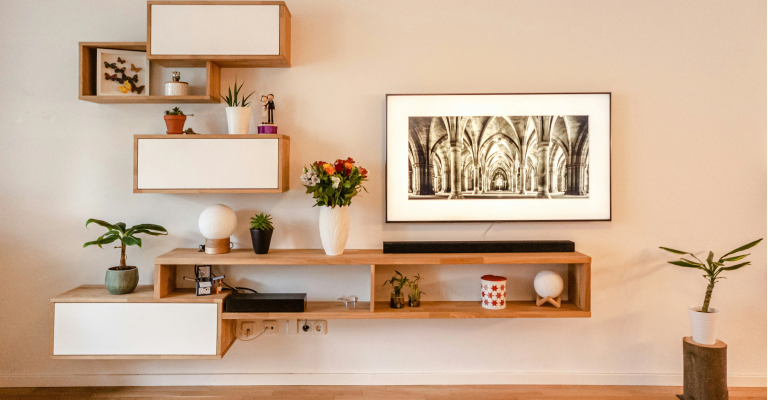
- Tailored Solutions: Custom design furniture offers tailored solutions to specific spatial challenges. Whether you have an oddly shaped room or limited space, bespoke designer furniture can be crafted to fit seamlessly into your environment, maximizing functionality and aesthetics.
- Quality Craftsmanship: With custom design furniture, you're investing in quality craftsmanship. Skilled artisans pay meticulous attention to detail, using premium materials to ensure durability and longevity. Each piece is crafted with care, resulting in furniture that not only looks stunning but also withstands the test of time, designed by famous furniture designers.
- Express Your Personality: Your home should be a reflection of your personality and taste. Custom designer furniture allows you to express yourself fully, incorporating unique elements that resonate with who you are. From intricate carvings to personalized engravings, every detail can showcase your individuality, crafted by famous furniture designers.
- Functional Design: Custom designer furniture isn't just about aesthetics; it's also about functionality. Designers work closely with you to understand your lifestyle and needs, creating designer furniture that not only looks beautiful but also serves its purpose efficiently. Say goodbye to compromises and hello to designer furniture that enhances your daily life, crafted by famous furniture designers.
- Environmental Responsibility: By opting for custom designer furniture, you're making a sustainable choice. Unlike mass-produced pieces that contribute to waste and environmental degradation, bespoke designer furniture is made-to-order, minimizing excess production and reducing carbon footprint. Plus, you have the opportunity to choose eco-friendly materials and finishes, further reducing your environmental impact, crafted by famous furniture designers.
- The Future of Furniture: Explore the exciting possibilities of custom design furniture, from sustainable materials to 3D printing, which is also used for product prototyping a lot, and smart furniture. Discover living room furniture design ideas and innovative solutions from our furniture design studio.
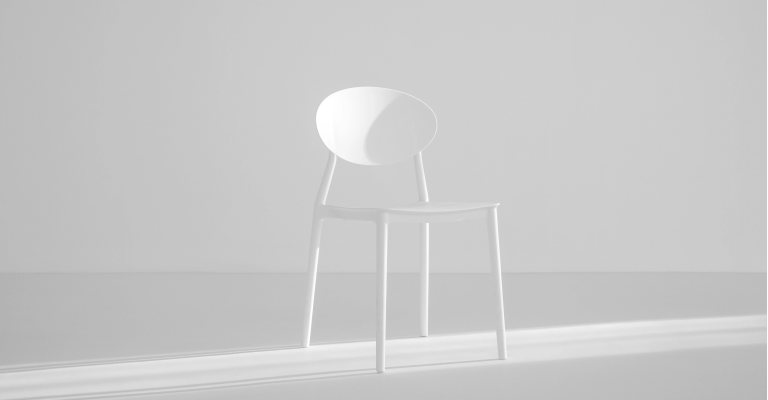
The future of furniture design is brimming with exciting possibilities. Sustainable materials like bamboo and cork are gaining traction. 3D printing allows for the creation of complex and customizable pieces. Smart furniture, integrated with technology, can adjust to your needs, offering enhanced comfort and functionality.
- Virtual Reality Integration: Imagine virtually trying out custom design furniture in your home before purchasing it, revolutionizing the shopping experience.
- Biophilic Design: Expect to see furniture that incorporates elements of nature, promoting well-being and connection to the environment.
- Modular Solutions: With space becoming more limited, modular furniture designs will continue to thrive, offering versatility and adaptability.
- Nanotechnology: Anticipate furniture with self-cleaning surfaces or even self-healing capabilities, thanks to advancements in nanotechnology.
- Augmented Reality Manuals: Assembly of furniture could become easier with AR manuals, providing step-by-step instructions overlaid onto real-world views.
- Emphasis on Ergonomics: Future furniture will prioritize ergonomic designs, promoting health and comfort in the workplace and at home.
- Artificial Intelligence Integration: AI-powered furniture could learn user preferences and adjust settings automatically for optimal comfort and efficiency.
- Carbon-negative Materials: Innovations will focus on materials that not only sustainably sourced but actively remove carbon from the atmosphere, contributing to environmental restoration.
When Furniture Design Meets Engineering
The furniture industry has long treated design and engineering as separate disciplines, with the aesthetic team handing off to the manufacturing team after the concept is locked. That handoff gap is precisely where most furniture projects lose something essential, whether it is a joinery detail that proves impossible to manufacture at scale, or a material choice that renders beautifully on screen but fails under real-world stress testing. The studios closing that gap are producing work that holds up structurally and visually, because they treat furniture as a product first and a visual statement second. Concept design and engineering design inform each other from the very first sketch, with structural constraints shaping form decisions rather than colliding with them at the end of the process. This is the philosophy behind design for manufacturability, applied to the furniture world, and it changes everything about how a piece actually gets made.
Mechanical design in furniture covers far more ground than most clients expect when they first engage a studio. Load distribution across a chair leg, the tensile strength of a particular joinery method, and the tolerance stack-up in a folding mechanism for a modular sofa are real engineering problems that determine whether a piece survives ten years of daily use or ten months. A furniture design studio that also operates with product design agency thinking brings these considerations into the room early, before the design is frozen and changes become expensive to accommodate. The DFM checklist for a mass-produced furniture range looks surprisingly similar to that of a consumer appliance or electronic enclosure. The materials and finishes differ, but the underlying manufacturing logic is consistent. Structural thinking and aesthetic vision, working together from the first day of a project, produce furniture that is genuinely better in every measurable way.
What surprises most founders and brand owners commissioning serious furniture projects is how significantly the engineering phase shapes the final cost. Wall thickness in molded plastic components, the number of unique parts in a modular system, the tolerances required for a precision sliding drawer, each of these decisions has a direct cost implication when multiplied across a production run. Teams experienced in manufacturing cost reduction from other product categories bring a sharper, more calibrated eye to these decisions in furniture too. The goal is always to preserve design intent while eliminating unnecessary complexity from the production chain.
This is why the best furniture design studios today think like product development companies, applying systematic engineering discipline to what was once a purely intuition-driven craft process. The results are visible in every finished piece.
India's Design Identity Is Finally in Furniture
India has always possessed extraordinary furniture craft traditions, but it has historically been slow to translate that heritage into a globally recognized, self-confident design language. The carvings of Rajasthan, the bamboo weaving of Assam, the lacquerwork of Nirmal, these are world-class craft vocabularies that have too long been categorized as export handicraft rather than serious contemporary design. Something is changing now, visibly and quickly. A new generation of Indian furniture designers and studios is taking these traditions seriously as genuine design inputs, reinterpreting them through the lens of modern production methods and contemporary living standards. Cities like Bengaluru, Mumbai, and Pune are producing furniture work that is self-confidently Indian without reading as nostalgic or derivative. The global design world is beginning to pay real attention.
A furniture design studio in Bangalore sits at a particularly compelling intersection of tradition and technology right now. The city's substantial bench of engineering talent, its proximity to manufacturing clusters across Karnataka and Tamil Nadu, and its growing population of design-literate clients are together creating conditions for furniture work that is genuinely ambitious in scope and quality. Designers working here are asking the questions that matter: what does an Indian ergonomics actually look like for the way Indian families live, which local materials deserve far more serious application, how do craft processes and CNC tooling coexist in the same finished piece? These are exactly the right questions to be asking.
The answers are producing furniture that carries a distinct regional intelligence while competing confidently in international conversations on platforms like Dezeen and Wallpaper*. India's furniture design moment is arriving with real momentum, and the studios shaping it are just getting started.
Cultural context shapes furniture in ways that go far deeper than surface aesthetics, into posture habits, material preference, and spatial use patterns specific to the way people actually live in this country. Indian homes carry fundamentally different multi-use requirements compared to European or American residential contexts, with rooms that serve as bedroom, workspace, and social gathering space across different parts of the same day.
Furniture designed without those realities at the center, however visually accomplished, always carries a slight sense of misfit in actual use. This is precisely where human factors design specific to Indian users becomes a meaningful, commercially valuable differentiator for a studio. Understanding how people truly sit, store, gather, cook, and rest in Indian homes is a hard design input rather than a soft cultural observation. The furniture design ideas that resonate most deeply in this market are the ones built around those lived realities from the very beginning of the design process.
The Ergonomics Most Furniture Gets Wrong
Most commercially available furniture is designed around a hypothetical average user who barely maps to any actual person sitting in it. Standard chair heights, desk depths, and sofa seat depths are frequently derived from outdated anthropometric datasets weighted heavily toward Western male body proportions. The result is that a large proportion of real furniture users spend years in pieces that place sustained mechanical stress on their bodies without ever quite identifying why they feel sore by the end of the day. Back pain, neck strain, and wrist fatigue conditions widely attributed to sedentary work culture are routinely worsened by furniture that quietly works against the body rather than supporting it. Human factors design, applied with seriousness to furniture, could eliminate a significant amount of that cumulative physical cost. The question is why so few pieces in the market take it seriously enough.
The answer lies partly in the production economics of mass-market furniture and partly in how design priorities get established at the brief stage. When cost pressure becomes the dominant design constraint, ergonomic refinement is almost always the first thing to be traded away. Cushion density, lumbar support geometry, seat pan angle, and armrest height adjustability all cost real money to get right, and all of them stay invisible in a product photograph or showroom display. For anyone spending eight or more hours per day in a chair, though, these invisible details determine whether the working day feels manageable or accumulates into physical damage over months and years.
The furniture design ideas that will matter most over the coming decade are the ones finding ways to deliver genuine ergonomic quality without pricing out the people who need it most. A rigorous concept validation process that includes real user testing across diverse body types is the most reliable path to getting there.
Here are the ergonomic principles that separate furniture designed to support from furniture designed only to look impressive:
- Seat height should allow feet to rest flat on the floor with thighs roughly parallel, an adjustment range many fixed-height chairs simply never offer
- Lumbar support must sit at the natural inward curve of the lower spine, which varies meaningfully by individual, making adjustability far more valuable than fixed-profile foam
- Seat depth should leave a two-to-three-finger gap between the edge of the seat and the back of the knee, preventing circulation compression during long sessions
- Armrest height should allow genuinely relaxed shoulders when resting, with forearms roughly parallel to the work surface for keyboard and desk tasks
- Backrest angle delivers best outcomes in a slight recline between 100 and 110 degrees for sustained seated work, a specification rarely engineered into standard commercial seating
- Surface breathability directly determines comfort across long sessions, with natural fibers and open-cell foam consistently outperforming closed synthetic surfaces in body temperature regulation
Getting these specifications right demands the same engineering rigor as any serious consumer product development project. Studios that treat ergonomics as a compliance checkbox rather than a design priority keep producing furniture that looks composed in a catalogue and quietly disappoints in daily use. The market deserves better thinking than that.
From Sketch to Showroom: A Studio's Process
The journey from a furniture concept to a finished piece in a showroom or home is longer and more structured than most people outside the industry expect. It begins with listening, with a studio taking the time to understand what a space truly demands, what a user actually needs, and what real constraints exist around budget, production method, material availability, and timeline. That discovery phase shapes everything that comes afterward, determining which ideas are worth pursuing and which directions are expensive detours waiting to happen. A brief built on genuine user insight and honest constraint-setting produces far better outcomes than one assembled from vague aspirations and a collection of reference images. The concept design process for furniture mirrors the product development process for any other carefully designed object. It's methodical, iterative, and expensive to shortcut.
Concept sketching is the first physical output, a phase where ideas are generated rapidly and in volume before any refinement begins. A studio might produce forty thumbnail sketches before committing to three directions worth developing further into detailed form explorations. Those three directions get refined into drawings that communicate proportion, joinery logic, and material intent with enough clarity for a skilled craftsperson or manufacturer to interpret and build from. This is also the stage where clients first get to respond to something tangible, and their reactions almost always reshape the direction in genuinely useful ways.
For a furniture design studio in Bangalore working across residential, hospitality, and commercial client categories, this feedback loop is among the most valuable parts of the entire process. It surfaces hidden assumptions, resolves misalignments before they become expensive, and builds the shared understanding that makes every subsequent production stage smoother.
Prototyping follows ideation, and this is where design theory meets physical reality in the most revealing way possible. A prototype for a furniture piece serves the same core purpose as an MVP in a hardware startup: it stress-tests structural assumptions, validates ergonomic intent with real users in real postures, and surfaces manufacturing challenges that only become visible once something is actually constructed. Scale models reveal proportion problems that drawings conceal. Full-scale foam mockups confirm seating geometry before any timber is cut or joinery is committed. Digital load simulations predict failure points before any material is purchased.
Bypassing this phase to save budget is one of the most reliably expensive decisions any furniture project makes. The prototype thinking that hardware product studios apply to electronics and appliances maps directly onto high-quality furniture development and the studios that understand both worlds produce better work in both.
Choosing A Furniture Design Studio That Delivers
We are a furniture design studio in Bangalore that operates with concept design agency thinking brings a cross-disciplinary intelligence to furniture projects that pure furniture specialists frequently lack. Exposure to healthcare product design, consumer electronics, and ergonomic product categories like backpacks and wearables sharpens a studio's thinking about user experience, structural performance, and manufacturing efficiency in ways that translate directly and powerfully into furniture work. The best furniture of the coming decade will come from studios fluent in product thinking, and that is the capability most worth seeking out.
Product innovation experience and engineering design rigor, applied to furniture, produce a category of work that neither pure craftspeople nor pure interior designers can fully access on their own. That intersection is where the most interesting pieces will be made. For a sense of where global design is heading, Fast Company's design vertical and Frame Magazine both track the most relevant shifts with genuine depth. Architectural Digest India covers the local landscape with useful specificity. The clients who research the field before choosing a studio consistently end up with better furniture. That curiosity is, in this context, a genuine competitive advantage.
The world of furniture design is brimming with creativity and innovation. From the timeless elegance of wood to the potential of unexplored materials, the future of furniture design promises to be as exciting as it is functional. As we move forward, furniture will likely become even more adaptable, sustainable, and technologically integrated, designed to be customised by furniture design studios. So, keep an eye out for the latest trends, embrace bold designs, and remember that furniture is not just about utility; it's an art form that shapes the way we experience our homes. Read more about how we use the techniques mentioned in this article when designing prototypes.