Are you an innovator with a groundbreaking product idea or design? Are you eager to protect your intellectual property and ensure its exclusivity in the market? Understanding the patenting process is essential to safeguarding your innovative creations and unlocking their potential for future success. In this blog, we'll delve into everything you need to know about patenting your product idea and design, covering key topics and insights to guide you through the process.
Turning Your Idea Into a Protected Asset
If you have ever wondered how to get a patent on an idea, you are not alone. Inventors and entrepreneurs around the globe ask about how to patent their idea. A product idea, no matter how brilliant, is vulnerable without legal protection. Patenting your idea is the single most important step you can take to ensure that competitors cannot copy your work, investors take you seriously, and your concept has a clear path to commercialization. Whether you are an individual inventor or a growing startup, understanding how to patent a product idea early can save you significant time, money, and stress down the road.
Many inventors underestimate how early in the process they can and should begin thinking about IP protection. You do not need a finished product, a manufacturing partner, or even a prototype to start laying the groundwork for a patent. What you need is a clearly articulated idea, a basic understanding of the patenting process, and the right professionals by your side. Product design firms that understand IP strategy can help you document your invention in a way that aligns with patent requirements from the very first sketch.
Starting early also means you are building your business on a solid legal foundation, which makes every subsequent step, from fundraising to licensing to manufacturing, significantly easier and more credible.
Why Patenting an Idea or Product Matters More Than Ever
The global marketplace moves fast, and product ideas can be replicated quickly once they enter the public domain. Patenting an idea for a product creates a legal barrier that gives you the right to license your invention and get royalty for any manufacturing or sales by another person or entity. Many inventors delay this step because they believe they need a finished, market-ready product before they can apply. This is a common misconception. The process of patenting your idea can begin much earlier than most people realize, and starting early is almost always the right move. In highly competitive industries, the difference between owning a patent and losing market share often comes down to who filed first.
Beyond legal protection, a granted patent or even a patent pending status communicates something powerful to the market: that your idea is original, defensible, and backed by a serious commitment to innovation. Investors look for IP protection as a signal that the business has a moat, something that prevents competitors from simply copying what you have built. Retailers and distribution partners are also more confident working with products that carry patent protection, since it reduces their own legal exposure. In industries where product cycles are short and imitation is rampant, a well-timed patent filing can be the difference between owning a category and watching someone else profit from your idea.
The value of a patent therefore extends well beyond the courtroom and into every commercial conversation you will ever have about your product.
What This Guide Will Help You Understand
This comprehensive patenting guide walks you through everything you need to know about patenting a product idea, from the types of patents available to the step-by-step application process. You will learn how to patent an idea even if you do not have a prototype yet, where to get an idea patented, and what the process looks like from start to finish. We have worked with inventors across India and internationally, helping them navigate the patenting journey with clarity and confidence.
By the end of this guide, you will have a solid foundation to take your idea from concept to protected intellectual property. Whether you are patenting for the first time or looking to build a stronger IP portfolio, the information here will give you a meaningful head start.
1. What is a Patent?
A patent is a legal document granted by the government that provides inventors with exclusive rights to their inventions. It prevents others from making, using, selling, or distributing the patented invention without permission. Patents serve as a powerful tool for inventors to protect their innovations and capitalize on their creativity. By obtaining a patent, inventors can secure a competitive advantage in the market, attract investors, and generate revenue from licensing and royalties.
Many first-time inventors ask a very fundamental question: can you patent an idea? Technically, patents are granted for inventions that are concrete, defined, and workable, not for abstract ideas alone. However, if your idea has been developed into a specific process, product, or design, it is very likely eligible for patent protection. This distinction is important because it encourages inventors to think beyond the concept stage and articulate exactly how their idea works in practice.
The moment your idea takes on a defined, functional form, it becomes a patent idea with real legal potential.
2. Different Types of Patents
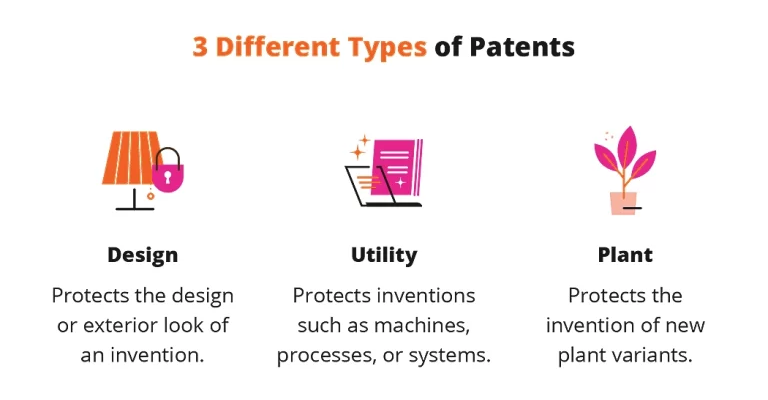
There are several types of patents, each offering protection for different aspects of an invention. Utility patents, the most common type of patent, protect the functionality or utility of an invention, covering new and useful processes, machines, articles of manufacture, or compositions of matter. Design patents, on the other hand, protect the ornamental design or appearance of a product, ensuring that its unique visual features are safeguarded from imitation. Plant patents are granted for new and distinct varieties of plants, providing plant breeders with exclusive rights to their creations. Understanding the different types of patents and their eligibility criteria is essential for inventors seeking to protect their product ideas and designs effectively.
Understanding the types of patents available is one of the most important steps in deciding how to patent your idea effectively. Utility patents are the most commonly filed and cover the functional aspects of a product or process, making them ideal for inventors working on new tools, devices, or systems. Design patents, by contrast, focus entirely on how a product looks rather than how it works, which makes them particularly relevant when design for patentability is a core part of your product strategy. Plant patents are a more specialized category and apply specifically to new plant varieties developed through human effort.
Choosing the right patent type from the start ensures that your application is focused, relevant, and far more likely to succeed.
3. Who May Apply for a Patent?
Individuals, businesses, and other entities may apply for a patent if they are the true inventors or owners of the invention. Proper identification of inventors is crucial to ensure that all contributors are recognized and protected. Additionally, inventors must be mindful of potential conflicts of interest or ownership disputes that may arise during the patenting process. By clarifying ownership rights and establishing clear lines of communication among inventors, potential conflicts can be mitigated, and the patenting process can proceed smoothly.
When it comes to patenting an idea, one of the most overlooked aspects is establishing clear ownership from the very beginning. If a product idea was developed collaboratively, all contributors who made meaningful intellectual contributions to the invention must be listed as co-inventors on the application. Failing to correctly identify inventors can lead to disputes that delay or even invalidate a patent.
For businesses, it is equally important to ensure that employment agreements include IP assignment clauses, so that inventions developed by employees are legally owned by the company. Getting this foundational element right is what makes the rest of the patenting process proceed without complications.
4. What Inventions are Patentable?
To qualify for a patent, an invention must be novel, non-obvious, and useful. It must also not be a natural phenomenon, abstract idea, or mathematical formula. Additionally, inventions must not have been publicly disclosed or offered for sale before filing a patent application. Inventors should conduct thorough prior art searches to assess the novelty and patentability of their inventions before proceeding with the patenting process. By identifying existing patents, publications, and products that may overlap with their inventions, inventors can avoid potential conflicts and strengthen their patent applications.
A question that comes up frequently is whether you can patent an idea without a prototype. The straightforward answer is yes, in most cases, a physical prototype is not required to file a patent application. What the patent office does require is a sufficiently detailed written description of the invention, along with drawings or diagrams that clearly explain how it works. This means that inventors can begin the patenting process at the concept stage, as long as they can describe their idea with enough precision to allow someone skilled in the relevant field to reproduce it. This is one of the most liberating aspects of the modern patent system, as it removes the financial barrier of building a prototype before securing IP protection.
iDiya - a smart device for meditation - is an award winning product, that's also won a patent from USPTO. A thorough prior-art search gave us a clear picture of the patent landscape and existing products before submitting a successful patent application.
Conceptual projects like Analogy's Space Taxi design, the Elios Autonomous Car Interface and the Exo Space Travel Simulator may also be eligible for patent application. However, the onus of proving the feasibility of such conceptual, futuristic designs lies on the applicants and inventors.
5. When to Apply for a Patent
Understanding when to apply is just as important as knowing how to apply for a patent for an idea. Most patent systems around the world, including those in the United States and India, operate on a first-to-file basis, which means the inventor who files first holds the advantage regardless of who came up with the idea first. Many inventors make the costly mistake of waiting until their product is fully developed or already in the market before thinking about patent protection. By that point, prior disclosures or competing filings may have already weakened or eliminated their claim.
The safest and most strategic approach is to file a provisional patent application as early as possible, which secures your filing date and gives you twelve months to refine your full application.
It's essential to file a patent application before publicly disclosing or commercializing your invention. In many countries like the United States and India, patent rights are awarded to the first inventor to file a patent application, regardless of who invented it first. Therefore, inventors should prioritize the timely filing of patent applications to secure their rights and protect their inventions from unauthorized use or exploitation by others. By strategically timing the filing of patent applications, inventors can maximize the potential value of their intellectual property and establish a strong foundation for future growth and success.
For the Freedom Face Shield - a personalized PPE designed for the pandemic, we applied for the patent during the height of the COVID-19 pandemic. With multiple PPE products filing for patents during the pandemic, it's crucial to win the first mover advantage, especially to protect your IP.
6. The Convenience of Online Patent Application
Many patent offices, including those in the United States and India, offer online platforms for submitting patent applications. This online process streamlines the application process, reduces paperwork, and enhances accessibility for inventors. By leveraging online patent application platforms, inventors can expedite the patenting process, bring their inventions to market faster, and maximize their potential for commercial success. Additionally, online patent applications offer greater flexibility and convenience, allowing inventors to monitor the status of their applications and respond to office actions or examination reports promptly. Embracing digitalization enables inventors to streamline their patenting efforts, reduce administrative burdens, and focus their resources on innovation and creativity.
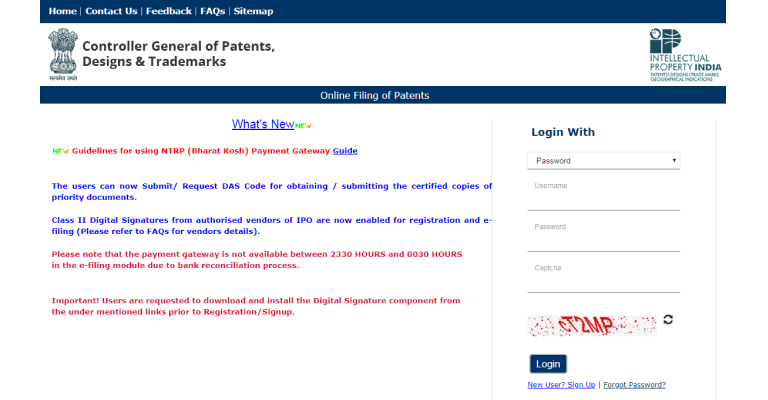
For inventors who are new to the process and wondering where to patent an idea, online patent filing platforms have made the experience far more accessible than it used to be. Both the USPTO in the United States and the Indian Patent Office offer fully digital filing systems that allow inventors to submit applications, pay fees, track their application status, and respond to examination queries without ever visiting a government office in person. This shift to digital infrastructure has dramatically reduced the administrative friction involved in patenting a product. It has also made it easier for inventors in smaller cities and towns to access the same filing advantages as those in major innovation hubs.
Taking the time to familiarize yourself with these platforms, or working with a professional who knows them well, can significantly speed up your patent journey.
7. Understanding U.S. Patent Basics
In the United States, patents are granted by the United States Patent and Trademark Office (USPTO). The patent application process involves filing a detailed specification and claims that define the invention's novelty and utility. Utility, design, and plant patents are available for different types of inventions. Utility patents protect the functionality or utility of an invention, covering new and useful processes, machines, articles of manufacture, or compositions of matter. Design patents protect the ornamental design or appearance of a product, ensuring that its unique visual features are safeguarded from imitation. Plant patents are granted for new and distinct varieties of plants, providing plant breeders with exclusive rights to their creations. By understanding the basics of U.S. patent law and the patent application process, inventors can navigate the complexities of patenting effectively and secure valuable intellectual property rights for their inventions.
For inventors asking how to get a patent on an idea in the United States, the USPTO provides a well-structured process that begins with a thorough prior art search followed by the preparation of a complete patent application. A utility patent application, for example, must include a written description, claims that define the scope of the invention, an abstract, and any relevant drawings. The claims section is arguably the most important part of the application, as it legally defines what is and is not protected by your patent.
A poorly written claims section can leave significant gaps in your protection, which is why working with a qualified patent attorney is strongly recommended for the U.S. filing process. Once granted, a utility patent in the United States provides protection for up to twenty years from the filing date.

8. Understanding India Patent Basics
In India, patents are granted by the Indian Patent Office. Similar to the USPTO, the Indian Patent Office offers utility, design, and plant patents. Inventors in India can also take advantage of online patent application platforms to streamline the process. The patent application process in India involves filing a detailed specification and claims that define the invention's novelty and utility. Utility patents protect the functionality or utility of an invention, covering new and useful processes, machines, articles of manufacture, or compositions of matter. Design patents protect the ornamental design or appearance of a product, ensuring that its unique visual features are safeguarded from imitation. Plant patents are granted for new and distinct varieties of plants, providing plant breeders with exclusive rights to their creations. By understanding the basics of India patent law and the patent application process, inventors can protect their inventions effectively and capitalize on their creativity.
In India, the process of patenting an idea follows the Patents Act of 1970 and is administered by the Indian Patent Office, which has offices in Mumbai, Delhi, Chennai, and Kolkata. Indian patents are territorial in nature, meaning that a patent granted in India only provides protection within India, and inventors seeking international coverage must file separately in other jurisdictions. One important and often misunderstood aspect of Indian patent law is Section 3, which lists categories of inventions that are not patentable in India, including certain software and business methods.
Inventors in India can file a provisional application to secure a priority date, followed by a complete specification within twelve months. Understanding these nuances is essential for anyone looking to successfully patent a product idea within the Indian legal framework.

9. The Patent Application Journey
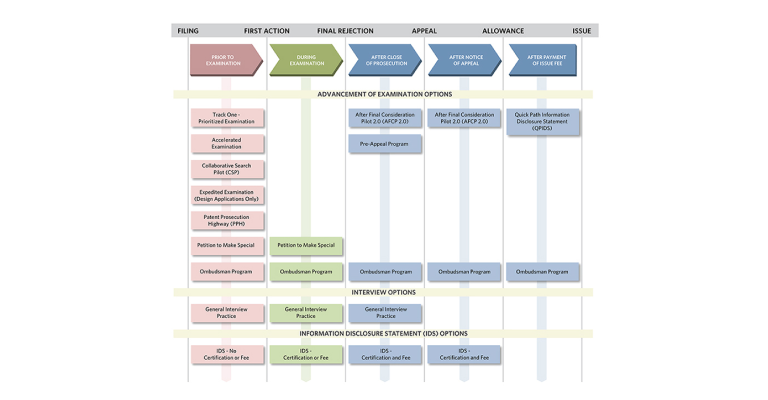
The patent application journey involves several steps, including conducting prior art searches, drafting a comprehensive patent application, filing the application with the relevant patent office, and responding to office actions or examination reports. It's essential to work closely with patent attorneys or professionals to navigate this process effectively. Patent professionals can provide valuable guidance and expertise, helping inventors assess the patentability of their inventions, draft robust patent applications, and respond to office actions with confidence. By partnering with experienced patent professionals, inventors can maximize the likelihood of securing valuable patent protection for their inventions and capitalize on their innovative ideas.
The patent application journey can feel overwhelming at first, but breaking it down into clear steps makes the process far more manageable for first-time inventors. The journey typically begins with a prior art search, followed by drafting the patent specification, filing the application with the relevant patent office, and then responding to any objections raised during examination. Each of these stages requires careful attention to detail, as errors or omissions can result in delays or rejections that set your timeline back by months.
Many inventors benefit greatly from working with an experienced product design firm alongside a patent attorney, since the design team can prepare accurate technical drawings and documentation that strengthen the application. Having the right team in place from the beginning makes the difference between a weak provisional filing and a comprehensive, defensible patent.
For products like the Dostea Tea Making Machine, we helped our clients with drafting the patent application and filing the applications in required jurisdictions. The product is now patent-pending, but has IP protection due to timely filing of provisional application.
10. Strategies for Success
Success in the patenting process requires careful planning, diligence, and strategic execution. Inventors should conduct thorough prior art searches to assess the novelty and patentability of their inventions before proceeding with the process. By identifying existing patents, publications, and products that may overlap with their inventions, inventors can avoid potential conflicts and strengthen their patent applications. Additionally, they should be prepared to respond to office actions and navigate any challenges that may arise during the examination process. By adopting a proactive approach and partnering with patent professionals, inventors can mitigate risks, overcome obstacles, and secure valuable patent protection. Through strategic planning and diligent execution, inventors can position themselves for success in the patenting process and unlock the full potential of their innovative ideas and designs.
One of the most effective strategies for successfully patenting a product idea is to think about design for patentability from the very earliest stages of product development. This means making deliberate design decisions that differentiate your product not just aesthetically but functionally, creating clear grounds for both utility and design patent protection. Working with a product design team that understands IP strategy allows you to document innovations as they emerge, build a stronger prior art position, and identify which features are most worth protecting. It also helps to maintain detailed records of your development process, including sketches, notes, and dated documentation, which can be invaluable if your patent is ever challenged.
A proactive IP strategy is not a one-time action but an ongoing practice that evolves alongside your product.
How to Patent an Idea Without a Prototype
One of the most frequently asked questions from new inventors is how to patent an idea without a prototype, and the answer is genuinely encouraging. Patent law does not require you to have a working physical model before you can file an application in either the United States or India. What the patent office needs instead is a detailed written description that explains the invention clearly enough for a person with relevant technical knowledge to understand and replicate it. Diagrams, sketches, flowcharts, and technical illustrations can serve as powerful substitutes for a physical prototype and are often included in patent applications across all industries.
If you are early in your development journey and have a concept that is well thought out and clearly documented, you are already in a strong position to begin the patent process. This flexibility in the system exists precisely to encourage innovation at the idea stage, before significant manufacturing investment has been made.
How to Get an Idea Patented and Manufactured
Many inventors find themselves asking not just how to get an idea patented, but also how to take that protected idea all the way through to manufacturing. The good news is that these two paths do not have to be separate. Filing a patent application early in the product development process allows inventors to pursue prototyping, design refinement, and manufacturing preparation simultaneously, without losing their IP advantage. Working with a product design firm that has experience across the full product development pipeline means your team can help you align your design choices with your patent strategy, ensuring that what you build is both manufacturable and defensible.
Once a patent is granted or even patent pending status is established, it significantly strengthens your position when approaching manufacturers, licensees, or investors. The combination of IP protection and a well-executed product design is what ultimately takes an idea from concept to commercial reality.
Understanding the Design Patent Process
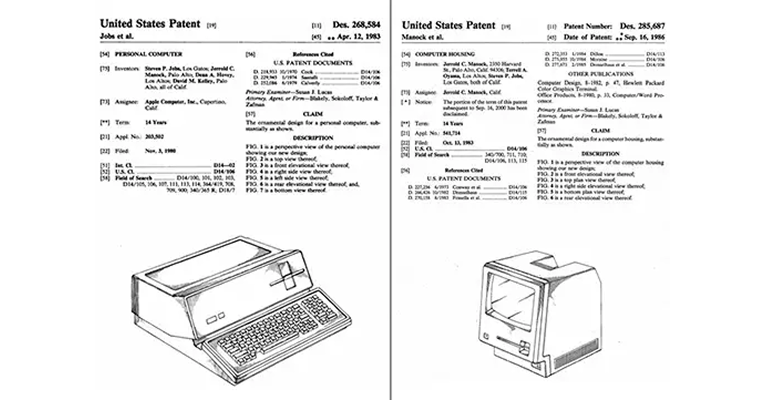
While utility patents tend to get the most attention, the design patent process is a highly valuable and often underused tool for product inventors. A design patent protects the unique visual appearance of a product, which means the specific shape, configuration, surface ornamentation, or combination of these elements that make your product look the way it does. The design patent process is generally faster and less expensive than a utility patent, making it an attractive option for inventors who want to establish IP protection quickly while their utility patent application is still being examined. It is also worth noting that a single product can hold both a utility patent and a design patent simultaneously, providing layered protection that covers both how the product works and how it looks.
For consumer products where aesthetics play a significant role in purchasing decisions, a design patent can be just as commercially valuable as a utility patent. Understanding which type of protection serves your product best is a decision that should be made early, ideally with the guidance of both a design team and a patent professional.
Frequently Asked Questions About Patenting
Conclusion: Patenting Is Important & Shouldn't Be Neglected
In closing, navigating the patent application process is a crucial step for innovators seeking to protect their ideas and inventions. By understanding the essentials outlined in this blog, from the types of patents available to the intricacies of the application journey, entrepreneurs can confidently embark on the path to securing their intellectual property rights. Whether applying for a patent in India or the United States, the convenience of online applications and the guidance of professionals can streamline the process and maximize the likelihood of success. With multiple patents up our sleeves and close ties to IP attorneys and law firms, Analogy is the best partner for you to make your idea a reality, and keep it safe from infringement. Remember, patenting is not just about legal protection; it's about fostering innovation, driving progress, and leaving a lasting impact on the world. With the right knowledge and resources at their disposal, innovators can unlock the full potential of their ideas and contribute to a future shaped by creativity and ingenuity.
About The Authors

Vyasateja Rao – Chief Advisor, Analogy
Vyasateja Rao (Vyas) is a multi-award-winning product designer with over two decades of experience, and the visionary founder of Analogy, a Bangalore-based industrial and interaction design studio. He specializes in crafting memorable and innovative experiences for both physical and digital products. After earning a Masters in Industrial Design from North Carolina State University in 2007, Vyas worked across the United States, Hong Kong, China, Korea, Taiwan, Singapore, and India, collaborating with Fortune 500 companies and leading design studios. His studio has received international recognition, including the Red Dot, IBDC, Singapore Design Award, and multiple patents for product innovation. Vyas has designed for global clients such as Panasonic, Unilever, Amazon, Marvel, and Cellairis, blending creativity with manufacturability to create breakthrough products. Beyond design, he mentors aspiring designers, teaching the importance of contrast, surprise, and hidden artifacts in creating compelling experiences.