Design for manufacturing at the price you need.

Get a working prototype ready for the factory: DFM and tolerance analysis, manufacturing drawings, quotes from a vetted shortlist of our 150+ partners, QC protocols and certification mapping, with our Shenzhen team on the floor for first shots.

Shenzhen team at your factory · No commission on tooling · NDA on request

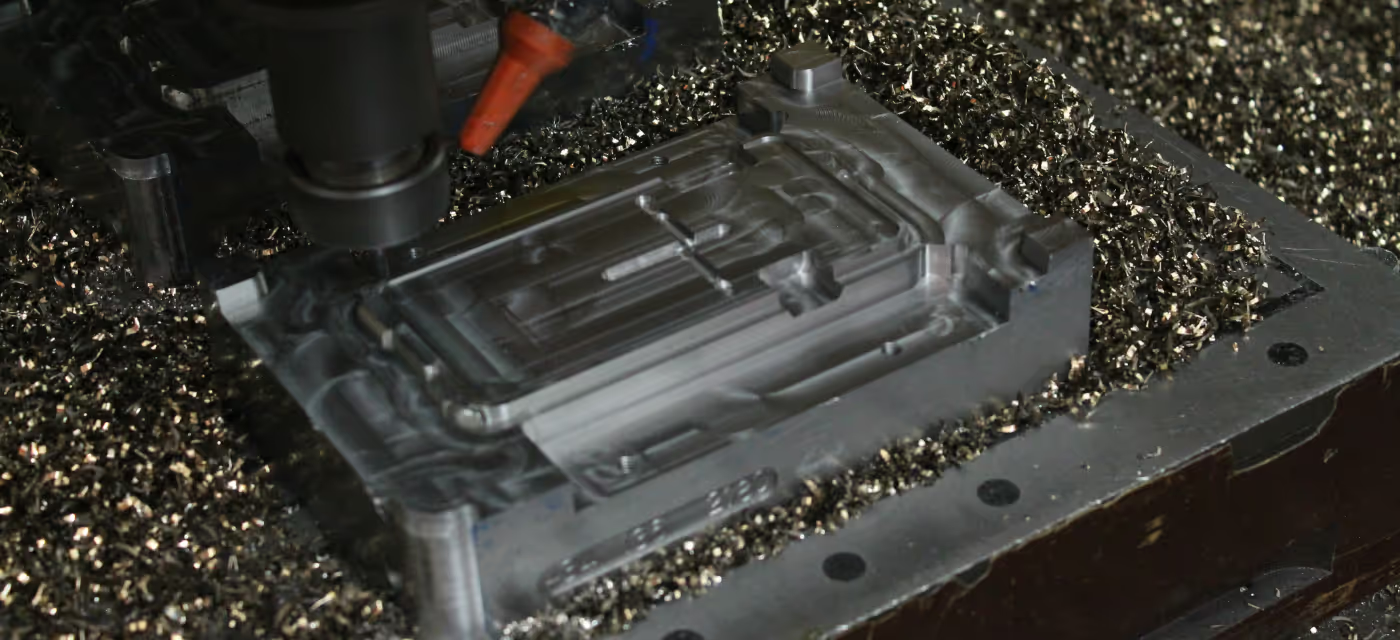
A CNC machine milling a steel injection mould
150+

manufacturing partners in India and China

4

people on our team in Shenzhen, at the factory for tooling

10–16 wks

from DFM kickoff to production-ready

$0

commission from us on tooling, lab tests or production units

Trusted by global brands and 80+ founders

  • Panasonic, an Analogy Design client
  • Google, an Analogy Design client
  • Unilever, an Analogy Design client
  • Mondelēz, an Analogy Design client
  • Maersk, an Analogy Design client
  • Aprilia Racing, an Analogy Design client
  • Marvel, an Analogy Design client
  • Borosil, an Analogy Design client
  • boAt, an Analogy Design client
Joseph Brown, Chief Product Officer, Cellairis GlobalProduct leader, CellairisJoseph BrownChief Product Officer, Cellairis Global
“Analogy Design collaborated with Cellairis to develop new product lines, including interconnected products for enterprise clients. Their team met specific manufacturing needs with hands-on involvement, clear feedback, and smooth collaboration.”

More reviews from brands we manufacture for

Manufacturing doesn’t fail suddenly.

It fails quietly, through small design decisions that repeat on every unit.

Tolerances, part counts, materials and assembly choices made early decide your unit cost, your defect rate and how long tooling takes. Catch them in CAD and they cost an afternoon. Catch them at first shots and they cost a new mould and eleven weeks.

The quote that came back at three times

Parts designed without a process in mind, quoted by a factory that prices in every risk.

The part count nobody questioned

Every extra part is another tool, another supplier and another step on the line.

The tolerance stack that jams

Each part is in spec. Together they don’t fit.

The certification you found out about late

FCC, UL or ETL requirements discovered after tooling mean redesign and re-tooling.

What design for manufacturing includes

Five pieces of work that turn a proven prototype into a product a factory can make, at volume and at your price.

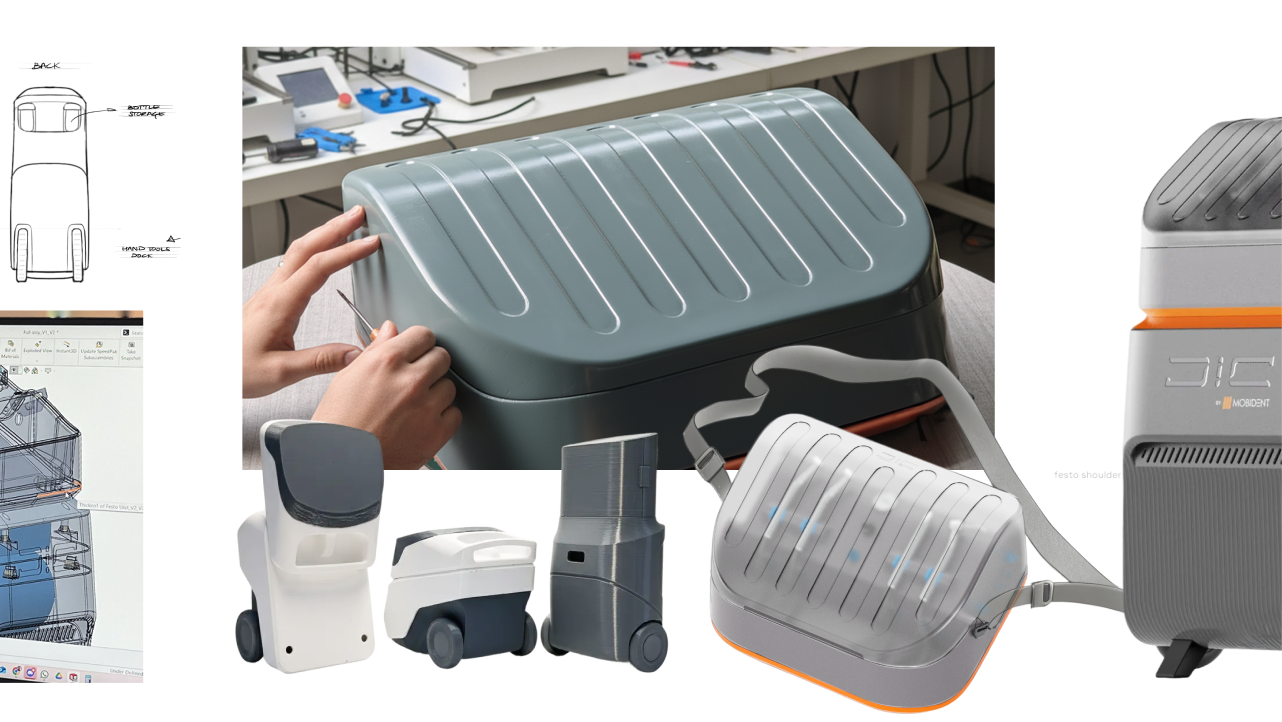
Air fryer sketches and reference photos annotated for manufacturing review

DFM and tolerance analysis

Wall thickness, draft, parting lines, part consolidation and tolerance stacks reviewed for the process each part will be made with, so tooling gets it right first time.

Phase 310–16 weeks
01 / 05Next ↓
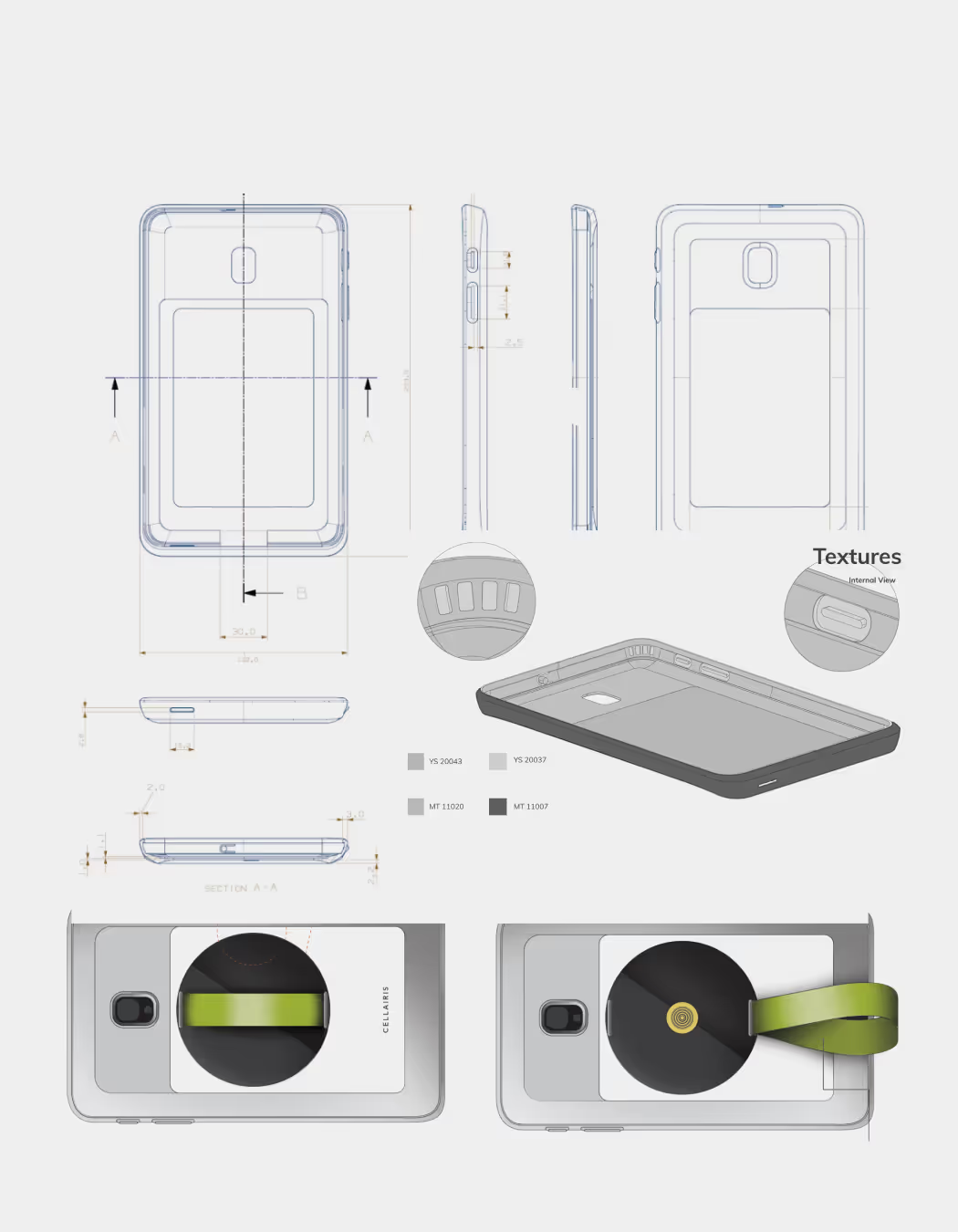
Technical drawings of a phone case with dimensions and texture callouts

Manufacturing drawings and specs

Complete drawings, specifications, assembly instructions and a production BOM that leave the factory nothing to guess.
02 / 05Next ↓
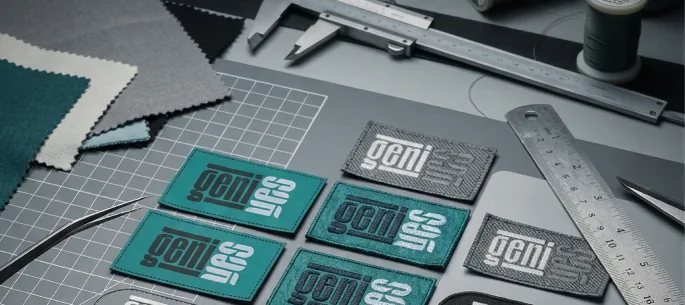
Woven labels and trims sourced for a soft goods product

Vendor selection and quotes

A vetted shortlist from our 150+ partners in India and China, with quotes for parts, tooling and assembly. You can use our partners or yours.

03 / 05Next ↓
A toothbrush tufting machine on a factory line

Tooling, QC and first shots

Tooling recommendations, QC protocols and sample checks. Our Shenzhen team, led by Vivi, is at the factory when first shots come off the tool.

04 / 05Next ↓

Where it fits

Design for manufacturing is phase 3 of Product Path™.

It removes the third risk: not being able to make it at a price that works. You come in with a proven prototype and leave with drawings, quotes, tooling plans and a real unit cost at volume.

Phase 1

Concept and strategy

Cost targets set at concept give DFM a number to design to.

Phase 2

Engineering and prototyping

A prototype engineered with production in mind needs less DFM rework.

Phase 3

Manufacturing and scaling

This service. Drawings, vendors, tooling and certification, ready for steel.

Phase 4

Launch

Pilot runs and packaging, so the first production units can ship.

DFM, step by step

How a prototype becomes production-ready

From reviewing your prototype to first shots off the tool. Swipe or scroll sideways, or jump to a step.

Review

Removes the risk that you tool a design that can’t be made well.

Red competitor kitchen appliances lined up for benchmarking
The decision

Which parts, materials and processes will hit your cost and quality?

You walk away with

A DFM report on every part, a part-consolidation plan and process recommendations.

How long

2–3 weeks

Engineer for production

Removes the risk that parts don’t fit at volume.

Board of air fryer prototype photos and production notes
The decision

Do tolerances, assemblies and materials hold up across thousands of units?

You walk away with

Production CAD, tolerance analysis, manufacturing drawings and a production BOM.

How long

3–5 weeks

Source and quote

Removes the risk that your unit cost is a guess.
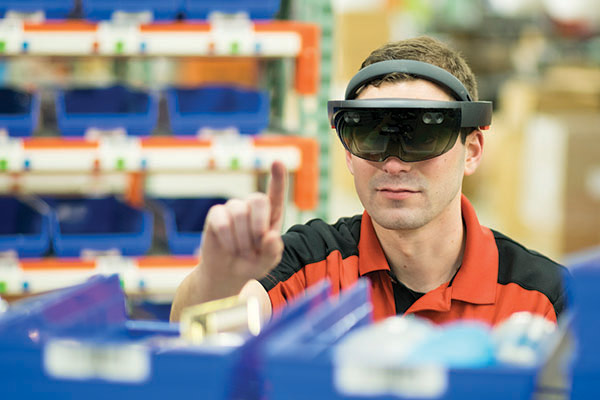
A factory worker using an AR headset on the production floor
The decision

Which vendor, what tooling, and what your unit cost really is at 10,000 units?

You walk away with

A vetted vendor shortlist, quotes for parts, tooling and assembly, and a tooling plan.

How long

3–4 weeks

Tool and first shots

Removes the risk that problems surface after you’ve paid for steel.
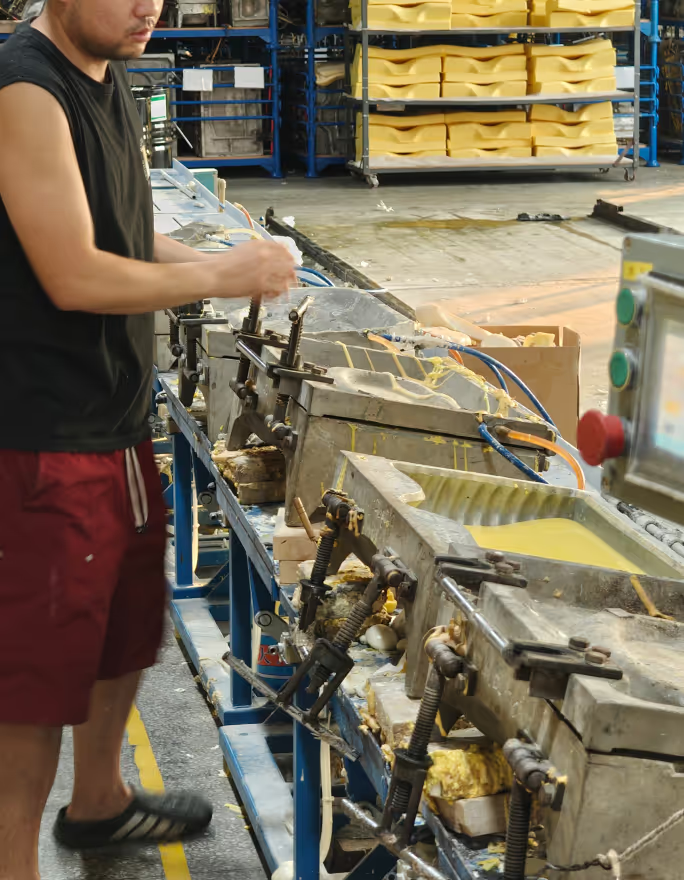
A factory worker handling foam-moulded trays on a production line
The decision

Do first shots and samples meet spec, and what has to change before production?

You walk away with

Sample inspection, QC protocols, certification mapping and a production-ready release.

How long

2–4 weeks

Good to know

Our Shenzhen team is on the floor for first shots, with our partners or yours.
Next step: launch support

Is DFM the right next step?

If you have a prototype that works and need to make thousands of them, yes.

A factory quote that came back too highDesign for manufacturing
A working prototype and no factory yetDesign for manufacturing
Tooling planned in the next few monthsDesign for manufacturing
A prototype that still fails its testsPrototype development
Already tooled and seeing defectsManufacturing optimization

What DFM costs, before you have to ask

No hourly billing. After a free call you get a custom proposal for phase 3, so you know the number before you commit.

Design for manufacturing is phase 3 of Product Path™ and usually takes 10–16 weeks. It’s priced as a custom proposal after a free call, based on how many parts and processes your product has.

Most of the money in a hardware product goes into tooling and production. This phase is where you make sure it’s spent once.

What decides the size of a DFM phase

Where your DFM phase lands comes down to six things.

Part count

Every unique part needs drawings, a tool and a supplier.

Processes

Injection moulding, sheet metal, die casting and textiles each need their own DFM.

Electronics

PCB assembly, testing and certification add a parallel track.

Approvals the product needs

FCC for radios, UL or ETL for mains power and FDA for medical devices add test plans and design changes before tooling.

Year-one quantity

Soft tooling for hundreds of units and steel for tens of thousands are different designs. We plan for the volume you’ll really order.

Whose prototype it is

A prototype engineered with us needs less rework than one from elsewhere. We’ll tell you on the first call.

Steel, lab tests and units: billed by the factory, not us

Mould tooling, certification testing and production units are invoiced to you by the factory or lab. We negotiate and check the quotes, and take no commission on any of them.

Worried about the factory quote? Start with a manufacturability sprint

A small fixed-fee sprint reviews your prototype against the process and the quote in two or three weeks and shows where the cost is going. Start phase 3 within six months and the sprint fee comes off the price.

Why founders do DFM with a studio that’s at the factory

Engineers who’ve seen what goes wrong at first shots

250+ products designed since 2015, many of them through tooling and production.

A team of four in Shenzhen

Led by Vivi, at the factory for tooling and first runs, with our partners or yours.

No commission on tooling or production

Factories bill you directly, so our advice on vendors isn’t tied to what they charge.

Getting to production: a sourcing agent, the factory, or us
QuestionA sourcing agentThe factory aloneAnalogy
Whose interest they protectOften paid by the factoryThe factory’sYours. We take no commission on tooling or units
Who fixes the design for the processNobodyThe factory, without askingOur engineers, with your sign-off
Who is there at first shotsSometimesThe factoryOur team of four in Shenzhen
How many vendors you compareTheir networkOneA shortlist from 150+ partners, with quotes

Design for manufacturing for US founders, without the Bay Area price

Your factory may be in China or India and you may be in California. We sit in between.

A team on the factory floor

Our team of four in Shenzhen, led by Vivi, attends tooling trials and first shots so you don’t have to fly.

US certification mapped before tooling

FCC, UL or ETL and other requirements are designed for before steel is cut, not after.

Quotes you can compare

Every vendor quote is laid out side by side in USD, with tooling, unit cost and lead time.

Categories we’ve taken to production

Kitchen appliancesAudio productsMedical and dentalPhone accessoriesSoft goodsPersonal care

Guides on design for manufacturing

Our DFM library, written from the factory floor. All articles

DFM questions, answered

Need an answer before your next factory call? Ask us; we reply within one working day.

What is design for manufacturing?

Design for manufacturing (DFM) is the work of shaping a product’s parts, materials, tolerances and assembly so a factory can make it reliably, at volume and at the price you need.

What is a DFM review, and why does it matter before production?

A DFM review checks every part against the process it will be made with: wall thickness, draft, undercuts, tolerances, part count and assembly. Fixing these in CAD costs hours; fixing them after tooling costs a new mould and weeks.

Can DFM reduce manufacturing costs?

Yes. Fewer parts, simpler tools, the right materials and looser tolerances where they don’t matter all lower your unit cost and tooling spend, and a better first-pass yield cuts waste.

How much do DFM services cost?

Design for manufacturing is phase 3 of Product Path™ and usually takes 10–16 weeks. It’s priced as a custom proposal after a free call, based on the number of parts and processes. Tooling and production are billed by the factory directly to you.

When should a DFM review happen?

As early as possible, and again before tooling. We bring DFM thinking into concept and prototyping, then do a full review once the prototype is proven.

What issues does a DFM review usually find?

Parts that can’t be moulded cleanly, tolerance stacks that won’t assemble, too many parts or fasteners, materials that won’t meet cost or certification, and finishes that add steps to the line.

What are common DFM mistakes?

Leaving DFM until the design is frozen, designing for prototype processes instead of production ones, ignoring tolerance stacks and choosing finishes without the factory in the room.

What DFM tools and software do you use?

CAD with draft and thickness analysis, tolerance stack-up analysis, mould-flow checks where needed, and supplier DFM feedback. The tools matter less than the experience of reading their results.

Do you own a factory, or work with mine?

Either. We don’t own factories: we shortlist and audit vendors from our 150+ partners, or work with the factory you already have, and our Shenzhen team is on the floor for first production runs.

How do you handle FCC, UL and ETL before tooling?

We map the approvals your product needs at the start of DFM, design the enclosure, boards and labelling for them, and line up the test lab before steel is cut.

Can I use my own factory?

Yes. We work with your vendors or ours, and the DFM, drawings and QC protocols work either way.

What is the DFM process for hardware products?

Review every part, engineer for production with tolerance analysis and drawings, source and quote vendors, then tool, inspect first shots and release to production.

Bring us the quote that came back too high.

A prototype that works, a factory quote that doesn’t, or tooling that’s about to start. In 30 minutes we’ll tell you where the cost and risk are, and what it takes to fix them.

If your prototype isn’t ready for DFM yet, we’ll tell you what has to change first.