Modern Hookah Design
Backed by

The Brief
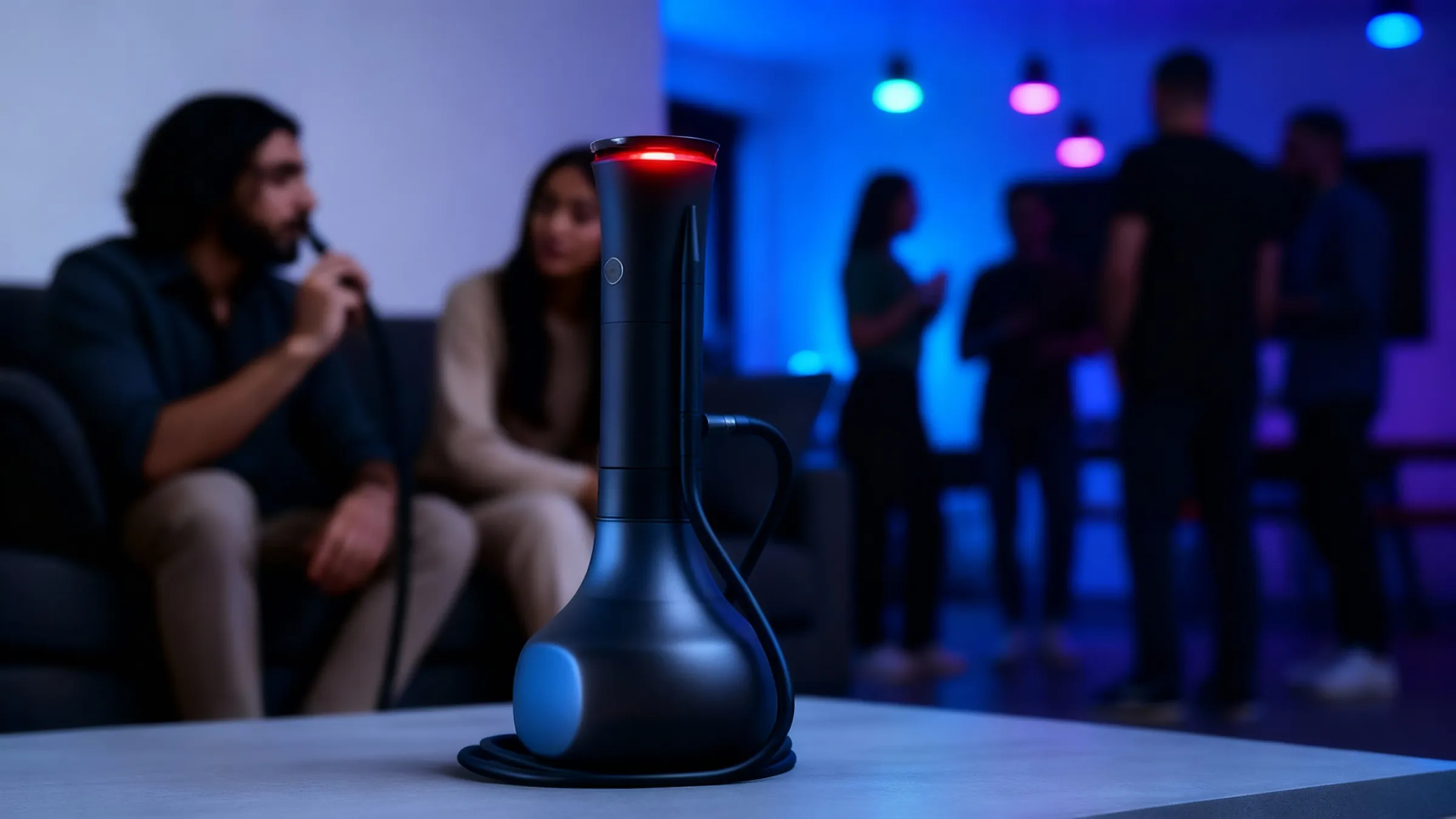
The hookah has existed in roughly the same form since the 16th century: charcoal, water and a bowl of flavored tobacco. The ritual is ancient, deeply social and, until recently, essentially unchanged. When Zook came to Analogy in 2021 to build an electric hookah for the Dubai market, the challenge wasn’t just engineering. It was cultural: how do you redesign a 500-year-old object from first principles without losing what makes it meaningful?
Phase 1: Concept Development and Design Strategy
Every product starts with a question worth answering. For Zook, it was this: what does a hookah become when you remove the charcoal, the coal management and the inconsistency of traditional combustion? The answer pointed to a product with precise temperature control, a cleaner experience and a form that felt premium rather than clinical. The team focused on problem-solution fit: what the product needed to do, for whom and in what context. Zook’s target market was a younger, design-conscious consumer who valued the social ritual of hookah culture and expected the quality of premium consumer electronics. That insight shaped every decision that followed.
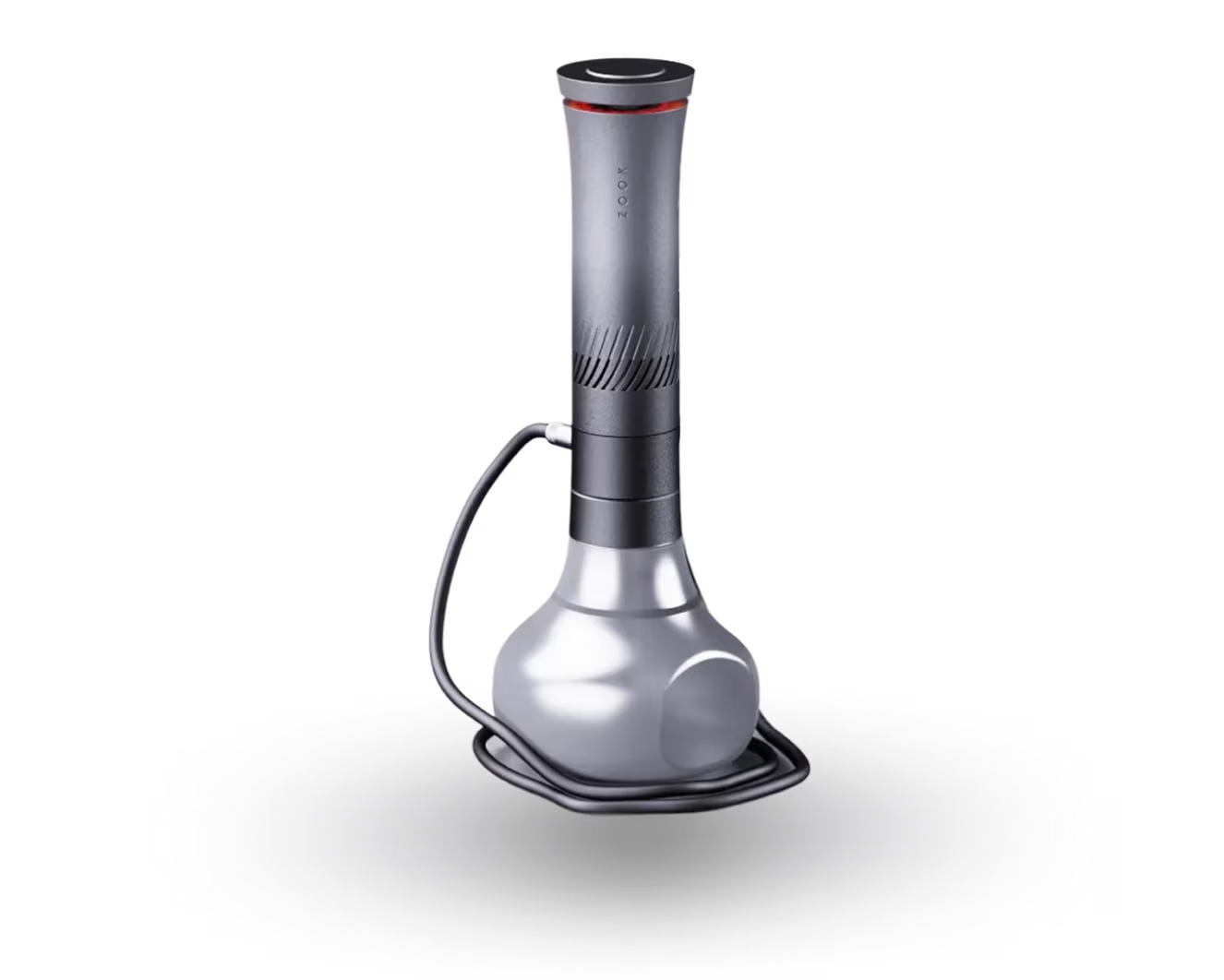
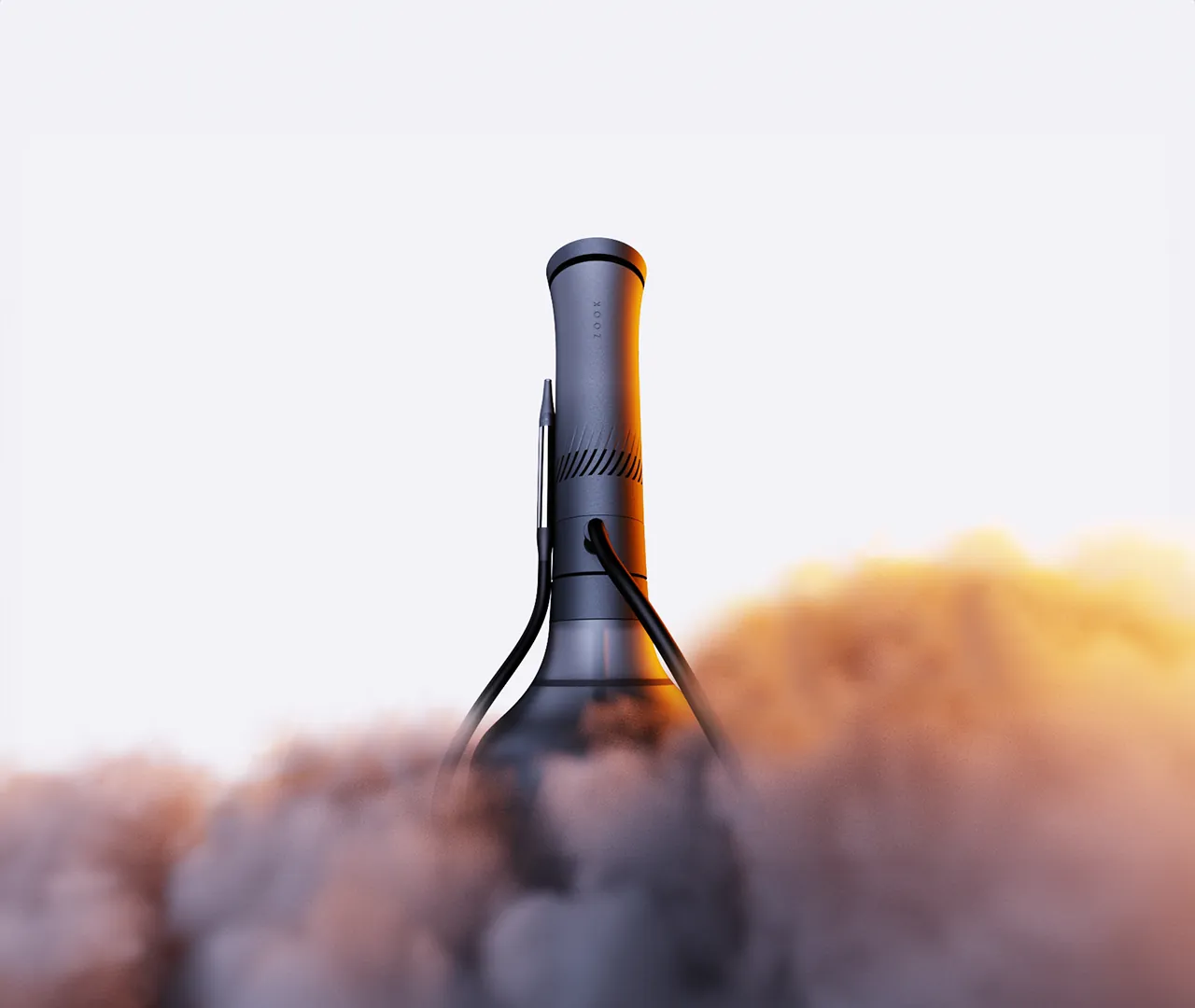
Zook is a first-of-its-kind electric hookah, designed by Analogy over 9 months in 2021 for the Dubai market.
A charcoal-free hookah that honors a 500-year-old ritual while signaling something new.
Phase 2: Form, CMF and Visual Identity
With strategy locked, the work moved into form development. This is where industrial design becomes art and engineering at the same time.
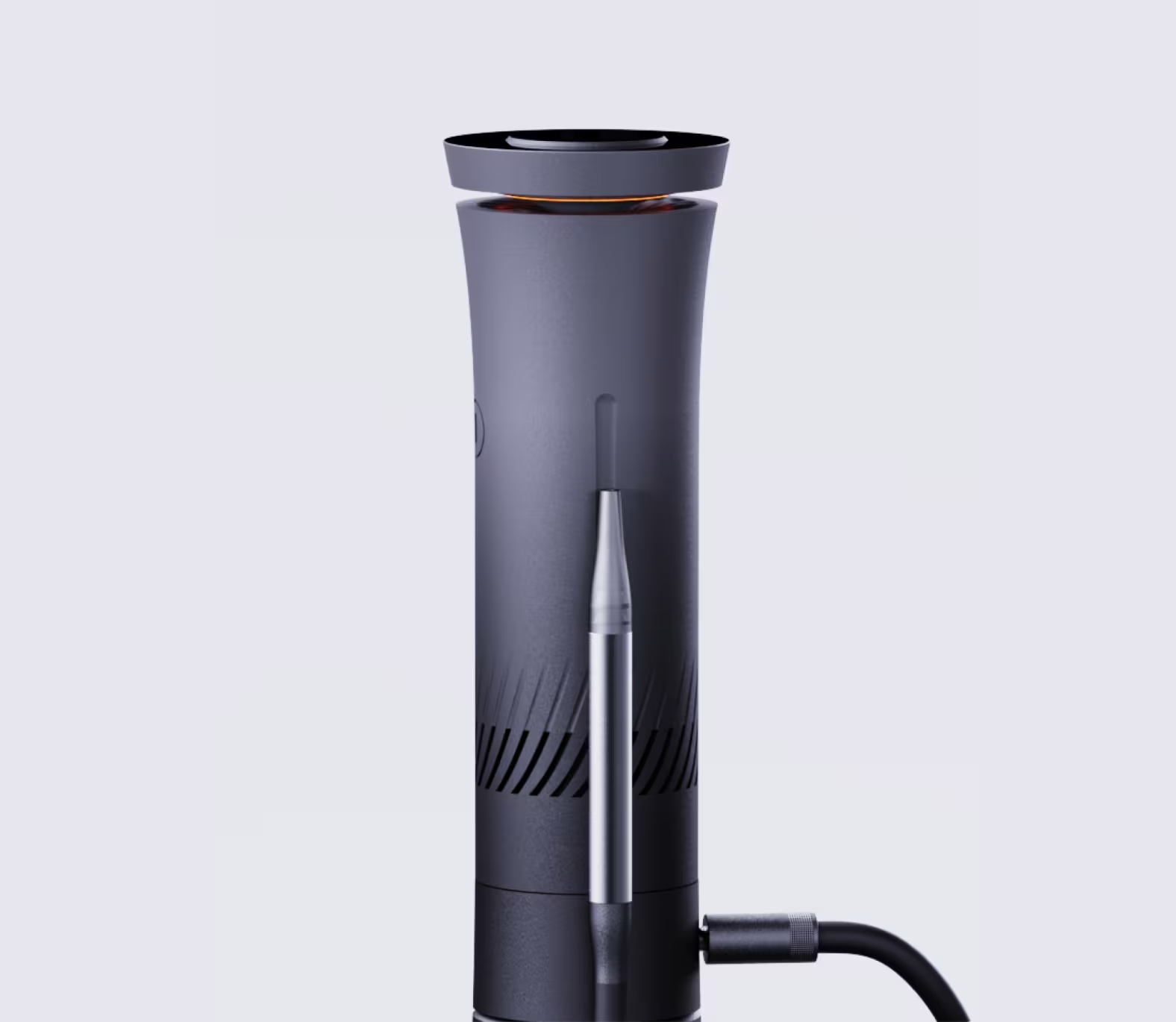
The Zook hookah needed a silhouette that read as a hookah at a glance. Familiarity matters: users needed to understand what they were looking at without instruction. But the form also had to communicate that this was something different: powered, precise and considered.
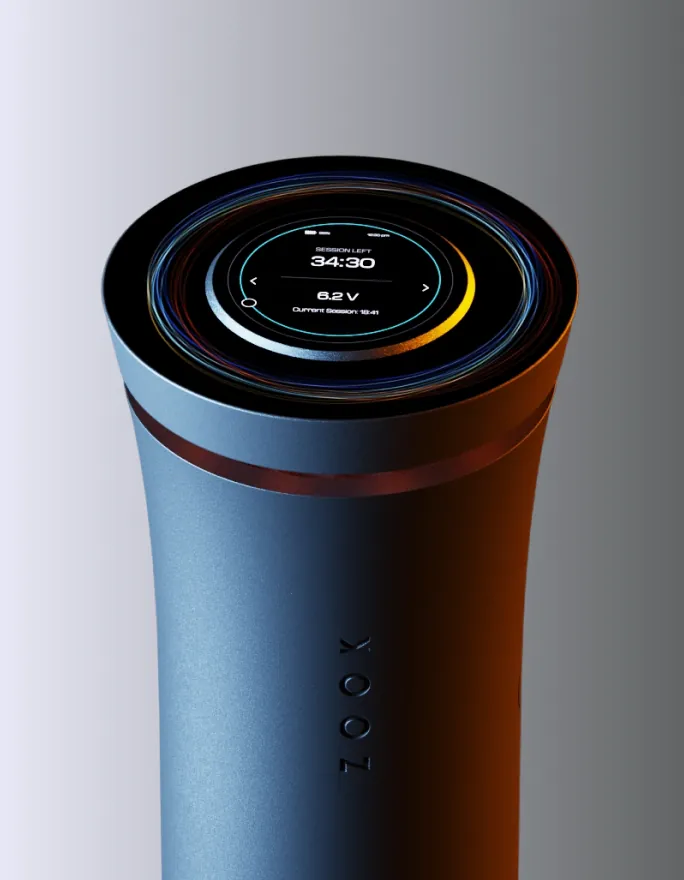
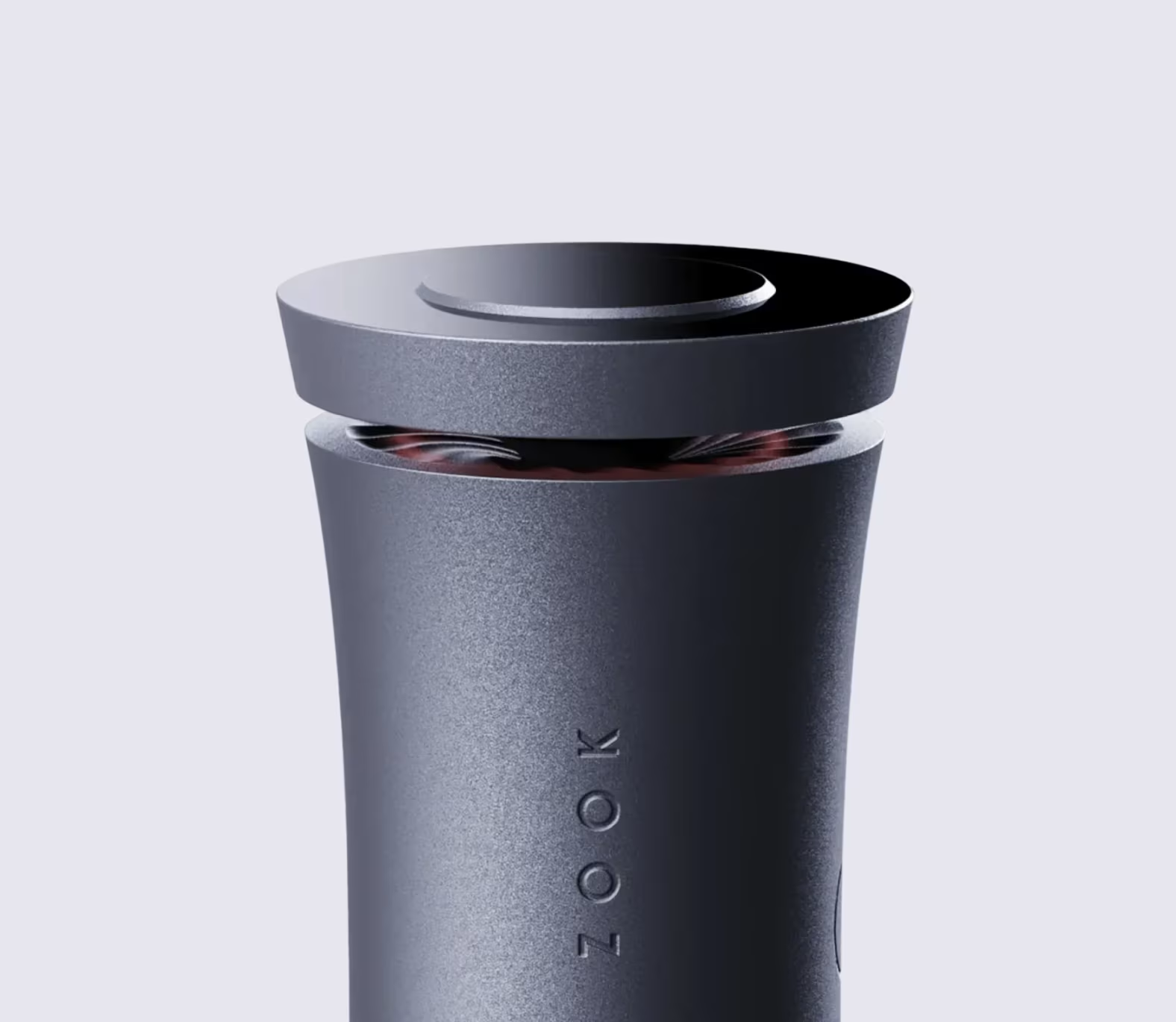
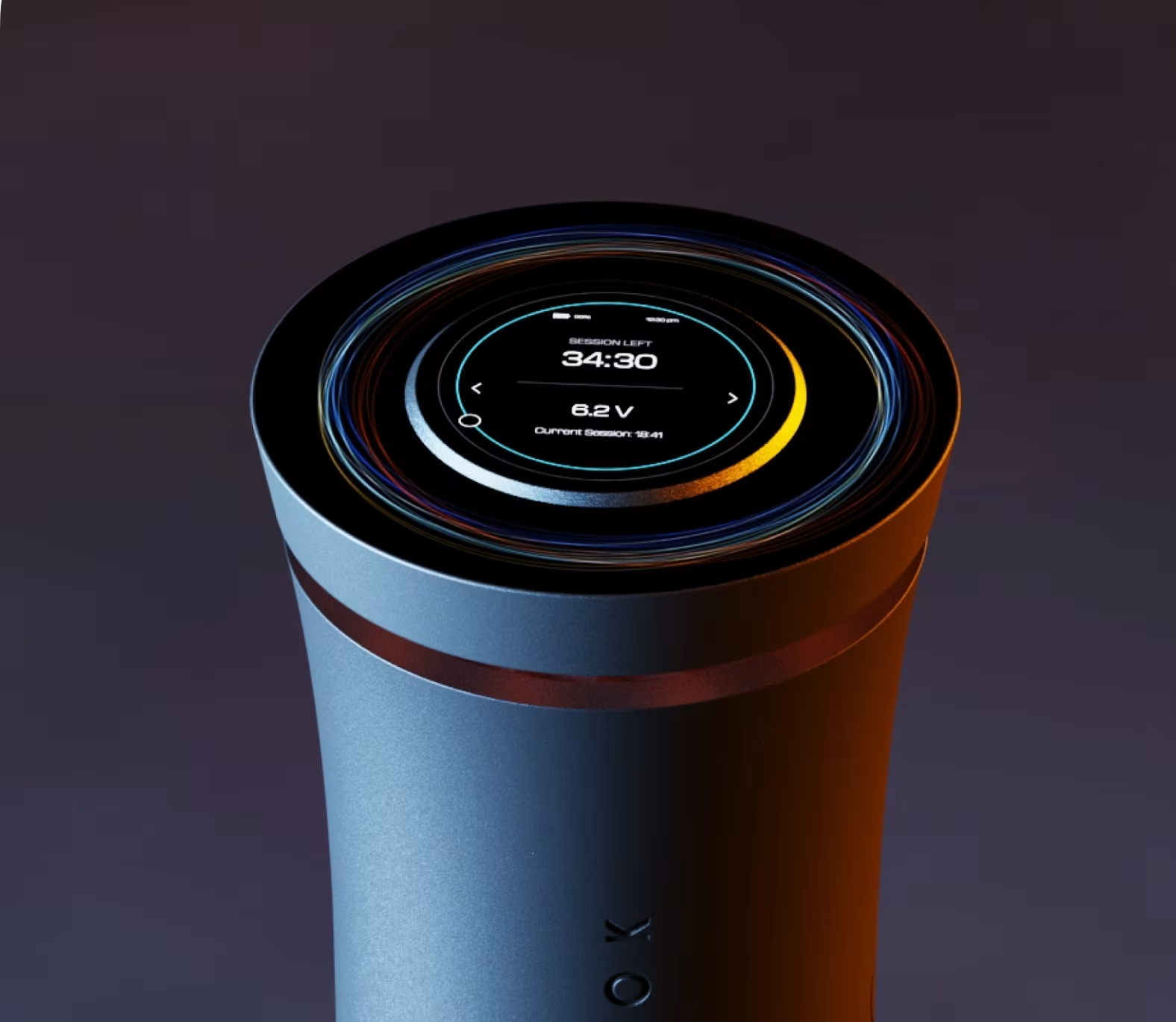
CMF (color, material and finish) played a significant role. It’s the discipline of defining how a product looks and feels through its surfaces: the metals used, the textures applied, the color palette and how those choices interact with light. For Zook, the team explored a direction that combined matte and gloss finishes, metallic accents and a restrained palette that felt premium without feeling cold. The hose, base and heating element each needed their own CMF thinking, and had to feel unified as a system rather than assembled from separate parts.
Concept sketching was a critical tool throughout this phase. Our piece on concept sketching in product design shows how sketch-based exploration feeds into final form decisions.
Read more: Concept design vs detailed design.
The problem
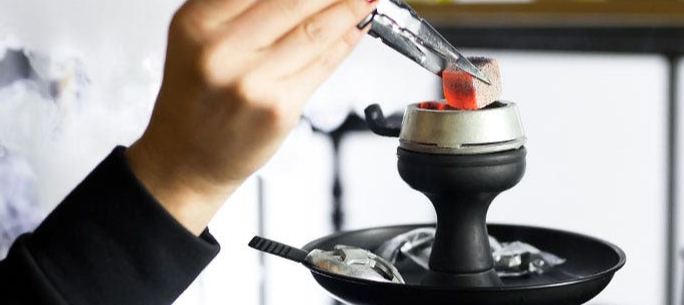
Constant Coal Refills
Traditional hookahs require frequent coal replenishment, interrupting the experience and demanding constant attention. Managing ignition, heat levels, and ash reduces convenience and makes sessions time intensive and inconsistent.
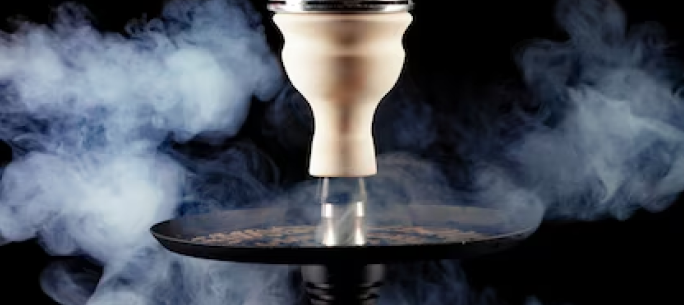
Harmful Carcinogens
Charcoal based hookahs release carcinogens, smoke residue, and airborne particles during combustion. These emissions impact indoor air quality and raise health concerns, especially for users seeking a cleaner and safer hookah experience.
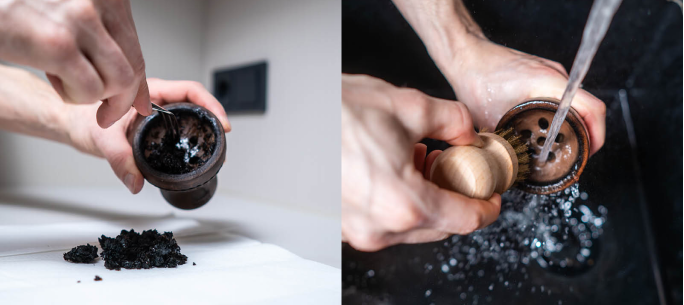
Difficult Cleaning Process
Conventional hookah components are hard to wash and maintain over time. Residue buildup, fragile glass parts, and water exposure reduce durability and increase long term maintenance effort.
This is where ideas meet physics.
Engineering, prototyping and design for manufacturing, with DFM thinking applied from the first CAD model.
Phase 3: Engineering and Prototyping
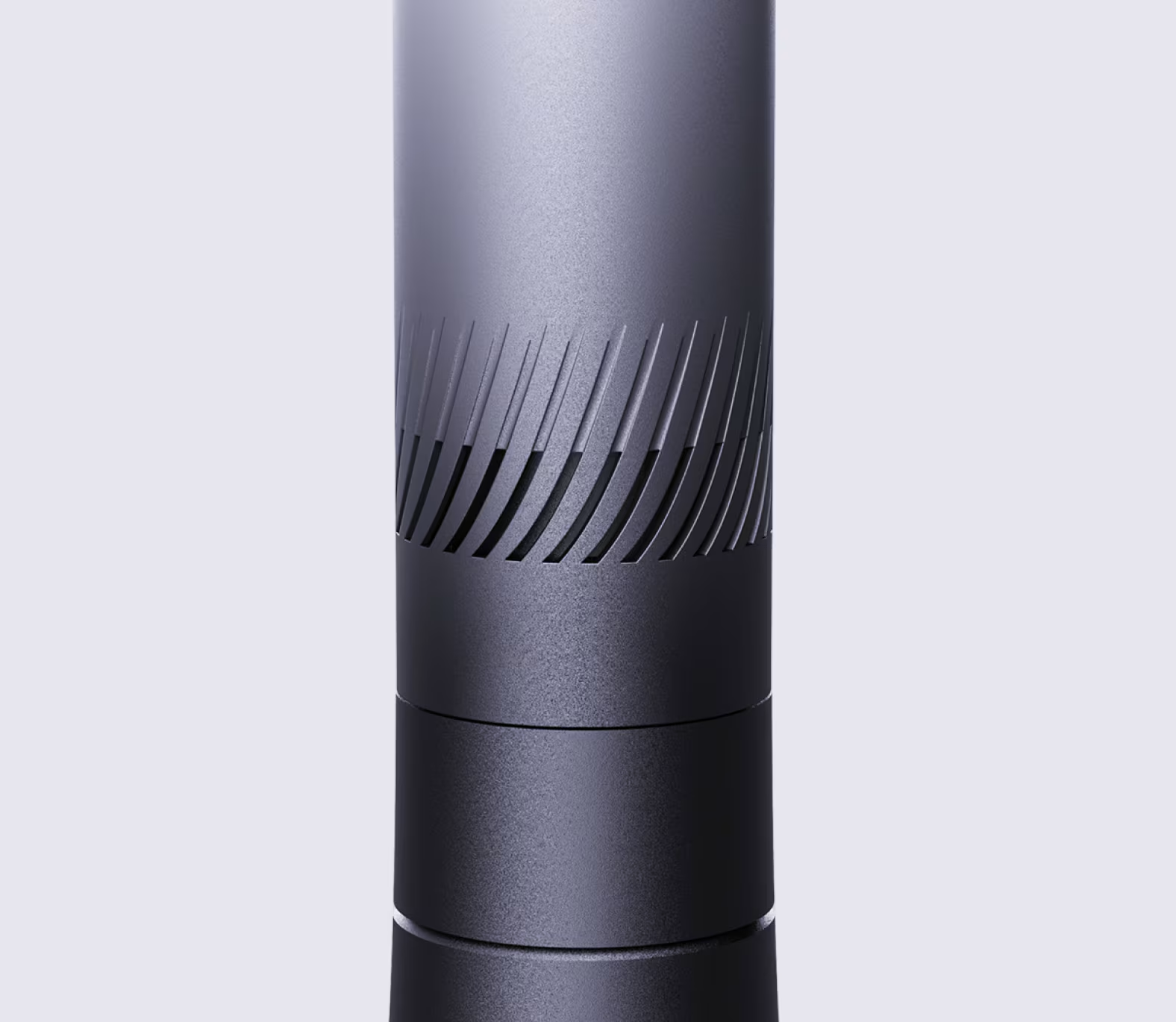
The electric heating system at the core of the Zook hookah needed careful engineering. Traditional hookahs rely on charcoal heat that is inconsistent, hard to control and produces combustion byproducts. The electric system had to deliver consistent, precise heat to the bowl without combustion, while keeping the draw resistance and vapor quality hookah users expect.
The team worked through multiple CAD iterations, modeling the internal geometry to optimize airflow paths, heat distribution and component placement. Design for manufacturing (DFM) thinking was applied from the start, not bolted on at the end. Products designed beautifully but without manufacturing in mind create expensive problems downstream.
Functional prototypes were built to test heating performance, the draw experience and structural integrity. Each iteration surfaced something new: a seal that needed redesigning, a heat path that needed adjusting, a component interface too complex for reliable assembly. This is the real work of product development. Not the renders. The prototypes.
Phase 4: Design for Manufacturing
Getting a product to the factory floor takes a different kind of thinking than getting it to look good on screen. DFM is the process of refining a design so it can be produced consistently, at volume, within cost targets and without quality issues.
For Zook, that meant reviewing every component for producibility. Which parts could be injection molded? Which needed die casting? Where were the tolerances that would cause fit issues at scale? How would the product be assembled on a line, and in what sequence?
Vendor selection, tooling decisions and packaging all feed into this phase. Founders often treat manufacturing as a problem to solve later. It never is. The decisions made during DFM decide whether your product ships on time, on budget and without the quality failures that can damage a brand at launch. Our guide on how to manufacture your product idea covers this stage in depth.
Learn more about DFM & Manufacturing Readiness.
Key features
Product Path™
How it came together
Zook contains every challenge that makes building a hardware product hard.
What this project teaches about building a product.
It needed cultural sensitivity alongside engineering rigor, a product that was new but instantly recognizable, and a design a factory could actually make. Five lessons carry over to any first product.
Start with a problem, not a product. Kritunga’s brief wasn’t “design an electric hookah”. It was a problem: replace the coal in a traditional hookah with electricity. A clear problem statement made every later decision easier to judge.
Keep what people love, remove what they put up with. People love the ritual and the shared experience of a hookah. They put up with charcoal, ash and constant refills. Zook kept the first and designed out the second.
Prototype the riskiest part first. Heat delivery and the draw were the unknowns that could sink the product, so functional prototypes tested them before the form was polished. Each iteration answered a question CAD could not.
Design for the factory from the first CAD model. Part splits, materials and assembly sequence were considered from the start, so manufacturing became a refinement rather than a redesign.
A good process lowers risk. It doesn’t guarantee a launch. Zook didn’t reach the market. A launch also depends on things outside the product, such as funding, timing and the business around it. What a disciplined process does is make sure that, when those line up, the product itself isn’t the reason it fails.
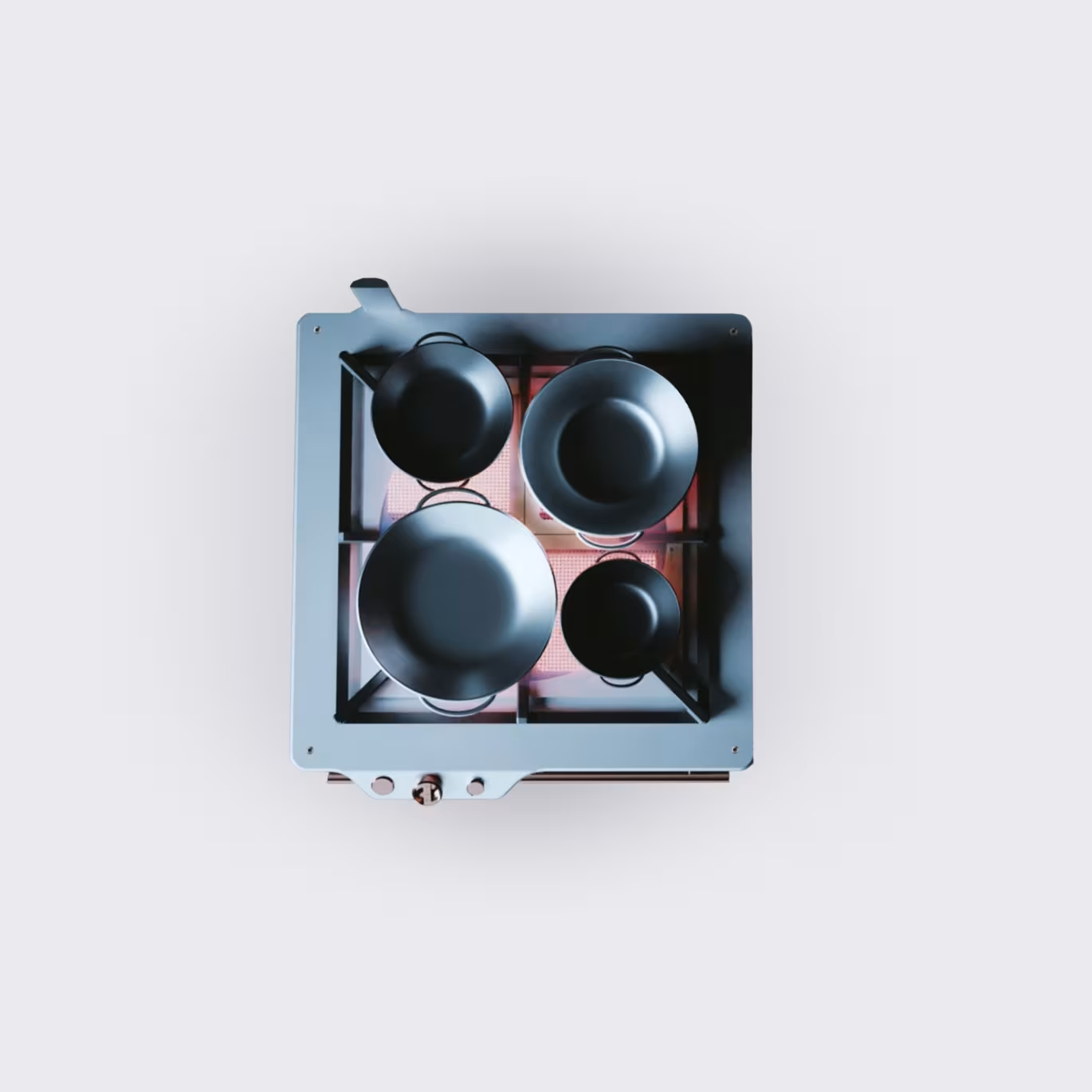
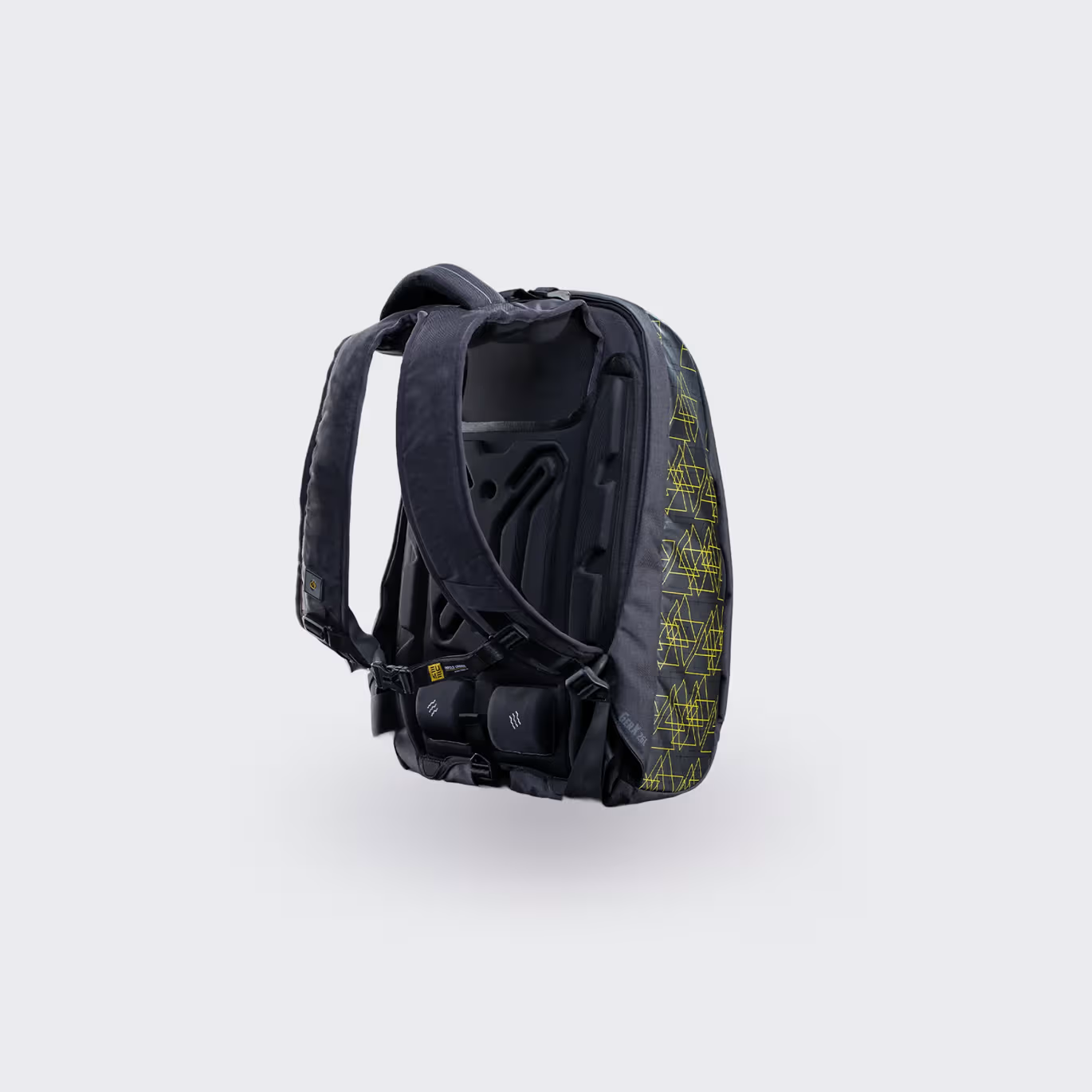
Zook sits in Analogy’s portfolio alongside other products that had never been built before, including the world’s first flameless commercial stove for Agnisumukh and the world’s first massage backpack for EUME.
Read more: The steps of a successful product development process.
Ananth Mandra
Managing Partner, Kritunga Restaurants
“We started with a very strong problem statement. My focus was to figure out how to replace traditional heating methods of coal with electricity and there was no better team that understood the prototyping and iterative design and engineering rigour that our project needed. We weren't able to successfully launch but the process and methodology as well as the knowledge of the team is top notch.”

Read more here
Zook is a first-of-its-kind electric hookah designed by Analogy Design over 9 months in 2021 for the Dubai market. It replaces charcoal with a precise electric heating element, keeps the familiar silhouette and social ritual of the hookah, and was developed through concept strategy, form and CMF, engineering, functional prototyping and design for manufacturing.
What made the Zook hookah different?
Zook replaced the traditional charcoal heating system with a precise electric heating element. That removed combustion, improved consistency and created a cleaner, more controllable experience, while keeping the social ritual that makes hookah culture what it is.
How long did the Zook project take?
Zook took 9 months in 2021, from the first concept sketches to production-ready files. Timelines for projects like this depend on product complexity, the number of prototype iterations and manufacturing lead times.
What is CMF in industrial design?
CMF stands for color, material and finish. It defines how a product’s surfaces look and feel, from the plastics and metals used to the textures, coatings and color palette. CMF decisions shape how a product is perceived and how much it costs to produce.
What is design for manufacturing (DFM)?
DFM is the process of refining a product design so it can be produced consistently, at volume and within cost targets. It covers part geometry, material selection, tooling, tolerances and assembly sequence.
Why is prototyping important in industrial design?
Prototyping turns design intent into something physical and surfaces problems that CAD models and renders cannot. Each iteration answers specific questions about performance, fit, usability and manufacturability.
How does Analogy approach projects like this for founders?
Analogy uses its Product Path™ framework to guide founders through concept strategy, industrial design, engineering, prototyping, DFM and launch support, reducing risk at every stage before money is committed to tooling.