In the fast-paced world of startups, innovation is not just a buzzword; it's a necessity for survival and success. As entrepreneurs strive to bring their visions to life, the significance of good design cannot be overstated. Industrial design consultancies, firms, or companies play a pivotal role in shaping the success of startups by providing expertise, creativity, and efficiency in product development. In this blog, we'll explore why startups should consult industrial design firms and how doing so can propel them towards growth and success.
Hardware startups win faster with a industrial design studio. Concept design services, DFM expertise, and prototype testing build products investors actually fund. Analogy Design brings all three together, giving founders the engineering design rigour, manufacturing-ready thinking, and validated prototypes that take a hardware startup from concept to market with confidence.
1. Design Excellence: A Cornerstone of Startup Triumph
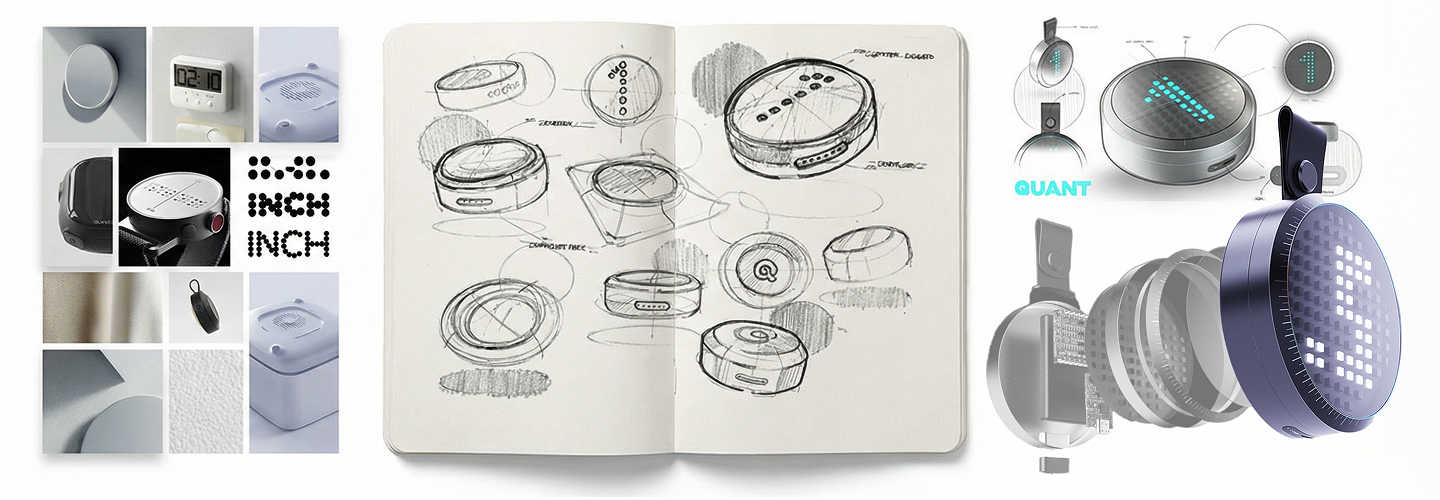
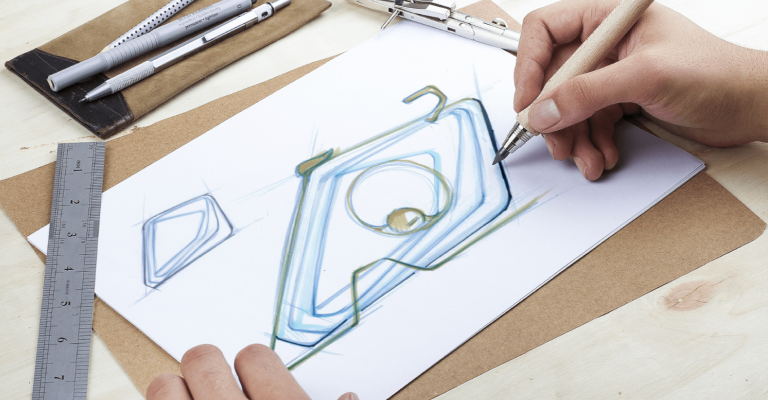
The studios that consistently deliver design excellence share one habit: they begin with concept sketching in product design before touching any engineering tool. Each sketch explores proportion, form, and use-case fit, giving the founding team a visual language to align around before any capital gets committed. This early ideation phase surfaces assumptions that would otherwise survive unchallenged all the way into a costly prototype revision. Founders who trust this process arrive at engineering with a design direction that has already been stress-tested by trained critical eyes. A product design studio brings visual thinkers who can sketch, challenge, and iterate within a single working session. That front-loaded clarity pays dividends all the way from tooling to the moment the product lands on a shelf.
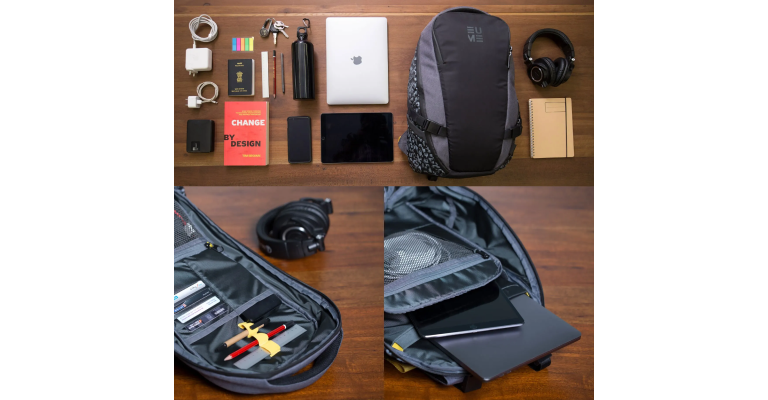
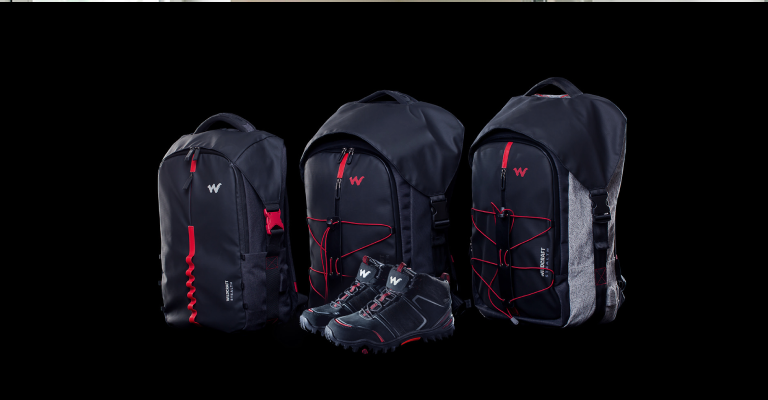
In today's competitive market, startups need to differentiate themselves through innovative and user-centric products, such as Eume's Massager Backpack. Good design is not just about aesthetics; it's about functionality, usability, and user experience. Industrial design firms specialize in understanding user needs, market trends, and technological advancements to create products that resonate with consumers and drive success.
For startups, achieving design excellence is paramount to gaining a competitive edge and capturing the attention of consumers. With the help of industrial design firms, startups can translate their ideas into tangible, market-ready products that not only meet but exceed user expectations. By prioritizing design excellence from the outset, startups can lay a strong foundation for long-term success and sustainable growth.
Product design agency partners know that design excellence also means designing for the person using the product every single day. Human factors design, the study of how people physically and cognitively interact with objects, sits at the heart of every great industrial product. Poor ergonomics quietly destroys brand loyalty, generates return rates that hurt margins, and produces reviews that erode hard-won consumer trust at launch. Working with a concept design studio means having experts who model grip, reach, and force requirements before a single prototype enters production. Concept design services at Analogy are structured to embed human factors thinking from day one, building it as a core design discipline rather than a refinement phase added late in the cycle. That discipline is what separates products people reach for again from products people return once.
2. Crafting Success: The Vitality of Industrial Design for Physical Product Startups
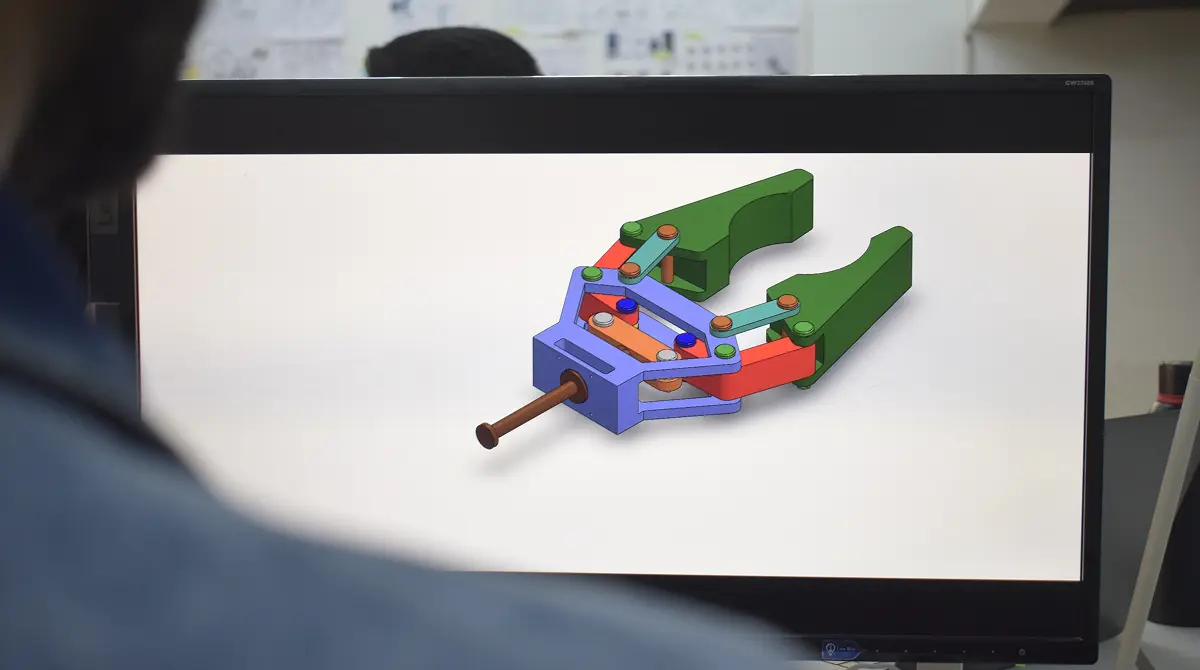
For startups focused on physical products, industrial design is a cornerstone of success. From concept ideation to prototyping and manufacturing, industrial designers play a crucial role in every stage of the product development process. Their expertise in materials, manufacturing processes, and ergonomics ensures that products are not only visually appealing but also functional, durable, and cost-effective.
Startups venturing into the realm of physical products must recognize the pivotal role that industrial design plays in crafting successful products. By partnering with industrial design firms, startups can leverage their expertise and experience to navigate the complexities of product development effectively. From refining product concepts to optimizing manufacturing processes, industrial design firms provide startups with the guidance and support needed to bring their ideas to life and achieve market success.
Every physical product startup eventually faces the same hard question: how do you build something that can be manufactured reliably, at a price that still leaves room for healthy margins? The hardware product development process is deceptively complex, with decisions made during the design phase carrying cost implications that ripple all the way to the factory floor. Understanding this journey requires expertise across materials, tolerances, supply chain logistics, and assembly sequencing, areas where most first-time founders carry significant gaps. Industrial design firms bridge those gaps by pairing industrial designers with mechanical engineers who understand production realities from the inside.
The result is a product designed to be beautiful and buildable, two qualities that founders frequently discover are in tension when they approach manufacturers without design support. Physical product startups that engage studio support early consistently unlock better unit economics at scale.
The relationship between design and manufacturing is one of the most undervalued levers in the startup playbook. Design for manufacturability is a discipline that evaluates every design decision against production constraints, and the studios that apply it rigorously protect their startup clients from some of the most painful surprises in the hardware journey. A product designed with DFM principles goes into tooling with fewer revisions, tighter timelines, and far more predictable costs. Industrial design firms that carry genuine manufacturing knowledge bring this lens to every component, every joint, and every material choice. For hardware startups working with tight runways, that discipline can mean the difference between a clean first production run and a tooling bill that derails the launch.
Keep the DFM checklist close during this phase and you will catch the decisions that matter most before they become expensive.
3. Design Impact: Elevating Valuation and Investor Appeal for Startups
Investors are increasingly recognizing the importance of design in evaluating startup opportunities. Well-designed products not only attract customers but also investors, leading to higher valuations and increased funding opportunities. By consulting industrial design firms, startups can demonstrate their commitment to quality and innovation, enhancing their appeal to potential investors and stakeholders.
In today's competitive investment landscape, startups must go beyond traditional metrics and demonstrate their potential for market disruption and innovation. Industrial design firms play a crucial role in helping startups articulate their value proposition and differentiate themselves from competitors. By integrating design thinking into their product development strategies, startups can enhance their investor appeal and position themselves for long-term success and growth.
Investors have grown more sophisticated about what good design signals. A product that looks polished, functions intuitively, and arrives with clear manufacturing and go-to-market documentation tells a specific story: this team has thought it through. Working with an industrial design consultancy communicates that rigor to investors before a single term sheet conversation begins. McKinsey's landmark research found that design-led companies delivered shareholder returns twice as high as industry peers over a ten-year measurement period. That data point alone changes how investors evaluate hardware startups that lead with professional design credentials. Founders who understand what investors want from hardware startup funding know that a concept-to-prototype journey with a reputable studio is among the strongest signals you can send into a room full of skeptical capital allocators.
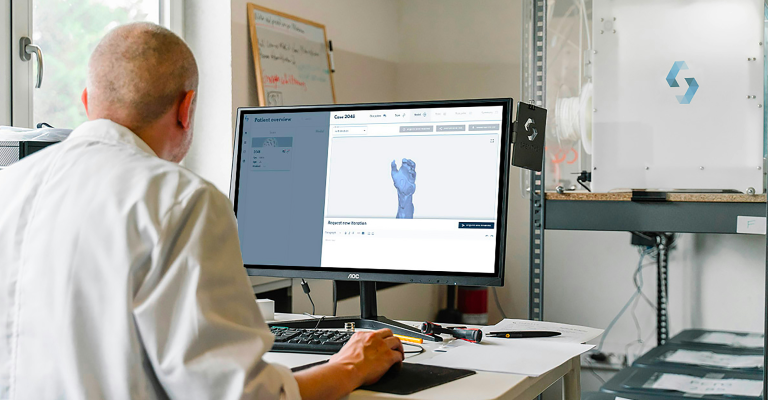
Valuation in hardware startups rarely emerges from the idea alone. The execution story, how far you have taken the concept, what prototypes exist, and how the product performs in user testing, matters enormously to investors doing due diligence. An industrial design firm gives you that execution story at every stage, turning rough ideas into rendered concepts, rendered concepts into testable prototypes, and testable prototypes into investor-ready products. The visual assets alone, the renders, the exploded views, the comparative form studies, become powerful pitch collateral that communicates competence before a word is spoken.
Hardware founders who validate their hardware product idea with studio support arrive at fundraising conversations armed with evidence rather than enthusiasm. Evidence, historically, raises more money.
4. Cost Efficiency: The Prudent Choice of Outsourcing to Industrial Design Experts
Building and maintaining an in-house design team can be prohibitively expensive for startups. The costs associated with hiring, onboarding, training, and retaining top talent, as well as investing in software and equipment, can quickly add up. By outsourcing to industrial design consultancies, startups can access world-class talent and expertise without the overhead costs.
In today's dynamic business environment, startups must prioritize cost efficiency and resource optimization to remain competitive and agile. Outsourcing design work to industrial design firms offers startups a cost-effective solution to their product development needs. By leveraging the expertise of external design professionals, startups can minimize overhead costs, streamline operations, and allocate resources more effectively to core business activities.
The true cost of building an in-house design team becomes visible only once you start adding up all the invisible line items. Software licences for CAD, rendering, and simulation tools cost tens of thousands of rupees annually per designer. Training junior industrial designers to work at a level that handles manufacturing tolerances and regulatory compliance takes months and often years of supervised project experience.
Senior designers with hardware and mechanical design expertise command compensation that few early-stage startups can justify before Series A. A concept design studio or product design agency gives you that entire capability pool, eliminating recruitment overhead, onboarding curves, and the carrying cost of a full-time team during slow quarters. For startups working with runway measured in months, outsourcing to a studio is a strategic decision and a practical capital management discipline all at once.
Outsourcing design to a studio also gives startups something that cash alone rarely buys: institutional knowledge accumulated across hundreds of hardware projects. An experienced product design studio has already learned which surface finishes photograph well but scratch poorly in real use, which connector standards create downstream serviceability problems, and which battery configurations trigger regulatory friction in export markets. Those lessons live in the studio and transfer to every client engagement from day one.
A first-time founder trying to build that knowledge base independently could spend years and several failed product generations getting there. The smarter path is to inherit that accumulated expertise immediately by partnering with a studio that has already paid the tuition. That transfer of institutional memory is one of the most underappreciated values of the studio engagement model.
5. Agile Solutions: How Industrial Design Consultancies Accelerate Startup Growth
Time-to-market is critical for startups looking to gain a competitive edge. Industrial design consultancies are equipped to move quickly, leveraging their expertise, resources, and streamlined processes to accelerate product development cycles. By outsourcing design work, startups can expedite the time from concept to launch, seizing opportunities and staying ahead of the competition.
In today's rapidly evolving market landscape, startups must be agile and responsive to changing customer needs and market dynamics. Industrial design consultancies offer startups the agility and flexibility needed to adapt quickly and capitalize on emerging opportunities. By partnering with external design experts, startups can expedite the product development process, minimize time-to-market, and maintain a competitive edge in the marketplace.
Speed in product development is a multiplier for every other advantage a startup holds. When a prototype and MVP development partner already knows the design language, component library, and user requirements of your product, iteration cycles compress dramatically. Studio teams working across multiple live projects simultaneously maintain a sharp operational tempo that solo founders or small internal teams consistently struggle to match. Each sprint moves a concept measurably closer to a market-ready product, and the compounding effect of those faster cycles is significant over a six to twelve month development window. Founders frequently describe the acceleration as one of the most immediately felt benefits of studio engagement. Time saved in development is time earned in market, and in startups, market time is the resource that converts directly into revenue.
Agility in industrial design also means absorbing pivots when user feedback or market data demands a direction change. A concept design studio structured for rapid iteration can take a direction change, run new ideation sessions, and return revised design directions within days rather than weeks. This responsiveness is a genuine competitive advantage when a startup is racing a competitor to market or reacting to a retail buyer's specification change in real time.
Launch support services from a studio extend that agility right through to packaging, retail display systems, and launch visual assets, compressing the go-to-market timeline even further in the critical final stretch. Startups that treat their studio as a long-term collaborator rather than a project vendor gain a team that understands their product deeply enough to move at startup speed and startup stakes.
6. Versatile Expertise: Leveraging the Diverse Experience of Industrial Design Firms
Industrial design firms work with a diverse range of clients and industries, gaining invaluable experience and insights along the way. This breadth of experience enables them to bring fresh perspectives and innovative solutions to every project, regardless of the industry or product category. Startups can benefit from this cross-pollination of ideas and expertise, leading to more creative and successful products.
Cross-industry experience is a capability that silently compounds the quality of every product a studio touches. A team that has solved ergonomics challenges for outdoor gear brings that intuition to a smart wellness wearable. A studio that has navigated food-grade compliance for kitchen appliances carries that compliance knowledge into a baby product project. This breadth means that when a startup brings a genuinely new product category to the table, the studio already holds half the mental model, assembled from adjacent work across other verticals. The depth of that applied knowledge base is something a founder could spend a decade accumulating independently. Engaging a studio early means inheriting that expertise from the very first briefing session.
The most valuable cross-pollination often arrives in unexpected forms. A hardware startup building a diagnostic device benefits from a studio that has worked on consumer electronics, because the interaction design principles overlap in striking ways. A founder developing outdoor equipment gains from material science knowledge the studio gathered during an industrial equipment project in a completely different category. This transfer of pattern recognition across industries is one reason why industrial design services from a generalist studio consistently outperform narrowly specialized teams on genuinely novel briefs. The broader the studio's portfolio, the richer the perspective it brings to your product challenge. Versatility, practised at scale, is one of the most underrated forms of design intelligence available to a hardware startup.
7. Unleashing Innovation: Disruptive Potential through Industrial Design Companies
Disruption is the name of the game in today's startup landscape. Industrial design companies are uniquely positioned to create disruptive and revolutionary products that challenge the status quo and redefine industries. By tapping into their creativity, vision, and expertise, startups can break free from convention and create products that capture the imagination of consumers and change the world.
Innovation is the lifeblood of startups, driving growth, and differentiation in an increasingly competitive market. Industrial design companies play a pivotal role in helping startups unleash their innovative potential and transform bold ideas into market-ready products. By fostering a culture of innovation and collaboration, startups can leverage the expertise of industrial design companies to push the boundaries of creativity and create products that disrupt markets and redefine industries.
Disruption rarely happens by accident. It emerges from a structured process where constraints are examined, assumptions are challenged, and solutions are pursued with both creative daring and engineering discipline. Industrial design companies that operate at the frontier of their field maintain active awareness of material science breakthroughs, manufacturing advances, and behavioral shifts among target users. That awareness feeds directly into ideation sessions, producing concept directions that feel ahead of their time because they are grounded in where technology is actually heading. Startups that plug into this forward-looking mindset through a studio partnership gain a competitive intelligence advantage that few internal teams can replicate independently. The products that define new categories are almost always the result of structured, informed creative bravado applied systematically.
There is a particular moment in every breakthrough product's journey where the concept becomes real enough to see, hold, and believe in. Industrial design companies orchestrate that moment deliberately, using renders, physical prototypes, and structured user testing to transform an abstract startup idea into something visceral and fundable.
Innovation is a discipline, and partnering with a studio means immediately accessing practitioners who have spent years mastering it.
8. Legacy of Success: A Testament to Collaboration with Design Partners
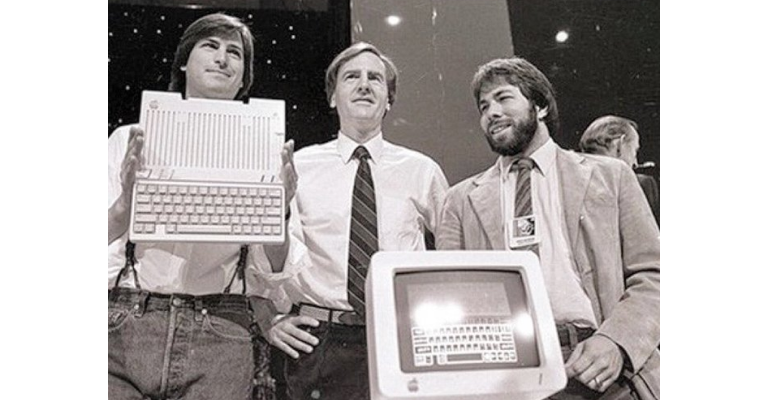
History is replete with examples of successful products that emerged from collaborations between startups and industrial design firms. One such example is Apple's iconic "Snow White" design language, which was developed in partnership with Frog Design. This partnership resulted in groundbreaking products like the original Macintosh, establishing Apple as a design-driven company and setting new standards for innovation in the tech industry.
The success of startups often hinges on their ability to collaborate effectively with external partners and leverage their expertise to drive innovation and growth. Industrial design firms bring a wealth of experience and insights to the table, enabling startups to create products that resonate with consumers and disrupt markets. By fostering a culture of collaboration and innovation, startups can unlock new opportunities, drive market success, and leave a lasting legacy of innovation and impact.
The stories behind the world's most iconic products reveal a consistent pattern: the breakthrough came when a founder's vision met a designer's craft at exactly the right moment. Paul Graham, writing on the nature of startup ideas that actually work, has long argued that the best ideas look obvious in retrospect precisely because they required a specific combination of insight and execution that others lacked. Industrial design partnerships give startups that execution layer in a way that hiring alone rarely can. A studio arrives with processes, tools, and trained intuition built across hundreds of projects, already systematized into a workflow that can be deployed immediately.
What takes an internal team years to develop, a studio has already institutionalized. That is the quiet superpower behind every celebrated startup-studio collaboration in hardware history.
The legacy of design-driven hardware companies is a roadmap worth studying carefully. Apple's partnership with Frog Design, Dyson's early commitment to iterative industrial design, and the product breakthroughs emerging from fast-growing Indian hardware startups all point to the same underlying truth: design partnerships compound over time. The longer a startup and studio work together, the more fluent the communication becomes, the faster concepts evolve, and the stronger the resulting products.
Analogy's portfolio of hardware product work illustrates exactly this compounding, with early collaborations informing the tools, frameworks, and manufacturing insights used on every subsequent project. Finding your studio partner early is, historically, one of the most leverage-rich decisions a hardware founder makes.
The Hidden Cost of Skipping Concept Design Services
Founders who treat concept design as an optional phase often discover its value the expensive way. The concept design stage is where fundamental decisions about form, function, user flow, and feature prioritization get made, and weak decisions here ripple through every phase that follows. A thin concept forces costly redesigns during prototyping, creates misalignment between the product and its target user, and produces a product story that fails to land with investors or buyers when it matters most. Working with a concept design studio ensures every concept direction is stress-tested against user needs, manufacturing feasibility, and market positioning before a single component gets specified. The concept phase is the cheapest time to explore a hundred directions and the most expensive stage to rush through. Every hour invested here saves a multiple of hours and rupees downstream.
Here is what the concept design phase typically produces when handled by a capable studio partner:
- A set of refined design directions grounded in user research and market analysis
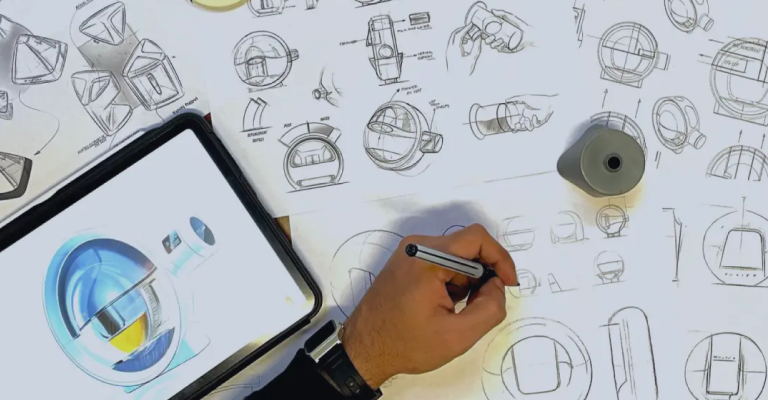
- Detailed concept sketches and visual explorations across multiple product families
- Preliminary feasibility assessments against material, manufacturing, and cost targets
- A clear product definition document that guides engineering and manufacturing decisions
- Investor-ready renders and design rationale decks that communicate the vision compellingly
- Early risk flags around regulatory, ergonomic, or production constraints identified before tooling begins
Each of these outputs has direct value downstream. Investors use the renders. Engineers use the definition document. Manufacturing partners use the feasibility assessments. The concept design phase, executed through a capable studio, produces assets that work across every function of the startup simultaneously rather than serving a single team.
The concept design process also performs a function that founders rarely anticipate: it kills weak directions quickly and cheaply, before they consume serious resources. Real concept validation surfaces assumptions that would otherwise survive unchallenged all the way to a failed product launch. A rigorous concept design process involves expert critique, rapid visual iteration, and structured evaluation against the product brief, giving every direction a fair but demanding audition. The concepts that survive this process arrive at the prototype phase with far greater confidence behind them. For a hardware startup, that confidence is worth more than any shortcut the concept phase might seem to offer in the short term.
Your Idea Has a Shelf Life, Validate It Fast
Hardware startup ideas have a biological clock. Every month a concept remains unvalidated is a month during which a competitor can bring a similar idea to market, a market shift can reduce the opportunity window, or investor appetite for the category can cool. The urgency is real, and the solution is a structured concept validation process carried out by experienced designers who know how to move fast without cutting corners. A concept design studio specializing in hardware product development can compress what might take a solo founder six months into a focused six-week sprint. Speed of validation, combined with the quality of evidence it produces, determines whether a startup claims a category before the window narrows.
Running through these checkpoints with studio support produces a validation dossier that can anchor an investor pitch, a crowdfunding campaign, or a retail buyer conversation. The hardware product development journey starts with these answers, and the startups that get them fastest build the most durable businesses on the strongest foundations.