Learn how to choose a concept design studio and understand concept design services, their cost, process, and real examples that turn ideas into real products. We will dive into the concept design process and explore how concept design studios shape early product direction through research, sketching, and validation. Strong concept design reduces risk, improves clarity, and accelerates new product development.
What Are Concept Design Services?
Concept design services focus on shaping an early idea into a clear product direction that teams can build around. This stage blends creativity, research, and strategy to define how a product looks, works, and fits into the market. Concept design creates alignment between business goals, user needs, and technical feasibility. Many successful products begin with a strong concept design foundation that guides every decision ahead.
These services usually include a mix of discovery, ideation, and visualization activities. A concept design studio studies users, competitors, and trends before exploring multiple product directions. Teams then narrow ideas into a few strong concepts that feel realistic and valuable. This clarity saves time, improves confidence, and supports smarter investment decisions.
Key outcomes from concept design services often include
• Clear product vision and positioning
• Early visual direction through sketches or renders
• Alignment between stakeholders and teams
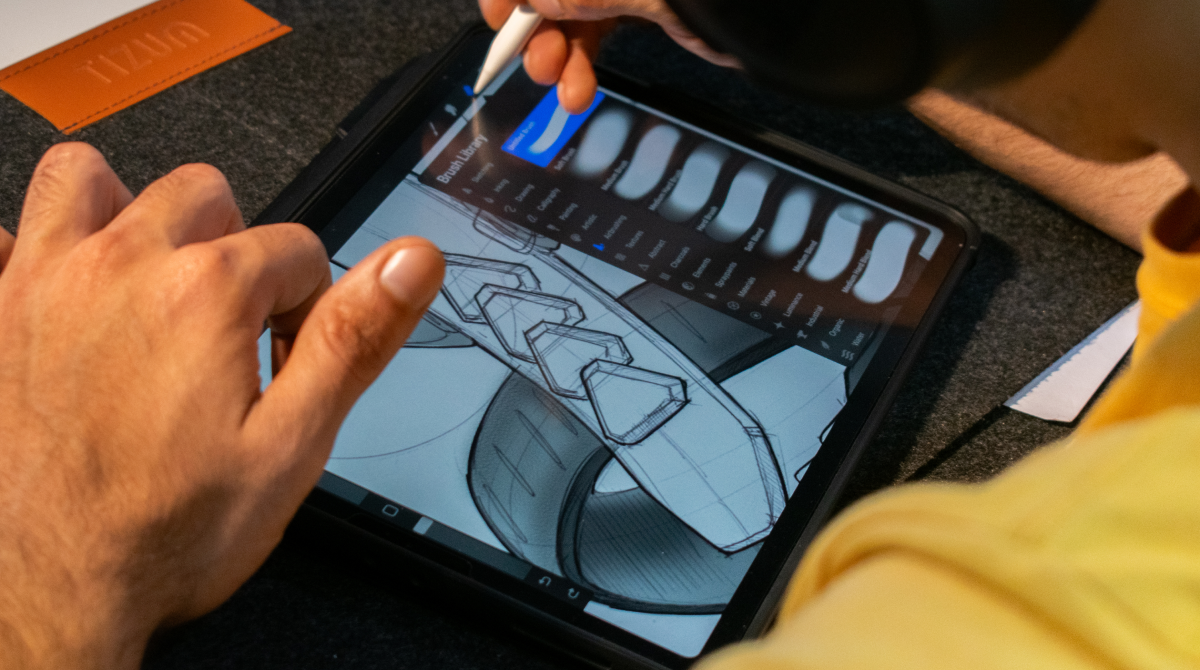
Concept Design Helps Turn Ideas Into Successful Products
Concept design acts as the bridge between imagination and execution. An early idea often feels abstract, emotional, or loosely defined. Concept design transforms that idea into something tangible through research, structure, and visual thinking. This process helps teams see the product as users would experience it. Designers explore multiple interpretations of the same idea and test assumptions through sketches and scenarios.
Each iteration brings the idea closer to a viable product concept. Teams gain clarity on form, function, and user value before moving forward. This approach reduces confusion and supports faster progress during development. Here are 3 ideas that turned into a real successful product with the help of concept design:
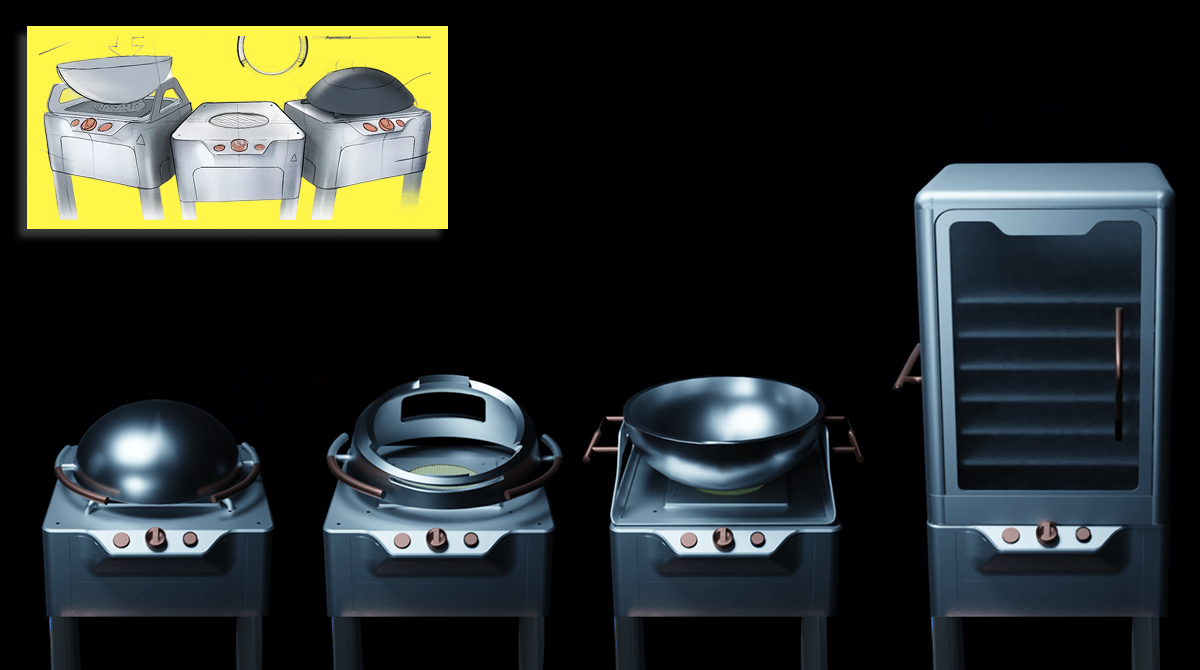
1) Kitchen Stove For Agnisumukh - Analogy Design restructured the entire product architecture using a modular design approach supported by CAD engineering and 3D-modeling. Six standardised building blocks were developed to replace dozens of overlapping SKUs, enabling multiple configurations using shared tooling. This dramatically reduced inventory load, simplified manufacturing, and improved long-term scalability.
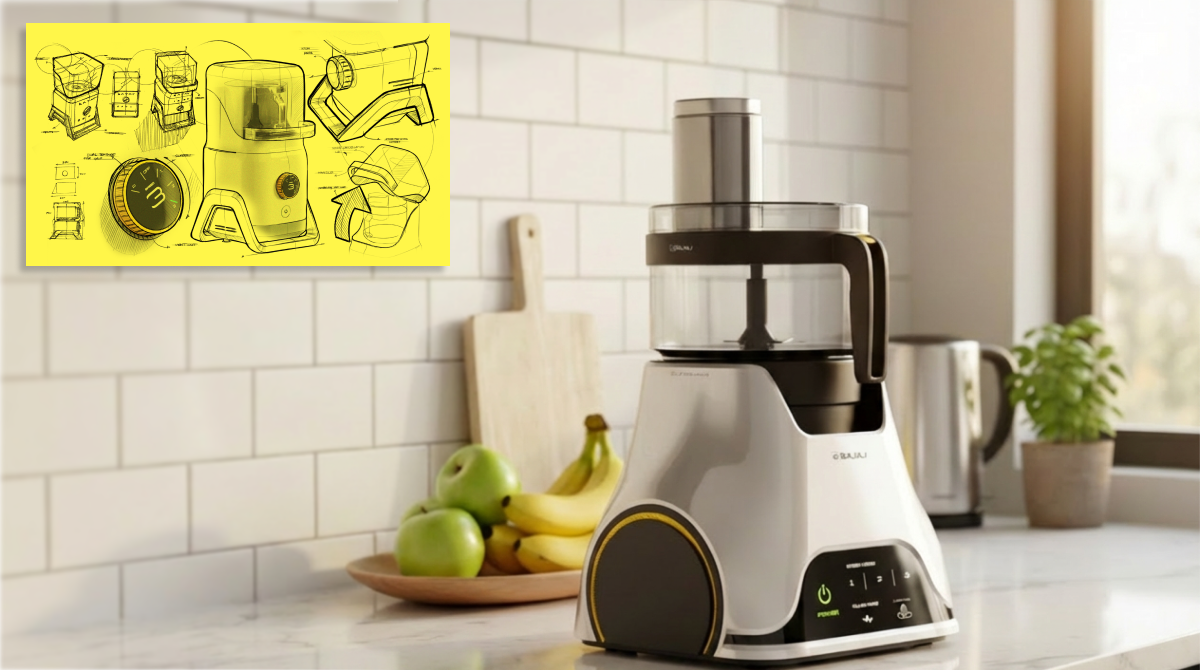
2) Smart Kitchen Appliances - The team focused on form factor optimisation, component architecture, and material strategy to support scalable manufacturing. Technical decisions were guided by ergonomics, heat resistance, durability, and compatibility with mass production processes. Analogy Design, founded by its design-led team, has been developing kitchen products and appliances across multiple categories since 2017.
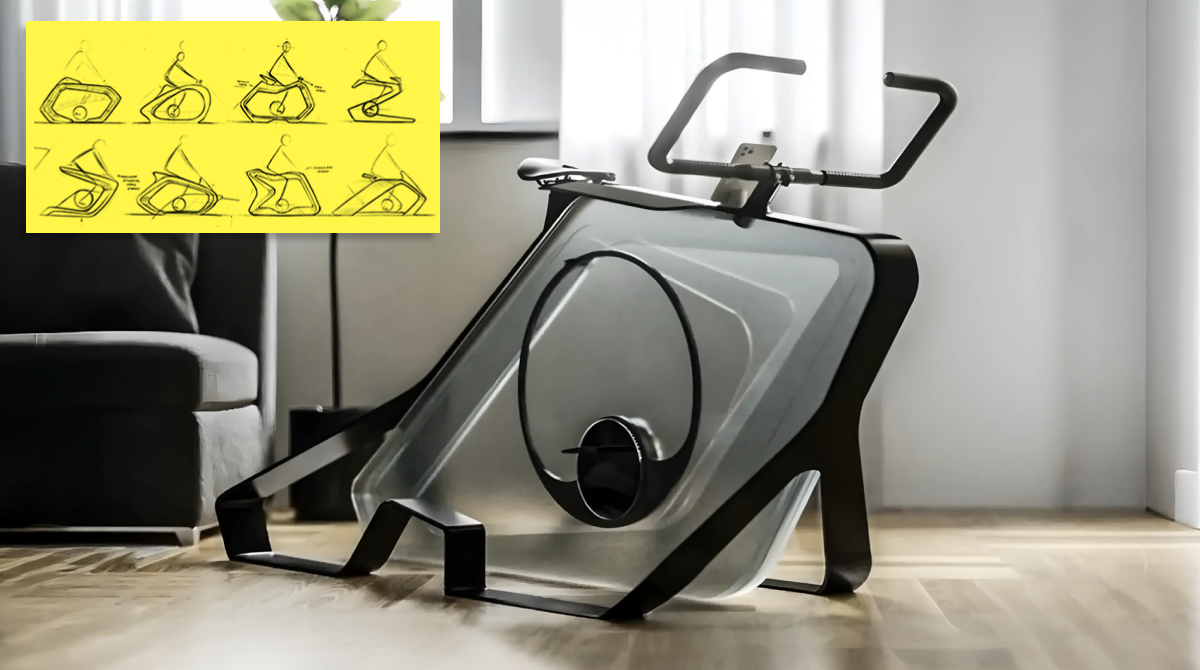
3) Exercise Bike - It uses real-time feedback from heart rate and speed sensors to adjust workout intensity dynamically. The mobile app guides users with personalized training regimes, virtual challenges, and peer comparison features, keeping each session motivating and effective. This combination of IoT technology, UX design, and industrial engineering ensures every ride is both engaging and results-driven.
5 Step Guide On Concept Design For New Products
Step 1: Discovery And Insight Building
Concept design starts with gaining a deep understanding of users, markets, and business intent. Teams study user behavior, pain points, and expectations through research and observation. This step helps define the problem clearly and frames the opportunity space. Strong insights create direction and purpose for the entire concept design journey.
Step 2: Ideation And Concept Exploration
This step focuses on generating a wide range of product ideas. Designers explore multiple approaches using brainstorming, visual thinking, and early concept sketching. Each idea represents a possible solution to the defined problem. Exploring many directions increases the chance of discovering a strong and meaningful concept.
Step 3: Concept Sketching And Visualization
Selected ideas move forward through detailed sketching and visualization. Designers refine form, interaction, and overall character using sketches and concept renders. These visuals help teams understand how the product may look and feel in real use. Clear visualization supports alignment across design, engineering, and business teams.
Step 4: Concept Evaluation And Refinement
Concepts get reviewed against user needs, feasibility, and product goals. Feedback from stakeholders shapes improvements and sharpens the concept direction. Designers iterate on form, features, and usability to strengthen the idea. Each refinement cycle adds clarity and confidence to the concept design outcome.
Step 5: Concept Finalization And Handoff
The final step prepares the concept for prototype and development stages. Designers document the approved concept through visuals, usage scenarios, and design intent. This material guides prototype design services and engineering design teams. A well finalized concept design supports smooth transition into product development and manufacturing planning.
Learn more about the Product Path™ roadmap.
Concept Sketching And Visualization
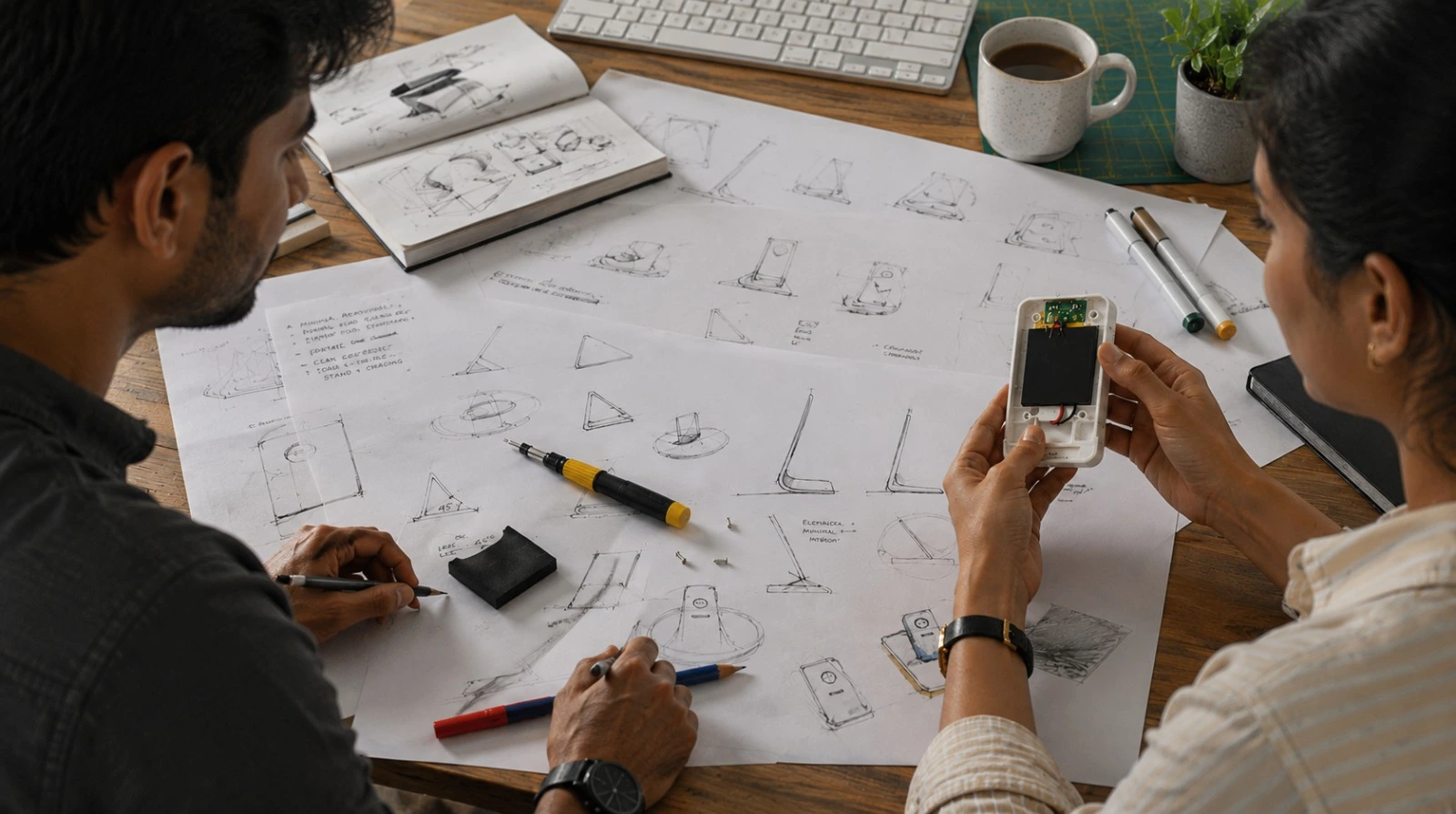
Concept sketching and visualization gives shape to thoughts long before detailed design begins. Simple sketches help teams explore proportions, usability, and overall character without heavy technical effort. These early visuals encourage discussion and fast decision making. Many strong concept design outcomes start with quick hand sketches or digital drawings. Visualization goes beyond sketches and adds clarity through refined drawings, 3D views, and concept renders. These visuals communicate intent clearly to founders, engineers, and investors. Concept visualization also helps evaluate emotional appeal and perceived value. A clear visual story strengthens confidence in the product direction.
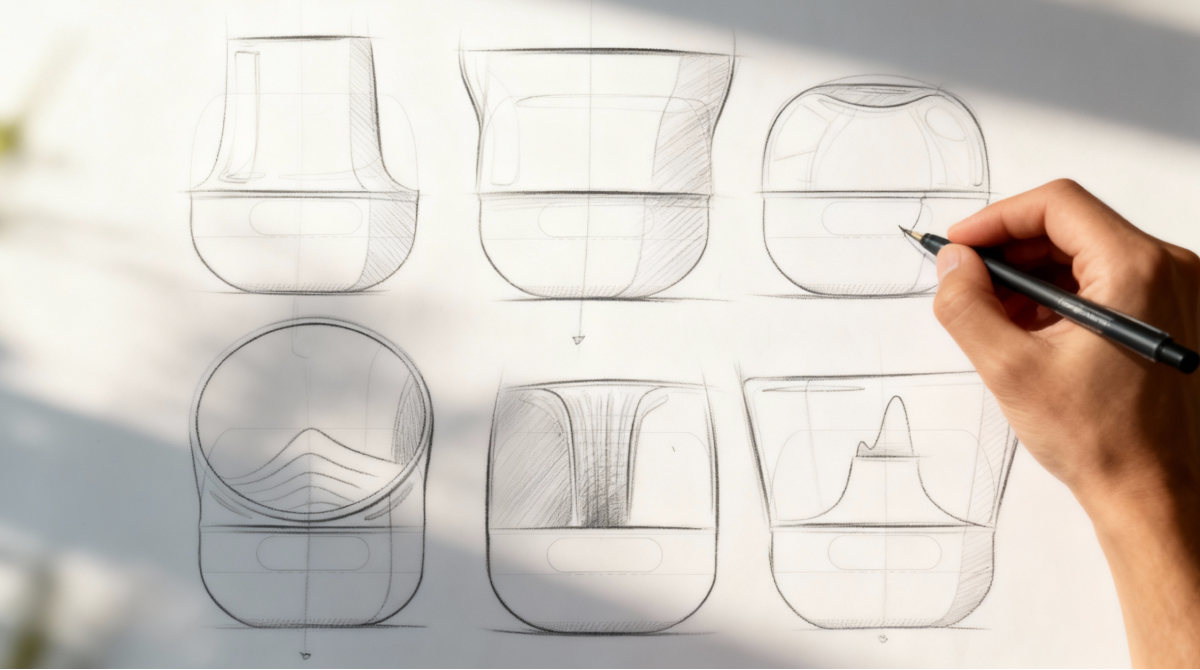
Concept sketching gives shape to thoughts long before detailed design begins. Simple sketches help teams explore proportions, usability, and overall character without heavy technical effort. These early visuals encourage discussion and fast decision making. Many strong concept design outcomes start with quick hand sketches or digital drawings.
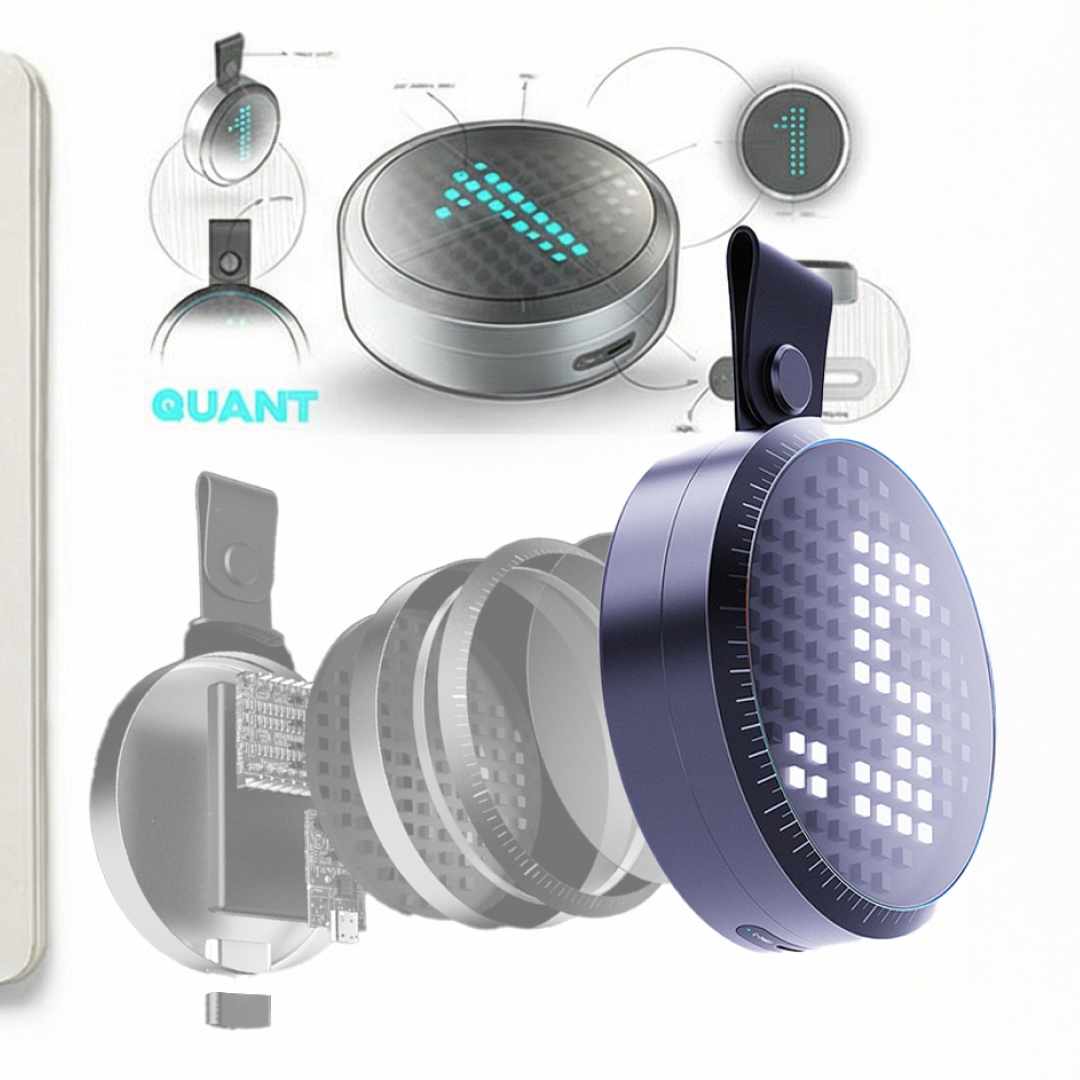
Visualization goes beyond sketches and adds clarity through refined drawings, 3D views, and concept renders. These visuals communicate intent clearly to founders, engineers, and investors. Concept visualization also helps evaluate emotional appeal and perceived value. A clear visual story strengthens confidence in the product direction.
10 Amazing Tools Used During Concept Sketching
- Paper And Pen
Used for fast hand sketches that capture raw ideas, proportions, and form exploration during early concept design. - Wacom Drawing Tablets
Supports digital concept sketching with pressure sensitivity for expressive lines and quick visual iterations. - Apple iPad With Procreate
Helps designers create refined digital sketches, overlays, and concept visuals with speed and flexibility. - Adobe Photoshop
Used for concept sketch refinement, shading, and visual storytelling during concept design development. - Adobe Illustrator
Ideal for clean concept sketches, line work, and vector based product visualization. - Blender
Used for early 3D concept rendering to explore product volume, proportions, and basic form. - KeyShot
Helps create quick concept renders with realistic materials and lighting for presentations. - Miro
Supports collaborative concept sketching, idea mapping, and visual brainstorming with teams. - Pinterest
Used for collecting reference imagery, inspiration, and visual direction during concept exploration. - Figma
Helps organize concept visuals, annotations, and presentation layouts for clear communication.
Concept Design Services Cost: Pricing, Packages, And ROI
Concept design services cost depends on scope, complexity, and level of exploration involved. Some projects focus on a single concept direction, while others explore multiple ideas in depth. Pricing also reflects research effort, visualization quality, and concept validation depth. Clear deliverables help teams understand value early.
Studios often offer flexible pricing models tailored to startups or established companies. Fixed packages suit defined goals, while custom engagements support deeper innovation work. Investment in concept design often delivers strong returns by improving clarity and reducing wasted development effort. A well defined concept design phase supports smarter decisions later. Here’s a detailed overview:
Pricing: How Concept Design Cost Shapes Project Outcomes
Concept design pricing often indicates how deeply a team explores the product idea. When more time and expertise go into research, ideation, and concept sketching, the outcomes feel clearer and more confident. Pricing also affects how many directions get explored and how refined the visual outputs become. A well considered investment helps teams make stronger decisions early and move forward with alignment.
Packages: How Concept Design Service Models Create Clarity
Concept design packages bring structure to what can otherwise feel like an open ended process. Fixed packages work well when goals feel clear, such as concept validation or early investor presentations. Custom packages support products that need deeper thinking, exploration, and iteration. Clear service models help teams plan timelines, understand deliverables, and stay focused throughout the concept design phase.
ROI: How Concept Design Delivers Long Term Business Value
The value of concept design shows up over time through clarity and confidence. A strong concept guides product decisions and supports smoother collaboration with engineering and manufacturing teams. Clear visual direction also strengthens communication with investors and partners. Over the long run, concept design helps teams build products with stronger focus and better market alignment.
The Role Of Concept Design In Product Decision Making
Concept design plays a central role in guiding early product decisions with clarity and confidence. At this stage, teams evaluate ideas based on user value, feasibility, and business relevance. Visual concepts make abstract discussions more concrete and easier to assess. This clarity supports faster alignment across leadership, design, and engineering teams.
Decision making becomes stronger when concept design presents multiple directions side by side. Designers use sketches, scenarios, and visual narratives to compare options objectively. Each concept highlights tradeoffs related to cost, usability, and differentiation. This structured comparison helps teams select a direction that supports long term product goals.
6 Step Procedure To Make A Decision With The Help Of Concept Design
Step 1: Understand The User And Market Context
Concept design begins with learning about users, their needs, and the market environment. Research, observations, and insights shape a clear understanding of the opportunity. This context gives decision makers a strong foundation. Decisions feel grounded and purposeful from the start.
Step 2: Define The Product Goal Clearly
A clear product goal brings focus to the concept design process. Teams align around what the product aims to achieve for users and the business. This shared direction guides every design discussion. Clear goals support confident evaluation later.
Step 3: Explore Multiple Concept Directions
Designers develop several concept options through sketching and visualization. Each direction represents a different way to approach the same problem. Seeing alternatives side by side supports balanced comparison. Choice becomes easier through visual clarity.
Step 4: Visualize User Interaction And Experience
Concept design illustrates how users engage with each idea. Scenarios, usage flows, and visual narratives reveal strengths and opportunities. Decision makers assess usability and value at this stage. User centered insight strengthens selection.
Step 5: Review Feasibility And Strategic Fit
Teams evaluate concepts against timelines, resources, and long term strategy. Concept visuals simplify discussions with engineering and leadership teams. Alignment grows naturally across functions. Decisions feel realistic and achievable.
Step 6: Select And Validate The Final Concept
The strongest concept gains approval based on clarity, value, and alignment. Documentation and visuals prepare the team for prototyping and development. Confidence increases through shared understanding. Concept design thus supports decisive and informed progress.
Link the concept design vs detailed design blog here below
Concept Design Vs Detailed Design: Key Differences Explained
Concept design and detailed design serve different purposes within the product development journey. Concept design focuses on exploring ideas, defining direction, and shaping the overall product vision. This stage emphasizes creativity, user value, and strategic alignment. Decisions made here influence every step that follows.
Detailed design begins once a concept gains approval and clarity. This phase focuses on precision, specifications, and readiness for engineering and manufacturing. Designers work on dimensions, materials, tolerances, and component integration. Detailed design translates vision into build ready documentation.
Why Concept Design Comes Before Design For Manufacturing (DFM)
Concept design sets the foundation that design for manufacturing builds upon. At this stage, teams define product intent, user experience, and overall architecture. Clear concept direction helps manufacturers understand what the product aims to achieve. This clarity supports smoother technical decisions later.
Design for manufacturing focuses on efficiency, cost control, and production readiness. Concept design provides the vision that guides these manufacturing choices. When form, function, and usage scenarios stay clear early, manufacturing teams work with stronger alignment. This sequence improves collaboration across design and engineering.
Here’s a complete guide for DFM, it covers all you need to know about DFM.
Placing concept design before DFM supports
• Strong product architecture and layout decisions
• Better material and process selection later
• Clear communication between design and manufacturing teams
A well developed concept design stage leads to confident manufacturing planning and scalable production outcomes.
Concept Design Studio Vs Agency Vs Freelancer: What To Choose
Choosing the right partner for concept design influences how confidently a product moves forward. Freelancers often support focused tasks such as concept sketching or quick visualization. This option works well for early exploration or limited scope needs. Decision making and strategy usually remain with the internal team.
A concept design studio brings deeper focus, structure, and continuity to early product thinking. Studios follow a clear concept design process that connects research, ideation, and visualization. Teams benefit from consistent quality, strong design leadership, and experience across product categories. This approach suits founders and companies seeking clarity before engineering and manufacturing.
Design agencies offer a more comprehensive and scalable approach to concept design. Agencies combine strategy, design thinking, and cross functional expertise under one roof. This structure supports complex products that require alignment between product vision, business goals, and future development. Agencies also provide continuity beyond concept design, supporting prototyping, engineering, and launch planning.
Agencies stand out for teams that value
• Strategic depth alongside creative execution
• Structured decision making and stakeholder alignment
• Long term partnership across product development stages
Choosing an agency for concept design creates a strong foundation for scalable and well aligned product development.
What Happens After Concept Design: From Concept To Prototype
Once concept design reaches approval, the product vision moves into a more tangible phase. The finalized concept becomes a reference point for every technical and creative decision that follows. Designers and engineers align around form, function, and user experience intent. This shared understanding creates a smooth transition into prototyping.
Prototype planning begins with defining what the prototype needs to validate. Some prototypes focus on form and ergonomics, while others test functionality or user interaction. Teams select materials, processes, and build methods based on these goals. Each choice supports learning and refinement.
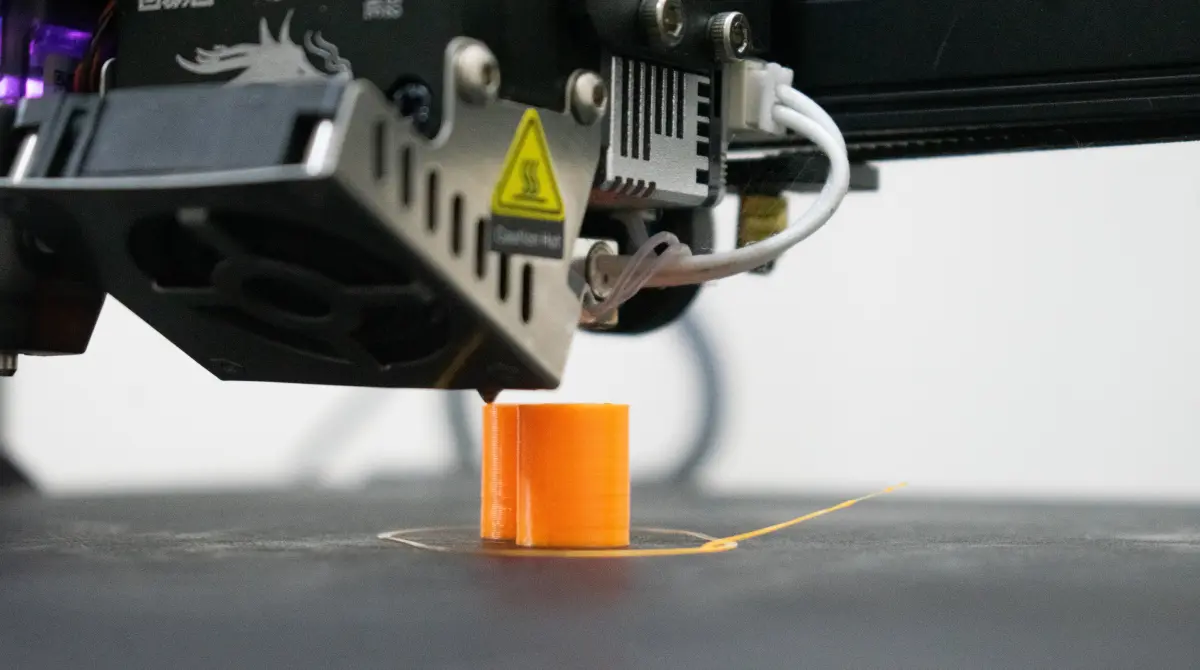
Prototyping brings the concept into the physical world. Early prototypes allow teams to test size, comfort, usability, and overall feel. Observations from hands-on testing lead to design improvements and adjustments. This iterative process strengthens confidence in the product direction.
As prototypes mature, feedback becomes more detailed and actionable. Engineering teams evaluate performance and feasibility, while designers refine details and interactions. Stakeholders gain clarity through real world demonstrations. Alignment across teams grows naturally.
Analogy builds prototypes through a structured and hands on approach that connects concept design with real world testing. Each prototype begins with a clear design intent, defined use cases, and specific learning goals. The team combines industrial design, engineering insight, and material knowledge to choose the right prototyping method, whether it involves appearance models, functional prototypes, or pre production builds. Rapid iteration allows ideas to evolve quickly based on usability feedback and technical insights. This process helps founders and product teams experience the product early, validate assumptions, and move forward with confidence toward manufacturing.
The Future Of Concept Design
How He Built a Global Design Studio in Bangalore | Ep. #22 ft. Analogy
The future of concept design moves toward deeper integration of strategy, technology, and human insight. Concept design plays a larger role in shaping product direction before any engineering effort begins. Teams rely on concept design to align business goals, user expectations, and innovation vision early. This shift positions concept design as a strategic driver rather than a creative step. Technology continues to expand how designers explore and communicate ideas. Advanced visualization tools support rapid concept sketching, real time iteration, and immersive experiences. Virtual reality and augmented reality allow teams to experience scale, interaction, and context early. These capabilities improve understanding and strengthen decision making.
User involvement grows more active in the concept design phase. Feedback cycles become faster through digital testing and visual storytelling. Designers integrate insights continuously rather than waiting for later validation. This approach strengthens relevance and user connection. Sustainability shapes future concept design thinking. Designers consider material impact, lifecycle, and long term use from the earliest sketches. Concept design supports responsible innovation by guiding smarter product choices. This perspective adds value beyond aesthetics.
Collaboration defines the next phase of concept design. Cross functional teams work closely across design, engineering, and business roles. Shared tools and visual frameworks support alignment and clarity. The future of concept design centers on purposeful creativity, informed decisions, and meaningful outcomes.
Sources And Citations
1. Interaction Design Foundation
Research based articles on concept design, product strategy, and user driven design processes.
2. Autodesk Design And Manufacturing Insights
Industry perspectives on concept design, prototyping, and design for manufacturing.
3. Harvard Business Review Product Innovation Articles
Thought leadership on innovation, product strategy, and early stage decision frameworks.
4. Nielsen Norman Group
Evidence based research on usability, user experience, and design decision making.
About The Author

Vyasateja Rao – Chief Advisor, Analogy
Vyasateja Rao is a multi-award-winning product designer with over two decades of experience, and the visionary founder of Analogy, a Bangalore-based industrial and interaction design studio. He specializes in crafting memorable and innovative experiences for both physical and digital products. After earning a Masters in Industrial Design from North Carolina State University in 2007, Vyasateja worked across the United States, Hong Kong, China, Korea, Taiwan, Singapore, and India, collaborating with Fortune 500 companies and leading design studios. His studio has received international recognition, including the Red Dot, IBDC, Singapore Design Award, and multiple patents for product innovation. Vyasateja has designed for global clients such as Panasonic, Unilever, Amazon, Marvel, and Cellairis, blending creativity with manufacturability to create breakthrough products. Beyond design, he mentors aspiring designers, teaching the importance of contrast, surprise, and hidden artifacts in creating compelling experiences.