Every founder remembers the night the idea arrived. A napkin sketch, a voice note, a prototype built from cardboard and hope. That spark feels unstoppable, and it should feel that way, because it is the reason anything gets built at all. But turning that spark into a product people actually buy and trust is where consumer product design steps in, and where most first time founders realize the gap between an idea and a shippable product is wider than they imagined.
This guide is written for founders standing at that exact gap. You have the vision. You have the drive. You are probably running on adrenaline and a spreadsheet of savings that keeps shrinking. What you need now is clarity on how consumer product design actually works, what it costs, how long it takes, and how to choose partners who will protect your dream instead of draining it. We built this resource the way we build products at Analogy Design, with research, empathy and a bias toward things that actually work.
By the end of this piece, you will understand consumer product design from history to execution, across twelve real process steps and nine major product categories. You will also see how design thinking, human centered design and user centered design connect to build products people fall in love with. Consumer product design guide for hardware startups. Learn the process, timeline, cost and how to pick the right agency. Let us begin with the fundamentals.
What Is Consumer Product Design?
Consumer product design is the discipline of shaping physical products for everyday people, blending aesthetics, function, engineering and manufacturing feasibility into a single coherent object. Consumer product design covers everything from the curve of a kettle handle to the weight distribution of a wearable device, and it decides whether a product feels effortless or frustrating the moment someone picks it up. Founders often confuse consumer product design with simply making something look nice. It goes deeper than that.
Good consumer product design considers how a product is held, how it ages, how it ships, how it gets repaired, and how it makes someone feel proud to own it. It sits at the intersection of psychology, materials science, manufacturing economics and pure creative instinct, and when done well, it becomes invisible because the product simply feels right. For a first time founder, understanding consumer product design early saves months of rework later.
The History Behind Every Product You Love
Consumer product design has roots that stretch back to the industrial revolution, when mass production first made it possible to manufacture identical objects at scale. Designers like Christopher Dresser, often called the first industrial designer, began asking how form could serve function for ordinary households rather than only the wealthy. His work in the late 1800s planted the seed for an entire profession.
The twentieth century accelerated everything. Raymond Loewy, sometimes called the father of American industrial design, reshaped everything from locomotives to the Coca Cola bottle, proving that good design could directly drive sales. Dieter Rams followed with his ten principles of good design at Braun, principles that quietly influence nearly every consumer electronics product made today, including the ones sitting on your desk right now.
Design thinking as a formal methodology emerged later, popularized by IDEO and Stanford d.school in the late twentieth century, giving structure to what great designers had always done intuitively. This history matters for founders because it shows that consumer product design is not a trend. It is a discipline built over more than a century, refined by people who understood that products succeed when they respect the human holding them. You can read more about design history from the Smithsonian Cooper Hewitt Design Museum.
Product Design vs Product Development vs Product Engineering
First time founders hear these three terms used interchangeably and it creates real confusion during hiring and budgeting. Product design focuses on form, user experience and how the product looks, feels and interacts with a person. Product development is the broader umbrella that covers the entire journey from idea to market, including business strategy, timelines and go to market planning. Product engineering handles the technical execution, meaning the mechanical, electrical and structural systems that make the product actually function and survive real world use.
Think of it this way. Product design decides how a smart water bottle should feel in your hand and how its display communicates hydration goals. Product engineering decides how the sensor, battery and circuit board fit inside that same bottle without overheating or breaking during a drop. Product development sits above both, managing the roadmap, budget and market timing that bring the whole effort together.
| Focus Area | Product Design | Product Development | Product Engineering |
|---|---|---|---|
| Primary Focus | Form, look, feel and user experience | End to end journey from idea to market | Technical execution and functionality |
| Core Question | How should this feel to hold and use | How does this idea become a real business | How does this actually work and hold up |
| Key Deliverables | Sketches, CAD surfacing, renders, form models | Roadmap, timeline, budget, go to market plan | Mechanical, electrical and structural systems |
| Team Involved | Industrial designers, UX researchers | Founders, PMs, designers and engineers together | Mechanical, electrical and manufacturing engineers |
| Stage in Process | Concept, ideation, form development | Spans the entire journey, start to launch | Prototyping through design for manufacturing |
| Success Metric | Product feels intuitive and desirable | Product ships on time and within budget | Product functions reliably at scale |
Founders who understand this distinction hire smarter. You might need an industrial designer early for concept work, then bring in engineers for design for manufacturing later, all within one product development roadmap. Agencies like ours combine all three under one roof precisely because founders rarely have the bandwidth to coordinate three separate vendors. See our industrial design services for how this integration works in practice.
What Is Human Centered Consumer Product Design?
Human centered design places the person, their emotions, limitations and daily context, at the absolute center of every decision. It asks questions before it asks for sketches. How does a new mother actually hold a baby monitor at three in the morning. How does an elderly user with arthritis grip a kitchen tool. These questions shape the product long before a single rendering exists.
This approach matters enormously for consumer products because the stakes of getting it wrong are personal. A poorly designed medical device does not just underperform, it can genuinely hurt someone or erode trust permanently. Human centered consumer product design reduces that risk by building empathy directly into the research and prototyping phases, rather than treating user feedback as an afterthought.
For founders building anything from wearables to home appliances, human centered design becomes the compass that keeps the entire team aligned. It transforms abstract specifications into real stories about real people, and those stories tend to produce better decisions than any spreadsheet ever could. Our founder Vyasateja Rao often reminds teams that a product succeeds the moment someone stops noticing it is designed at all, because it simply works the way their hands and habits expect.
What Is User Centered Product Design?
User centered product design is closely related to human centered design but narrows its focus specifically to the person actively using the product, their goals, workflows and frustrations during interaction. Where human centered design looks at the whole human context, user centered design zooms into the moment of use itself, mapping every tap, twist and touchpoint.
This distinction matters for consumer electronics and connected devices especially. A smart home hub might be designed with beautiful human centered empathy for a busy family, but user centered design ensures the actual app flow, button placement and setup process do not create friction during daily use. Both approaches work together, one shaping the big picture and the other refining the granular experience.
User centered product design typically involves usability testing, task analysis and interaction mapping, tools that reveal exactly where users hesitate, misclick or abandon a product setup. Founders who invest in this stage early tend to see far fewer product returns and support tickets after launch, because friction gets caught on a prototype instead of in a customer review.
What Is Design Thinking in Consumer Product Design?
Design thinking is a structured, iterative methodology built around five stages, empathize, define, ideate, prototype and test. It gives consumer product design teams a repeatable framework instead of relying purely on creative instinct, which matters enormously when you are spending investor money on physical tooling and molds.
The empathize stage involves deep user research, interviews and observation to understand real pain points rather than assumed ones. The define stage synthesizes that research into a clear problem statement. Ideation opens up creative possibilities without judgment, prototyping brings the strongest ideas into tangible form, and testing validates whether the solution actually solves the original problem. Each stage feeds back into the others, because design thinking is never a straight line.
For a first time founder, design thinking protects against the most expensive mistake in hardware, building the wrong thing beautifully. It forces validation before commitment, catching flawed assumptions on paper or in foam models rather than in an injection mold that costs tens of thousands of dollars to correct. Stanford's d.school offers excellent public resources on this methodology if you want to study it further, available through their official site.
Consumer Product Design Process
Every successful consumer product, from a Shark Tank breakout to a category defining appliance, moves through a recognizable process. The specifics vary by studio, but the underlying logic stays remarkably consistent because physics, manufacturing and human behavior do not change based on who is designing for them. Below is the twelve step process we walk founders through at Analogy Design, refined across 250 plus shipped products.
Step 1: Consumer and Market Research
Every strong product begins with rigorous research into the market landscape, competitor offerings and cultural context surrounding the problem you want to solve. This stage involves analyzing existing solutions, identifying gaps and understanding pricing dynamics across your target category. Skipping this step is the single most common mistake first time founders make, usually because they are so convinced of their idea that research feels redundant.
Good market research combines quantitative data, market size, growth rate, competitor pricing, with qualitative insight gathered from real conversations with potential customers. It should answer whether your target audience already has a workaround for this problem, and if so, why that workaround persists despite its flaws. Understanding those flaws often reveals your actual product opportunity.
This research phase typically takes two to four weeks and should never be rushed, because every subsequent decision inherits the accuracy or inaccuracy of this foundation. Founders who invest properly here tend to raise funding more successfully too, since investors respond strongly to evidence based market understanding rather than pure enthusiasm.
Step 2: Identifying User Needs and Pain Points
Once market context is clear, the focus narrows to the specific humans who will use your product daily. This involves interviews, surveys, contextual inquiry and sometimes simply sitting in someone's kitchen or gym bag to observe how they currently solve the problem you intend to fix. Pain points discovered here become the backbone of your entire design brief. This stage often surprises founders because the pain points customers describe rarely match the founder's original assumptions. A founder building a smart fitness tracker might assume users care most about calorie tracking, only to discover through interviews that battery anxiety and charging friction are the actual daily frustration driving dissatisfaction with competitor products. These insights reshape priorities immediately.
Documenting these pain points clearly, ideally ranked by frequency and emotional intensity, gives your design team a north star for every decision that follows. Without this clarity, teams tend to design for imagined users rather than real ones, and that gap becomes painfully visible after launch when reviews start rolling in.
Step 3: Defining the Product Opportunity
With research and pain points documented, the team synthesizes everything into a clear, specific product opportunity statement. This is not a vague mission like making home cooking better. It is a precise articulation like helping busy parents cook nutritious meals in under twenty minutes without extra cleanup, backed by the research that justifies it. A well defined product opportunity acts as a filter for every idea that follows. When concepts get generated later, this statement determines which ones deserve development and which ones, however clever, fall outside scope.
Founders who skip this step often end up with feature creep, where the product tries to solve five problems adequately instead of one problem brilliantly.
This stage typically produces a formal design brief, a document that aligns founders, designers and engineers around shared goals, constraints and success metrics before a single sketch gets drawn. Treat this brief as a living document you return to throughout the entire consumer product design process, especially when scope questions arise later.
Step 4: Product Ideation and Concept Development
Ideation opens the floodgates. This is where design teams generate dozens, sometimes hundreds, of potential concepts addressing the defined opportunity, ranging from conservative refinements of existing solutions to genuinely unconventional approaches. Quantity matters here because breakthrough ideas rarely arrive first, they tend to emerge after the obvious solutions get exhausted. Techniques like brainstorming, mind mapping, analogous inspiration from unrelated industries and rapid sketching all fuel this stage.
A team designing a new kettle might study aerospace insulation, medical device grips or even luggage hinges for inspiration that has nothing directly to do with kitchenware but solves an analogous engineering problem elegantly. Concepts then get filtered against feasibility, desirability and viability criteria, the same three lenses design thinking has used since IDEO popularized the framework.
Only concepts that satisfy all three move forward into visualization, ensuring the team invests further time only in ideas with genuine potential to become real, sellable products.
Step 5: Sketching and Visualizing Product Concepts
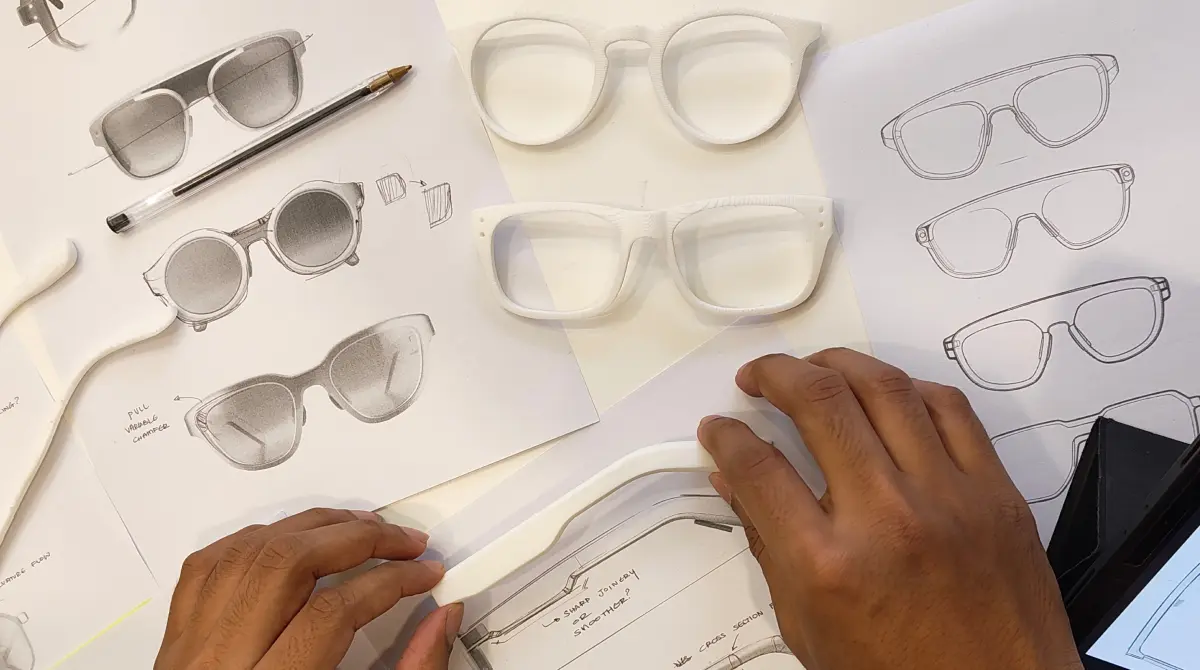
Sketching translates abstract ideas into visible form, fast and cheap enough to explore many directions before committing resources to anything permanent. Hand sketches, digital renders and quick mockups all serve this purpose, and skilled industrial designers can communicate an entire product concept, form, proportion, material intent, in a handful of confident lines. This stage matters because sketches make abstract concepts debatable. It is far easier for a founder to say this feels too clinical or this needs to feel warmer when looking at three sketched directions than when discussing hypothetical concepts verbally.
Visual communication accelerates decision making enormously during this phase. Founders should expect multiple rounds of sketches here, often narrowing from ten or more directions down to two or three refined concepts worth developing further. This iterative narrowing protects budget by ensuring only the strongest visual directions proceed into more expensive three dimensional development.
Step 6: Industrial Design and Product Form Development
Industrial design takes the strongest sketched concepts and develops them into refined product forms, considering ergonomics, brand language, manufacturing constraints and material behavior simultaneously. This is where ideas start feeling like real products rather than illustrations, and where the emotional character of your product truly takes shape. Form development involves countless small decisions, the radius of an edge, the texture of a surface, the way two components meet visually. Each choice communicates something to the eventual user, whether that is premium quality, playful energy or trustworthy simplicity. Great industrial design makes these decisions intentionally rather than accidentally.
This stage often involves physical foam or clay models alongside digital work, because certain qualities, weight, grip, proportion in the hand, simply cannot be evaluated on a screen. Founders should expect to physically hold early form studies during this phase, and that moment often becomes one of the most exciting milestones in the entire consumer product design journey.
Browse our product design work to see finished examples of this process in action.
Step 7: 3D Modeling and CAD Design
Computer aided design, commonly called CAD, translates refined forms into precise digital models with exact dimensions, tolerances and component relationships. This is where surface aesthetics meet engineering reality, since every wall thickness, screw boss and assembly interface must now be defined with millimeter level accuracy. CAD modeling requires close collaboration between industrial designers and mechanical engineers, because a beautiful surface that cannot actually be molded or assembled affordably is not a usable design. Software like SolidWorks, Fusion 360 or Rhino allows teams to test fit, simulate stress and prepare files that eventually feed directly into manufacturing tooling.
This stage produces the actual files that will later become injection molds, sheet metal dies or 3D printed parts, making accuracy absolutely critical. Errors caught here cost hours to fix. Errors missed here and discovered during tooling can cost tens of thousands of dollars and months of delay, which is exactly why experienced CAD engineers are worth every rupee of their fee.
Step 8: Prototyping and Proof of Concept
Prototyping brings the digital model into physical form, using 3D printing, CNC machining or other rapid fabrication methods to create tangible objects you can hold, test and show to real users. Prototypes range from rough functional mockups to near production quality models depending on what question each iteration needs to answer. This stage matters enormously for first time founders because it is your final, most affordable opportunity to catch problems before committing to expensive tooling. A prototype might reveal that a button is positioned awkwardly, that a lid does not seal properly, or that the overall product feels heavier than expected. Every issue found now saves money later.
Founders should budget for multiple prototype rounds rather than expecting perfection on the first attempt. Even category leading products typically go through five to ten prototype iterations before reaching production readiness. Treat this iterative process as investment protection rather than delay, because rushing past it is how expensive manufacturing mistakes happen.
Step 9: User Testing and Design Validation
With working prototypes in hand, real users interact with your product while the team observes closely, gathering feedback on usability, comfort, comprehension and emotional response. This validation stage confirms whether the design decisions made throughout the process actually solve the problem identified back in step two. User testing should happen with people who genuinely match your target customer profile, not just friends and family who will offer polite encouragement. Structured testing protocols, task based scenarios, and honest observation of confusion or hesitation reveal insights that direct questions rarely surface, since people often cannot articulate friction they experience intuitively.
Findings from this stage frequently send teams back to earlier steps for refinement, and that is not a failure, it is the process working exactly as intended. Founders who resist this iteration out of fear of delay often ship products with avoidable flaws that become expensive, embarrassing lessons learned through customer complaints instead of controlled testing.
Step 10: Engineering and Design for Manufacturing
Design for manufacturing, often called DFM, ensures your validated design can actually be produced at scale, affordably and consistently. This involves optimizing part geometry, selecting appropriate materials, planning assembly sequences and working closely with manufacturers to align design intent with production capability. This stage often introduces necessary compromises. A beautifully organic curve might need slight adjustment to work with standard injection molding processes. A material chosen for aesthetic reasons might need substitution once cost per unit calculations come back from suppliers. Skilled engineers navigate these tradeoffs while protecting as much of the original design intent as possible.
Getting this stage right prevents catastrophic surprises during production, delayed timelines, ballooning costs, or worse, defective units reaching customers. Founders should view engineering and DFM not as a creative compromise but as the bridge that makes their vision economically real and repeatable at scale.
Our DFM guide covers this stage in far more technical depth if you want to go deeper.
Step 11: Production and Manufacturing
Production begins once tooling, whether injection molds, stamping dies or PCB assembly lines, is finalized and validated through initial pilot runs. This stage involves quality control protocols, supplier coordination and logistics planning to ensure consistent output that matches your validated prototype in every meaningful way. First time founders often underestimate how much active management production requires. Factory floor issues, material lot variations and shipping delays are common, and founders need either in house expertise or a trusted manufacturing partner managing these details closely. This is precisely why many founders choose agencies offering integrated design through manufacturing support rather than juggling separate vendors.
Pilot runs, typically producing anywhere from fifty to a few hundred units, allow teams to catch production issues before committing to full scale runs of thousands of units. This staged approach protects capital and reputation simultaneously, giving founders confidence before the biggest financial commitment of the entire journey.
Step 12: Product Launch and Continuous Improvement
Launch is not the finish line, it is the beginning of a new feedback loop. Real customer usage at scale reveals insights no amount of controlled testing can replicate, and successful consumer product companies treat post launch data as fuel for the next iteration rather than a report card on past decisions. This stage involves monitoring return rates, support tickets, reviews and usage analytics for connected products, then feeding those insights back into design refinements for future production batches or entirely new product lines. Companies that treat launch as an ending rather than an ongoing relationship with customers tend to stagnate quickly against more responsive competitors.
Continuous improvement also strengthens brand loyalty. Customers notice when a company visibly listens and iterates, and that responsiveness often matters more to long term loyalty than the original product being flawless at launch. Building this feedback culture from day one sets founders up for sustainable growth well beyond their first product.
Types of Consumer Products That Require Product Design
Consumer product design spans a remarkably wide range of categories, and each brings its own constraints, regulations and user expectations. Understanding where your product fits helps set realistic expectations for timeline, cost and specialized expertise required.
Here are the major categories where dedicated consumer product design makes the difference between a forgettable launch and a category defining product.
- Consumer electronics, including speakers, headphones and connected devices
- Smart home products like hubs, sensors and automation systems
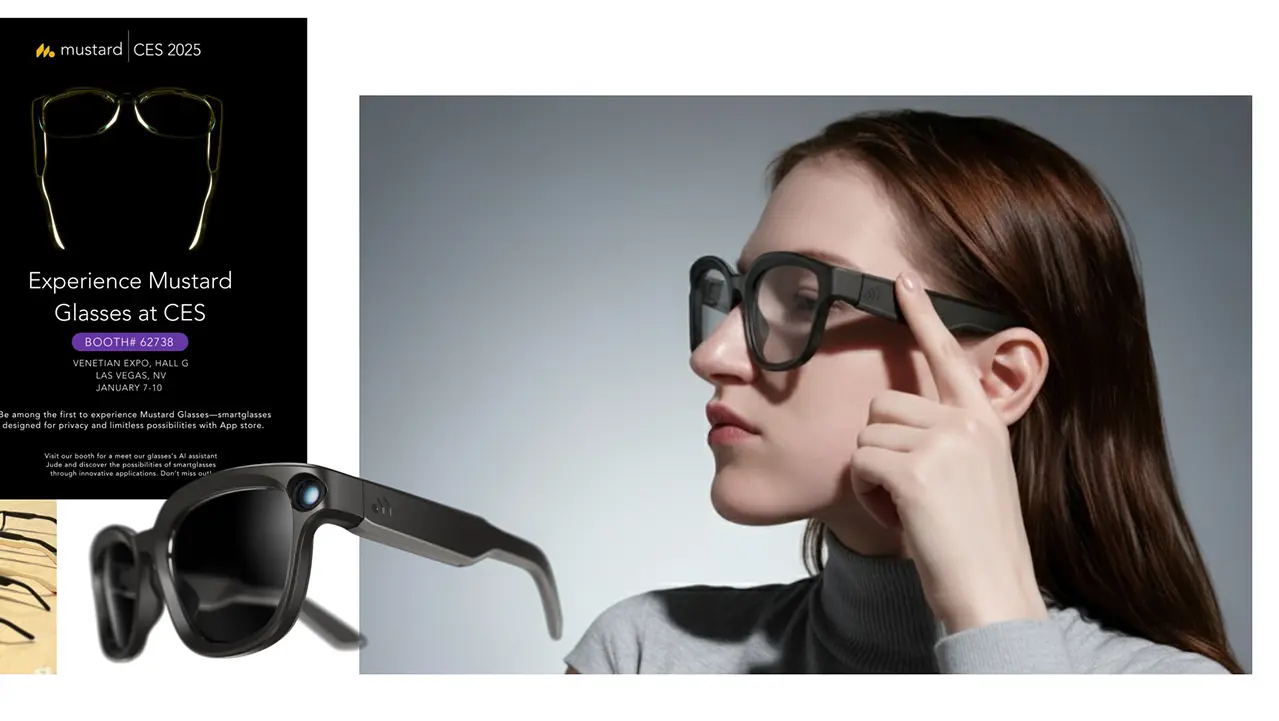
- Wearable technology spanning fitness trackers, smart rings and health monitors
- Healthcare and wellness devices requiring regulatory awareness and precision
- Kitchen and home appliances built for daily durability and safety
- Beauty and personal care tools balancing aesthetics with tactile comfort
- Sports and fitness equipment demanding rugged, performance driven design
- Automotive and mobility products including EV accessories and micromobility
- Sustainable consumer products prioritizing recyclability and lower footprint
Consumer Electronics Product Design
Consumer electronics product design demands seamless integration between hardware form and internal componentry, batteries, PCBs, antennas and thermal management, all while maintaining an appealing aesthetic. This category moves fast, with product cycles often measured in months rather than years, pushing teams toward efficient, iterative workflows. Thermal performance and signal integrity constrain form in ways many founders do not anticipate initially. A gorgeous ultra thin enclosure might trap heat dangerously or block antenna performance, meaning industrial designers and electrical engineers must collaborate from the earliest sketches rather than working in sequence.
Founders entering consumer electronics should budget generously for prototyping rounds, since electronic products typically require more iteration cycles than purely mechanical products due to the added complexity of internal systems working in harmony with external form.
Smart Home Product Design
Smart home product design must feel unobtrusive within domestic spaces while housing increasingly sophisticated sensors and connectivity hardware. These products live in living rooms and bedrooms, meaning aesthetic sensitivity matters as much as technical performance, since an ugly device simply will not survive on a customer's shelf regardless of its capability. Setup friction represents the single biggest risk in this category. Even the most capable smart home product fails commercially if customers struggle during initial pairing and configuration, generating frustrated reviews and return requests. User centered design becomes absolutely critical here, mapping every step of the onboarding journey with obsessive attention to clarity.
Interoperability with existing ecosystems, Alexa, Google Home, Apple HomeKit, also shapes design decisions early, since founders must decide which platforms to prioritize before committing to certain chipsets and communication protocols that influence overall product architecture.
Wearable Product Design
Wearable product design centers almost entirely around comfort, since these products maintain constant physical contact with skin for extended periods. Weight distribution, material breathability and closure mechanisms become primary design drivers, often outweighing pure aesthetic considerations in importance, though the best wearables achieve both simultaneously. Battery life versus form factor creates one of the most persistent tensions in this category.
Customers want slim, unobtrusive devices but also expect days of battery life, forcing engineers and designers into constant negotiation over internal volume allocation. Solving this tension elegantly often becomes a genuine competitive advantage. Skin safe materials, biocompatibility testing and sweat resistance also introduce regulatory and testing requirements that founders new to wearables frequently underestimate during initial budgeting and timeline planning, making experienced partners especially valuable in this specific category.
Healthcare and Wellness Product Design
Healthcare and wellness product design carries heightened responsibility, since these products often serve vulnerable users managing real health concerns. Precision, hygiene and accessibility considerations shape nearly every decision, from material selection to how instructions are visually communicated on the device itself. Regulatory pathways vary significantly depending on product classification, and founders should research applicable standards early, since compliance requirements can meaningfully influence material choices, manufacturing processes and even product geometry.
Consulting resources from bodies like the World Health Organization helps establish baseline understanding of global health product standards. Empathy driven research becomes especially important here, since users managing health conditions often experience physical limitations, anxiety or fatigue that must be actively designed around rather than assumed away. Products that genuinely understand these lived realities tend to build extraordinary customer loyalty and trust.
Kitchen and Home Appliance Product Design
Kitchen and home appliance product design must balance daily functional durability with genuine counter appeal, since these products occupy visible domestic space for years, not months. Founders in this category compete against decades old established brands, making distinctive, confident design language especially important for standing out. Safety considerations weigh heavily here too, particularly for products involving heat, electricity or moving parts. Rigorous testing protocols and thoughtful failsafe design protect both users and brand reputation, since a single safety incident can permanently damage a young appliance company's credibility in ways marketing cannot repair.
Material selection also carries weight in this category, since customers increasingly expect food safe, durable materials that feel premium under repeated daily handling, washing and heat exposure across years of expected product lifespan.
Beauty and Personal Care Product Design
Beauty and personal care product design lives at the intersection of ritual and function, since these products often become part of intimate daily routines that customers form genuine emotional attachment toward. Tactile qualities, weight, surface finish, closure satisfaction, influence purchase decisions almost as much as actual product performance. Packaging and product form work together inseparably in this category, unlike many others where they might be considered somewhat separately.
A skincare device or beauty tool needs to feel considered from unboxing through years of bathroom counter presence, making holistic design thinking essential from the earliest concept stage. Sustainability increasingly matters to this customer base specifically, with growing demand for refillable systems, recyclable materials and reduced packaging waste, trends worth researching early since they influence both design decisions and brand positioning from day one.
Sports and Fitness Product Design
Sports and fitness product design must survive genuinely demanding physical conditions, sweat, impact, temperature extremes, repeated aggressive use, while still feeling motivating and premium enough to inspire purchase in a crowded, brand loyal category. Durability testing here goes well beyond typical consumer product standards. Grip, ventilation and adjustability become primary design considerations since these products interact with bodies during active movement rather than passive use. Understanding biomechanics, not just static ergonomics, separates strong fitness product design from merely adequate attempts in this category.
Founders should also study how leading fitness brands build community and identity around their products, since successful fitness products often succeed as much through emotional brand connection and belonging as through pure functional performance.
Automotive and Mobility Product Design
Automotive and mobility product design increasingly extends beyond vehicles themselves into accessories, EV charging products and micromobility devices like e-bikes and scooters. This category demands serious attention to safety regulation, structural engineering and weather resistance given constant outdoor exposure. Battery safety represents a particularly critical concern across this category, given the serious consequences of thermal or structural failure in products people ride or rely on for transportation.
Founders should prioritize experienced engineering partners familiar with relevant safety standards well before committing to final form factors.
This category also benefits enormously from lightweight material expertise, since weight directly affects range, handling and user fatigue across mobility products specifically, making material science knowledge a genuine differentiator among design partners.
Sustainable Consumer Product Design
Sustainable consumer product design integrates environmental responsibility directly into material selection, manufacturing process and end of life planning, rather than treating sustainability as marketing language applied after core decisions are already made. This approach increasingly resonates with customers actively seeking brands that share their values. Design for disassembly, using recyclable materials and minimizing mixed material bonding, allows products to be more easily repaired, recycled or refurbished at end of life. This thinking often requires creative engineering solutions since sustainable materials sometimes behave differently than conventional plastics during manufacturing and long term use. Founders exploring this space should research relevant certifications and standards early, since credible sustainability claims require verifiable process changes, not just marketing copy.
Resources from organizations like the United Nations Environment Programme offer valuable, non commercial context on genuine sustainability standards worth understanding.
The Role of AI in Consumer Product Design
Artificial intelligence is reshaping consumer product design across research, ideation and even generative form exploration, allowing designers to test far more concept directions in far less time than traditional sketching alone would allow. AI powered tools can now generate hundreds of form variations based on defined parameters, giving designers a broader creative starting point. Beyond ideation, AI increasingly influences the products themselves, with more consumer products incorporating intelligent features, predictive maintenance, personalized settings, adaptive interfaces, that respond to individual user behavior over time. This shift means product designers increasingly collaborate closely with data scientists and machine learning engineers throughout the design process itself.
AI tools can meaningfully reduce early stage research and visualization costs, though human judgment remains essential for validating whether AI generated concepts actually solve real human problems versus simply looking novel. The most successful teams treat AI as a powerful collaborator rather than a replacement for genuine user research and design expertise.
How Much Does Consumer Product Design Cost?
Consumer product design costs vary enormously depending on product complexity, category and how many of the twelve process steps a founder needs support with. Understanding rough ranges helps first time founders budget realistically rather than being blindsided later in the process.
| Project Scope | Typical Investment Range | What It Usually Includes |
|---|---|---|
| Concept and sketching only | Lower investment | Research, ideation, sketch concepts |
| Industrial design and CAD | Mid range investment | Form development, 3D modeling, renders |
| Full design through prototyping | Higher investment | CAD, prototyping, testing rounds |
| End to end through manufacturing support | Highest investment | Full process plus DFM and production support |
Founders should treat these ranges as starting points for conversation rather than fixed pricing, since factors like electronics complexity, material choices and required certifications all influence final investment significantly. Requesting a detailed scope conversation with a design partner remains the most reliable way to get an accurate estimate for your specific product.
How Long Does Consumer Product Design Take?
Timeline expectations matter enormously for founders managing investor conversations, launch windows and personal runway. A simple, purely mechanical consumer product might move from concept to production ready files in three to five months, while complex electronics heavy products routinely take eight months to a year or longer. Several factors stretch timelines beyond initial estimates, connectivity and firmware complexity, regulatory certification requirements, number of prototype iterations needed to reach validation, and how quickly founders provide feedback during review cycles. Founders who respond promptly to design reviews consistently see faster overall timelines than those who let feedback cycles stall for weeks.
Building buffer time into your roadmap protects both sanity and investor relationships. Announcing a launch date before design validation is complete creates pressure that often leads to rushed decisions during the exact stages, prototyping and testing, where rushing costs the most later in avoidable manufacturing problems.
How to Choose the Right Consumer Product Design Agency?
Choosing a design partner might be the single highest leverage decision a first time founder makes during their entire product journey. The right agency protects your vision, your budget and your timeline simultaneously, while the wrong choice can quietly drain all three without ever producing a shippable product.
Consider this checklist while evaluating potential partners for your consumer product design project.
- Review their portfolio for products actually shipped and sold, not just rendered concepts
- Ask specifically about their experience with design for manufacturing, not only aesthetics
- Understand whether they offer engineering support or only industrial design services
- Request references from previous first time founder clients specifically
- Clarify ownership of files, CAD models and intellectual property upfront
- Ask how they handle scope changes and unexpected engineering challenges
- Confirm their experience with your specific product category and its regulations
- Evaluate communication style during initial conversations, since this predicts collaboration quality
- Ask about typical prototype iteration counts for products similar to yours
- Understand their manufacturing network and whether they support production sourcing
"The best design partners treat a founder's product like their own reputation, because every shipped product carries both names forward together, and that shared accountability is what actually produces great work rather than just good looking renders." - Vyasateja Rao, Founder of Analogy Design
Founders should also trust their instincts during initial conversations. A partner who asks thoughtful questions about your users and business model before jumping to visual concepts is usually signaling the kind of rigorous, human centered process this guide has walked through. That instinct, paired with the checklist above, gives first time founders a genuinely reliable way to choose well.
Questions About Consumer Product Design
What is the difference between consumer product design and industrial design?
Founders often use these terms interchangeably because the line between them feels blurry from the outside. Industrial design also touches categories like furniture, transportation, and medical equipment, areas that sit outside typical consumer product design work, while a consumer product designer usually specializes deeply in household use cases, purchase behavior, and retail expectations specific to everyday buyers. Either way, the underlying skill set overlaps heavily, so the label matters less than the portfolio behind it.
Do I need a patent before starting consumer product design?
Reputable agencies sign non-disclosure agreements before any meaningful concept discussion begins, protecting your intellectual property throughout the relationship. Filing a provisional patent early gives founders a twelve-month window to refine the design while establishing a priority date, which also gives investors confidence that the core innovation is protected during fundraising. Waiting until the product is fully finished before filing often delays protection unnecessarily — talk to your IP attorney about timing this alongside your design milestones rather than treating it as a separate task.
Can a consumer product design agency also help with manufacturing?
Agencies with in-house design-for-manufacturing expertise catch tooling and assembly issues earlier, since the same team that designed the product also understands how it needs to be built. Some agencies maintain vetted factory networks across categories like electronics, plastics, and metal fabrication, saving founders months of independent sourcing. Ask potential partners directly how involved they stay after design handoff, since involvement levels vary significantly between studios, and the strongest partnerships treat manufacturing support as a natural continuation of design, not a separate transaction.
What is the minimum budget for consumer product design?
Being transparent about your budget early helps agencies scope work appropriately rather than proposing something misaligned with your resources. Some studios offer phased engagements, starting with concept and sketching work before committing to full CAD and prototyping, which spreads investment across validated milestones and gives natural checkpoints to raise funding. Founders should be wary of quotes that seem dramatically lower than the market, since that often signals limited engineering depth or hidden costs later — a detailed scope document upfront protects both sides from surprises.
How many prototypes does a typical consumer product need?
Prototype count depends heavily on product complexity. Simple mechanical products might validate in three or four rounds, while connected electronics with firmware often need six to ten iterations before everything works reliably together, with each round getting progressively more refined toward a near-production representative unit. Early prototypes revealing problems is the process protecting you from far more expensive mistakes during tooling, so budgeting time and money for this iteration upfront prevents rushed decisions later.
Is industrial design the same as product engineering?
These two disciplines work side by side constantly, which is exactly why founders confuse them. Industrial designers typically lead conversations around brand feel, user emotion, and visual language, while engineers translate those decisions into components that survive drops, heat, and years of daily use. Strong design teams involve engineers early rather than treating engineering as something that happens only after design is finished, and founders working with separate vendors should insist on joint review sessions to avoid costly miscommunication.
How do I find the right consumer product design company for my hardware startup?
Start by researching studios that have shipped products in your general category, since category-specific experience often shortens the learning curve. Look beyond polished case studies and ask pointed questions about challenges faced during past projects, and request an introductory call with the actual team who would work on your project rather than just the sales representative. Ask how the agency handles disagreements about design direction, and check recent client reviews or a reference call with a founder at a similar stage of growth.
What is design for manufacturing and why does it matter?
Design for manufacturing acts as a bridge between creative vision and production reality, and skipping it is one of the costliest mistakes a first-time founder can make. Without it, a design might look flawless in renders yet prove nearly impossible to mold, assemble, or ship affordably at scale — engineers apply this thinking by adjusting wall thickness, simplifying assembly steps, and choosing materials that behave predictably at volume, often in close coordination with the factory that will eventually build the product. Founders who invest properly here typically see fewer defects, more predictable costs, and faster time to market.
Should first-time founders hire a full-service product design agency or freelancers?
Freelancers can work well for narrowly scoped tasks, but coordinating multiple independent freelancers across design, engineering, and manufacturing places enormous project management weight directly on the founder. Full-service agencies absorb much of that coordination burden, since one accountable team manages handoffs internally, and they tend to carry institutional knowledge across many past projects. For a first product specifically, the reduced coordination risk of a full-service partner usually outweighs any potential cost savings from piecing together freelancers independently.
Ready to move your product from idea to shelf. Explore our industrial design services, browse featured product design work, or read our detailed DFM manufacturing guide to understand how thoughtful engineering protects your vision all the way to production.
Ready to build?
Tell us what you're building.
We'll tell you where the real risks sit in your specific product and what it would take to ship it, concept to production.
About The Author

Vyasateja Rao – Founder & Chief Advisor, Analogy
VT Rao (Vyasateja) is a multi-award-winning product designer with over two decades of experience, and the visionary founder of Analogy, a Bangalore-based industrial and interaction design studio. He specializes in crafting memorable and innovative experiences for both physical and digital products. After earning a Masters in Industrial Design from North Carolina State University in 2007, Vyas worked across the United States, Hong Kong, China, Korea, Taiwan, Singapore, and India, collaborating with Fortune 500 companies and leading design studios. His studio has received international recognition, including the Red Dot, IF Design, Good Design, NY Product Design, European Product Design, German Product Design, IBDC, Singapore Design Award, and multiple patents for product innovation. VT has designed for global clients such as Panasonic, Unilever, Amazon, Marvel, and Cellairis, blending creativity with manufacturability to create breakthrough products. Beyond design, he mentors aspiring designers, teaching the importance of contrast, surprise, and hidden artifacts in creating compelling experiences.