While we keep getting surrounded by all things tech more and more everyday, some products stand out more than others, at least when they start out. New product ideas for business should ideally translate to unique consumer products that make lives easier and blend into our everyday lives. Some visionary, well-thought products do end up ticking off the checklist including all the above while promising good return on investment for the brand itself. But isn’t this stack of products rare to come by?
The truth about unique products to sell is that they solve a problem the market did realize it had, but only after someone showed them a better way. Every product on this list emerged from a deep understanding of human behavior, technology gaps, and what people genuinely desire in their everyday lives. The teams behind these launches spent years refining their concept design process from scratch before a single unit reached a consumer. What separates a product that earns press from one that earns repeat purchases is the quality of thinking that happens long before production begins. The world rewards hardware founders who invest in the design engineering process as much as they invest in the idea itself. Discover what made these five products different, and more importantly, what you can take from each of them into your own product journey.
The product development process is rarely visible from the outside. What you see at launch is a polished, confident product, but behind it lies months or years of concept sketching, prototype testing, and iterative refinement. Great products begin as fragile ideas in the hands of designers and engineers who know how to shape them toward market viability. Each product on this list went through rigorous design for manufacturability reviews to ensure what looked good on paper could actually be built at scale. That invisible groundwork is precisely why these unique consumer products felt so ready when they arrived. According to Fast Company's Most Innovative Companies research, the companies that consistently produce iconic hardware share one trait: they treat the design process as a competitive advantage, investing in it earlier and more deeply than their peers.
We get some out of the box products that surprise and work in the market, there are some ideas that promise a lot and end up delivering only a percentage of the actual product vision. And of course we sit through these announcements when they bring out some unique products to sell in this ever-changing product scene.
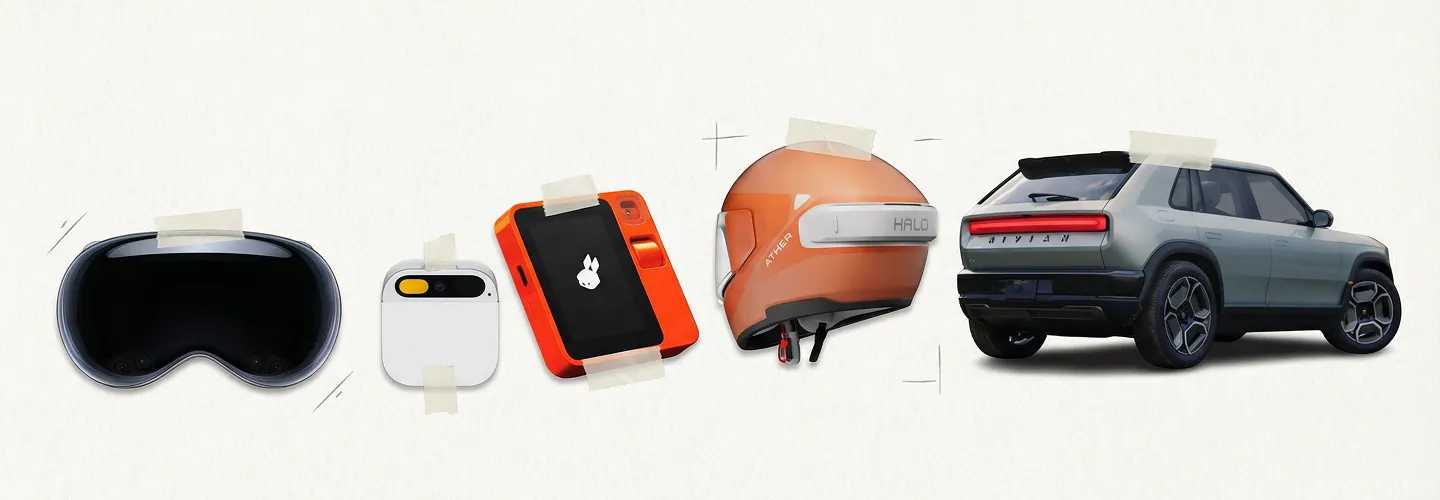
Here’s a list of the top 5 product announcements of 2024:
Amongst the new to the market product ideas, imagine a tiny, elegant pin adorning your attire, seemingly inconspicuous yet harboring immense potential. The Humane AI Pin transcends its diminutive size by serving as a personalized digital companion, harnessing the power of AI to enhance human interaction and productivity. At its core, the Humane AI Pin operates as a sophisticated virtual assistant, leveraging advanced natural language processing algorithms to understand and respond to user commands with unparalleled accuracy. Need to schedule a meeting?
Simply converse with your AI pin, and it effortlessly organizes your calendar with precision and efficiency.
What the Humane AI Pin proved is that wearable design has a future far beyond smartwatches and fitness trackers. This product asked a fundamental question: what if the interface disappeared entirely, and intelligence stayed close to the human body? The engineering challenge behind this tiny device was enormous, requiring teams to solve for thermal management, battery life, and intuitive interaction in a form factor smaller than a credit card. The product development process for wearables like this demands simultaneous progress across mechanical design, electronics, and human factors design, all within severe physical constraints. Very few hardware startups have the expertise to coordinate that level of cross-disciplinary product innovation.
Ready to build?
Tell us what you're building.
We'll tell you where the real risks sit in your specific product and what it would take to ship it, concept to production.
The Humane AI Pin showed what becomes possible when concept design and engineering design work in genuine alignment from the very first sketch. MIT Technology Review's breakthrough technology coverage recognized AI-integrated wearables as one of the defining hardware frontiers of the decade, and the Pin was one of the first bold attempts to answer that call.
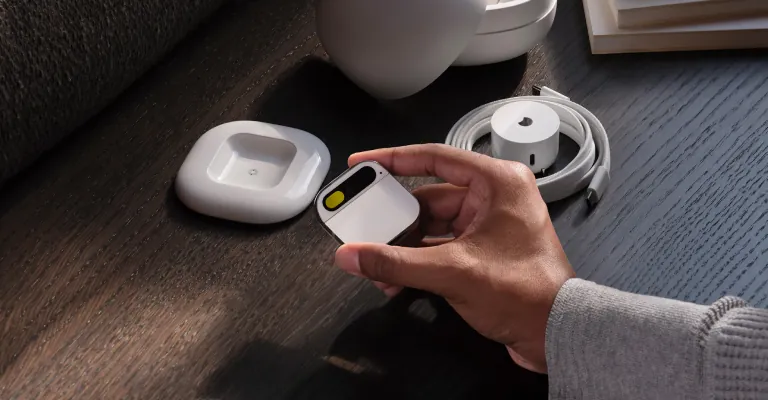
But the capabilities of the Humane AI Pin extend far beyond mere scheduling. Equipped with cutting-edge machine learning algorithms, it adapts to your preferences over time, offering tailored recommendations and insights to optimize your daily routines. Whether suggesting the perfect restaurant for dinner or providing real-time updates on your favorite sports team, the AI pin seamlessly integrates into your life, becoming an indispensable ally in navigating the complexities of the modern world. Moreover, the Humane AI Pin serves as a gateway to a wealth of knowledge and information, granting users instant access to a vast repository of data at their fingertips. From historical trivia to scientific inquiries, satisfy your curiosity with a simple voice command, and let the AI pin illuminate your path with enlightenment. Yet, perhaps the most remarkable aspect of the Humane AI Pin lies in its ability to foster genuine human connection in an increasingly digital age. Which is the reason we decided to feature it on our list of unique products to sell. By analyzing social cues and contextual clues, it facilitates meaningful conversations and fosters empathy, bridging the gap between man and machine like never before. Read more about the top industrial design trends 2024.
Wearables that succeed in the market do so because they make the wearer feel something: a sense of capability, freedom, or intelligence amplified. The Humane AI Pin was bold because it asked users to replace a habit, the smartphone glance, with an entirely new kind of interaction. That level of behavioral shift placed extraordinary pressure on every product decision from the physical form to the AI layer powering it.
Concept design services played a central role in defining what this product should feel like before any hardware was locked in. The team had to imagine a future that most consumers could visualize only vaguely, then make it real and manufacturable within a competitive timeline. This is the kind of challenge that hardware product development studios exist to solve, and the lessons from this launch apply directly to any founder building at the intersection of AI and physical product.
Unique Consumer Products:
The Rabbit R1 is a unique consumer product- an AI device with a retro twist. It ditches the usual smartphone look for a small, portable design with a 2.8 inch screen, scroll wheel, and push-to-talk button. Unlike its app-filled competitors, the Rabbit R1 relies on voice commands and its built-in AI to answer your questions, complete tasks, or play media. Think of it like a super-powered walkie-talkie for the internet. It boasts a 360-degree camera for visual identification and can connect to WiFi, Bluetooth, or even LTE networks. Early reviews praise its speed and user-friendly interface, though some find the lack of a touchscreen a drawback. Whether the Rabbit R1 can compete with the established tech giants remains to be seen, but it offers a unique alternative for those seeking a simpler, voice-activated AI companion. The Rabbit R1 succeeded in getting people excited about hardware in an era when most unique products to sell were software in disguise. Its physical design was deliberately minimal: a small orange device that invited touch rather than stared back at you like a smartphone.
That restraint in form was itself a design decision, a conscious choice to reduce cognitive load and make the interaction feel lighter. The product development process here required a brand vision strong enough to push back against convention, because every instinct in consumer electronics pulls toward bigger screens and more features. Rabbit chose clarity over comprehensiveness, and the market responded with genuine enthusiasm at launch. For hardware founders, this product is proof that a strong concept design with a focused problem statement can generate massive product innovation momentum even against well-funded competitors.
Industrially, the R1 is a lesson in purposeful product design. The scroll wheel, the push-to-talk button, the 360-degree camera: each element was chosen to serve a specific user behavior rather than check a feature list. This kind of intentional design for assembly thinking, where each component earns its place based on user behavior rather than competitor features, is what separates products people love from products people forget. The hardware product development cost discipline required to ship a device this focused at its price point reflects serious manufacturing design rigor behind the scenes.
Production planning for a device like this demanded careful attention to component selection, supply chain resilience, and consumer-grade durability, all areas where a strong design for manufacturability foundation proved essential. The R1 is a reminder that unique consumer products are built on bold restraint as much as bold innovation.
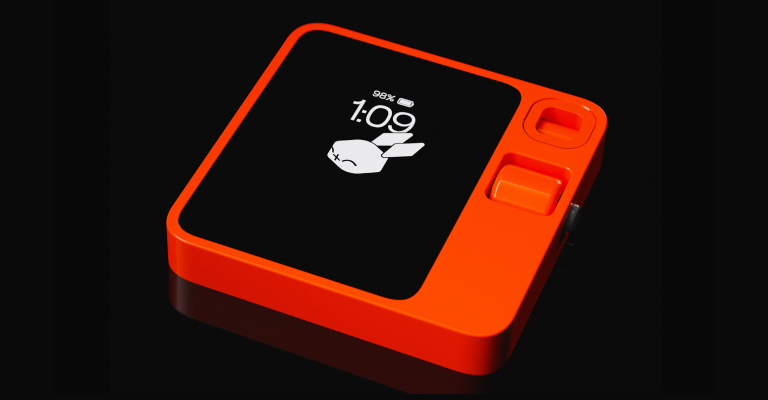
Unveiled in 2024, this sleek and sophisticated electric scooter swiftly earned its place among the top five products announced in the year, capturing the imagination of commuters and eco-conscious individuals alike. At first glance, the Rabbit R1 stands out with its futuristic design, blending seamlessly into urban environments while exuding an aura of modernity. Its compact frame and lightweight construction make it an ideal companion for navigating bustling city streets with ease, offering a harmonious blend of style and functionality. However, what truly sets the Rabbit R1 apart is its commitment to sustainability. Powered by an advanced electric motor, this eco-friendly scooter produces zero emissions, helping to mitigate environmental impact and reduce carbon footprints. Whether it's zipping through traffic during the morning commute or exploring the city on weekends, users can enjoy guilt-free transportation without compromising on performance. Innovative features further elevate the Rabbit R1's appeal, ensuring a seamless and intuitive riding experience. Equipped with state-of-the-art connectivity options, including smartphone integration and GPS navigation, users can effortlessly customize their journey and stay connected on the go. Safety is paramount, with built-in sensors and intelligent systems providing real-time feedback and enhancing overall stability and control.
Apple's revolutionary mixed-reality headset, the Apple Vision Pro, promises to redefine how we interact with the digital world, which is another product idea for business in the competitive market. Unlike virtual reality that replaces your surroundings, Vision Pro overlays digital elements onto your physical space. Imagine watching a movie on a giant screen that fills your living room, or collaborating in a virtual workspace alongside colleagues across the globe. The headset tracks your eyes, hands, and voice for intuitive control, making it easy to navigate apps and experiences designed specifically for the Vision Pro. Whether you're a creative professional yearning for a new design canvas or an entertainment enthusiast seeking the ultimate immersive experience, the Apple Vision Pro offers a glimpse into the future of computing. However, this cutting-edge technology comes at a premium price tag, so be prepared to shell out $3,499 for the privilege of entering Apple's mixed-reality world.
Ready to build?
Tell us what you're building.
We'll tell you where the real risks sit in your specific product and what it would take to ship it, concept to production.
Apple's Vision Pro entry into spatial computing was years in the making, and the product development process behind it reflects one of the most ambitious hardware programs in recent memory. The device required breakthroughs in display technology, custom silicon, and real-time sensor fusion across a dozen-plus cameras and sensors mounted on a single head-worn form. What made the Vision Pro stand out beyond the technology was Apple's insistence on a design language that felt premium and considered rather than experimental and clunky. Every surface, every material, every transition in the interface was deliberated at a level of design engineering that most product teams never get close to. The product raised the standard for what wearable design can aspire to, even at its premium price point.
The Vision Pro represented the most complete vision of spatial computing hardware the industry had seen, a statement that reflects how thoroughly Apple executed the concept design phase.
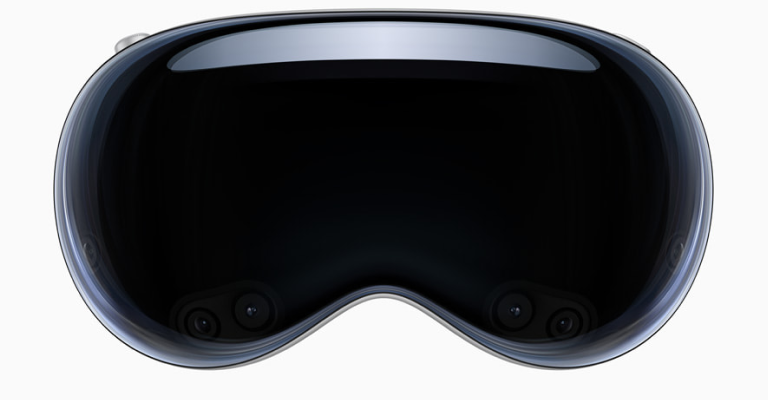
Immersive Visual Experience
At the heart of Apple Vision Pro lies its unparalleled display technology, offering users an immersive visual experience like never before. With vibrant colors, deep blacks, and ultra-high resolution, every image and video springs to life, captivating the senses and blurring the line between reality and virtuality.
- Advanced AR Integration: Building upon Apple's expertise in augmented reality (AR), the Vision Pro takes AR integration to new heights. Whether for gaming, education, or productivity, users can seamlessly overlay digital content onto their surroundings, unlocking a myriad of possibilities for both work and play.
- Intuitive Gesture Controls: Bid farewell to traditional input methods, as Apple Vision Pro introduces intuitive gesture controls that redefine user interaction. With a simple wave of the hand or a subtle flick of the finger, users can navigate menus, manipulate objects, and interact with content with unparalleled fluidity and precision.
For hardware founders watching the Vision Pro launch, the takeaway goes far beyond the product itself. Apple invested in concept validation at an extraordinary depth before a single headset reached a consumer's hands. The human factors design team alone worked for years on how natural interactions like eye-tracking, hand gestures, and voice commands could feel intuitive rather than learned. That investment in the concept design process is what allowed the Vision Pro to ship with a level of polish that even skeptics found difficult to dismiss. Unique products to sell at any price point benefit from this same principle: validate the human experience of the product before finalizing any hardware design decision. If there is one lesson from Apple's approach to product innovation, it is that the invisible work always determines the visible result.
Revving up the electric vehicle (EV) scene in 2024, Rivian unveiled the R2, R3, and R3X, a trio built on a brand new, midsize platform. This promises not just affordability (the R3 being the most budget-friendly Rivian yet) but also impressive performance and range. Both the R2 and R3 boast over 300 miles on a single charge, with top configurations achieving 0-60 mph in under 3 seconds.
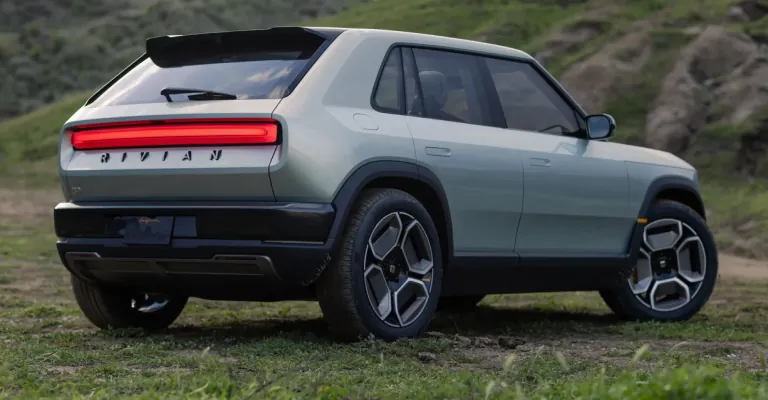
The R2 takes the adventure route, with a focus on open-air driving thanks to features like fully powered windows and a rear glass drop. Meanwhile, the R3 offers a sportier look with a hatchback design that maximizes space. And for those seeking the ultimate off-road companion, the R3X boasts enhanced dynamic abilities for tackling any terrain. All three come with multiple battery pack options for flexibility and utilize Rivian's next-gen technology, including a structural battery pack that integrates seamlessly into the vehicle's design. With the R2, R3, and R3X, Rivian cements its place as a leader in the EV race, offering a combination of performance, practicality, and affordability.
The R2, R3, and R3X represent something more meaningful than new electric vehicle models. They represent Rivian's decision to pursue scale through intentional platform design, a manufacturing design strategy that reduces complexity and unlocks manufacturing cost reduction opportunities across multiple products simultaneously. Building a new midsize platform from scratch requires deep expertise in design for manufacturability and structural engineering, and Rivian's choice to integrate the battery pack structurally into the vehicle itself reflects a mature, production-planning-forward mindset.
This is the kind of product development process thinking that transforms a startup with one popular truck into a scalable consumer hardware brand. The decision to use a single platform across three vehicles is a textbook example of design for assembly principles applied at automotive scale. The Harvard Business Review explores this principle in depth in their analysis of how platform thinking drives product innovation at scale, and Rivian's R-series is a real-world proof point.
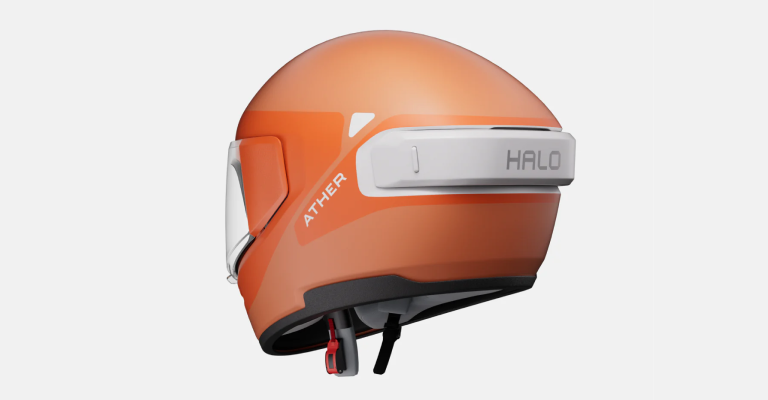
In the electric scooter world, Ather launched the Halo smart helmet. Their scooter Rizta is designed for families, offering a comfortable ride with ample storage space. which has the profile of a really well designed commode, but its true innovation lies in its compatibility with the Halo system. Halo comes in two forms: a full-faced helmet with integrated speakers and a modular "bit" that attaches to existing Ather half-faced helmets. Both connect to the Rizta, enabling features like voice-activated calls, music sharing with a pillion rider through "Ather ChitChat," and even in-helmet navigation. This connected experience makes Ather a frontrunner in user-friendly and technologically advanced electric scooters.
As we reflect on the ever-evolving landscape of innovation, it's clear that amidst the deluge of AI-driven advancements, certain products shine brighter than others. These gems not only capture our attention but also seamlessly integrate into our daily routines, offering convenience and utility like never before. However, as we eagerly anticipate the next groundbreaking product, it's essential to acknowledge that not every idea translates smoothly into reality. Despite the hype and promise, some offerings fall short of expectations, reminding us that innovation is as much about execution as it is about ideation. If you are in the process of make an idea a reality, you can read our article on how to invent an idea.
Ather's Rizta and Halo system is remarkable precisely because it treats the ecosystem as the product. The helmet extends the scooter, and the scooter becomes more valuable because of the helmet. This integrated product design approach reflects a sophisticated understanding of how hardware products generate loyalty: by making every component of the ownership experience feel considered and connected. From a hardware product development perspective, co-designing a vehicle and a wearable accessory simultaneously requires extraordinary coordination across mechanical design, electronics, wireless connectivity, and user experience design. The product development process for an ecosystem like this is far more complex than building a single standalone device, and it requires a design engineering team comfortable holding multiple product disciplines at once.
Ather demonstrated that Indian hardware brands have the product innovation capability to compete on the world stage in both wearable design and smart mobility, a statement that TIME Magazine's Best Inventions of 2024 coverage helped amplify globally.
The Halo smart helmet is a case study in how hardware can create emotional connection between a product and its user. Shared music between rider and pillion, voice-activated navigation, real-time scooter alerts: these features transform a safety device into a social and experiential one. That transformation started in the concept design phase, where someone asked: what if a helmet could make the ride more joyful rather than just safer? Answering that question required a design engineering team willing to work across multiple product categories at once, solving for acoustic performance, wireless range, comfort ergonomics, and app integration in parallel.
If you are building a hardware product that aims to create genuine user delight, explore how the Product Path framework at Analogy Design structures exactly this kind of multi-layer product challenge from concept to market. Ather's success with Halo is proof that hardware products become truly unique when the design team builds experiences, and builds them from the inside out.
The five products highlighted in this blog are more than impressive announcements. They are proof of concept for what happens when hardware teams invest fully in the design engineering process and refuse to settle for good enough at any stage. Each one represents a convergence of strong concept design, rigorous prototype testing, and manufacturing design discipline that made the final product feel ready, trustworthy, and worth the investment. As a hardware product development studio, Analogy Design has seen hundreds of product journeys, and the ones that reach this level of market impact share one quality: the teams behind them treated design as a strategic advantage and invested in it earlier than the competition. If your product is in the idea stage, the concept stage, or even the prototype stage, the decisions you make right now will determine whether it earns a place on a list like this one or quietly disappears before the market ever gets to hold it.
The product landscape will keep evolving, and the unique products to sell in 2025 and beyond will be built by founders who study these launches and ask: what process made this possible? Explore design for manufacturing support to understand how Analogy Design prepares hardware products for production at scale, and see hardware launch support to learn how the journey continues beyond the engineering phase. The best product stories are always the ones that started with a clear problem, an honest design process, and the courage to build something the world had never held before. Your product story is ready to be written.
Nevertheless, amidst the occasional disappointments, there are moments of sheer brilliance that captivate our imaginations and redefine what's possible. These are the unique products to sell that not only meet our needs but exceed our expectations, leaving an indelible mark on the industry. Keep reading about the top industrial design trends of 2024.
Ready to build?
Tell us what you're building.
We'll tell you where the real risks sit in your specific product and what it would take to ship it, concept to production.