This blog is a study of the best concept design examples which have gone from idea to market success. Learn how strong concept design helps validate product ideas, reduce development risk, and accelerate new product development. Discover how companies used concept design to align user needs, engineering, and manufacturing. This guide breaks down real world products that prove why concept design is the foundation of market success.
Concept design sits at the intersection of imagination, strategy, and execution. It represents the moment where an idea shifts from abstract thinking into a defined product direction that teams can build, test, and scale. Every iconic product that reshaped an industry began with a strong concept design phase that aligned user needs, technology potential, and business intent. This article explores how concept design functions as the invisible force behind market-defining products, and how real companies used concept clarity to move from idea to global impact.
Rather than focusing on surface aesthetics, concept design establishes purpose, usability, and system logic early in the product journey. It shapes decisions that influence engineering complexity, manufacturing feasibility, brand positioning, and long-term scalability. When executed well, concept design accelerates new product development and strengthens investor confidence, internal alignment, and market relevance.
Concept Design As The Foundation Of Market Success
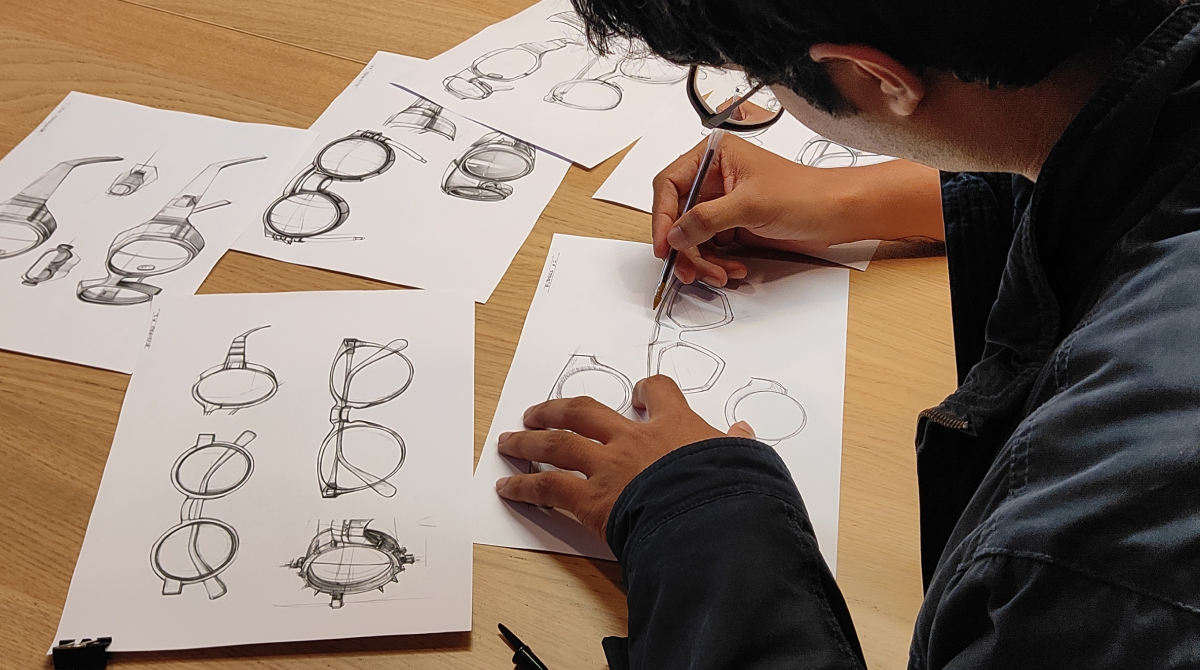
Every successful product begins with a moment of intentional definition. Concept design provides that moment by answering fundamental questions about value, audience, and differentiation. It transforms raw ideas into structured product visions that teams can evaluate and refine. This stage blends research, creativity, and strategic thinking to reduce ambiguity before engineering begins.
The state of Modern product development in concept design
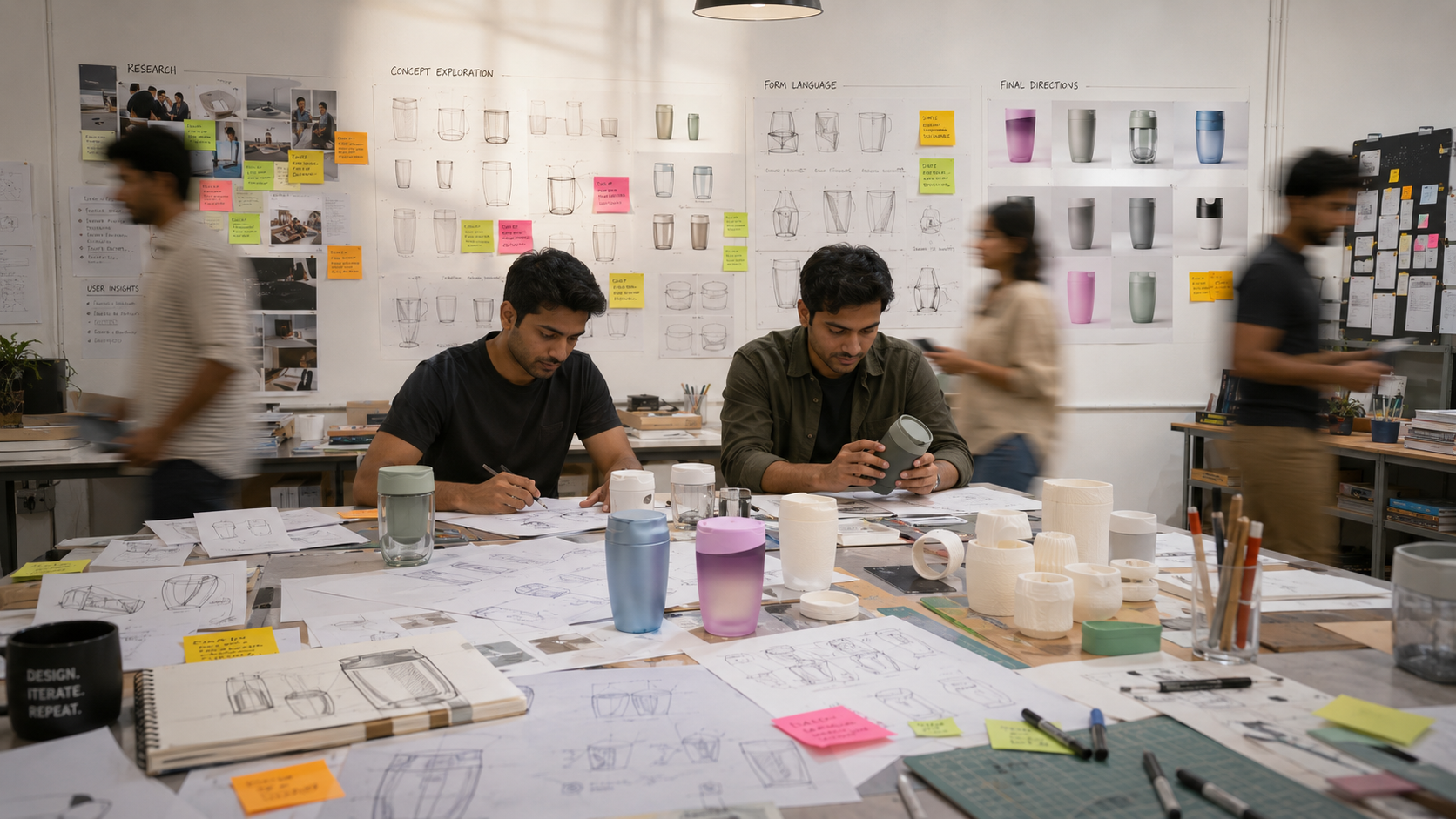
In modern product development, concept design operates as a decision-making filter. It helps teams explore multiple product directions, assess feasibility, and prioritize opportunities with the strongest potential impact. Through concept sketching, visualization, and early validation, companies gain clarity long before committing resources to tooling or manufacturing. This clarity often separates products that achieve market adoption from those that struggle to gain traction.
Traction in concept Design
Concept design also plays a critical role in aligning stakeholders. Designers, engineers, founders, and investors rally around a shared vision that guides execution. This alignment shortens development cycles and strengthens confidence across the organization.
As product cycles grow faster and competition intensifies, concept design increasingly acts as a strategic advantage rather than a creative exercise.
How Real Products Move From Idea to Market Through Concept Design
The journey from idea to market rarely follows a straight path. Concept design introduces structure into this journey by organizing exploration into deliberate phases. Early research identifies unmet user needs and contextual challenges. Ideation expands the solution space through creative exploration. Visualization translates thinking into tangible forms that teams can evaluate and discuss. As concepts mature, feasibility assessments bring engineering and manufacturing considerations into focus. Materials, components, and production methods begin shaping the concept.
At this stage, concept design supports collaboration between industrial design and product engineering, ensuring ideas evolve into buildable systems rather than isolated forms. Concept validation through user feedback further refines direction and strengthens confidence.
This progression creates momentum. Teams move forward with conviction rather than assumptions. Engineering design services, rapid prototyping, and design for manufacturing follow a clearly defined path. Products that emerge from this process often demonstrate stronger usability, clearer positioning, and longer lifecycle relevance.
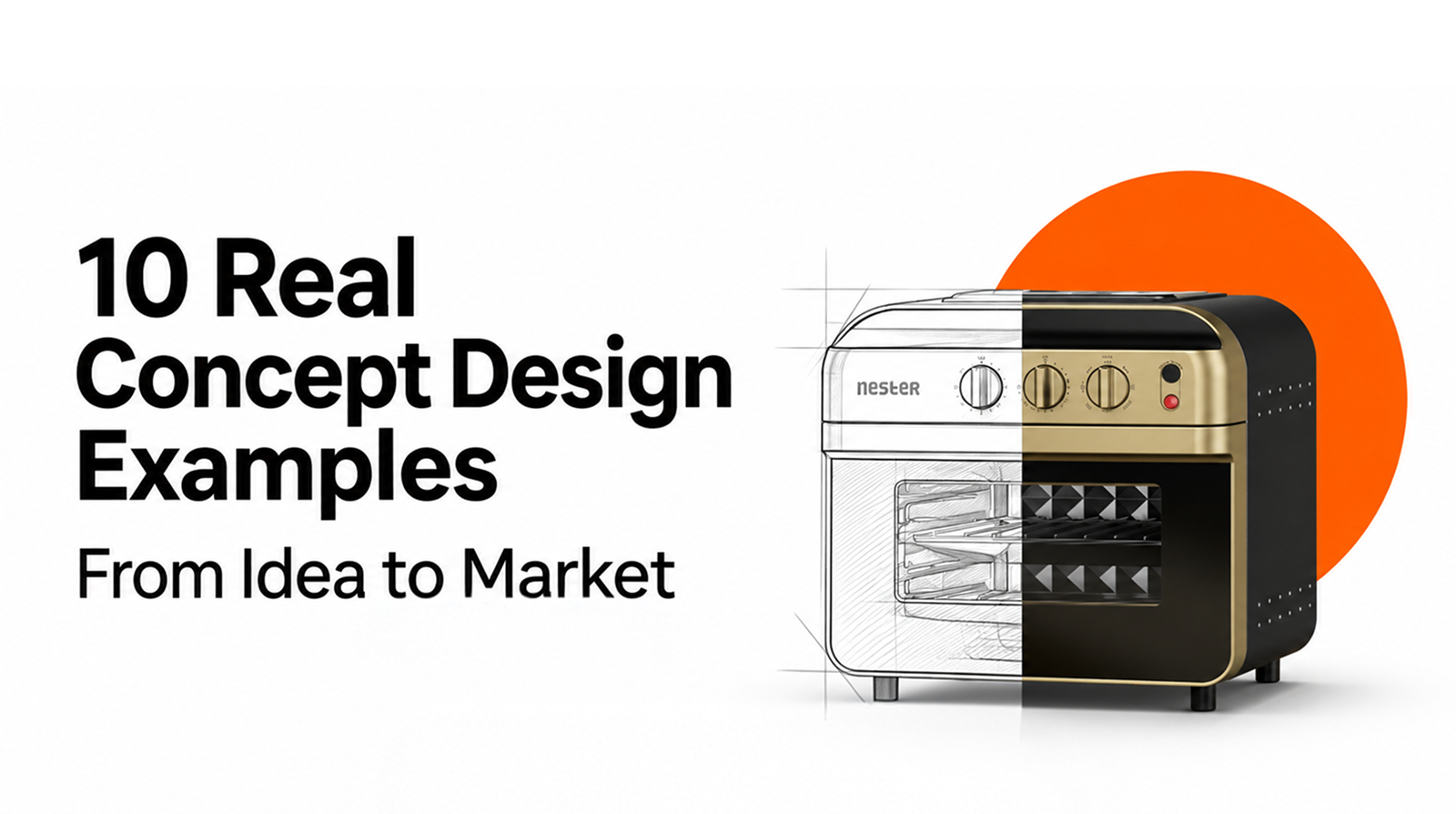
10 Real Concept Design Examples That Reached Market Impact
Across industries, concept design has shaped products that redefined expectations and created new categories.
Apple iPhone - Founded 1976 by Steve Jobs, Steve Wozniak, Ronald Wayne
The iPhone emerged from a concept design vision focused on simplicity and human interaction. Early exploration emphasized a full touch interface, minimal physical controls, and seamless integration between hardware and software. Concept sketches and prototypes tested interaction flow rather than feature quantity. This clarity shaped a product that redefined communication and computing. Introduced in 2007, the iPhone built an ecosystem that continues to drive Apple’s annual revenue beyond USD 390 billion, proving that concept design can reshape entire industries.
Dyson Vacuum Cleaners - Founded 1991 by James Dyson
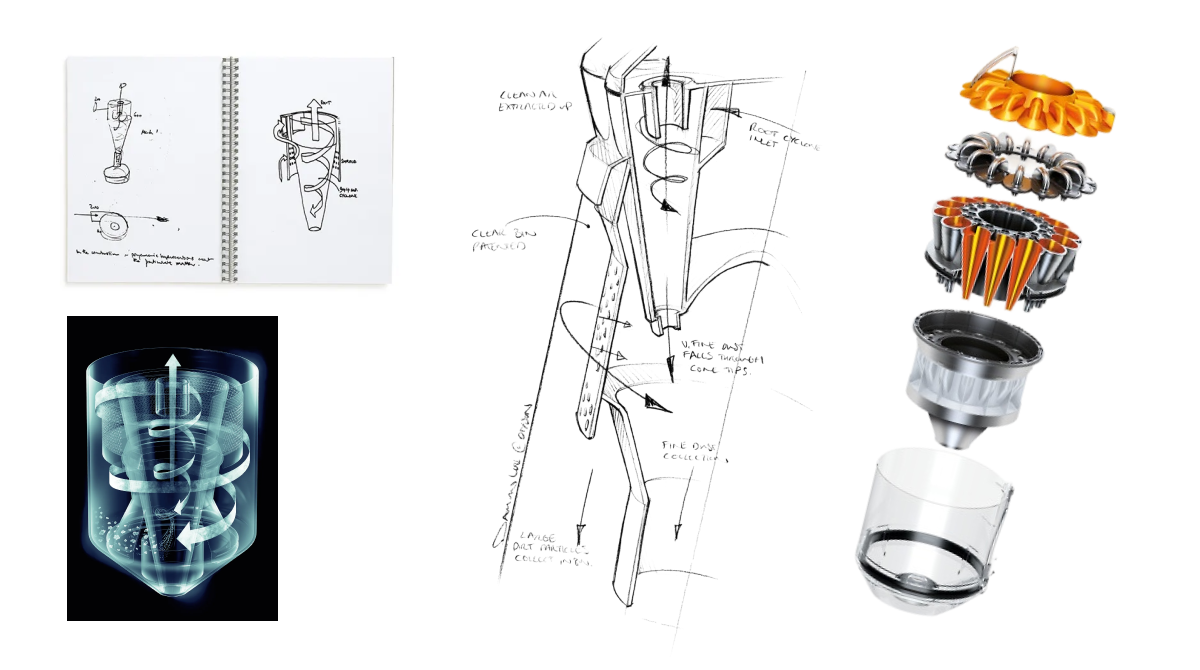
Dyson began with a clear concept design problem centered on loss of suction in traditional vacuums. James Dyson explored cyclone technology through thousands of iterations guided by performance driven concept design. Transparent chambers and bold industrial form communicated function visually. This approach differentiated Dyson in a crowded category. The brand grew into a global appliance leader generating over USD 7 billion annually.
Airbnb - Founded 2008 by Brian Chesky, Joe Gebbia, Nathan Blecharczyk
Airbnb’s early concept design focused on trust and belonging rather than listings alone. Founders used sketches and storyboards to design user journeys that felt safe and welcoming. Concept design shaped platform interaction, branding, and experience consistency. This clarity enabled global adoption across cultures. Airbnb reached valuations exceeding USD 75 billion and transformed hospitality.
Tesla Model S - Founded 2003 by Martin Eberhard, Marc Tarpenning, later led by Elon Musk
Tesla Model S concept design aimed to reposition electric vehicles as desirable and high performance. Early sketches emphasized clean surfaces, minimalist interiors, and intuitive digital controls. Sustainability aligned with aspiration rather than compromise. This direction shifted public perception of electric mobility. Tesla grew into a company generating over USD 80 billion annually.
Dyson Airwrap - Dyson, founded 1991 by James Dyson
The Dyson Airwrap began with a concept design insight around airflow physics applied to hair styling. Designers explored a product that used air rather than extreme heat. Early concepts balanced ergonomics, safety, and premium visual language. This differentiation created a new category within personal care. The product became a global success within Dyson’s portfolio.
Nest Thermostat - Founded 2010 by Tony Fadell, Matt Rogers
Nest reimagined a neglected household object through concept design focused on simplicity and learning behavior. Early sketches emphasized intuitive interaction and visual feedback. The thermostat evolved into a desirable consumer product. Rapid adoption followed. Google acquired Nest for USD 3.2 billion, highlighting how concept design elevates everyday utilities.
GoPro - Founded 2002 by Nick Woodman
GoPro originated from a desire to capture action sports authentically. Concept design prioritized durability, compactness, and mounting flexibility. Early prototypes reflected real usage scenarios rather than conventional camera design. This clarity created a new content culture. GoPro reached over USD 1 billion in annual revenue at its peak.
IKEA Flat Pack Furniture - Founded 1943 by Ingvar Kamprad
IKEA applied system level concept design to furniture. Products were designed for flat packing, efficient transport, and user assembly. Concept design integrated materials, cost, and scalability. This approach reshaped global furniture retail. IKEA generates over USD 45 billion annually through this concept driven model.
Fitbit - Founded 2007 by James Park, Eric Friedman
Fitbit emerged from a concept to make health data visible and motivating. Concept design focused on wearability, simplicity, and lifestyle appeal. Early designs emphasized emotional engagement rather than clinical complexity. This clarity drove mass adoption. Google acquired Fitbit for USD 2.1 billion.
Juicero - Founded 2013 by Doug Evans
Juicero introduced a premium concept for connected nutrition hardware. Concept design emphasized automation, aesthetics, and convenience. The product attracted strong investor interest and media attention. The journey highlighted how concept design influences perception and funding. It also demonstrated the importance of aligning concept value with daily behavior.
How to Choose the Right Concept Design Agency
Choosing the right concept design studio plays a defining role in whether an idea evolves into a successful market product. The most impactful concept design examples share one common factor: early collaboration with teams that understand both creative exploration and real-world execution. A strong studio helps shape product direction, clarify value, and prepare concepts for engineering and manufacturing readiness. This choice influences every downstream decision in the product design process.
A capable concept design studio demonstrates deep experience across multiple industries and product categories. Exposure to consumer electronics, medical devices, IoT products, or home appliances strengthens the studio’s ability to transfer insights across domains. This breadth supports better problem solving during early concept exploration. Studios with proven concept design examples that reached the market often bring sharper judgment during ideation and validation.
With over a decade of experience, Analogy has worked across consumer electronics, kitchen and home appliances, wearables, medical devices, and connected products. This cross-industry exposure strengthens concept exploration by allowing insights from one domain to inform innovation in another. Products developed through this approach benefit from deeper problem understanding and stronger differentiation. Analogy’s work reflects a balance between bold ideas and practical execution.
Analogy’s ProductPath™ framework connects concept design seamlessly with engineering, prototyping, manufacturing, and launch preparation. This end to end structure ensures that early concepts evolve with engineering readiness in mind.
By integrating product architecture and feasibility thinking during concept design, Analogy helps teams move confidently into engineering design services and rapid prototyping. This continuity reduces friction and accelerates progress through new product development stages.
▶️ Ep 2: The Untold Story | 8 Years. 3 Failed Studios. 1 Real Product | Build 2 Create
The Strategic Role of Concept Design in Innovation
Concept design extends beyond individual products into broader innovation systems. It helps organizations explore future opportunities while managing risk. By testing ideas early, companies learn faster and adapt more effectively. This learning loop supports continuous innovation rather than one-time breakthroughs.
Strong concept design also supports brand coherence. Products feel connected through shared principles and visual language. This consistency builds trust and recognition over time. As portfolios expand, concept design ensures new offerings reinforce brand identity rather than dilute it.
In investor conversations, concept design serves as a storytelling tool. Clear product visions communicate ambition, differentiation, and execution readiness. Visual concepts, validated assumptions, and structured roadmaps create confidence around long-term value creation. For startups especially, concept design often determines the ability to secure funding and partnerships.
Concept Design As A Bridge Between Creativity And Engineering
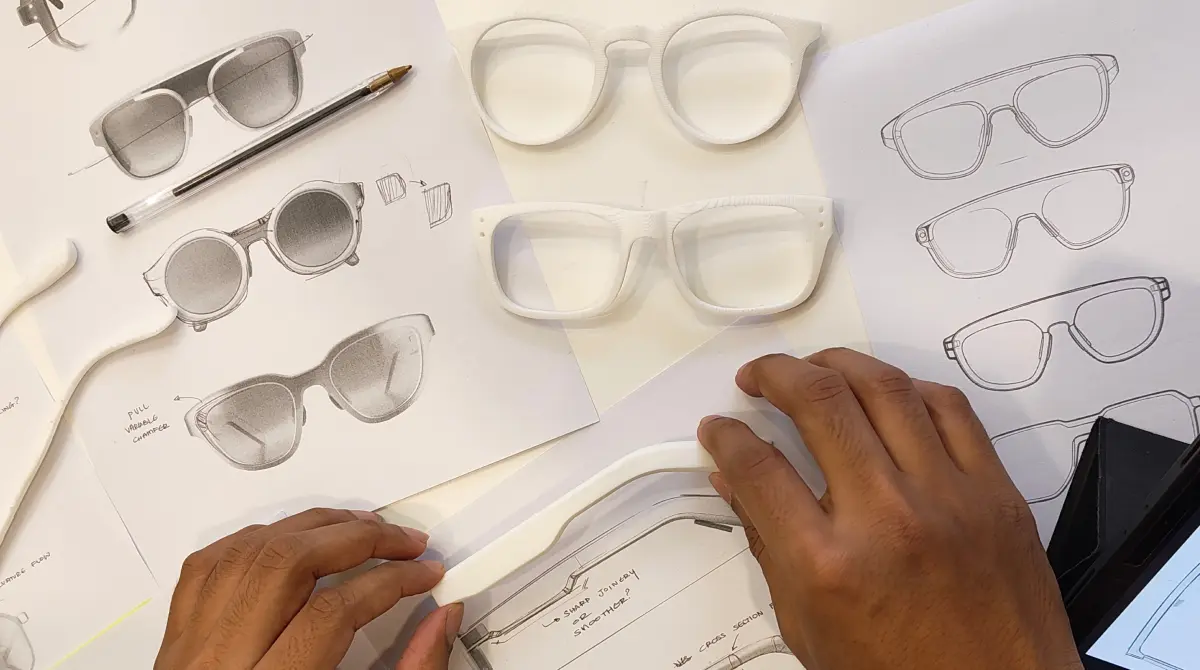
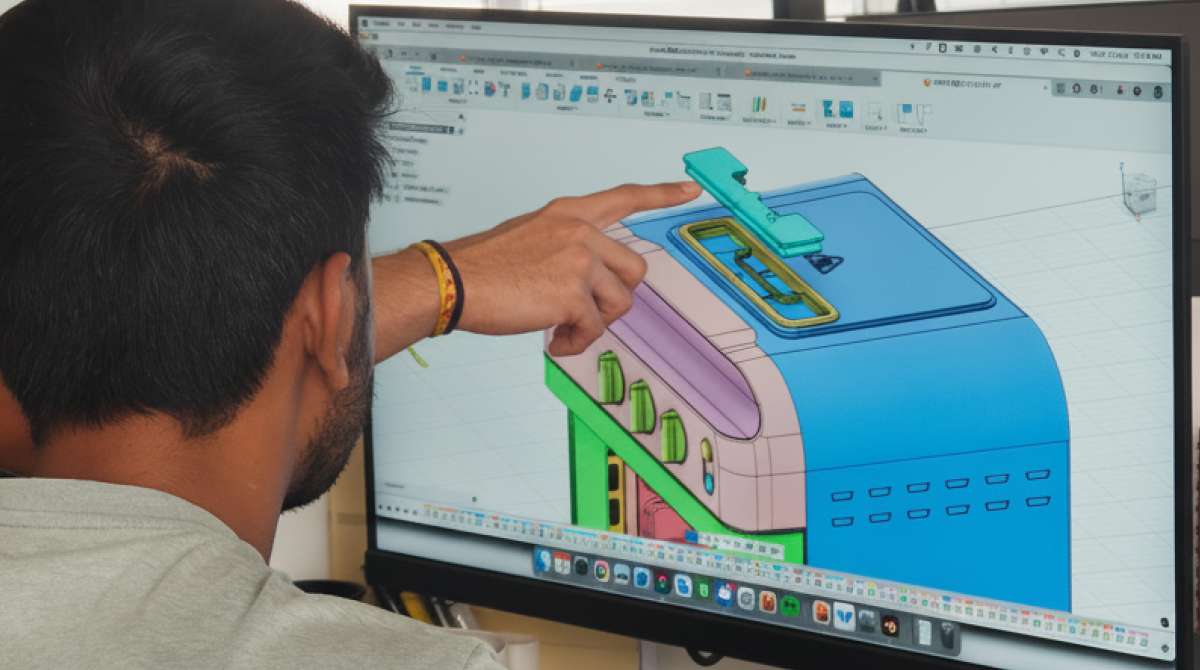
One of the most powerful aspects of concept design lies in its ability to connect creative thinking with technical execution. Designers explore possibilities while engineers assess feasibility. This collaboration prevents disconnects that slow development later. Concept design creates a shared language through sketches, diagrams, and models that both disciplines understand. As concepts progress, product architecture emerges. Decisions around components, interfaces, and manufacturing processes take shape early. This foresight simplifies engineering development and improves production readiness. Rapid prototyping builds upon validated concepts rather than exploratory guesses.
When concept design integrates engineering perspectives early, products reach the market faster and perform better. The result includes improved quality, reduced rework, and smoother transitions into scaling and manufacturing.
Best Concept Design Software For Product Design And Development
Here’s a detailed list of essential software used throughout concept design, product visualization, sketching, 3D modeling, CAD, and rendering, the core platforms that professionals use to take an idea from concept all the way to market-ready development.
Adobe Photoshop - Used for early concept sketching, visual exploration, and product mood creation
Adobe Illustrator - Used for vector based concept drawings, clean line work, and design presentations
Procreate - Used for intuitive digital concept sketching and rapid ideation on tablets
Autodesk Sketchbook - Used for freehand industrial design sketching and early concept visualization
Autodesk Fusion 360 - Used for concept level 3D modeling, product architecture, and manufacturing ready CAD
SolidWorks - Used for mechanical concept modeling, assemblies, and engineering feasibility
Rhinoceros 3D - Used for complex surface modeling and advanced industrial form exploration
KeyShot - Used for photorealistic product concept rendering and stakeholder visualization
Blender - Used for high quality 3D visualization, animations, and concept storytelling
Figma - Used for collaborative concept discussions, experience mapping, and interface alignment
Why Concept Design Determines Long Term Product Value
Products that succeed in the market often share one trait: a strong sense of purpose embedded from the beginning. Concept design embeds this purpose into every decision. It defines how a product fits into users’ lives and why it deserves attention.
This early clarity influences lifecycle sustainability. Products designed with clear concepts adapt more easily to updates, variants, and extensions. They support modularity, system thinking, and future innovation. Concept design thus protects long-term investment rather than serving only short-term goals.
As markets evolve, products rooted in thoughtful concept design remain relevant. They respond to changing expectations while preserving core value. This resilience often separates enduring brands from short-lived trends.
EP1: The hard truth about building design teams
Concept Design As The Catalyst Of Design Transformation
Concept design transforms ideas into intent, and intent into impact. It creates a foundation where creativity, strategy, and execution converge. Through structured exploration and validation, concept design gives teams the confidence to move forward with clarity.
Across industries and decades, the most influential products share a common origin in strong concept design. This stage shapes experience, feasibility, and differentiation long before engineering begins. As competition intensifies and development cycles accelerate, concept design continues to rise in strategic importance.
For founders, enterprises, and innovators, investing in concept design represents a commitment to building meaningful products with purpose and direction. It remains one of the most powerful tools for turning ideas into market-defining realities.
Sources & Citations
About The Author

Vyasateja Rao – Chief Advisor, Analogy
Vyasateja Rao is a multi-award-winning product designer with over two decades of experience, and the visionary founder of Analogy, a Bangalore-based industrial and interaction design studio. He specializes in crafting memorable and innovative experiences for both physical and digital products. After earning a Masters in Industrial Design from North Carolina State University in 2007, Vyasateja worked across the United States, Hong Kong, China, Korea, Taiwan, Singapore, and India, collaborating with Fortune 500 companies and leading design studios. His studio has received international recognition, including the Red Dot, IBDC, Singapore Design Award, and multiple patents for product innovation. Vyasateja has designed for global clients such as Panasonic, Unilever, Amazon, Marvel, and Cellairis, blending creativity with manufacturability to create breakthrough products. Beyond design, he mentors aspiring designers, teaching the importance of contrast, surprise, and hidden artifacts in creating compelling experiences.