Prototype
Development From Idea to Working Model
250+ products shipped · 24 international design awards
Trusted by teams at





The Challenge
A product can look flawless in CAD and still reveal serious problems once it becomes physical. Awkward ergonomics, poor fit, weak mechanisms, assembly issues or unexpected size can quickly turn into expensive changes later. Prototype Development brings those hidden risks to the surface early, giving your team the chance to test, refine and strengthen the product before tooling and production begin.
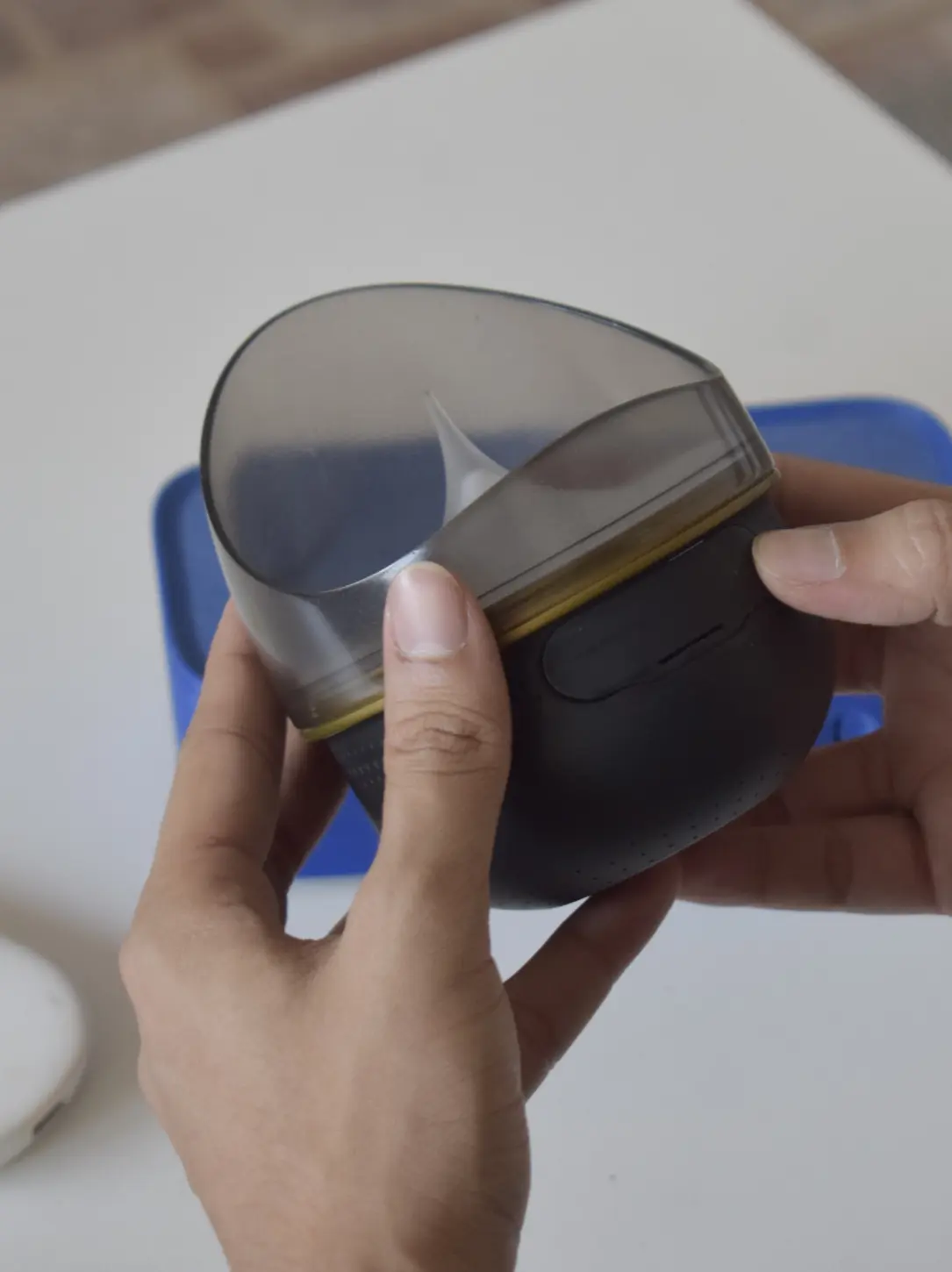
What it delivers: A clear prototype brief covering purpose, materials, functions, test goals and build approach.
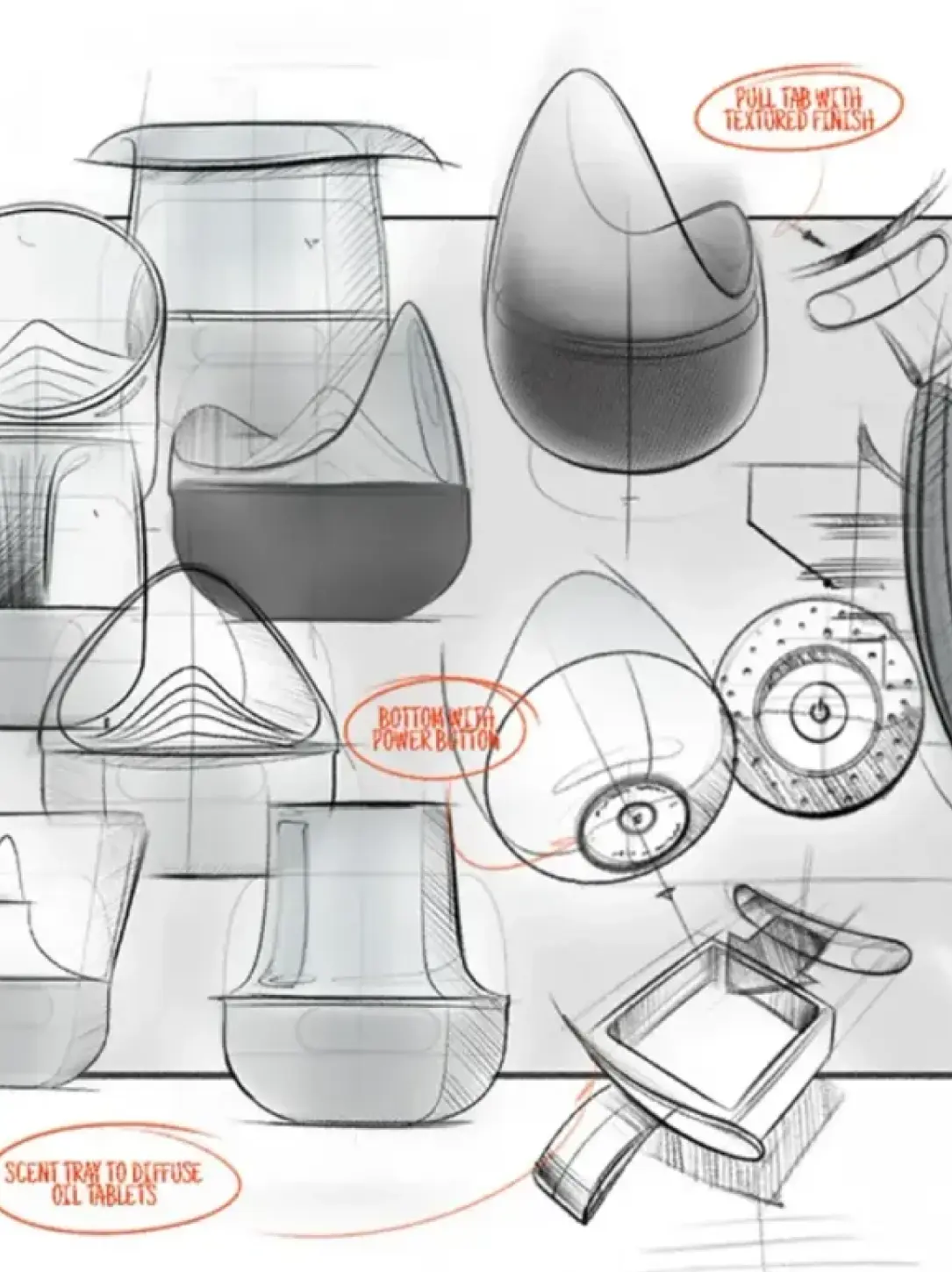
We begin by understanding what your prototype needs to prove, then review sketches, CAD, technical requirements and product goals. Based on this, we select the right level of fidelity, materials and rapid prototyping solutions so every build answers a meaningful design or engineering question.
What it delivers: A physical prototype for evaluating form, fit, function, interaction and key engineering decisions.
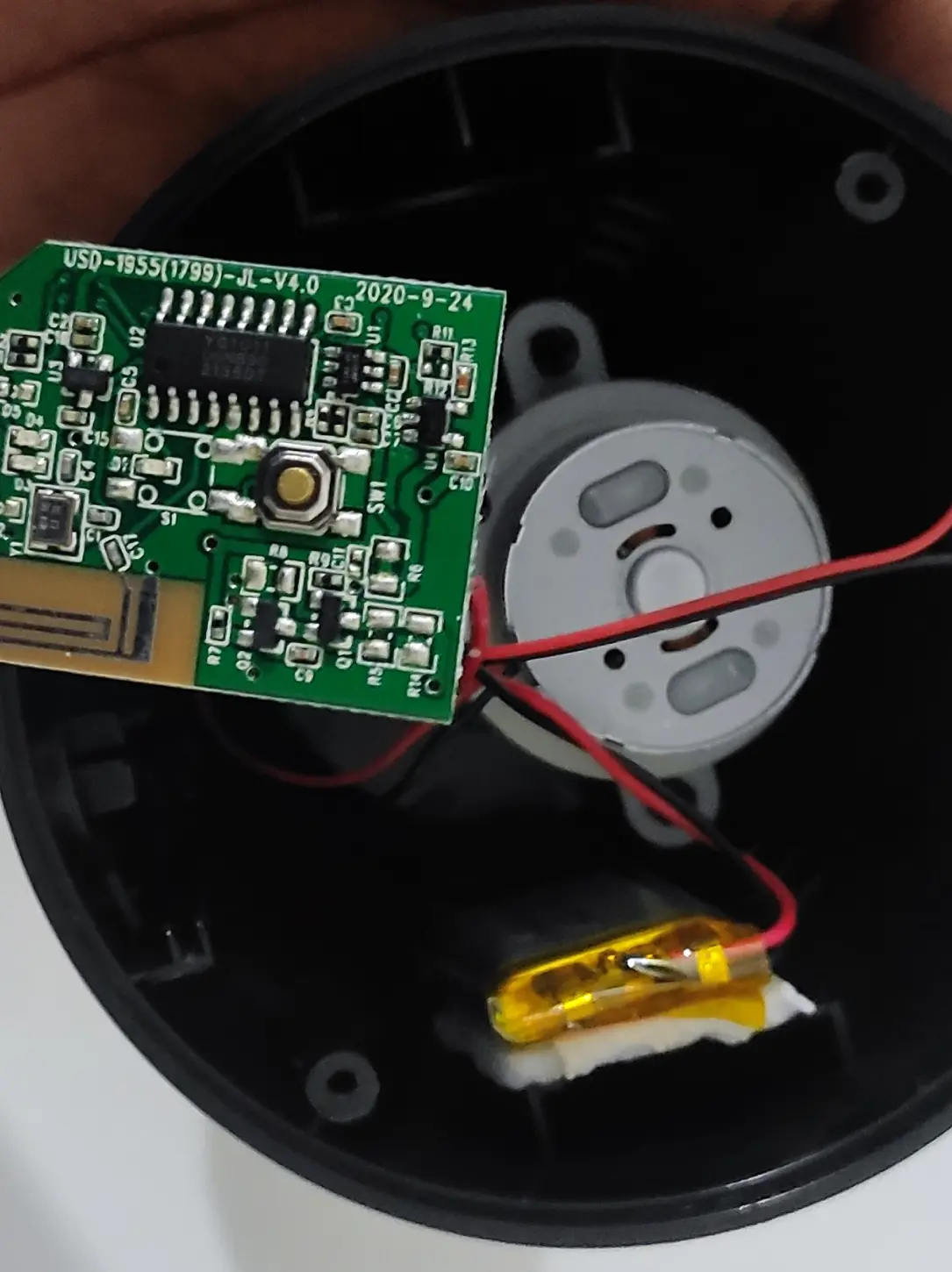
Our team develops and refines the CAD for prototype engineering, then builds the required parts using suitable prototyping processes. For hardware prototyping and consumer product prototyping, we bring enclosures, mechanisms, electronics and user touchpoints together into one physical product your team can actually experience.
What it delivers: Prototype findings, design improvements and a clear direction for the next development stage.
We test the prototype against the original goals, reviewing fit, ergonomics, assembly, mechanism performance and overall interaction. The findings are then translated into practical improvements, helping your team decide whether to build another iteration or move toward engineering, DFM and production preparation.
Prototype Design From Experts In Hardware
The Numbers Behind Our Prototype Development
250+
Products Prototyped And Shipped
72 Hrs
For The First Working Model
95%
Satisfied Delivery
3–5
Rounds Of Prototype Iteration
70+
Prototype Development Projects
21
Industries experience
Global Ergonomic Design From An Experienced Product Team
You can start with a sketch, early CAD model, reference, existing prototype or partially developed product. We shape the prototype around what you need to validate next, whether that is form, ergonomics, mechanisms, component fit, assembly or overall functionality. Working directly with the product team keeps communication clear and helps every build answer a specific product or engineering question.
Prototype development can include:
• Concept and CAD refinement
• Form and ergonomic prototypes
• Functional prototype development
• Mechanism and component testing
• Assembly and fit validation
• Material and process selection
• Design iteration and engineering refinement
• Preparation for manufacturing
If the concept needs more work before prototyping, we can first develop the design and engineering details required for a more meaningful build. Each iteration helps identify issues earlier, improve the product and reduce uncertainty, giving US teams a clearer path toward a tested and production-ready design.

Analogy Design collaborated with Cellairis to develop new product lines, including interconnected products for enterprise clients. Their team met specific manufacturing needs with hands-on involvement, clear feedback, and smooth collaboration.

Analogy has been a terrific partner for Amazon for the past three years. We have relied on them to help us penetrate new markets and increase our ROI on our gift card packaging, online and corporate designs. Analogy’s team has delivered consistently and innovated at every point. We even sold out our Diwali gift boxes in a short period of time – an amazing achievement.

Analogy brought innovation, passion, and commitment to the table, not only creating a best-in-class Smart Product experience that leaves our customers mesmerized every day, but also designing an experience that is award winning.

The experience with Analogy was excellent. I’d rate it 9 out of 10. They have good talent, leadership, and management, and they think deeply about technology and market research. They’re the best consultancy I’ve worked with.

Analogy's structured design approach and contemporary styling broke traditional norms, delivering a unique product design. Their European-inspired aesthetics are highly recommended for innovative projects.

This journey was a discovery for me and our teams, setting the tone for future products and connecting us with consumers. Thanks to Analogy for their support and excellent work.

Analogy helped us with designing our Marvel branded accessory projects. They are well trained, professional team and I enjoyed working with them. I recommend them to anyone with design projects in mind, they possess quick thinking and a well rounded skill set to create fresh new products.

Analogy collaborated with Eastern Condiments to create a new visual language for their product range. Their responsive designers kept us updated, allowing for regular feedback. The final packaging design was visually appealing and gave us a competitive edge. Analogy is committed to pushing design boundaries and delivering quality service.

The best way to predict the future is to design it, and I can’t think of a founder more ambitious than Vyas or an agency more capable of designing that future than Analogy.

Over the past year, Analogy has been a great design and manufacturing partner for LaunchBoom founders. Their ability to translate early product ideas into prototypes that are testable, manufacturing & launch-friendly has made a real difference in how confidently founders move toward crowdfunding and market entry.

A talented team with great design thinking skills and fast execution. I had a fabulous time working with them as the speed of execution was mind blowing. In less than 8 months I had a physical product to showcase at CES and it led to our acquisition in less than a year of starting up.

We wanted to create the world’s first massage backpack and we started with Analogy with an idea and they helped us develop the entire brand message, product design with the patented back mechanism as well as the crowdfunding campaign that hit the funding goal in less than 12 hours. We would love to work with them again.

Meeting Analogy was transformative. Their honesty and acknowledgment of project complexity were refreshing. Their market research and design approach are top-notch, but their real strength lies in translating vision into practical engineering. Under VT's leadership, Analogy's talent is unparalleled. For world-class product design that works, choose Analogy.

Analogy's team has been exceptional, designing and engineering a groundbreaking product for us. Their professionalism and responsiveness have been key in creating a visually stunning product, and I highly recommend them to any business or entrepreneur looking to develop a product.

Working with Analogy felt like partnering, not just hiring a vendor. From the start, there was mutual learning and comfort. The products were fantastic, beautifully delivered, and loved by customers. The CMF renders were a highlight, bringing the product to life.

Analogy's design flow, user interface, and electronics were expertly crafted, resulting in an inspiring final product. I look forward to more collaborations.

Analogy Design crafted a new brand identity and a comprehensive product range for global cuisines. Their iterative approach fostered innovation, allowing us to incorporate global feedback into a unique kitchenware line. The diverse range was strategically designed with users in mind, consistently surpassing our expectations.

I love what Analogy does and their approach to design. With global exposure and a new benchmark for Indian companies, they’re the best design studio for PHYGITAL products in India. Expertise, Empathy, and Sharpness, that’s Analogy.

It is a pleasure working with Analogy Design team. The team evaluated the product idea in a very organized and professional manner. They are a talented and creative bunch that go above and beyond to design a perfect product. Very pleasant working experience. I will certainly be using Analogy Design services again.

Brilliant bunch of folks who understand design really really well. And most important are receptive and fun to work with!

The team at Analogy is easily the smartest and the most innovative product designers I’ve met. I can’t recommend them highly enough. They have a capability to understand how to create successful designs better than anyone I’ve met.

Learn More About Prototype Development
Build to Learn Something Useful
A useful prototype starts with a clear question. You may want to understand the product’s size, grip, ergonomics, internal layout, mechanism, electronics or overall user experience. Defining this early helps determine the right level of detail, materials and fabrication method. Our prototype development services focus each build around the decisions your team needs to make next. This keeps time and investment focused on learning something that genuinely improves the product.
The prototype can then become a practical tool for design reviews, engineering discussions, user feedback and stakeholder presentations. Instead of evaluating an idea only through CAD or renders, your team can physically experience how the product behaves. This is especially useful in consumer product prototyping, where proportions, comfort and interaction can change significantly once the design is held and used. Every observation creates clearer direction for the next iteration. The result is a prototype built to move development forward.
Choose the Right Prototype for the Stage
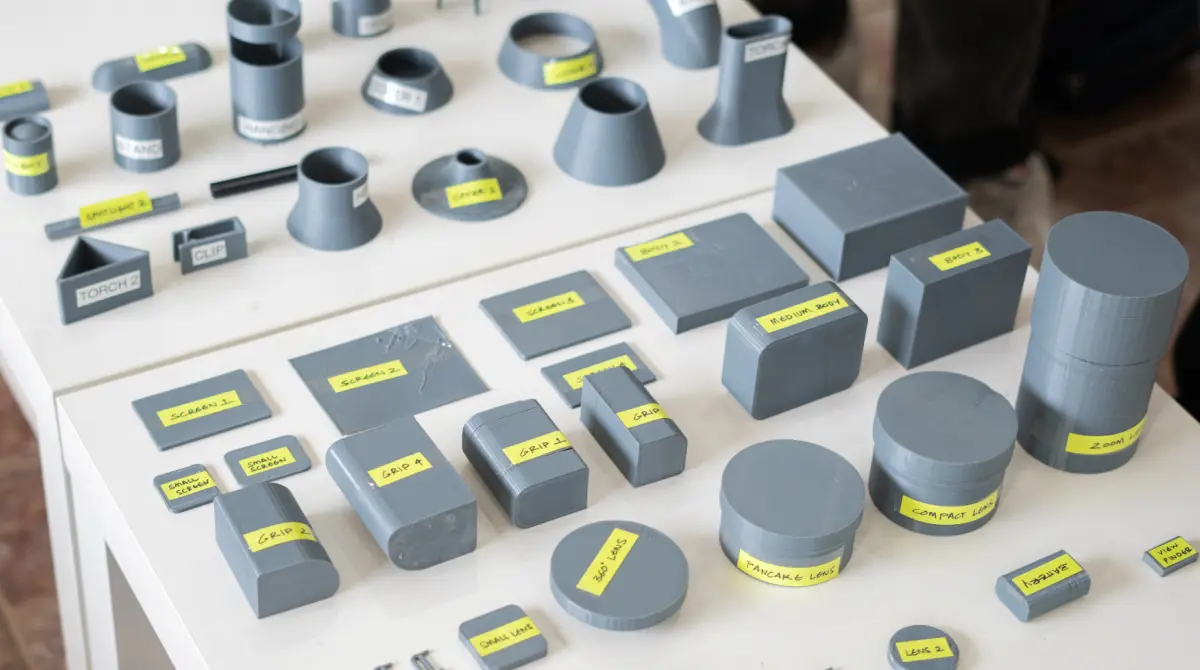
Prototype development can take many forms, and the right approach depends on where your product is today. Early prototypes may focus on volume, shape and ergonomics, while later versions can integrate mechanisms, materials, electronics and realistic assemblies. Our team selects rapid prototyping solutions according to what needs to be evaluated rather than adding complexity too early. Processes can include 3D printing, CNC machining, fabricated components, casting or a combination of methods. This helps create the right physical model for the right development question.
As the product evolves, prototype fidelity can increase alongside it. A rough form model can help settle dimensions before a more advanced functional version tests performance and interaction. This staged approach makes product prototype development services more efficient because every build has a specific role in the development journey. Your team gains useful information before investing in greater detail. Each prototype becomes a deliberate step toward a more resolved product.
Test Form, Fit and Function Together
CAD can show how components should fit, while a physical prototype shows how they actually come together. Prototype engineering allows your team to evaluate clearances, movement, fastening, assembly, access and physical interaction under real conditions. This becomes particularly important for products with moving parts or tightly packaged internal components. Small dimensional changes can influence the entire product experience. Testing these relationships physically gives engineers and designers much stronger information for refinement.
With hardware prototyping, the physical enclosure can also be developed around PCBs, batteries, displays, sensors, buttons and other electronic components. This helps reveal packaging challenges, access requirements and interaction issues while the design can still evolve. For users, it creates an opportunity to experience controls, weight, balance and overall handling more realistically. These insights can then feed directly back into CAD and engineering. The product improves as one connected system rather than as separate parts.
Refine Before Production Gets Expensive
Prototype development gives teams an important opportunity to improve a product while design changes remain relatively flexible. Dimensions can be adjusted, mechanisms refined, internal layouts reconsidered and assembly methods improved based on what the physical build reveals. This is where prototype engineering creates significant value because feedback can be translated directly into practical design changes. Each iteration removes uncertainty and gives the development team stronger evidence for future decisions. The product gradually moves from an idea that looks convincing to a design that has been physically challenged.
This becomes increasingly valuable as the project approaches tooling, DFM and manufacturing preparation. Decisions around materials, construction, fastening and part architecture can influence both performance and production. Strong prototype development services help teams identify these considerations earlier and enter later development stages with greater clarity. The goal is to create learning before major manufacturing commitments begin. A well planned prototype therefore becomes an investment in better product decisions.
Build With the Next Stage in Mind
A prototype has greater value when the team building it understands where the product is heading next. Analogy approaches Prototype Development as part of the wider product design and engineering journey, considering materials, manufacturing, assembly, electronics and future production requirements throughout the process. This helps ensure that useful lessons from the prototype can carry directly into detailed engineering and refinement. The physical build becomes connected to the larger development strategy. Your team gains both something tangible to test and clearer direction for what comes afterwards.
This approach is valuable across consumer product prototyping, hardware prototyping and prototype development for medical devices, where design, engineering and user interaction often influence each other closely. As findings emerge, CAD can evolve, engineering details can improve and the next prototype can target a more advanced set of questions. Each iteration builds confidence in the product while preparing it for the stages ahead. By the end, you have more than a physical model. You have a stronger understanding of how the product should move toward production.
Frequently Asked Questions
Here are the answers founders commonly look for. If you can’t find what you’re looking for here, contact us below.
How much does prototype development cost?
Prototype development cost depends on the product, complexity, materials, electronics and the level of functionality required. A simple appearance model can require a smaller investment, while a functional hardware prototype with mechanisms and electronics needs deeper engineering and fabrication.
We first understand what the prototype needs to prove, then define the most efficient build approach around that goal. This gives you a clear scope and quote before the physical development work begins.
What do I need before starting prototype development?
You can begin with a product idea, sketch, reference, existing CAD or a more detailed engineering design. The starting point simply determines how much design and prototype engineering is required before fabrication.
Our team reviews what you already have and identifies the fastest route toward a useful physical prototype. This makes prototype development services suitable for both early stage concepts and products already deep into development.
How long does it take to develop a prototype?
Timelines vary according to complexity, fabrication methods, part count and the amount of engineering involved. Simple physical models can progress quickly, while integrated hardware prototyping with electronics and mechanisms requires additional development and testing.
We define the prototype scope before building so you have clarity around the stages involved. Each phase is planned around the decisions your team needs to make next.
Can you build a working functional prototype?
Yes. Functional prototypes can include mechanisms, moving components, electronics, displays, controls, sensors and other features required to demonstrate how the product operates.
Our prototype engineering team brings these systems together into a physical build that can be handled and evaluated. The level of functionality is selected according to the questions you want the prototype to answer.
Which prototyping method should I use?
The right method depends on the prototype's purpose, geometry, material requirements and desired finish. Options can include 3D printing, CNC machining, fabricated parts, casting and combinations of several rapid prototyping solutions.
We select processes based on what will give your team the most useful result at that particular development stage. This keeps the prototype practical, focused and aligned with the product's next decision.
Can you prototype a product with electronics?
Yes. Hardware prototyping can bring enclosures, PCBs, displays, buttons, batteries, sensors and mechanical components together into one integrated physical prototype.
Our design and engineering teams consider component placement, internal space, user interaction and assembly while developing the build. This allows the prototype to evaluate the hardware as a connected product rather than separate parts.
How many prototype versions will I need?
The number of iterations depends on the complexity of the product and what each prototype reveals. Early versions may focus on form and ergonomics, while later versions can evaluate function, assembly, materials and production related details.
Each prototype should answer a defined set of questions before the next version begins. This makes iteration purposeful and helps the design become progressively stronger with every build.
Can you improve an existing prototype?
Yes. An existing prototype can provide valuable information about what already works and where the product can improve. We can evaluate areas such as ergonomics, mechanisms, construction, internal packaging, usability and assembly.
From there, our product prototype development services can refine the design and create the next iteration. This gives your team a clear path from an early physical build toward a more resolved product.
Do you offer prototype development for medical devices?
Yes. Prototype development for medical devices can support physical evaluation of form, interaction, ergonomics, component integration and early functional concepts.
The prototype scope is planned around the stage of development and the specific areas the team wants to evaluate. This helps create a useful physical platform for further engineering, usability work and later validation activities.
What happens after the prototype is approved?
Once the prototype reaches the intended goals, the product can move into detailed engineering, refinement, DFM and manufacturing preparation. The findings from prototype testing help guide these next decisions with stronger physical evidence.
Because Analogy works across product design, engineering and development, the same team can continue supporting the product beyond Prototype Development. This creates a smoother transition from a tested physical prototype toward a production ready design.