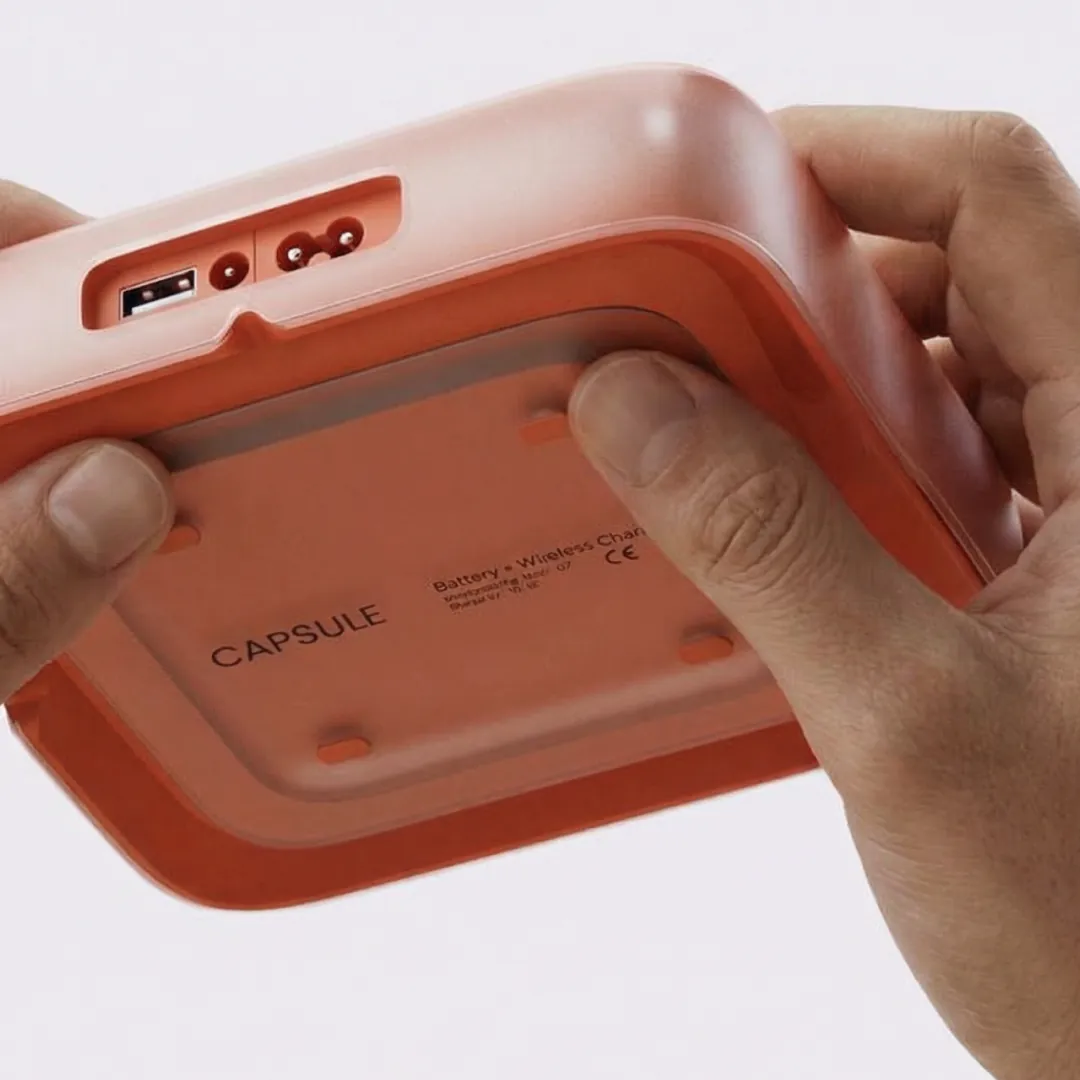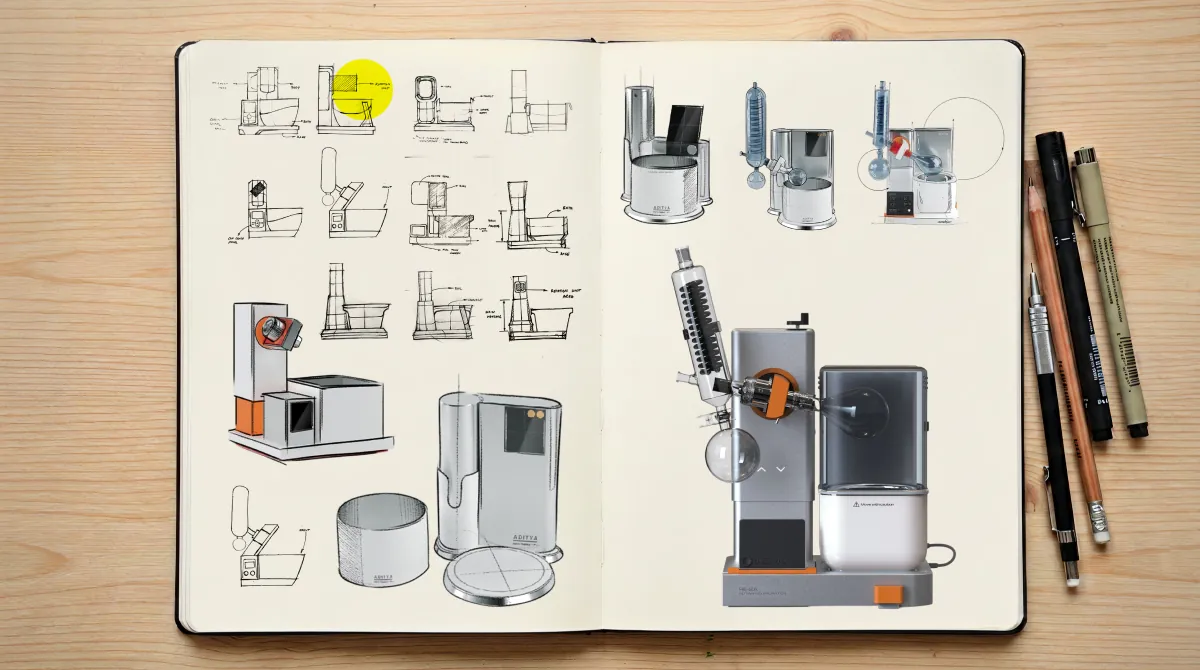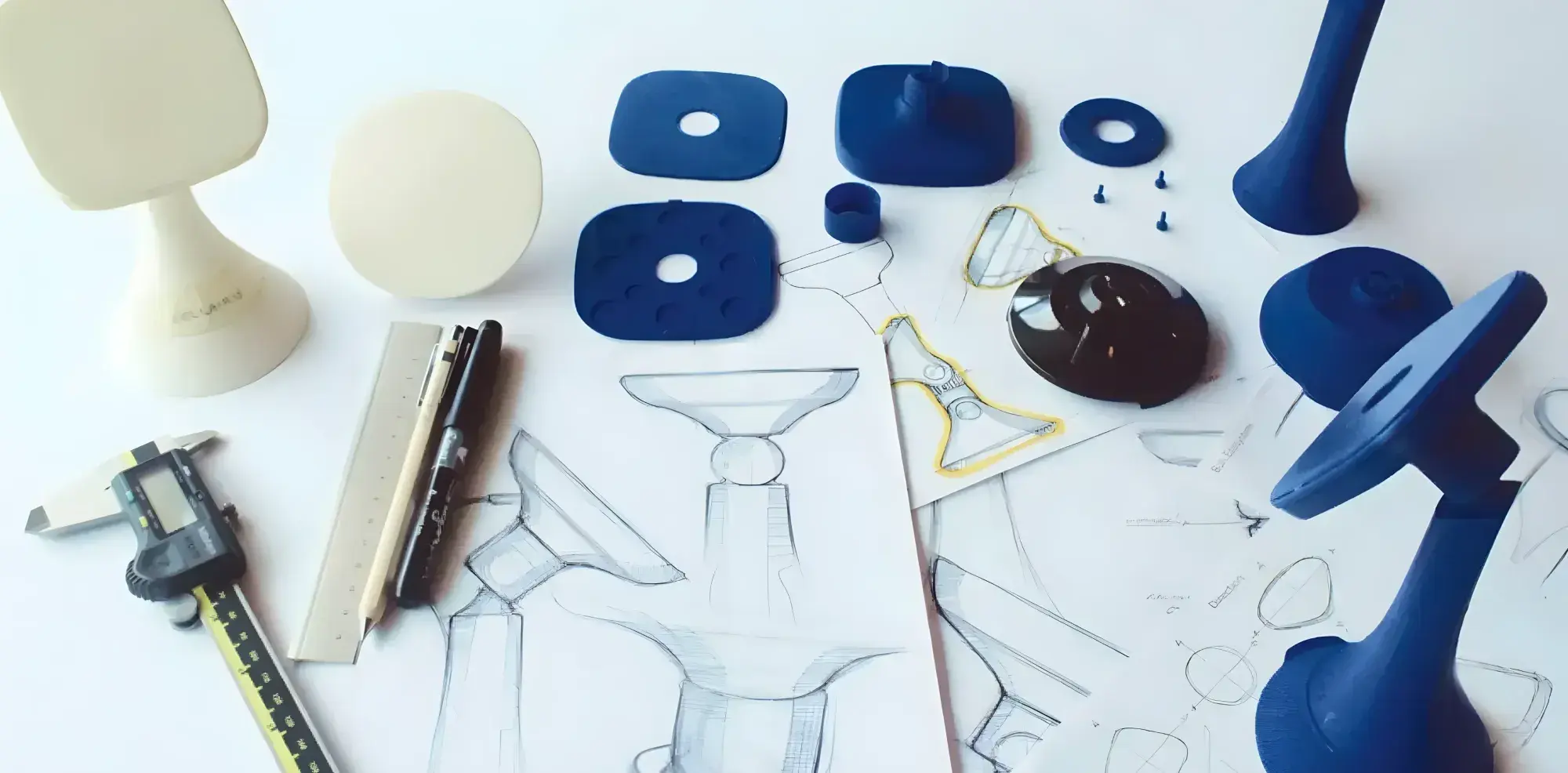
Have you ever looked at a common object and thought, "There's got to be a better way to do this"? Or maybe you've encountered a recurring problem in your daily life and wished for a solution that doesn't exist yet. If so, you've tapped into the spirit of invention! But how do you translate those initial sparks of inspiration into a tangible idea for a new invention? This blog will guide you through the exciting process of finding new invention ideas.
What does a new invention mean and why does it matter?
A new invention meaning goes far beyond simply building something that has never existed before. It is about identifying a gap, solving a real problem, and creating something that genuinely improves the way people live or work. A new invention can take many forms, whether it is a physical product, a process, a system, or even a method that reimagines how something familiar gets done. Throughout history, the inventions that have made the biggest difference were not always the most complex ones. They were the ones that addressed a need so clearly and so effectively that people could not imagine life without them. Understanding this is the first step any aspiring inventor needs to take before diving into the creative process.
Every great invention starts with a moment of realization, and that spark behind an invention is almost always rooted in frustration, curiosity, or a genuine desire to make something better. Some inventors stumble upon their ideas while solving a problem in their own lives. Others find inspiration by studying an existing product and asking what it would take to make it more useful, more affordable, or more accessible to a wider audience. That initial spark does not need to be fully formed or even logical at first. What matters is that you pay attention to it, write it down, and give yourself permission to explore it.
The spark is the beginning of every new idea invention, and learning to recognize and nurture it is one of the most important skills an inventor can develop.
Ready to build?
Tell us what you're building.
We'll tell you where the real risks sit in your specific product and what it would take to ship it, concept to production.
What steps can I take to get invention idea help when starting my journey towards innovation?
Stuck for a new invention idea? Don't fret! Surround yourself with inspiration. Talk to people in different fields about their challenges. Research emerging technologies and unmet needs in various industries, such as the Consumer Goods & Electronis industry. Brainstorm with friends or join online innovation communities. Even revisit childhood frustrations; perhaps a nagging problem from your younger years holds the key to a clever solution that can benefit others.
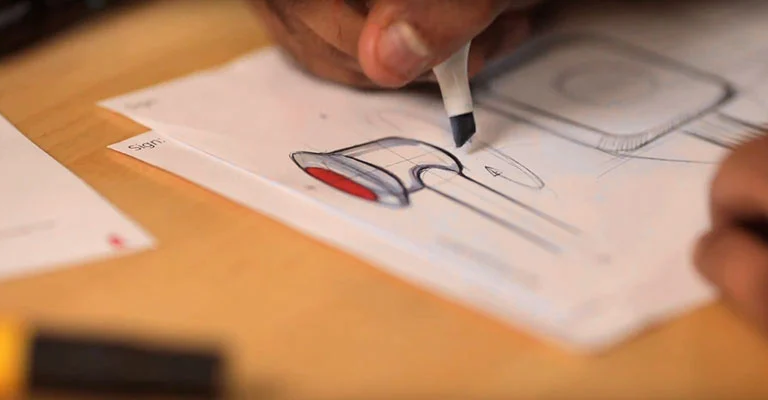
Thinking like an inventor is not reserved for people working in labs or tech companies. It is a mindset that anyone can develop by training themselves to observe the world with fresh eyes and an open mind. Start by questioning the things around you that feel unnecessarily complicated, inefficient, or frustrating. Ask yourself why things work the way they do, and whether a better approach is possible. Make a habit of writing down any new idea that crosses your mind, no matter how rough or incomplete it seems. Over time, this practice builds a reservoir of inventor ideas that you can revisit, refine, and develop into something real.
The goal is to stay curious and to treat everyday life as a constant source of inspiration for new invention ideas.
How to make an invention by effectively following a structured approach?
Taking a structured approach can turn a spark into a real invention. Start by clearly defining the problem your idea aims to solve. Research existing solutions, identifying their strengths, weaknesses, and potential gaps in the market. Sketch your ideas and functionalities in detail. Next, develop a prototype – a physical model, a computer simulation, or even a detailed drawing. Test your prototype rigorously with different user groups, identifying areas for improvement and ensuring a user-centered design. This iterative process of testing, refining, and retesting is crucial for creating a robust invention with a clear value proposition.
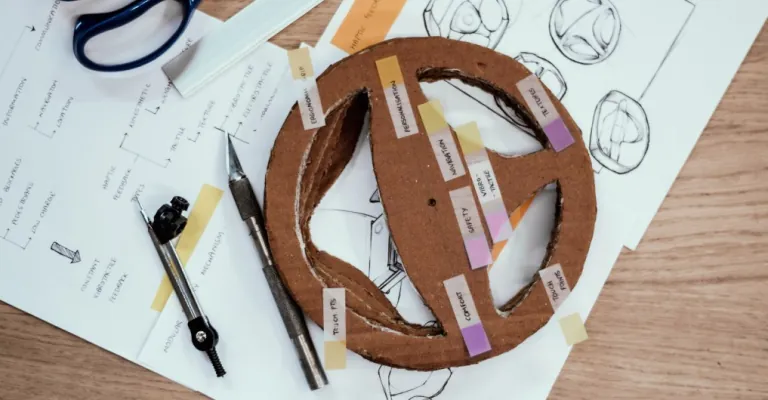
What are the key considerations and initial steps to start an invention process?
Before diving in, consider these key aspects. Firstly, understand the target market for your invention. Who needs it, and how will it benefit them? Conduct thorough market research to validate demand and identify potential pricing strategies. Research potential competitors and existing patents to ensure your creation is unique and legally protectable. Consider the feasibility of production – can it be manufactured at a reasonable cost with available materials and technologies? Finally, explore intellectual property protection. Patents safeguard your invention from being copied by others, potentially giving you a competitive edge.
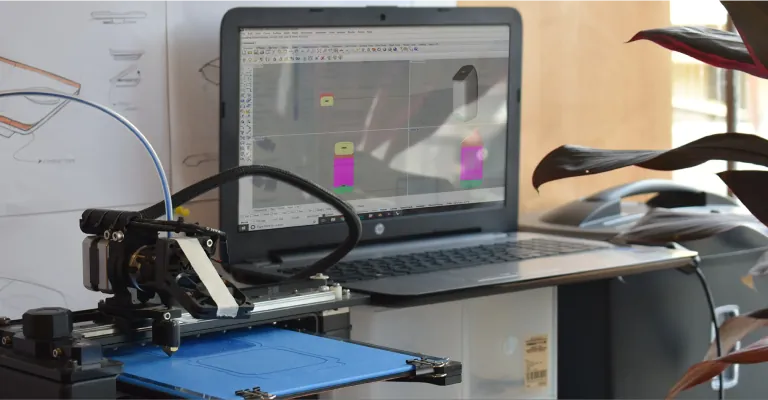
How can I make a new invention and bring my ideas to life?
The road from concept to creation can be daunting. Break down the process into manageable steps. Develop a detailed project plan outlining the resources needed – materials, tools, and potentially external expertise in areas like engineering or industrial design. Consider collaborating with other inventors, engineers, or designers to address your skill gaps and leverage their expertise. Network with potential investors or manufacturers to secure funding and production capabilities. Remember, the invention journey is rarely linear. Embrace challenges as opportunities to learn, adapt, and refine your idea. Persistence, coupled with a structured approach and a willingness to learn, will increase your chances of bringing your invention to life and making a positive impact on the world. Let's get into it.
Ready to build?
Tell us what you're building.
We'll tell you where the real risks sit in your specific product and what it would take to ship it, concept to production.
Focus on what you know
The cornerstone of your innovative journey lies within the wealth of knowledge you already possess. What ignites your deepest curiosities? Within which industry or field do you dedicate your professional life? Having a strong foundation in a specific area equips you to become a discerning eye, spotting opportunities for improvement. Perhaps you're a seasoned baker who consistently encounters a flaw in a conventional baking tool, or a musician yearning for a more streamlined practice method. Your expertise transforms into a launchpad, propelling you towards fertile ground for invention.
One of the most underrated sources of inventor ideas is your own professional or personal experience. When you spend years working in a particular industry or pursuing a specific hobby, you develop an intimate understanding of what works and what does not. That depth of knowledge makes it far easier to spot the kind of inefficiency or gap that a truly useful new invention can fill. Think about the tools, systems, or products you use regularly and ask yourself which ones consistently fall short of what you need them to do.
The answers you come up with are not just observations. They are the raw material for your next big idea for a new invention, and they carry the weight of real-world understanding that no amount of outside research can replace.
Become a problem detective
Transform yourself into a keen observer of the commonplace. Look around you and become attuned to the everyday annoyances and frustrations that plague you and those in your social circle. The spark for brilliant ideas for new inventions does not need to ignite from monumental challenges; even minor inconveniences can blossom into groundbreaking creations. Pay close attention to people's routines, ask probing questions about their daily tasks, and pinpoint what could be simplified or made more efficient. Does your friend perpetually wrestle with untangling their headphones, a daily battle that drains their patience? Does your family waste precious time searching for misplaced keys, a frantic ritual that disrupts mornings? These everyday hassles can be the seeds of truly revolutionary inventions.
A useful practice for any aspiring inventor is to keep a dedicated notebook or notes app where you record every moment of friction you experience throughout the day. These moments, the small delays, the confusing interfaces, the products that almost work but not quite, are the seeds of genuinely valuable new invention ideas. Over time, patterns will begin to emerge, and certain recurring frustrations will stand out as particularly worth solving. This kind of systematic observation is what separates inventors who find strong ideas from those who keep waiting for inspiration to strike.
When you approach daily life as a problem detective, you begin to see the world not as it is but as it could be, and that shift in perspective is where every great new idea invention begins.
Break down the problem
Once you've identified a source of frustration, resist the urge to settle for a surface-level understanding. Delve deeper, dissecting the problem into its fundamental components. What specific needs are left unmet by the current solutions? For example, tangled headphones point to a core issue with portability and organization. By peeling back the layers of the problem, you can define a clear target for your invention.
What will address this need most effectively? Is it a self-coiling cord, a magnetic clasp, or a completely new way to carry headphones altogether?
Research existing solutions
Before diving headfirst into crafting your invention, take a strategic pause to conduct thorough research. What existing products are currently available that address the need you've identified? Analyze their strengths and weaknesses meticulously. Can you refine their design or functionality to create a superior offering? Perhaps a completely new approach is necessary. By gaining a comprehensive understanding of the competitive landscape, you can position your new invention idea strategically and pinpoint niches in the market where it can make a substantial impact.
When you research existing ideas in your space, you are not just looking for competition. You are building a clearer picture of what the market already accepts and where the genuine opportunities lie. Pay close attention to customer reviews of products similar to what you are imagining, because those reviews are often filled with unfiltered feedback about what people wish were different. Look at the complaints, the workarounds users have invented for themselves, and the features people consistently ask for but never find.
This kind of research helps you design a new invention that does not just replicate what already exists but meaningfully improves on it. The best product invention strategy is always built on a thorough understanding of the landscape you are entering, so that your idea fills a real void rather than adding noise to an already crowded space.
Think outside the box
Now comes the moment where the magic happens! True innovation flourishes when seemingly disparate ideas are cross-pollinated. Seek inspiration in solutions from entirely different fields. How can technology used for sports equipment be adapted to elevate kitchen tools, creating a more efficient and enjoyable culinary experience? Can architectural principles, focused on space optimization and functionality, be applied to revolutionize clothing design, resulting in garments that are both stylish and practical? Challenge yourself to perceive existing products through a fresh lens. This creative cross-fertilization can ignite truly groundbreaking approaches to your invention. Read our blog about how we did that when designing a kids bike that grows with them.
Be practical and critical
However, don't let the initial excitement cloud your judgment. While the "coolness" factor can be a consideration, meticulously evaluate your idea's practicality, usefulness, and market demand. Consider alternative uses for your invention and solicit feedback from a diverse range of perspectives. Will people genuinely find this useful? Can it be produced at a reasonable cost, ensuring its accessibility to a broad audience? Applying a critical lens to your idea early in the process can save you valuable time and resources down the road.
Embrace the brainstorm
Finally, unleash your inner inventor and set your imagination free. Shed inhibitions and explore all ideas, no matter how outlandish they may seem at first blush. Some of the most groundbreaking inventions have emerged from seemingly wacky concepts. Gather a group of friends, family, or fellow innovators and bounce thoughts off each other. The next breakthrough might be just around the corner, waiting to be discovered. Embrace the messy, creative process and allow your imagination to soar. Collaborate and experiment, and together you might just stumble upon a game-changing invention.
How to Take an Invention From Thought to Action?
Knowing how to start an invention idea is often the biggest hurdle for people who have a genuine spark of inspiration but are not sure what to do with it. The best place to begin is with a clear and honest description of the problem you want to solve. Write it down in plain language, without worrying about solutions yet. Once the problem is defined, research whether anyone else has tackled it and how far they got. From there, sketch out what your solution might look like, even if it is a rough drawing on a piece of paper. This early stage is not about perfection. It is about getting the idea out of your head and into a form you can work with, share with others, and build on over time.
Starting small and staying consistent is the most reliable way to turn a new invention idea into something real.
How to Create a New Invention For a Smart Product?/
Learning how to create a new invention that actually reaches the market requires more than creativity. It requires a clear product invention strategy that accounts for design, development, testing, and eventual launch. Once you have a defined concept, the next step is to map out the key stages your invention needs to pass through before it is ready for the world. This includes refining the core design so it solves the problem as efficiently as possible, identifying the materials or technologies needed to build it, and testing early versions with real users who can give you honest feedback.
A smart strategy also means protecting your idea early by exploring patent options and understanding the intellectual property landscape in your category. Inventors who treat the development process as a structured journey, rather than a series of random experiments, are far more likely to arrive at a finished product that is both innovative and commercially viable.
How to Make an Invention That Stands Out in a Crowded Market?
Understanding how to make a new invention is one thing, but knowing how to make one that genuinely stands out requires a deeper level of thinking about your target audience and what they truly value. Once you have a working prototype or a refined concept, put it in front of real people and listen carefully to their reactions. The goal at this stage is not to defend your idea but to understand how others experience it and what would make it more useful or desirable to them. Pay attention to the language people use when they describe the problem your invention solves, because that language will become invaluable when it comes to communicating your product's value to the market. The inventions that succeed are rarely the most technically impressive ones.
They are the ones that feel intuitive, solve a real problem elegantly, and make the people who use them wonder how they ever managed without them. Staying close to your users throughout the development process is the most powerful competitive advantage any inventor can have.
Conclusion
Now that you have learned how to come up with a new invention, read our guide on how to manufacture your product idea.
An idea might be unique and never done before, but does it solve a real-world problem? Is there a need for the product to be designed and manufactured, or is it a vague concept that might actually not add value to the current ecosystem? We are surrounded by products that make our lives easier, some stand out and revolutionize industries, while others solve very mundane problems but bring a touch of convenience.
Finding new ideas for invention is just the first step on your exciting journey. The road ahead will involve prototyping, testing, and refining your creation. But with a structured approach, a keen eye for problems, and a willingness to explore, you'll be well on your way to transforming your innovative spark into a tangible invention that makes a difference. So, start observing, questioning, and brainstorming. The world of creation awaits your unique perspective! Remember, even the most groundbreaking ideas often started small. Don't be afraid to experiment, seek feedback, and iterate on your design. There are many resources available to aspiring inventors, from online communities and workshops to maker spaces and mentorship programs. Take advantage of these opportunities to connect with like-minded individuals, learn from experienced inventors, and gain valuable insights into the invention process. Read our blog on how to create positive impact on creative ideas.
Ready to build?
Tell us what you're building.
We'll tell you where the real risks sit in your specific product and what it would take to ship it, concept to production.