What Is An MVP Launch Strategy?
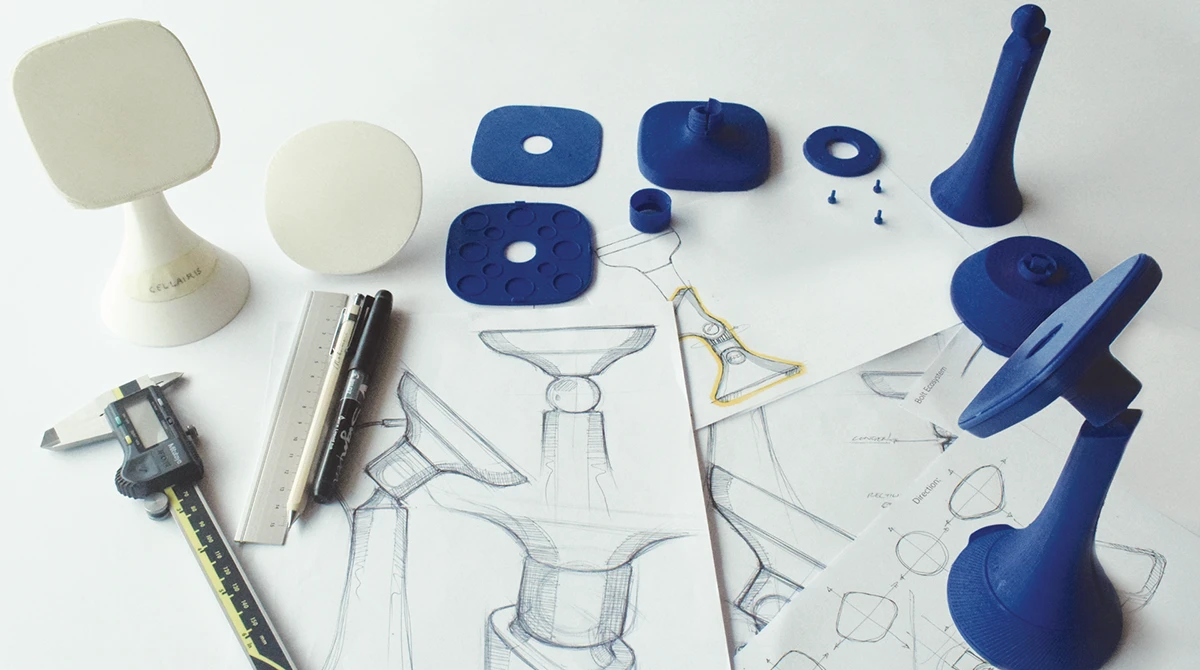
An MVP launch strategy is a structured approach to bringing a minimum viable product to market with clarity and focus. The MVP Launch Strategy begins at the concept design stage, where the idea transforms into a tangible solution shaped around real user needs. Instead of chasing scale immediately, the goal centers on validating demand, refining the product value proposition, and preparing a focused product launch plan. This approach creates momentum while preserving resources.
At its core, an MVP launch strategy connects concept design with a practical go to market strategy. Founders align product positioning, early messaging, and target audience insights before investing in large scale production. Every step supports measurable learning and steady improvement. The result is a strong foundation for a successful product launch.
A thoughtful MVP launch strategy also supports long term growth. Clear launch planning, defined launch metrics, and early user feedback shape future decisions. Teams gain confidence through real market signals instead of assumptions. This clarity sets the stage for product market fit and scalable expansion.
How MVP Launch Strategy Evolved
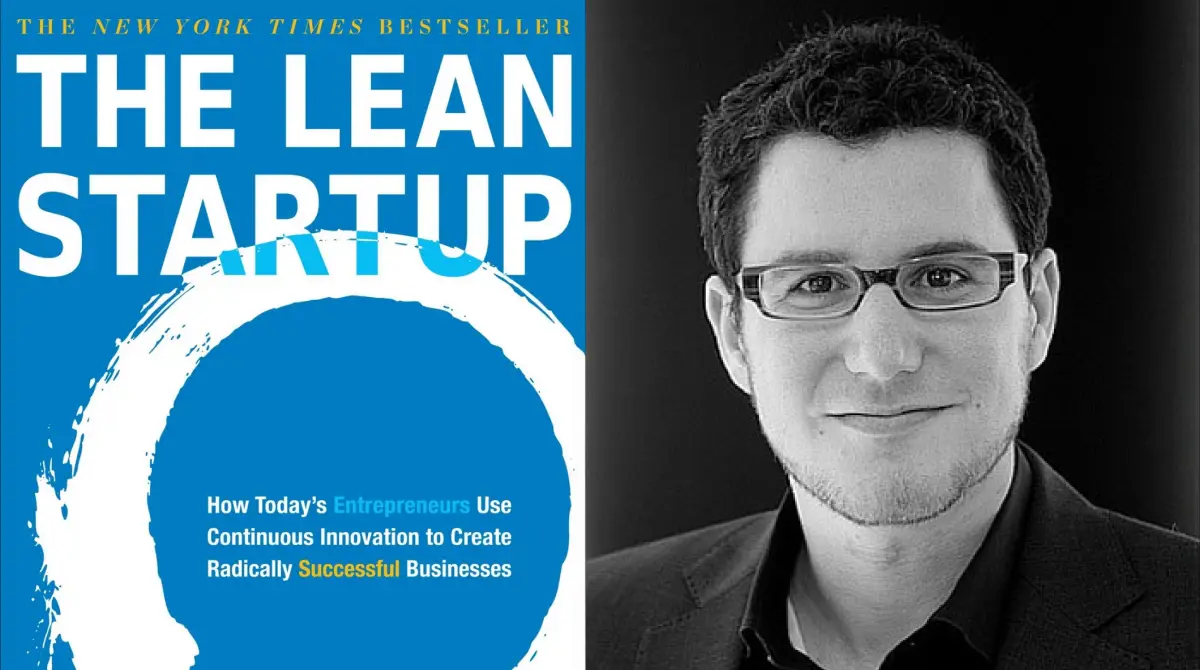
The MVP launch strategy gained global recognition in 2011 when Eric Ries introduced it through his book The Lean Startup. His framework encouraged founders to connect concept design with rapid experimentation and real market feedback. Instead of long product launch cycles built on assumptions, startups began focusing on minimum viable products that could validate demand early. This shift reshaped go to market strategy thinking and introduced a smarter path toward product market fit.
Over time, MVP launch strategy evolved into a structured system that blends product validation before launch, clear product positioning, and a defined product launch roadmap. Digital platforms, analytics tools, and agile development accelerated the speed of launch planning and market entry strategy execution. Modern startups now integrate launch metrics, pre launch strategy, and sales funnel optimization from day one. This evolution enables founders to move from concept design to scalable growth with clarity and confidence.
5 Powerful MVP Launch Strategies For Exponential Growth
1. Early Access MVP Launch Strategy
Invite a limited group of users to experience the product during the concept design stage. This MVP Launch Strategy approach strengthens product validation before launch and generates authentic feedback. Early access builds community trust and supports a focused go to market strategy.
2. Beta Launch Strategy
Release the MVP to a controlled audience for structured pre launch testing. This Beta Launch method refines product positioning, usability, and messaging before a full product launch plan rolls out. Beta insights improve launch metrics and support product market fit.
3. Soft Launch Strategy
Introduce the product in a specific geography or niche segment as part of a phased market entry strategy. A soft launch allows teams to optimize pricing, distribution, and sales funnel optimization. This soft launch creates a smoother transition into a broader product launch roadmap.
4. Crowdfunding MVP Launch Strategy
Use crowdfunding platforms to validate demand while generating early revenue. This crowdfunding MVP approach aligns concept design with real buyer interest and strengthens product storytelling. It also supports brand launch visibility and community driven growth.
5. Partnership Led MVP Launch Strategy
Collaborate with strategic partners or industry influencers during launch planning. Partnerships accelerate reach, enhance product positioning, and improve go to market execution. This partnership led MVP strategy works well for hardware product launch and global market entry initiatives.

Why Every Startup Needs A Go To Market Strategy
Every startup begins with excitement around concept design, innovation, and breakthrough ideas. Yet sustainable growth comes from a proven go to market strategy that transforms ideas into revenue. A structured go to market plan defines who the product serves, how it stands out, and which channels drive traction. This essential clarity turns a product launch into a focused growth engine rather than a hopeful announcement.
A strong go to market strategy sharpens product positioning and strengthens the product value proposition. It ensures that every marketing message and sales interaction communicates a clear outcome for the customer. Naturally, when concept design aligns with a focused market entry strategy, launch planning feels effortless and execution becomes more predictable. Teams operate with confidence because each action supports measurable launch metrics and a well defined product launch roadmap.
Startups that prioritize a strategic framework experience faster product market fit and higher product launch ROI. They build momentum through pre launch strategy, early validation, and consistent sales funnel optimization. The secret to scalable success lies in connecting concept design to real market demand through disciplined execution.
Are you building your next product around a powerful go to market strategy, or leaving growth to chance?
Here are 5 easy steps to build market positioning from Day 1 itself:
1. Clear Market Positioning From Day One
A defined go to market strategy sharpens product positioning and strengthens the product value proposition. It ensures that concept design aligns with real customer expectations and market demand. Clear positioning builds credibility and competitive advantage during market entry.
2. Structured Product Launch Plan
A focused strategy supports a well defined product launch roadmap. Teams gain clarity on launch phases, timelines, and performance benchmarks. This structure improves coordination across branding, marketing, and sales efforts.
3. Smarter Resource Allocation
Startups operate with limited capital and time. A practical go to market plan prioritizes the right customer segments and distribution channels. Strategic launch planning increases efficiency and improves product launch ROI.
4. Measurable Growth Through Launch Metrics
Defined launch metrics provide visibility into traction, engagement, and conversion performance. Data driven insights support sales funnel optimization and long term market expansion strategy. This measurement driven approach accelerates sustainable growth.
5. Stronger Investor And Partner Confidence
A well articulated go to market strategy demonstrates clarity and scalability. Investors respond positively to structured product launch strategy and validated market entry plans. Clear execution frameworks signal readiness for growth and global market entry.
Product Validation Before Launch: Reducing Market Risk
Every powerful concept design carries promise, yet market success depends on validation. Product validation before launch forms the proven backbone of a confident product launch strategy. When startups test assumptions early, they gain clarity on demand, usability, pricing, and positioning. This essential process strengthens the go to market strategy and prepares the product for smoother market entry.
A structured pre launch strategy refines the product value proposition and aligns messaging with real customer expectations. Naturally, when concept design evolves through feedback and measurable insights, launch planning becomes precise and performance driven. Strong validation improves launch metrics, accelerates product market fit, and enhances product launch ROI. The result is a focused and scalable product launch roadmap.
6 Proven Ways To Reduce Market Risk
1. Conduct In Depth Customer Discovery Interviews
Engage directly with your target audience to understand real pain points and buying behavior. These insights sharpen product positioning and strengthen your go to market plan.
2. Build Rapid Prototypes For Early Feedback
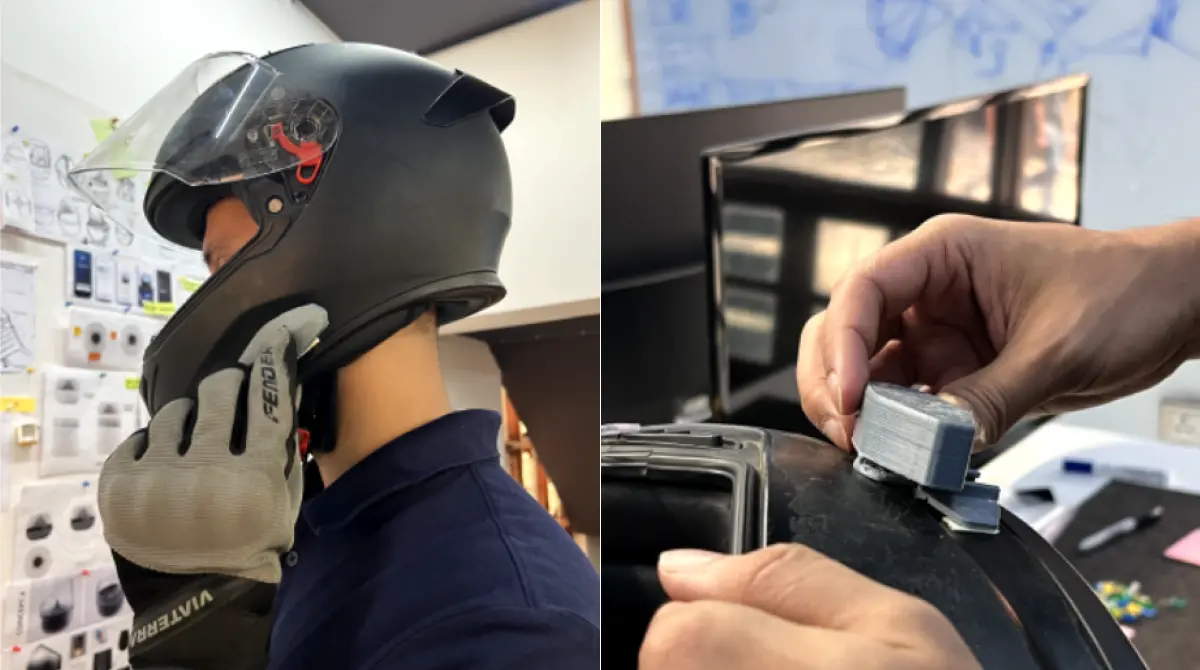
Transform concept design into tangible prototypes that users can experience. Early interaction reveals usability gaps and improvement opportunities before full scale production.
3. Run Structured Pre Launch Testing Programs
Invite early adopters to test the MVP in controlled environments. This approach generates actionable feedback that supports a stronger product launch strategy.
4. Validate Pricing With Target Audience Segments
Test different pricing models to identify perceived value and purchase intent. Clear pricing validation enhances product launch ROI and overall market entry strategy.
5. Test Messaging To Refine Product Positioning
Experiment with different headlines, value propositions, and communication angles. Optimized messaging increases engagement and supports sales funnel optimization.
6. Track Early Launch Metrics For Data Driven Decisions
Measure user activation, retention, and conversion rates from the start. Defined launch metrics guide improvements and move the product closer to sustainable product market fit.
Which of these validation strategies will you prioritize before your next product launch, let us know at business@analogydesign.co
We would love to help you.
Defining Product Positioning & Value Proposition
A powerful concept design gains real traction when the market clearly understands its value. Product positioning and product value proposition shape how customers perceive, compare, and choose your solution. Strong positioning creates a distinctive space in a crowded market and strengthens your go to market strategy. This essential clarity transforms a product launch into a compelling market entry.
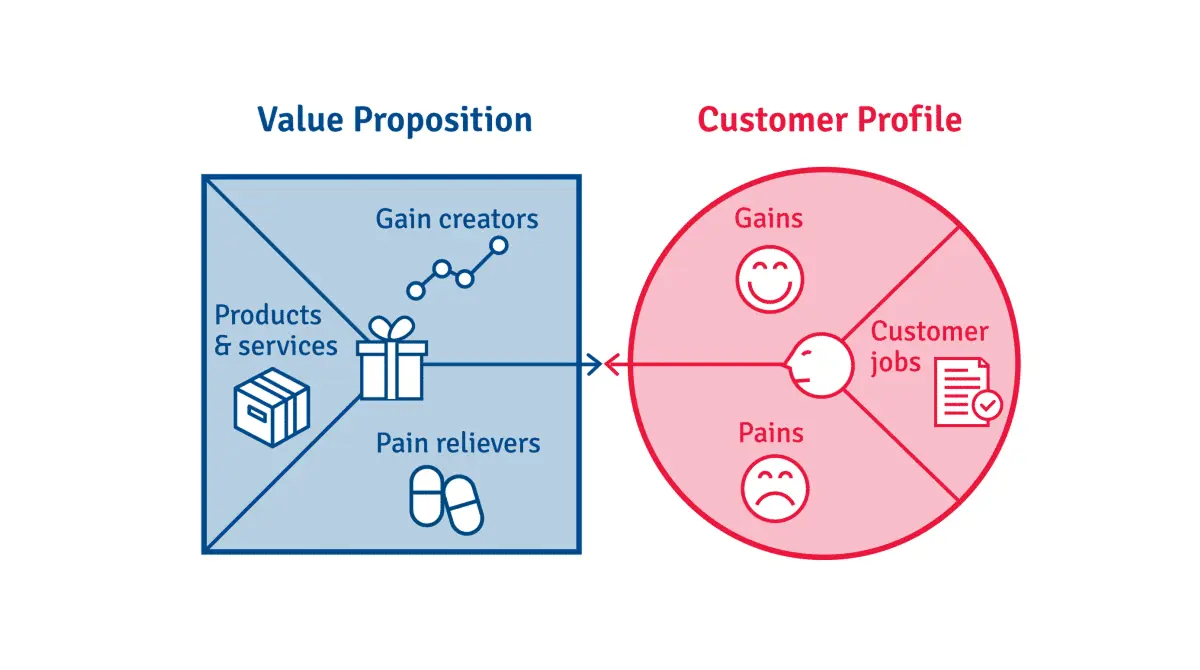
Product positioning defines who the product serves and why it matters. It highlights the target segment, the core problem, and the unique benefit that sets the solution apart. A sharp product value proposition communicates measurable outcomes rather than features alone. When concept design aligns with customer priorities, messaging becomes persuasive and memorable. A well defined positioning strategy also strengthens your product launch roadmap and overall product marketing strategy. It guides pricing decisions, branding tone, and channel selection within your go to market plan. Clear positioning improves launch metrics, enhances sales funnel optimization, and accelerates product market fit.
Mastering Product Positioning For Startup Growth
Strong concept design deserves equally strong product positioning and a compelling product value proposition. When customers instantly understand who the product serves and the outcome it delivers, traction increases naturally. Clear positioning strengthens your go to market strategy and elevates every stage of the product launch plan. Refining this foundation creates a powerful advantage in competitive markets.
1. Define A Specific Target Segment
Clarity begins with focus. Identify a precise customer group within your market entry strategy and understand their priorities, behavior, and buying triggers. Specific targeting sharpens product positioning and improves launch metrics.
2. Highlight A Clear Core Problem
Position your product around one urgent problem rather than multiple features. A focused message strengthens the product value proposition and improves engagement across your go to market plan.
3. Communicate Tangible Outcomes
Shift from feature driven messaging to benefit driven communication. Quantifiable results enhance credibility and support a successful product launch.
4. Differentiate With Strategic Advantage
Identify what makes your concept design unique in the competitive landscape. Clear differentiation enhances brand recall and strengthens your product launch roadmap.
5. Align Messaging Across All Channels
Consistency across website copy, launch campaigns, and sales conversations reinforces positioning. Unified communication improves sales funnel optimization and customer trust.
6. Validate Messaging With Real Users
Test headlines, value statements, and positioning angles through pre launch strategy experiments. Data driven insights refine your product marketing strategy and accelerate product market fit.
Building a Product Launch Roadmap for MVP Success
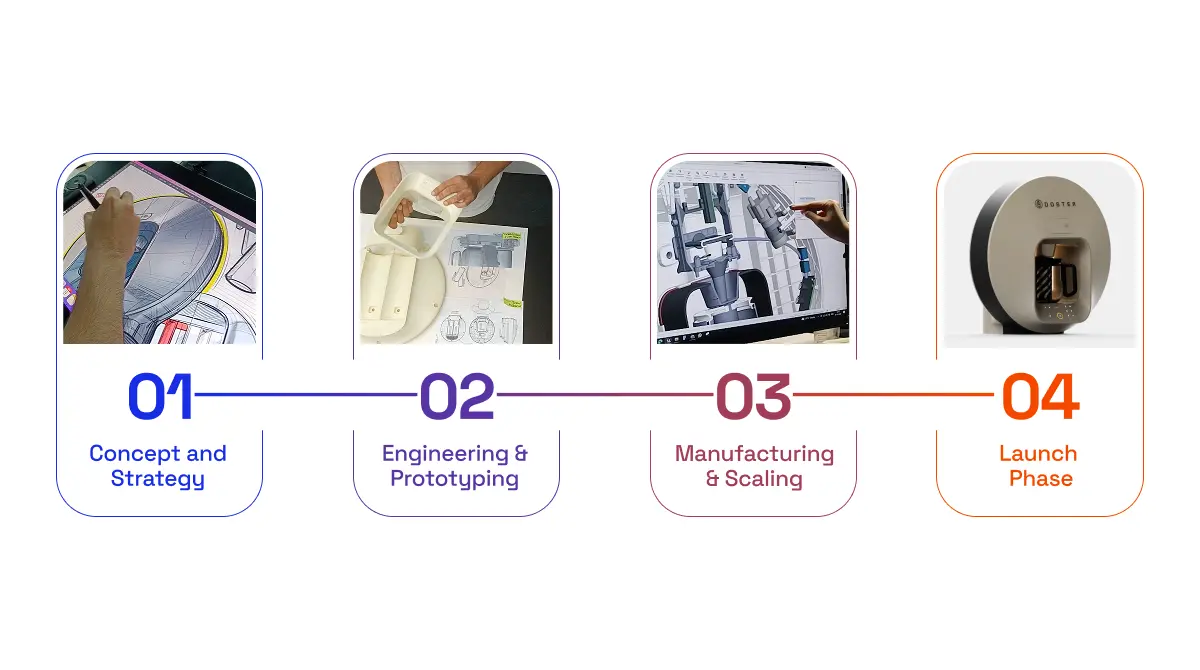
A strong concept design deserves a structured path to market. A well defined product launch roadmap transforms your MVP launch strategy into a clear execution plan. Instead of relying on scattered efforts, founders gain visibility into launch phases, priorities, and measurable milestones. This essential structure strengthens your go to market strategy and accelerates product market fit.
An effective product launch roadmap begins with clear objectives and target metrics. It outlines key stages such as product validation before launch, pre launch strategy, beta testing, and full product launch execution. Each phase connects directly to your go to market plan and market entry strategy. This alignment ensures that product positioning, pricing, and messaging evolve strategically.
A roadmap also improves collaboration across design, engineering, marketing, and sales teams. Defined timelines support launch planning, resource allocation, and sales funnel optimization. With measurable launch metrics guiding progress, teams move from concept design to scalable growth with confidence.
A clear step wise product launch roadmap transforms concept design into structured market execution. Instead of rushing into a product launch, startups move through defined phases that align with a focused go to market strategy. Each step builds momentum, strengthens product positioning, and improves launch metrics. This systematic approach increases the probability of achieving product market fit.
Step 1: Validate The Core Problem
Begin with product validation before launch through research, interviews, and prototype testing. Confirm real demand and refine your product value proposition.
Step 2: Finalize Product Positioning
Define your target segment, competitive differentiation, and messaging angle. Strong positioning sharpens your go to market plan and market entry strategy.
Step 3: Develop And Test The MVP
Build a functional MVP based on validated insights. Run controlled beta programs and gather measurable feedback to guide improvements.
Step 4: Prepare Pre Launch Strategy
Create anticipation through early access campaigns, email lists, and community building. Align messaging, pricing, and launch channels within your product launch plan.
Step 5: Execute The Product Launch
Activate your go to market strategy across selected channels. Track launch metrics such as engagement, activation, and conversions.
Step 6: Optimize And Scale
Analyze performance data and refine sales funnel optimization. Use insights to enhance your product launch roadmap and accelerate product market fit.
Pre Launch Strategy: Early Users & Beta Testing
A powerful product launch begins long before the official release. A well planned pre launch strategy builds anticipation, gathers feedback, and strengthens your go to market strategy. When concept design reaches the MVP stage, early users become your most valuable growth partners. Their insights shape refinement, messaging, and market readiness. Early users help validate product positioning and clarify the product value proposition. By inviting a select audience into a beta testing program, startups gain real world usage data and behavioral insights. This structured pre launch testing phase improves usability, pricing confidence, and feature prioritization. Naturally, when concept design evolves through live feedback, the product launch plan becomes more precise.
Beta testing also enhances launch metrics and supports sales funnel optimization before full scale market entry. Feedback collected during this phase sharpens communication across your go to market plan and strengthens product market fit. Engaged early adopters often become brand advocates during launch execution.
Early Users: Building Foundational Market Confidence
1. Identify The Right Early Adopters
Select users who actively experience the problem your concept design aims to solve. These individuals provide meaningful feedback and influence broader adoption within your target segment.
2. Create An Exclusive Early Access Program
Position early access as a privilege that encourages engagement and honest feedback. Structured onboarding improves product validation before launch and strengthens your product value proposition.
3. Gather Qualitative And Behavioral Insights
Conduct interviews, surveys, and usage analysis to understand real interaction patterns. These insights refine product positioning and guide improvements within your go to market plan.
4. Build Community And Brand Advocacy
Engaged early users often become ambassadors during the official product launch. Their testimonials and case studies enhance credibility and support launch planning efforts.
Beta Testing: Refining Performance Before Launch
5. Test Core Features Under Real Conditions
Beta testing exposes usability gaps and technical friction within the MVP. Addressing these issues improves launch metrics and enhances the overall product launch roadmap.
6. Measure Key Performance Indicators
Track activation rates, retention levels, and user engagement patterns. Clear launch metrics inform pricing strategy, sales funnel optimization, and market entry strategy decisions.
7. Refine Messaging And Positioning Based On Feedback
Observe how beta users describe the product and its value. Align marketing communication with this language to strengthen your product marketing strategy.
8. Prepare For Scalable Market Entry
Insights gathered during beta testing shape operational readiness and support smoother product launch execution. This preparation enhances product launch ROI and builds confidence for broader expansion.
Early users and beta testing convert concept design into validated market potential.
Crafting The Right Product Launch Plan
A powerful concept design deserves a launch plan that converts strategy into measurable traction. A structured product launch plan aligns your go to market strategy, product positioning, and launch metrics into one cohesive execution framework. Instead of fragmented activities, every action connects to a defined product launch roadmap. This clarity increases momentum and strengthens the path toward product market fit.
1. Define Clear Launch Objectives
Begin with measurable goals tied to your MVP launch strategy. Objectives may include user acquisition targets, revenue milestones, activation rates, or partnership wins. Clear benchmarks guide launch planning and improve product launch ROI.
2. Align Positioning And Messaging
Refine your product positioning and product value proposition before launch execution. Ensure that website copy, pitch decks, and campaign assets communicate a consistent benefit. Strong alignment enhances credibility and supports sales funnel optimization.
3. Select Strategic Launch Channels
Choose marketing and distribution channels based on your target segment. Whether leveraging digital campaigns, partnerships, or community driven growth, channel selection should align with your go to market plan. Focused channel strategy increases efficiency and improves launch metrics.
4. Build A Detailed Launch Timeline
Map key milestones within your product launch roadmap. Include pre launch strategy execution, beta testing completion, campaign rollout, and post launch optimization phases. Structured timing ensures smooth coordination across teams.
5. Prepare Sales And Support Systems
Equip your sales team with clear positioning frameworks and objection handling scripts. Strengthen onboarding flows and customer support systems to enhance early user experience. Operational readiness directly influences product launch success.
6. Monitor, Optimize, And Scale
Track real time performance data once the product launch begins. Evaluate engagement, conversion, and retention metrics to refine your go to market strategy. Continuous optimization accelerates product market fit and supports sustainable growth.
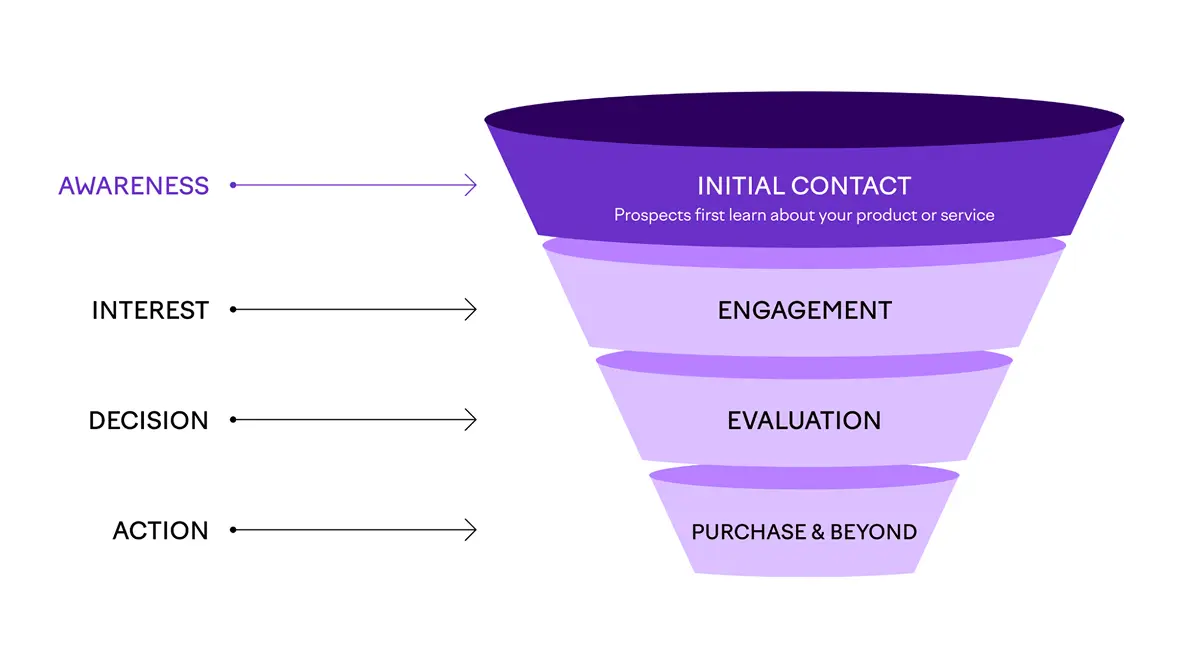
Sales Funnel Optimization After MVP Launch
Launching your MVP marks the beginning of real market learning. Once concept design reaches active users, the focus shifts toward sales funnel optimization and performance refinement. A structured go to market strategy ensures that every stage of the funnel, from awareness to conversion, receives strategic attention. Optimizing this journey increases product launch ROI and accelerates product market fit.
The first step involves analyzing launch metrics such as traffic sources, activation rates, user engagement, and drop off points. These insights reveal how effectively your product positioning and product value proposition resonate with your audience. Refining messaging, onboarding flows, and calls to action strengthens conversion rates across the funnel. Each improvement enhances the overall product launch roadmap and market entry strategy.
Continuous experimentation drives sustainable growth after MVP launch. A data driven approach to pricing optimization, retargeting campaigns, and upsell strategies supports long term scalability. As concept design evolves through real usage patterns, your go to market plan becomes more precise and performance focused. Sales funnel optimization transforms early traction into predictable and repeatable revenue growth.
From MVP To Scale: End To End Launch Support
An MVP validates potential, yet scalable success demands structured execution. End to end launch support connects concept design to sustained market growth through a unified product launch strategy. From refining product positioning to executing a global market entry strategy, every stage requires coordinated expertise. This integrated approach transforms early traction into long term momentum.
End to end launch support begins with strengthening the product launch roadmap and aligning it with a focused go to market plan. Teams optimize manufacturing readiness, pricing strategy, distribution channels, and sales funnel optimization for expansion. Defined launch metrics guide decision making while improving product launch ROI. As demand grows, operational systems evolve to support larger audiences and broader market penetration. Scaling also requires consistent messaging, strategic partnerships, and continuous performance optimization. A mature product marketing strategy enhances visibility, strengthens brand authority, and accelerates product market fit across segments. When concept design, validation insights, and launch execution work in harmony, growth becomes structured and sustainable.

10 Emerging Trends In MVP Launch Strategy
1. AI Driven Product Validation And Launch MetricsAdvanced analytics tools will enhance product validation before launch by identifying patterns in user behavior and demand signals. AI driven launch metrics will enable faster and more accurate go to market strategy decisions.
2. Personalized Go To Market Strategy Using Data IntelligenceFuture go to market plans will rely on real time customer insights and predictive segmentation. Personalized messaging will strengthen product positioning and improve conversion rates across channels.
3. Faster Hardware And Digital Product Launch CyclesImproved prototyping tools and agile development systems will accelerate the journey from concept design to market entry. This speed will enhance product launch roadmap efficiency and competitive advantage.
4. Global Market Entry Through Digital CommunitiesDigital ecosystems and niche communities will drive international product launch opportunities. Startups will leverage community driven growth as part of a scalable market entry strategy.
5. Automated Sales Funnel Optimization For Scalable GrowthAutomation tools will streamline lead nurturing, onboarding, and retention processes. Smarter sales funnel optimization will increase product launch ROI and sustainable revenue growth.
6. Real Time Product Positioning Based On User BehaviorContinuous tracking of user interaction will refine product positioning dynamically. This adaptive approach will strengthen the product value proposition and accelerate product market fit.
7. Agile Manufacturing Ready Launch SystemsIntegrated supply chain platforms will support faster manufacturing ready launch models. This will improve hardware product launch planning and operational scalability.
8. Creator And Partnership Led Product Launch ModelsInfluencer collaborations and strategic partnerships will shape future product launch strategies. Partnership led growth will enhance brand credibility and expand market reach.
9. Continuous Product Market Fit Through Iterative MVP UpdatesOngoing feature enhancements based on live feedback will sustain product relevance. Iterative updates will keep concept design aligned with evolving customer expectations.
10. End To End Launch Support Powered By Integrated TechnologiesUnified platforms combining analytics, marketing automation, and distribution systems will simplify launch planning. Integrated end to end launch support will enable startups to scale with clarity and confidence.
Sources And Citations
- World Economic Forum
- Positioning - Al Ries & Jack Trout
- Harvard Business Review - Articles On Go To Market Strategy
- Marc Andreessen - Product Market Fit Concept
About The Authors

Vyasateja Rao - Founder, Analogy
Vyasateja Rao is a multi-award-winning product designer with over two decades of experience, and the visionary founder of Analogy, a Bangalore-based industrial and interaction design studio. He specializes in crafting memorable and innovative experiences for both physical and digital products. After earning a Masters in Industrial Design from North Carolina State University in 2007, Vyasateja worked across the United States, Hong Kong, China, Korea, Taiwan, Singapore, and India, collaborating with Fortune 500 companies and leading design studios. His studio has received international recognition, including the Red Dot, IBDC, Singapore Design Award, and multiple patents for product innovation. Vyasateja has designed for global clients such as Panasonic, Unilever, Amazon, Marvel, and Cellairis, blending creativity with manufacturability to create breakthrough products. Beyond design, he mentors aspiring designers, teaching the importance of contrast, surprise, and hidden artifacts in creating compelling experiences.